

2001 Audi allroad Power Steering Pump: Noises, Leaks, and Replacement Guide
A deep dive into diagnosing, replacing, and sourcing a power steering pump for the 2001 Audi allroad 2.7T, focusing on common failure points and critical fluid information.
- The most common failure symptom is a whining noise that changes with engine RPM and steering input.
- You MUST use green Pentosin CHF 11S or compatible CHF 202 synthetic hydraulic fluid; using incorrect fluid will cause system damage.
- Air in the system, often from a small leak on a return hose, is a frequent cause of noise and must be properly bled out after replacement.
- When replacing the pump, it is highly recommended to also replace the fluid reservoir, serpentine belt, and high-pressure hose crush washers.
Diagnosing a Failing 2001 Audi allroad Power Steering Pump
A failing power steering pump on the 2.7L V6 Turbo engine typically gives clear warning signs. Ignoring them can lead to more extensive damage to the steering rack. Here’s what to look and listen for.
Common Failure Symptoms
- Whining or Groaning Noises: This is the most common symptom. A distinct whining sound that increases with engine RPM and gets louder when you turn the steering wheel often points to a failing pump or low fluid. This noise is caused by the pump struggling to circulate fluid, either due to a leak, air in the system, or internal wear. A groaning sound can indicate the pump is on its last legs.
- Stiff or Heavy Steering: If turning the wheel, especially at low speeds, requires significantly more effort than usual, the pump is likely not providing enough hydraulic pressure. This can be intermittent at first but will typically worsen over time.
- Fluid Leaks: Puddles of green or brown fluid under the front of the car are a major red flag. The pump itself can leak from its main shaft seal or housing, but it's also common for the high-pressure and return hoses to become brittle and leak.
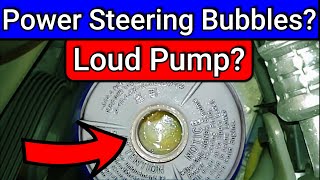
- Bubbling or Foaming Fluid: If you check the power steering reservoir and see bubbles, foam, or a boiling appearance, it means air is being sucked into the system. This is often caused by a leak on the suction side of the pump, such as a loose hose clamp or a cracked return hose. 🎬 Watch: How to fix a bubbling reservoir and loud pump
How to Inspect Your Power Steering Fluid
The health of your power steering system is directly reflected in its fluid. Checking it is a simple but critical diagnostic step.
- Locate the Reservoir: Find the power steering fluid reservoir in the engine bay. It has a black cap that often specifies the type of fluid required.
- Check the Level: The reservoir has 'MIN' and 'MAX' markings on its dipstick. The fluid level should be between these marks when the engine is warm.
- Inspect Fluid Color and Condition: The correct fluid for this vehicle is a high-performance synthetic hydraulic fluid, not standard red power steering fluid or ATF. The proper fluid, like Pentosin CHF 11S or the compatible CHF 202, is green. If the fluid is dark brown or black, it's old and contaminated and should be flushed. If you see metallic particles, it's a sign of severe internal wear in the pump or steering rack.
Warning: Never use standard red Automatic Transmission Fluid (ATF) or generic power steering fluid in your Audi. Using the wrong fluid can damage seals and cause catastrophic failure of the pump and steering rack. Only use synthetic hydraulic fluid meeting Audi/VW specifications, such as Pentosin CHF 11S or the compatible CHF 202.
Known Issues, Recalls, and Technical Service Bulletins (TSBs)
While there are no specific recalls for the power steering pump on the 2001 Audi allroad, several recalls exist for the model year that owners should be aware of. These include potential issues with headlight switch wiring that could cause a fire. There is one logged NHTSA complaint regarding steering for this model year, but no widespread investigation was initiated. Forum discussions frequently point to air leaks from aging hoses or loose clamps as a common source of pump noise, sometimes misdiagnosed as a failed pump.
Buying a Used Power Steering Pump for Your 2001 allroad
Given the high cost of a new OEM pump, a quality used OEM unit is an excellent value. However, careful inspection and verification are key to getting a reliable part.
Why Choose a Used OEM Pump?
Original Equipment (OEM) pumps made by Audi's suppliers (like Bosch or TRW) are engineered for the specific pressures and flow rates of the allroad's hydraulic system. While some aftermarket options exist, their quality can be inconsistent, potentially leading to premature failure or improper steering feel. A low-mileage, inspected used OEM pump offers the same performance and fit as a new one at a fraction of the price.
Part Number Verification is Critical
Audi often uses several part numbers for the same component, and compatibility can be VIN-specific. It is essential to match the part number from your original pump to the replacement. Do not rely on visual comparison alone.
Known OEM Part Numbers: 4B0145156A, 4B0145156N, 8D0145156N
Pro Tip: Before ordering, clean off your old pump to find the stamped or stickered part number. This is the most reliable way to ensure you get the correct replacement.
What to Inspect on a Used Pump
- Check for Leaks: Inspect the area around the pulley shaft seal and the seams of the pump body for any signs of old fluid residue.
- Spin the Shaft: If possible, turn the pulley or shaft by hand. It should spin smoothly with some resistance but without any grinding, catching, or gritty feeling.
- Inspect Ports: Ensure the threads on the high-pressure banjo bolt port and the low-pressure hose nipple are clean and undamaged.
- Pulley Condition: The pump does not typically come with a pulley. Ensure the mounting surface for the pulley is not damaged.
Power Steering Pump Replacement Overview
Replacing the power steering pump on the 2.7T engine is a moderately difficult job due to tight access. While some mechanics insist on putting the vehicle's front end into the "service position" (removing the bumper and lock carrier), many experienced DIYers have successfully completed the job without it. The job typically takes 2.5 to 4 hours.
Related Parts to Replace at the Same Time
To ensure a long-lasting repair and prevent future leaks, it is highly recommended to replace these parts along with the pump:
- Power Steering Fluid: Always use new, correct-spec fluid (Pentosin CHF 11S or 202).
- Power Steering Hoses: The high-pressure and return hoses are common leak points and should be replaced, especially if they are original.
- Reservoir: The reservoir contains a non-serviceable internal filter that traps debris. Replacing it is cheap insurance for your new pump.
- Serpentine Belt: Since you have to remove it anyway, it's a perfect time to install a new serpentine belt.
- Crush Washers: Always use new aluminum crush washers for the high-pressure banjo bolt fitting to prevent leaks.
Special Tools and Procedures
- Belt Tensioner Tool: A long breaker bar or serpentine belt tool is needed to release tension on the belt.
- System Bleeding: This is the most critical step after installation. Any air left in the system will cause the new pump to whine and can damage it. To bleed the system, fill the reservoir, start the engine briefly, then shut it off and top up the fluid. Repeat this a few times, then with the engine running, slowly turn the steering wheel from full lock to full lock several times until the groaning and gurgling noises stop.
Important Torque Specs
While a comprehensive list is vehicle-specific, some general torque specs for similar Audi engines have been noted in forums and repair guides. Always consult a factory repair manual for exact figures.
- Power Steering Pump to Bracket Bolts: ~25 Nm (18 ft-lb)
- Pulley to Pump Bolts: ~25 Nm (18 ft-lb)
- High-Pressure Banjo Bolt: Forum users caution against over-tightening this fitting; snug is sufficient to crush the new washers without stripping the pump threads. One user noted a spec of 50 Nm but found it to be too high, causing the bolt to fail.
Cost Comparison: 2001 Audi allroad Power Steering Pump
| Part Type | Estimated Cost |
|---|---|
| New OEM | $350 - $660 |
| New Aftermarket | $150 - $260 |
| Used OEM | $75 - $150 |
| Shop Labor | $561 - $823 |
Note: Prices are estimates and can vary based on supplier, location, and vehicle condition.
Frequently Asked Questions (FAQ)
What power steering fluid should I use for my 2001 allroad?
You must use a synthetic hydraulic fluid that meets Audi/VW specifications. The most common is Pentosin CHF 11S. The newer, compatible Pentosin CHF 202 can also be used and is mixable with CHF 11S. Do not use red ATF or any generic power steering fluid.
My new power steering pump is still whining. What's wrong?
The most likely cause is air trapped in the system. This happens when the system is not bled properly after installation. Re-check the fluid level and repeat the bleeding procedure by turning the steering wheel lock-to-lock with the engine running until the noise disappears. A persistent whine could also indicate a leak on the suction side (like a loose hose clamp) that is still allowing air to enter.
Do I have to remove the front bumper to replace the pump?
While the official factory procedure often involves moving the front lock carrier to a "service position," many owners and independent mechanics have successfully replaced the pump without removing the bumper. It is a much tighter job but is considered possible with the right tools and patience.
Can I rebuild my old power steering pump?
Rebuilding hydraulic pumps is a specialized task that is not common for DIY mechanics. It requires special tools and access to internal seals and bearings. Given the availability of affordable used OEM and new aftermarket units, replacement is almost always the more practical and reliable option.
Helpful Videos
Technical Specifications
OEM Part Numbers: 4B0145156A 4B0145156N 8D0145156N KS01000570 JPR932 078145255H 3B7422154A
Fluid Type: Synthetic Hydraulic Fluid (Pentosin CHF 11S or CHF 202)
We Have This Part in Stock


The information in this article is provided for general reference and educational purposes only. Vehicle specifications, procedures, and part compatibility can vary by production date, trim level, and region. Always consult your vehicle's factory service manual and verify part numbers before purchasing or performing repairs. Safety-critical components such as airbags, seat belts, and braking systems should be installed by a qualified professional.
- Audi allroad:
- 🎬 Helpful Videos
- 🛍️ Shop This Part
- Diagnosing a Failing 2001 Audi allroad Power Steering Pump
- Common Failure Symptoms
- How to Inspect Your Power Steering Fluid
- Known Issues, Recalls, and Technical Service Bulletins (TSBs)
- Buying a Used Power Steering Pump for Your 2001 allroad
- Why Choose a Used OEM Pump?
- Part Number Verification is Critical
- What to Inspect on a Used Pump
- Power Steering Pump Replacement Overview
- Related Parts to Replace at the Same Time
- Special Tools and Procedures
- Important Torque Specs
- Cost Comparison: 2001 Audi allroad Power Steering Pump
- Frequently Asked Questions (FAQ)
- 🎟️ Get 5% Off