

1992-1996 Honda Prelude Power Steering Pump: Fixing Whines, Leaks, and Stiff Steering
Your complete guide to diagnosing, replacing, and buying a used power steering pump for the 4th generation Honda Prelude.
- A whining noise is the most common symptom, but it's often caused by a cheap, easy-to-replace O-ring on the pump inlet, not a bad pump.
- You MUST use Genuine Honda Power Steering Fluid. Using any other fluid can cause seal damage and system failure.
- Before installing a replacement pump, flush the entire system of old fluid to prevent contamination and premature failure.
- Properly bleeding the air out of the system after installation is critical to prevent noise and ensure correct operation.
Symptoms of a Failing Power Steering Pump
A failing power steering pump on a 4th generation Prelude will almost always give you audible or physical warnings. Ignoring these can lead to a complete loss of power assist, making the car difficult to steer safely.
1. Whining or Groaning Noise
This is the most common symptom. You'll hear a distinct whining or groaning sound that rises and falls with the engine's RPM. The noise will often get significantly louder when you turn the steering wheel. This sound is typically caused by one of three things: low fluid level, air bubbles in the system (cavitation), or worn internal components of the pump itself.
2. Stiff or Heavy Steering
If turning the steering wheel, especially at a stop or at low speeds, requires significantly more effort than usual, the pump is likely not producing enough hydraulic pressure. This can happen suddenly or get progressively worse over time.
3. Fluid Leaks
Visible puddles of reddish-brown fluid under the front of your car are a clear sign of a leak. On the Prelude, check the underside of the power steering pump itself, as well as the high-pressure and low-pressure lines connected to it. Over time, seals and O-rings degrade, leading to leaks that can drain the system and starve the pump of fluid, causing damage.
4. Bubbles or Froth in the Reservoir
If you check the power steering fluid reservoir and see foam, bubbles, or a milky/light tan appearance, it means air is getting into the system. While this can be a sign of a bad pump, it is very often caused by a much simpler, cheaper problem detailed below.
Pro Tip: Before you replace the pump, check the inlet O-ring! A very common issue on Hondas of this era is a small, inexpensive O-ring on the pump's fluid inlet hose connection (Part No. 91345-RDA-A01). When this O-ring fails, it allows air to be sucked into the system, creating a loud whine that perfectly mimics a failed pump. Replacing this tiny seal often solves the noise problem for just a few dollars.
Known Issues, Recalls, and TSBs
For a vehicle of this age, most major issues have been well-documented by owners. While there are no specific recalls for the power steering pump on the 1992-1996 Prelude, some related items are worth noting.
- Recalls: There was a recall for the 1996 model year concerning front suspension lower ball joints, which could cause a loss of steering control if they failed. Another recall for 1988 models (prior generation) involved a power steering hose that could leak and pose a fire risk if fluid contacted the hot exhaust manifold. While not directly applicable, it highlights the importance of checking hose conditions.
- Technical Service Bulletins (TSBs): No specific TSBs for the 1992-1996 Prelude power steering pump were found in public databases, which is common for vehicles of this vintage. The most prevalent issues are discussed in owner forums.
Buying a Used Power Steering Pump
For a 30-year-old vehicle, a quality used OEM pump is often a more reliable and cost-effective choice than a new, cheap aftermarket part. Here’s what to look for.
Inspection Checklist:
- Check for Leaks: Inspect the pump body thoroughly for any signs of oily residue or wetness, especially around the pulley shaft seal and where the pump halves are joined.
- Spin the Pulley: The pulley should spin smoothly by hand with no grinding, roughness, or excessive wobble. Any noise or gritty feeling indicates bad bearings.
- Inspect Hose Ports: Make sure the threaded ports for the high-pressure and low-pressure lines are clean and undamaged. Stripped threads will cause leaks.
- Verify Compatibility: Ensure the pump is from a 1992-1996 Honda Prelude. The pumps for the 2.2L VTEC (H22A1) and 2.3L Si (H23A1) engines are generally interchangeable within this generation. The key OEM part number is 56110-P11-020, which replaced the earlier 56110-P11-010.
Given the age of these vehicles, the mileage of a used part is less critical than its physical condition. A pump from a well-maintained, lower-mileage car is ideal, but a visual and physical inspection is the best way to judge its remaining life.
Replacement Overview & Special Procedures
Replacing the power steering pump is a manageable DIY job for those with basic mechanical skills and tools. The process generally involves draining the fluid, removing the drive belt, disconnecting the fluid lines, and unbolting the pump.
Warning: Always use Genuine Honda Power Steering Fluid. Using generic power steering fluid or ATF (Automatic Transmission Fluid) can cause seals to swell or degrade, leading to leaks and pump noise.
Key Procedures:
- Flushing the System: Before installing the replacement pump, it's critical to flush the old, contaminated fluid from the steering rack and lines to prevent damage to the new pump.
- Bleeding Air from the System: This is the most important step after installation. With the front wheels off the ground, fill the reservoir and, without starting the engine, slowly turn the steering wheel from full lock to full lock about 20-40 times. Keep the reservoir topped up and watch for air bubbles. Once bubbles stop appearing, you can start the engine and repeat the process to purge any remaining air. Failure to bleed the system properly will result in a noisy pump and potential damage.
- Torque Specs: While specific factory manual specs for the 4th gen Prelude are scarce, general Honda specs for similar M6 bolts on the pump housing are around 8-9 ft-lbs. The high-pressure banjo bolt is more critical and typically torques to around 28-36 ft-lbs on similar Honda models. Over-tightening can damage the pump or bolts.
Related Parts to Consider Replacing
- Power Steering Belt: Always a good idea to replace while you have everything apart.
- Inlet and Outlet O-Rings: As mentioned, these are cheap and a primary cause of air leaks. Replace them with new OEM parts.
- Power Steering Hoses: After 30+ years, the rubber hoses can become brittle, cracked, and leak. Inspect them carefully and replace if they are swollen, soft, or cracked.
Cost Comparison
Prices can vary based on supplier and location, but here is a general cost breakdown for a 1992-1996 Prelude power steering pump:
| Part Type | Estimated Cost |
|---|---|
| New OEM | $780 - $1,100+ (Often discontinued) |
| New Aftermarket | $150 - $250 |
| Remanufactured | $80 - $150 + Core Charge |
| Used OEM | $50 - $125 |
| Shop Labor | $200 - $500 |
Frequently Asked Questions (FAQ)
My pump is whining. Do I have to replace it?
Not necessarily. The most common cause of a whining noise in these cars is air getting into the system. Before spending money on a pump, replace the small O-ring on the pump's inlet hose (Part No. 91345-RDA-A01). This is a very common and inexpensive fix that often solves the problem.
Can I use regular power steering fluid instead of the Honda fluid?
No. You must use Genuine Honda Power Steering Fluid. Honda's system is designed specifically for the viscosity and additives in their fluid. Using other types, like generic PS fluid or ATF, can damage the seals in the pump and rack, leading to leaks and premature failure.
Is it safe to drive with a failing power steering pump?
You can, but it's not recommended. You will not lose the ability to steer, but the steering will become extremely heavy, similar to a car without power steering. This can be dangerous in an emergency maneuver or when parking. If the pump seizes, it can snap the drive belt, which may also run other accessories.
Is rebuilding my original pump a good option?
Rebuilding is possible, and seal kits are available. It involves completely disassembling the pump and replacing all internal seals and O-rings. This can be a cost-effective option if you are a skilled DIYer, but it is more complex than a simple replacement. If done incorrectly, it will continue to leak or fail. For most people, a quality used OEM or remanufactured pump is a more practical solution.
Technical Specifications
OEM Part Numbers: 56110-P11-020 56110-P11-010 56100-P11-010 56100-P11-020
Fits 1992-1996 Honda Prelude models with 2.2L (H22A1) and 2.3L (H23A1) engines. Requires Genuine Honda Power Steering Fluid.
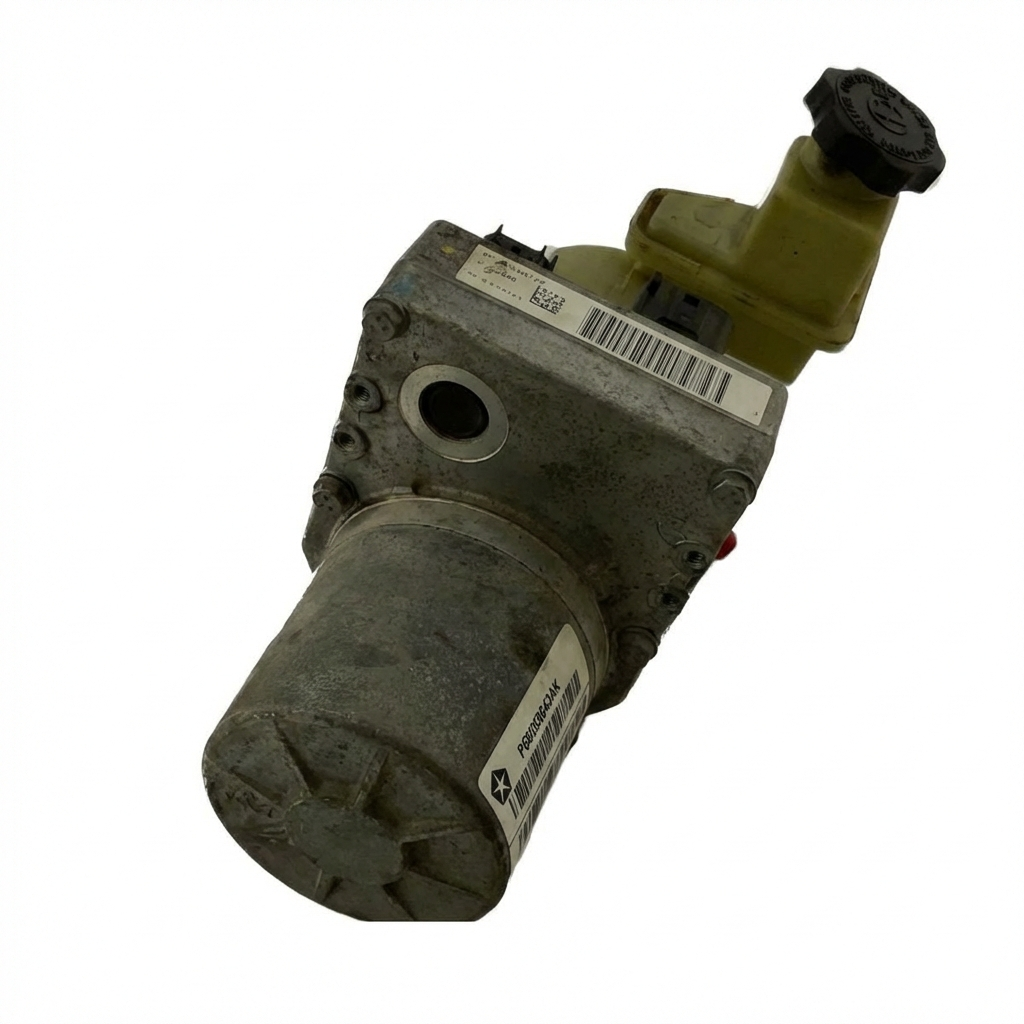
We Have This Part in Stock

The information in this article is provided for general reference and educational purposes only. Vehicle specifications, procedures, and part compatibility can vary by production date, trim level, and region. Always consult your vehicle's factory service manual and verify part numbers before purchasing or performing repairs. Safety-critical components such as airbags, seat belts, and braking systems should be installed by a qualified professional.
- Honda Prelude:
- 🛍️ Shop This Part
- Symptoms of a Failing Power Steering Pump
- 1. Whining or Groaning Noise
- 2. Stiff or Heavy Steering
- 3. Fluid Leaks
- 4. Bubbles or Froth in the Reservoir
- Known Issues, Recalls, and TSBs
- Buying a Used Power Steering Pump
- Inspection Checklist:
- Replacement Overview & Special Procedures
- Key Procedures:
- Related Parts to Consider Replacing
- Cost Comparison
- Frequently Asked Questions (FAQ)
- 🎟️ Get 5% Off