

Dodge Challenger & Charger Power Steering Pumps (2011-2020): A Guide to Hydraulic vs. Electric
This guide clarifies the critical differences between the two power steering pump types used in 2011-2018 Dodge Challengers and 2014-2020 Dodge Chargers to ensure you get the right part.
- Crucially, there are two different, non-interchangeable pumps: an Electro-Hydraulic (EHPS) pump for 3.6L/5.7L engines and a conventional belt-driven pump for 6.2L/6.4L engines.
- A whining noise that changes with steering is the most common failure symptom; if the noise changes with engine RPM, it's likely the belt-driven pump.
- After replacing the pump, you MUST bleed the air out of the system by turning the wheels lock-to-lock to prevent noise and damage to the new part.
- The EHPS pump for V6/5.7L models is significantly more expensive than the conventional pump for SRT/Hellcat models, making a quality used OEM part an excellent value.
Which Power Steering Pump Does Your Car Have?

The most common mistake when replacing a power steering pump on a 2011-2018 Dodge Challenger or 2014-2020 Dodge Charger is buying the wrong type. These vehicles used two completely different systems based on the engine. Installing the wrong one will not work.
Warning: Before purchasing, you must identify your engine. A pump for a 5.7L V8 will NOT fit a 6.4L V8, and vice-versa. They are not interchangeable.
System 1: Electro-Hydraulic Power Steering (EHPS) Pump
- Engines: 3.6L V6 and 5.7L V8
- Vehicles: 2011-2018 Dodge Challenger (RWD), 2014-2020 Dodge Charger (RWD & AWD)
- How to Identify: This is a self-contained unit with an electric motor attached directly to the pump. It is NOT driven by the engine's serpentine belt. It has electrical connectors.
- Common Part Numbers: The part number series starting with 68059643 (e.g., 68059643AB, 68059643AC, up to 68059643AL) fits these models.
System 2: Conventional Hydraulic Power Steering Pump
- Engines: 6.2L V8 (Hellcat, Demon) and 6.4L V8 (SRT, Scat Pack)
- Vehicles: 2011-2018 Dodge Challenger, 2014-2020 Dodge Charger
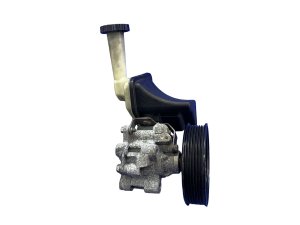
- How to Identify: This pump is mounted to the front of the engine and is driven by the serpentine belt. It has a pulley on the front.
- Common Part Numbers: 5181854AA, 05181854AA, RL181854AA.
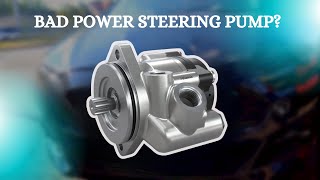
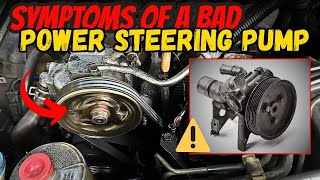
Symptoms of a Failing Power Steering Pump

While some symptoms are universal, others can help you distinguish which pump type is failing.
🎬 Watch: Top 8 symptoms of a failing power steering pumpCommon Symptoms for Both Pump Types
- Whining or Groaning Noises: This is the most common sign of a failing pump. The noise often gets louder when you turn the steering wheel.
- Stiff or Heavy Steering: The wheel becomes difficult to turn, especially at low speeds or when parking. This happens because the pump is no longer providing enough hydraulic pressure.
- Fluid Leaks: You may find puddles of reddish or brown fluid under the front of your car. Leaks can come from the pump body itself or from connecting hoses.
System-Specific Symptoms
- EHPS (3.6L/5.7L) Specific: Since this pump is electric, failure can be sudden and intermittent. You might lose power steering assist without warning, and it may return after restarting the car. A failing EHPS pump can also cause a whining noise that is constant and does not change with engine RPM.
- Hydraulic (6.2L/6.4L) Specific: The whining noise will almost always change pitch with engine RPM, getting higher as the engine revs. You might also hear squealing from the serpentine belt if the pump's bearing is seizing, causing the pulley to drag.
Known Issues, Recalls, and Technical Service Bulletins (TSBs)

While no specific recalls target the power steering pumps on these exact Challenger and Charger models within the specified years, FCA has issued recalls for similar Electro-Hydraulic Power Steering (EHPS) units on other vehicles, like Ram trucks. These recalls were for contamination on the internal circuit board that could cause a short and lead to a loss of power steering assist. Owners of 3.6L and 5.7L models should be aware of this potential for sudden electrical failure.
No widespread TSBs or recalls were found for the conventional hydraulic pumps on the 6.2L and 6.4L V8 models.
Buying a Used Power Steering Pump: What to Look For

A used OEM pump from a low-mileage vehicle can be a reliable and cost-effective alternative to expensive new parts. Here’s what to inspect:
- Verify Compatibility: This is the most critical step. Double-check that the pump came from a vehicle with the exact same engine as yours (e.g., 5.7L to 5.7L, 6.4L to 6.4L). Check part numbers if possible.
- Physical Inspection (Hydraulic Pump):
- Spin the pulley by hand. It should be smooth and quiet. Any grinding or roughness indicates a bad bearing.
- Check the pulley for any bends or cracks.
- Inspect the pump housing for cracks or signs of major fluid leaks (heavy staining).
- Physical Inspection (EHPS Pump):
- Carefully inspect the electrical connectors for any corrosion, bent pins, or cracks in the plastic.
- Check the integrated reservoir and housing for any cracks or damage.
- Look for signs of fluid leaks around the seals and hose connections.
- Mileage Considerations: For any mechanical part, lower mileage is better. Power steering pumps can often last over 100,000 miles, but failures can occur earlier. A used pump from a vehicle with under 70,000 miles is a good target.
- Why Used OEM is a Smart Choice: The power steering system is calibrated for specific pressures and fluid flow rates. A used OEM pump is guaranteed to meet these specifications. Cheaper new aftermarket pumps can sometimes cause whining noises or have a shorter lifespan due to lower quality seals and bearings.
Replacement Overview and Special Procedures
Replacing the power steering pump is a moderately difficult job that a skilled DIY mechanic can perform.
🎬 See this 2016 Dodge Challenger power steering pump replacement guidePro Tip: When replacing the pump, it's highly recommended to flush the entire system and replace the power steering fluid to remove any contaminants from the old, failing pump. Metal shavings from a failed pump can quickly destroy a new one.
- Related Parts: Consider replacing the serpentine belt (on 6.2L/6.4L models) if it's worn or contaminated with fluid. Inspect power steering hoses for cracks, swelling, or leaks and replace as needed.
- Special Tools: For conventional hydraulic pumps, you will likely need a power steering pump pulley puller/installer tool to safely remove the pulley from the old pump and install it on the new one.
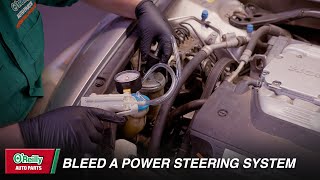
- System Bleeding: This is the most important step after installation. Air trapped in the system will cause loud whining and damage the new pump. To bleed the system, raise the front wheels off the ground, fill the reservoir, and, with the engine off, turn the steering wheel slowly from lock to lock about 20 times. Then, start the engine and repeat, checking and topping off the fluid until no more bubbles appear in the reservoir and the whining noise is gone. 🎬 Watch: How to bleed a power steering system yourself
Cost to Replace the Power Steering Pump
The cost varies significantly between the two pump types, with the EHPS unit being substantially more expensive.
| Part/Service | Estimated Cost | Notes |
|---|---|---|
| New OEM Pump (EHPS - 3.6L/5.7L) | $1700 - $2600 | This is a complex electrical and hydraulic unit, leading to a very high dealer price. |
| New OEM Pump (Hydraulic - 6.2L/6.4L) | $500 - $800 | A more traditional pump, but still costly from the dealer. |
| New Aftermarket Pump | $125 - $800 | Wide range in price and quality. Remanufactured units are common. |
| Used OEM Pump | $75 - $450 | Offers the best value, providing an original quality part at a significant discount. |
| Shop Labor | $170 - $250 | Typically requires 1.5 to 2.5 hours of labor. |
Frequently Asked Questions (FAQ)
What kind of power steering fluid do I need?
This is critical. For models with the EHPS pump (3.6L/5.7L), you must use Mopar Electric Power Steering Fluid (MS-11655) or an equivalent that meets this specification. For conventional hydraulic pumps (6.2L/6.4L), ATF+4 transmission fluid is often specified. Using the wrong fluid can cause noise, seal damage, and pump failure. Always check your owner's manual to be certain.
Can I use a pump from a 5.7L Charger in my 6.4L Challenger SRT?
No. The 5.7L engine uses the electro-hydraulic (EHPS) pump, while the 6.4L SRT engine uses a completely different belt-driven hydraulic pump. They are physically different and not interchangeable.
Why is my new power steering pump still whining?
The most common reason for a new pump to whine is air trapped in the system. You must perform the bleeding procedure correctly, which involves turning the steering wheel lock-to-lock multiple times with the front wheels off the ground. If the noise persists, there could be a leak elsewhere in the system allowing air to enter, or the new pump could be defective.
Is it safe to drive with a failing power steering pump?
It is possible, but not recommended. If the pump fails, you will not lose the ability to steer, but the steering wheel will become extremely difficult to turn, especially at low speeds. This can be dangerous in an emergency maneuver or while parking. It's best to get the issue addressed as soon as symptoms appear.
Helpful Videos
Technical Specifications
OEM Part Numbers: 68059643AB 68059643AC 68059643AD 68059643AE 68059643AF 68059643AG 68059643AH 68059643AI 68059643AJ 68059643AK 68059643AL 05181854AA 5181854AA RL181854AA
System Type 1: Electro-Hydraulic Power Steering (EHPS) for 3.6L V6 & 5.7L V8. System Type 2: Conventional Belt-Driven Hydraulic for 6.2L & 6.4L V8.
We Have This Part in Stock



The information in this article is provided for general reference and educational purposes only. Vehicle specifications, procedures, and part compatibility can vary by production date, trim level, and region. Always consult your vehicle's factory service manual and verify part numbers before purchasing or performing repairs. Safety-critical components such as airbags, seat belts, and braking systems should be installed by a qualified professional.
- Dodge Challenger:
- Dodge Charger:
- 🎬 Helpful Videos
- 🛍️ Shop This Part
- Which Power Steering Pump Does Your Car Have?
- System 1: Electro-Hydraulic Power Steering (EHPS) Pump
- System 2: Conventional Hydraulic Power Steering Pump
- Symptoms of a Failing Power Steering Pump
- Common Symptoms for Both Pump Types
- System-Specific Symptoms
- Known Issues, Recalls, and Technical Service Bulletins (TSBs)
- Buying a Used Power Steering Pump: What to Look For
- Replacement Overview and Special Procedures
- Cost to Replace the Power Steering Pump
- Frequently Asked Questions (FAQ)
- 🎟️ Get 5% Off