

2016 Lexus GS F Power Steering Module: Failure, Programming, and Replacement
This guide covers the essential programming and calibration required when replacing the electronic power steering control module in your 2016 Lexus GS F.
- This module is NOT plug-and-play. It requires mandatory 'Zero Point Calibration' with Toyota Techstream software after installation.
- You must match the OEM part number 89650-30E00 exactly. Modules from other Lexus models are not compatible.
- Failure results in a sudden and complete loss of power steering assist, making the vehicle very difficult to steer.
- A used OEM module is a cost-effective alternative to a new dealer part, but the mandatory programming cost must be included in your budget.
Symptoms of a Failing Power Steering Control Module


A problem with the Power Steering Control Module in a 2016 Lexus GS F will be immediately noticeable. The most common signs point to a partial or complete loss of steering assist.
- Sudden Heavy Steering: The most prominent symptom is a sudden loss of power assist, making the steering wheel extremely difficult to turn, especially at low speeds. This can feel like the car has stalled, even though the engine is still running.
- Power Steering (P/S) Warning Light: An amber "P/S" warning light will illuminate on the dashboard, indicating a fault within the Electric Power Steering system.
- Multiple Warning Lights: A failing module can disrupt communication with other vehicle systems. It's common to see a cascade of warning lights, including "Check VSC," "Check ABS," and "Check DRS."
- Intermittent Failure: In some cases, the failure may be intermittent. A restart of the vehicle might temporarily restore function, but the underlying problem remains. This can sometimes be triggered by voltage fluctuations from an aging battery or alternator.
Associated OBD-II Trouble Codes
A professional scan tool is required to read codes from the power steering system. Common codes associated with Lexus EPS failures include:
- U0131: Lost Communication With Power Steering Control Module. This is a strong indicator that the module is failing or has a connection issue.
- C1515 / C1525: Torque Sensor Zero Point Adjustment Undone / Rotation Angle Sensor Initialization Undone. These codes indicate a calibration issue, which can occur after a module replacement if not programmed correctly.
- C1555: Motor Relay Welding Failure. This points to an internal failure within the power steering ECU itself.
Warning: While a failing module is a common cause, these symptoms can also be caused by a faulty electrical connection at the steering rack itself, a failing alternator, or a weak battery. Proper diagnosis is essential before replacing parts.
Known Issues, TSBs, and Recalls
As of mid-2026, there are no specific recalls or Technical Service Bulletins (TSBs) from Lexus for the power steering control module on the 2016 GS F. A recall existed for a fuel pump issue on this model, but it is unrelated to the steering system. The lack of specific bulletins is likely due to the low production volume of the GS F model. Most known issues are derived from owner experiences and data from similar Lexus models of the same era.
Buying a Used Power Steering Control Module
Given the high cost of a new module, a used OEM unit from a reputable automotive recycler is a smart financial choice. However, there are critical factors to consider.
- Match the Part Number Exactly: The only way to ensure compatibility is to match the OEM part number precisely. For the 2016 Lexus GS F, the correct part number is 89650-30E00. Do not use a module from a GS 350 or other Lexus model, even if it looks identical, as the internal programming for the GS F's specific steering and suspension setup (like VGRS) is different.
- Physical Inspection: When you receive the used module, inspect it carefully. Look for any signs of corrosion on the connector pins, water damage to the case, or physical damage from the donor vehicle. The module should be clean and free of any obvious defects.
- Factor in Programming Costs: A used module is not a plug-and-play part. It will require professional programming to function in your vehicle. You must account for this additional cost, which typically involves about an hour of shop labor.
- Source from a Reputable Seller: Purchase from a seller that offers a warranty. This protects you in the rare event that you receive a defective part.
Replacement and Programming Guide

Replacing the module is mechanically straightforward, but the required electronic calibration makes this a job best left to a professional technician or an experienced DIYer with access to the right tools.
Part Location
The Power Steering Control Module is located in the engine bay on the passenger (right-hand) side. It is situated underneath the vehicle's 12V battery and the plastic battery tray.
Replacement Steps
- Disconnect the negative battery terminal and wait at least 90 seconds for the vehicle's systems to power down.
- Remove the battery hold-down, then remove the battery itself.
- Unclip and remove the plastic battery tray to expose the Power Steering Control Module underneath.
- Disconnect the electrical connectors from the module.
- Unbolt the module from its mounting bracket (typically three bolts).
- Install the new or used module, reconnect the electrical connectors, and reinstall the battery tray and battery.
Pro Tip: Before starting the calibration process, ensure the vehicle's battery is fully charged. Low voltage can cause the calibration to fail.
Required Programming: Zero Point Calibration
After installation, the module must be calibrated to the vehicle's sensors. This process is known as "Zero Point Calibration." It synchronizes the steering angle sensor and torque sensor with the module, ensuring the system knows the straight-ahead position of the wheels. Without this step, the power steering will not work, and multiple warning lights will remain on.
This calibration must be performed using Toyota/Lexus's proprietary Techstream diagnostic software. While some online guides show a method using a paperclip to jump pins on the OBD-II port, the Techstream method is the official and most reliable procedure.
The Techstream process generally involves:
- Connecting the Techstream tool to the vehicle's OBD-II port.
- Navigating to the 'Chassis' system, then 'EMPS' (Electric Motor Power Steering) or 'ABS/VSC/TRAC'.
- Selecting the 'Utility' menu.
- Choosing 'Reset Memory' and/or 'Test Mode' to perform the calibration. The on-screen prompts will guide the technician through the process, which may involve keeping the steering wheel centered.
A Lexus dealer or a qualified independent shop that specializes in Toyota/Lexus vehicles will have this software and can perform the calibration. Expect to pay for about one hour of labor for this service.
Cost Comparison
The cost to replace the Power Steering Control Module can vary significantly based on the source of the part.
| Part Source | Estimated Cost |
|---|---|
| New OEM (Dealer) | $1,100 - $1,500+ |
| New Aftermarket | Not Generally Available |
| Used OEM (Recycled) | $150 - $350 |
| Shop Labor (Replacement & Programming) | $150 - $250 |
Frequently Asked Questions
Does a used power steering module need to be programmed?
Yes, absolutely. Any time the Power Steering Control Module is replaced, whether with a new or used part, it must undergo a "Zero Point Calibration" using specialized diagnostic software like Toyota Techstream. It is not a plug-and-play part.
Can I drive my GS F with a bad power steering module?
You can, but it is not recommended and can be dangerous. The steering will become extremely heavy and difficult to operate, especially at low speeds or in parking lots. This requires significant physical effort and can make emergency maneuvers nearly impossible.
Can an independent mechanic replace this module, or do I have to go to the dealer?
An independent mechanic can perform the replacement, but only if they have the Toyota Techstream software required for the post-installation calibration. Many shops specializing in Toyota and Lexus vehicles have this capability. Always confirm with the shop before booking the service.
Is the power steering module connected to the anti-theft system?
No, the power steering control module is not linked to the vehicle's immobilizer or anti-theft system. You will not need to reprogram keys after replacing it. The only required programming is the Zero Point Calibration for the steering sensors.
Technical Specifications
OEM Part Numbers: 89650-30E00 8965030E00
Location: Engine bay, passenger side, under battery and battery tray. Programming Required: Yes, Zero Point Calibration via Techstream software.
We Have This Part in Stock


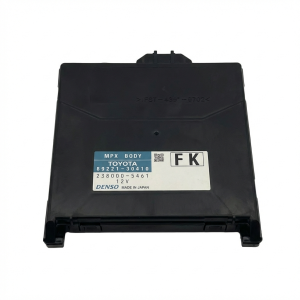


The information in this article is provided for general reference and educational purposes only. Vehicle specifications, procedures, and part compatibility can vary by production date, trim level, and region. Always consult your vehicle's factory service manual and verify part numbers before purchasing or performing repairs. Safety-critical components such as airbags, seat belts, and braking systems should be installed by a qualified professional.
- Lexus GS F:
- 🛍️ Shop This Part
- Symptoms of a Failing Power Steering Control Module
- Associated OBD-II Trouble Codes
- Known Issues, TSBs, and Recalls
- Buying a Used Power Steering Control Module
- Replacement and Programming Guide
- Part Location
- Replacement Steps
- Required Programming: Zero Point Calibration
- Cost Comparison
- Frequently Asked Questions
- 🎟️ Get 5% Off