

2011-2014 Sonata & 2014-15 Optima Power Steering Module Failure and Recall
This guide covers the common failures, recalls, and replacement nuances for the electronic power steering control module in the 2011-2014 Hyundai Sonata and 2014-2015 Kia Optima.
- A major recall (NHTSA #16V190000) was issued for 2011 Sonatas due to control module failure causing loss of power steering; models built after Oct 2010 have an improved part.
- Replacement modules MUST be programmed or calibrated to the vehicle, which often requires a dealer or specialized shop.
- The primary OEM part number to match is 56340-3Q000. Fitment can be VIN-specific, so exact matching is critical.
- A clicking noise when turning is likely a cheap, simple mechanical fix (the steering coupler), not this expensive electronic module.
Key Issues: 2011-2014 Hyundai Sonata & 2014-2015 Kia Optima
Owners of the 2011-2014 Hyundai Sonata and 2014-2015 Kia Optima may experience issues with the electronic power steering, often stemming from the Power Steering Control Module. These vehicles share a platform and key components, including the Motor Driven Power Steering (MDPS) system. While the most prominent issue led to a recall for the 2011 Sonata, similar symptoms can appear across all listed models.
Known Issues, Recalls, and Technical Service Bulletins (TSBs)
Hyundai Sonata (2011-2014)
Major Recall for 2011 Hyundai Sonata (NHTSA Campaign #16V190000): A significant recall was issued for approximately 173,000 2011 Sonatas built between December 11, 2009, and October 31, 2010. The problem was an inadequately protected circuit board inside the power steering control unit. Over time, exposure to the elements could damage the board, leading to a sudden and complete loss of power steering assist. The steering would revert to a much more difficult manual mode, increasing crash risk, especially at low speeds. The fix involved dealers replacing the entire EPS control unit free of charge.
For Sonatas built after October 31, 2010, Hyundai used a circuit board with an improved protective coating to prevent this specific failure.
Kia Optima (2014-2015)
While not subject to the same control module recall as the Sonata, the 2011-2014 Optima (which includes the years in this guide) has known steering issues covered by Technical Service Bulletins (TSBs):
- TSB CHA060: This bulletin addresses a "notchy" or sticking feeling in the steering wheel. The cause could be either a software glitch in the MDPS control unit or a fault in the steering motor itself. The dealer's solution is to either update the module's software or replace the steering gear assembly.
- TSB CHA044 / Customer Satisfaction Program CS1604: This addresses a clicking or noisy steering wheel, especially when stopped. The cause is a worn flexible coupling in the steering column. While this is a mechanical part, its symptoms can sometimes be confused with an electronic issue. The repair involves replacing the small, star-shaped rubber coupler.
Symptoms of a Failing Power Steering Control Module
A bad power steering control module can cause a range of symptoms. Be aware that some of these can also be caused by other failing parts in the steering system, like the electric motor or sensors.
- Sudden Loss of Power Steering: The most common and dangerous symptom is the intermittent or complete loss of power assist. The steering will suddenly become very heavy and difficult to turn, especially at low speeds.
- Power Steering Warning Light: A failure in the EPS system will almost always trigger the EPS or a steering wheel-shaped warning light on your dashboard.
- Inconsistent Steering Feel: You might notice the steering assist comes and goes, feeling normal one moment and heavy the next.
- Vibration in Steering Wheel: A failing module can send erratic signals, causing the steering motor to cycle rapidly and create a vibration felt in the wheel, particularly at low speeds.
- Whining or Clicking Noises: Erratic commands from the module can cause the electric motor to produce unusual whining or clicking sounds from the steering column area.
Associated OBD-II Codes
While a standard OBD-II scanner may not read detailed EPS codes, a more advanced scan tool might find codes related to the power steering system. A common generic code is P0637 - Power Steering Control Circuit High, which indicates a problem in the circuit. Hyundai/Kia specific codes often start with a "C" (for Chassis) and require a dealer-level scan tool for accurate diagnosis.
Buying a Used Power Steering Control Module
Given the high cost of a new module from the dealer, a used OEM part can be a cost-effective solution. However, for an electronic part like this, careful purchasing is key.
Compatibility Warning: Fitment is extremely specific. For the 2011 Hyundai Sonata, this module is specified for models with the 2.4L engine and where the 8th digit of the VIN is 'C'. For 2012-2014 models, it also fits vehicles with a 'C' as the 8th VIN digit. Always match the OEM part number from your original module exactly. Do not rely on visual similarity alone.
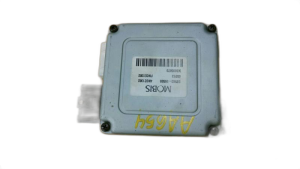
- Verify the Part Number: The most critical step. The primary OEM part number for this module is 56340-3Q000. You may also see alternate numbers like 3Q563-99580. Physically inspect your old module and match this number to the used part you are considering.
- Source from Recall-Free Vehicles: If possible, try to source a module from a 2012-2014 Sonata or a 2014-2015 Optima, as these were not part of the 2011 Sonata's circuit board recall and likely have the improved protective coating.
- Physical Inspection: Check the module for any signs of physical damage, corrosion on the pins, or evidence of water intrusion. The 2011 Sonata recall was due to environmental damage, so a clean, well-preserved part is essential.
- Ask About Programming: Be aware that this module will likely require programming or calibration to function correctly in your vehicle. Factor this potential cost into your purchase decision.
Programming & Installation
Does this module need to be programmed?
Yes, a replacement Power Steering Control Module will likely require programming or calibration. The module needs to be configured to your vehicle's specific options and communicate with other systems, such as the Steering Angle Sensor (SAS). Failure to calibrate the module can result in the power steering not working, warning lights staying on, and problems with the vehicle's stability control system. While some advanced independent shops may have the tools (like a GDS scanner) to perform this, it is often a dealer-level task. You should confirm with your mechanic before purchasing the part.
Replacement Overview
The Power Steering Control Module is typically integrated with the electric motor assembly on the steering column, located under the driver's side dashboard. Replacement involves removing the lower dash panels and knee airbag to access the steering column, disconnecting the electrical connectors, and unbolting the module/motor assembly. This is a moderately difficult job due to the tight space and the need to potentially remove the entire steering column. After physical installation, the calibration procedure must be performed.
Cost Breakdown
Prices can vary significantly based on the source of the part and local labor rates.
| Part/Service | Estimated Cost | Notes |
|---|---|---|
| New OEM Module | $300 - $760 | Price from a Hyundai/Kia dealership. |
| New Aftermarket Module | $250 - $450 | Availability may be limited. Quality can vary. |
| Used OEM Module | $75 - $200 | A cost-effective option, but ensure part numbers match and factor in programming costs. |
| Shop Labor (Replacement) | $150 - $300 | Estimated 1.5-2.5 hours of labor. Does not include programming. |
| Dealer Programming/Calibration | $100 - $200 | Typically a separate charge, even if you install the part yourself. |
Frequently Asked Questions (FAQ)
Can I drive my car with a bad power steering control module?
You can, but it is not recommended and can be dangerous. The vehicle will revert to manual steering, which requires significantly more physical effort to turn the wheel, especially at low speeds or in emergencies. If the power steering warning light is on, you should have the vehicle inspected immediately.
Will a module from a Sonata work in an Optima?
Yes, if the OEM part number (56340-3Q000) is an exact match. These vehicles share the same part, but you must verify the number on the module itself to ensure compatibility.
Is the clicking in my steering wheel the control module?
Probably not. A clicking noise when turning the wheel, especially when stopped, is a very common symptom of a worn flexible steering coupler. This is a separate, well-documented issue on these cars and is a much cheaper and simpler mechanical repair.
Why did my power steering stop working after a battery replacement or jump-start?
Electronic modules are sensitive to voltage spikes. A sudden surge or drop in voltage can sometimes damage the module's internal circuitry or cause it to lose its programming. If the issue started immediately after a battery service, the module may have been affected.
Technical Specifications
OEM Part Numbers: 56340-3Q000 3Q56399500 563403Q000 3R563998580 3Q563-99580
Electronic control unit for Motor Driven Power Steering (MDPS) system. Integrated with the steering column motor assembly.
We Have This Part in Stock



The information in this article is provided for general reference and educational purposes only. Vehicle specifications, procedures, and part compatibility can vary by production date, trim level, and region. Always consult your vehicle's factory service manual and verify part numbers before purchasing or performing repairs. Safety-critical components such as airbags, seat belts, and braking systems should be installed by a qualified professional.
- Hyundai Sonata:
- Kia Optima:
- 🛍️ Shop This Part
- Key Issues: 2011-2014 Hyundai Sonata & 2014-2015 Kia Optima
- Known Issues, Recalls, and Technical Service Bulletins (TSBs)
- Symptoms of a Failing Power Steering Control Module
- Associated OBD-II Codes
- Buying a Used Power Steering Control Module
- Programming & Installation
- Does this module need to be programmed?
- Replacement Overview
- Cost Breakdown
- Frequently Asked Questions (FAQ)
- 🎟️ Get 5% Off