

2013 Audi A4, A5, S4 & S5 Power Steering Module Failure: Diagnosis and Replacement Guide
Understanding the common causes of sudden power steering failure, associated warning lights, and the critical programming steps required for replacement.
- A replacement module (new or used) MUST be programmed to the vehicle by a dealer or specialist due to Audi's 'Component Protection' system.
- The most common symptom is a sudden loss of power steering with a 'Steering defective! Do not drive!' warning on the dash.
- Common causes of failure include water intrusion and internal electronic faults, often identified by OBD-II code B200000.
- Repairing your original module or cloning it to a used unit are cost-effective alternatives that can bypass the need for expensive dealer programming.
Symptoms of a Failing Power Steering Control Module
Failure of the power steering control module in a 2013 Audi A4, A5, S4, or S5 is typically not subtle. The most common sign is a sudden and complete loss of power steering assist, making the steering wheel feel extremely heavy. This is often accompanied by dashboard warnings.
- Sudden Heavy Steering: The primary symptom is the abrupt loss of power assist, requiring significant physical effort to turn the wheel, especially at low speeds.
- Dashboard Warning Lights: A red or yellow steering wheel icon will illuminate on the instrument cluster.
- Warning Messages: You will likely see a message on the driver information display stating, "Steering defective! Do not drive vehicle!"
- Associated OBD-II Trouble Codes: A scan tool will often reveal specific fault codes stored in the module. The most common are:
- B200000 / B200049: This code indicates an internal fault within the control module itself.
- C10AD29: This points to a fault with the motor position sensor, which is part of the steering rack assembly.
- DTC B116831: This code for the steering angle sensor may be logged in the ABS module due to a voltage drop or communication issue with the power steering module.
Known Issues, TSBs, and Recalls for 2013 Models
While there are no direct safety recalls for the power steering control module on these specific 2013 models, there are related service bulletins and a history of similar issues across the Audi lineup.
Common Failure Causes
Owners report that failures often happen under specific conditions:
- Water Intrusion: Driving through deep puddles or in very heavy rain or snow has been linked to module failure. The module is located on the steering rack, making it susceptible to moisture if seals are compromised.
- Cold Temperatures: Some failures are triggered by cold weather. Audi has issued recalls for other models like the SQ5 for power steering shutdown in cold temperatures, indicating a potential sensitivity in the system's design.
- Internal Electronic Failure: The module can simply fail due to internal component issues, such as faulty processors or cracked solder joints, leading to codes like B200000.
Technical Service Bulletins (TSBs)
A relevant TSB for these vehicles is 48K8, released in 2013. It addresses customer complaints of "slight irregularities" or a "notchy" feeling in the steering when driving straight, particularly around freezing temperatures. This TSB involves a software update for the power steering control module to improve steering comfort. It does not, however, address a complete loss of power steering.
Recalls
As of late 2023, there are no active NHTSA safety recalls specifically for power steering failure on the 2013 Audi A4, A5, S4, or S5. Recalls issued for these vehicles concern other components like the auxiliary heater, coolant pump, or airbags.
Programming, Installation, and Component Protection
This is the most critical part of replacing the power steering control module. You cannot simply swap a new or used module into the vehicle.
Warning: A replacement Power Steering Control Module (new or used) must be programmed to your vehicle. It is protected by Audi's 'Component Protection' system, an anti-theft measure that locks electronic modules to the original vehicle's VIN.
If you install a replacement module without proper programming, it will have limited or no functionality, and the power steering will not work. You have three main options:
- Dealer or Specialized Independent Shop: A dealership or a well-equipped independent shop with access to Audi's online diagnostic tools (ODIS) can remove the Component Protection and adapt the new or used module to your car. This is the most common method for installing a replacement unit.
- Cloning Service: Some specialized services can clone or transfer the data from your original, failed module to a compatible used module. This process copies the VIN, configuration, and calibration data. The cloned used module then becomes 'plug and play,' requiring no further programming upon installation. This requires sending both your original module and the replacement module to the service provider.
- Repair Your Original Module: Several companies offer a repair service for your existing module. You remove your module, send it in for repair of the internal fault, and then reinstall it. Since you are using your original module, no programming or Component Protection adaptation is needed.
Buying a Used Power Steering Control Module
Purchasing a used OEM module can be a cost-effective solution, but it's essential to understand the process. Given that a used module will require programming, the cost of that service must be factored in.
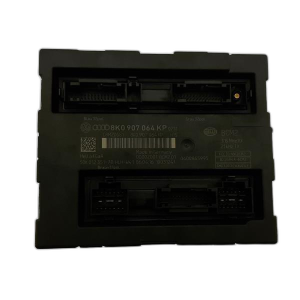
- Verify Part Numbers: Match the part number on your original module exactly. The primary part numbers for this application include 8K0907144E, 8K0907144G, 8K0907144H, 8K0907144L, and 8K0907144M. Newer revisions may also supersede these.
- Physical Inspection: When buying a used module, inspect the electrical connectors for any signs of corrosion, bent pins, or damage. Avoid any units that show signs of water intrusion or physical damage to the casing.
- Plan for Programming: Before purchasing, have a plan for programming. Contact your local Audi dealer or a trusted European auto specialist to confirm they can perform the Component Protection adaptation on a used part and get a quote for the service.
- Consider Cloning: If you plan to use a cloning service, ensure your original module is physically intact and can have its data read, even if it's not functioning correctly.
Cost Breakdown
The cost to resolve this issue varies significantly based on the path you choose. A full replacement at the dealership is the most expensive option.
| Item | Estimated Cost | Notes |
|---|---|---|
| New OEM Module (Part Only) | $950 - $1,200 | Price from an Audi dealership. |
| Used OEM Module (Part Only) | $150 - $400 | Price from online retailers like eBay. Requires programming. |
| Remanufactured / Repaired Module | $250 - $500 | Cost for a mail-in repair service for your original module. Avoids programming costs. |
| Shop Labor (Replacement & Programming) | $200 - $500+ | Labor to physically replace the module and perform the necessary Component Protection adaptation. |
| Total Dealer Replacement | $1,200 - $1,700+ | Includes new OEM part, labor, and programming. |
Frequently Asked Questions (FAQ)
Do I have to go to an Audi dealer to fix this?
Not necessarily. While a dealer can always perform the repair, a qualified independent shop with Audi-specific diagnostic tools (like ODIS) can program a replacement module. Alternatively, using a mail-in repair or cloning service for your module can bypass the need for dealer programming entirely.
Is it safe to drive with a failed power steering module?
No. While the vehicle is technically steerable, it requires a dangerous amount of physical effort, especially during emergencies or low-speed turns. The dashboard warning explicitly advises against driving. It is recommended to have the vehicle towed for repair.
Will replacing the whole steering rack fix the problem?
Yes, because the control module is attached to the rack. However, this is often unnecessary and extremely expensive. The failure is typically electronic (the module) rather than mechanical (the rack). A new steering rack assembly will also require Component Protection programming. Diagnosing the module as the specific point of failure can save you thousands of dollars.
Can I just clear the fault codes to fix it?
No. Fault codes like B200000 indicate a permanent internal hardware or software fault. Clearing the code will not resolve the underlying issue, and the fault will return immediately, leaving you without power steering.
Technical Specifications
OEM Part Numbers: 8K0907144E 8K0907144G 8K0907144H 8K0907144J 8K0907144L 8K0907144M 8K0907144N
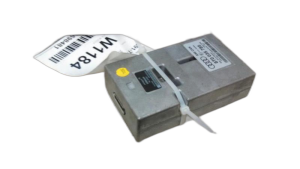
The module is also referred to as the J500 Control Module and is located on the electromechanical steering rack.
We Have This Part in Stock




The information in this article is provided for general reference and educational purposes only. Vehicle specifications, procedures, and part compatibility can vary by production date, trim level, and region. Always consult your vehicle's factory service manual and verify part numbers before purchasing or performing repairs. Safety-critical components such as airbags, seat belts, and braking systems should be installed by a qualified professional.
- Audi A4:
- Audi A5:
- Audi S4:
- Audi S5:
- 🛍️ Shop This Part
- Symptoms of a Failing Power Steering Control Module
- Known Issues, TSBs, and Recalls for 2013 Models
- Common Failure Causes
- Technical Service Bulletins (TSBs)
- Recalls
- Programming, Installation, and Component Protection
- Buying a Used Power Steering Control Module
- Cost Breakdown
- Frequently Asked Questions (FAQ)
- 🎟️ Get 5% Off