

2009-2012 Acura RL EPS Module: Failure Symptoms & Programming Guide
A detailed guide to diagnosing, replacing, and programming the Electronic Power Steering (EPS) control module for the 2009-2012 Acura RL.
- This module is ONLY for 2009-2012 Acura RL models with Electric Power Steering (EPS). Earlier 2005-2008 models use a different hydraulic system.
- A replacement module MUST be programmed using a professional scan tool (Honda HDS or equivalent) to perform a 'Torque Sensor Learn' procedure.
- The most common symptom of failure is heavy steering combined with a 'Check Power Steering System' warning light and DTC 32-09.
- Before replacing the module, always check for simple issues first, like a weak battery or a blown 70-amp EPS fuse.
Important: 2005-2008 vs. 2009-2012 Systems

Vehicle Compatibility Warning: The 2005-2012 Acura RL generation uses two different power steering systems. 2005-2008 Acura RL models use a speed-sensitive hydraulic power steering system. 2009-2012 Acura RL models use a full Electric Power Steering (EPS) system. This article and the associated part numbers are for the 2009-2012 EPS Control Module only. Issues like a leaking power steering hose recall apply only to the earlier 2005-2008 models.
Symptoms of a Failing Power Steering Control Module

Failure of the EPS control module is usually obvious and presents significant symptoms. The most common signs point to a loss of communication or an internal fault within the module itself.
- "Check Power Steering System" Message: The most direct indicator is a warning message appearing on the multi-information display.
- EPS Warning Light: An illuminated light on the instrument cluster, often shaped like a steering wheel with an exclamation mark, indicates a fault in the EPS system.
- Heavy or Stiff Steering: The most common physical symptom is a sudden or intermittent loss of power assist, making the steering wheel extremely difficult to turn, especially at low speeds or when stopped.
- Intermittent Failure: The steering may feel heavy one moment and return to normal the next. This inconsistency often points to an electronic fault rather than a mechanical one.
- Audible Noises: In some cases, a failing module may send erratic signals to the steering motor, causing clicking or whining sounds from the steering column area.
Associated Diagnostic Trouble Codes (DTCs)
A professional scan tool that can read Acura-specific codes is necessary for proper diagnosis. The most common code pointing directly to module failure is:
- DTC 32-09 (Motor Current Correlation): This code indicates a problem with the internal current sensor in the EPS control unit and is a strong sign that the module itself has failed.
- Other related codes may include 32-08 (EPS control unit internal circuit) or 61-04 (open/short in the EPS motor harness).
Diagnosing the Power Steering Problem

Before condemning the control module, perform these preliminary checks, as other issues can cause similar symptoms.
- Check Battery Voltage: The EPS system draws a significant amount of electrical current. A weak or failing battery, or a poor alternator, can cause low system voltage, prompting the EPS module to shut down to protect itself. Check the battery with a multimeter; it should read around 12.6 volts with the engine off and 13.8-14.4 volts with the engine running.
- Inspect the EPS Fuse: There is a main 70-amp fuse for the EPS system located in the under-hood fuse box. Check to ensure this fuse is not blown.
- Scan for Codes: Use an Acura-compatible scan tool to check for the specific DTCs stored in the EPS module. The presence of code 32-09 is a very strong indicator that the module needs to be replaced.
Programming and Calibration: A Mandatory Step

Warning: A replacement Power Steering Control Module—whether new or used—must be programmed to the vehicle after installation. Failure to do so will result in a non-functioning or improperly functioning power steering system.
The required procedure is called the "Torque Sensor Learn" or "Torque Sensor Neutral Position Memorization." This calibration process teaches the new module the neutral or straight-ahead position of the steering wheel and steering rack.
- Required Tool: This procedure can only be performed with a Honda Diagnostic System (HDS) scan tool or a high-end professional aftermarket scanner with the correct Acura-specific software.
- DIY Feasibility: While the physical replacement of the module can be done by a skilled DIY mechanic, the final programming step requires a professional-level tool. You will need to take the vehicle to a dealership or a well-equipped independent shop to have the calibration performed.
- Immobilizer Link: The EPS control module is not linked to the vehicle's anti-theft or immobilizer system, so a key reprogram is not necessary for this specific part replacement.
Buying a Used Power Steering Control Module
A used OEM module from a reputable recycler is an excellent, cost-effective alternative to a new dealer part. Since these are electronic components, here’s what to look for:
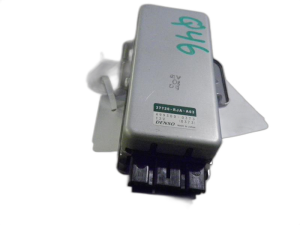
- Match Part Numbers Exactly: Ensure the part number on the replacement module matches your original unit. While several part numbers may be compatible, an exact match is the safest bet. Known part numbers include 39260-SJA-A01, 39260-SJA-A012, 39260-SJA-A012M1, 39260-SJA-A02, and 39260-SJA-A03.
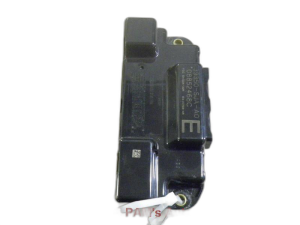
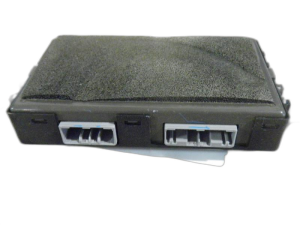
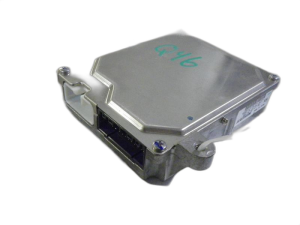
- Inspect for Damage: Check the module's casing for any cracks or signs of being opened. Most importantly, inspect the connector pins to ensure they are straight, clean, and free of any corrosion or water damage.
- Source from a Reputable Seller: Purchase from a seller that offers a warranty and a clear return policy. This protects you in case the part is defective.
- Why Used OEM is a Smart Choice: For complex electronics, a used original equipment part is often more reliable than a new, cheap aftermarket version. The OEM hardware has been tested to meet Acura's standards, and failures are often due to specific component issues rather than poor overall build quality.
Replacement Overview

The EPS control module is located on the passenger side of the vehicle, up under the dashboard behind the glove box.
Pro Tip: Always disconnect the negative battery terminal before beginning any work on electronic modules.
- Disconnect the vehicle's battery.
- Remove the passenger-side kick panel and lower trim.
- Remove the glove box assembly to gain access to the area behind it.
- The module is typically held in place by three bolts. Disconnect the electrical connectors.
- Remove the bolts and take out the old module.
- Install the replacement module, secure the bolts, and reconnect the electrical harnesses.
- Reassemble the glove box and trim panels.
- Reconnect the battery.
- The vehicle must then be taken for the mandatory Torque Sensor Learn procedure.
| Part Type | Estimated Cost |
|---|---|
| New OEM Module | $400 - $610 |
| Used OEM Module | $40 - $120 |
| Shop Labor (Physical Swap) | $150 - $250 |
| Shop Labor (Programming/Calibration) | $100 - $200 |
| Total Estimated Cost (with Used Part) | $290 - $570 |
Frequently Asked Questions (FAQ)
Do I have to program a replacement EPS module for my 2010 Acura RL?
Yes, absolutely. A "Torque Sensor Learn" procedure must be performed using a professional scan tool like the Honda HDS. Without this step, the power steering will not work correctly.
Why is my 2007 Acura RL's power steering different from a 2009 model?
The 2005-2008 Acura RL uses a hydraulic power steering system, which has a pump, fluid, and hoses. The 2009-2012 models switched to a fully Electric Power Steering (EPS) system, which uses a control module and an electric motor. They are fundamentally different systems.
Can I drive my Acura RL if the EPS module has failed?
Yes, but it is not recommended for long distances. The steering will become extremely heavy and difficult to manage, especially at low speeds, in parking lots, or during emergency maneuvers. This poses a significant safety risk.
Where is the power steering control module located on a 2009-2012 Acura RL?
It is located behind the glove box on the passenger side of the vehicle, mounted high up on the firewall. Access requires removing the glove box and surrounding trim panels.
Technical Specifications
OEM Part Numbers: 39260-SJA-A01 39260-SJA-A012 39260-SJA-A012M1 39260-SJA-A02 39260-SJA-A03
System Type: Electric Power Steering (EPS). Location: Passenger side, behind glove box.
We Have This Part in Stock



The information in this article is provided for general reference and educational purposes only. Vehicle specifications, procedures, and part compatibility can vary by production date, trim level, and region. Always consult your vehicle's factory service manual and verify part numbers before purchasing or performing repairs. Safety-critical components such as airbags, seat belts, and braking systems should be installed by a qualified professional.
- Acura RL:
- 🛍️ Shop This Part
- Important: 2005-2008 vs. 2009-2012 Systems
- Symptoms of a Failing Power Steering Control Module
- Associated Diagnostic Trouble Codes (DTCs)
- Diagnosing the Power Steering Problem
- Programming and Calibration: A Mandatory Step
- Buying a Used Power Steering Control Module
- Replacement Overview
- Frequently Asked Questions (FAQ)
- 🎟️ Get 5% Off