

2013-2014 Nissan Quest Sliding Door Module: Solving Failures and Programming
Your definitive guide to diagnosing, replacing, and understanding the critical compatibility and programming requirements for the 2013-2014 Quest power sliding door control module.
- This module fits 2013 Quests and 2014 Quests made ONLY up to March 2014.
- Replacement modules (both new and used) MUST be programmed/initialized to the vehicle by a dealer or qualified shop with a Nissan-compatible scan tool.
- Always match the OEM part number from your original module to the replacement to ensure compatibility.
- Symptoms like an inoperative door can also be caused by cheaper-to-fix issues like bad switches, frayed cables, or a faulty motor, so diagnose carefully before replacing the module.
Symptoms of a Failing 2013-2014 Quest Sliding Door Control Module
When the sliding door control module begins to fail, it can cause a range of frustrating issues. Because the module controls all electronic aspects of the door, symptoms can be electrical and sometimes mimic mechanical problems. Pay attention to these specific signs:
- Door is Completely Unresponsive: Pressing the open/close buttons on the dash, B-pillar, or key fob does nothing. You may not hear a click or any sound from the door.
- Intermittent Operation: The door works sometimes but not others, requiring multiple button presses to respond. This can be a sign of failing internal electronics within the module.
- Door Opens or Closes on Its Own: In rare cases, a faulty module can send incorrect signals, causing the door to operate unexpectedly.
- Beeping Noises Without Door Movement: The system may beep as if it's about to operate, but the door doesn't move. This often indicates the module has detected a fault in the system.
- 'CHECK SLIDING DOOR' Warning Light: A persistent warning light on the instrument cluster is a direct indicator that the vehicle's computer system has logged a fault related to the sliding door.
- Door Fails to Latch or Unlatch: The module controls the electronic latches. If it fails, the door may not pull itself fully closed or may not release when you try to open it.
One specific diagnostic trouble code (DTC) associated with these systems is B2246, which points to a short to ground in the door ajar circuit, indicating an electrical problem that could stem from the module or its wiring.
Warning: Similar symptoms, like a door that struggles to move or makes grinding noises, can also be caused by a failing door motor, frayed cables, or problems with the door track and rollers. It's important to rule out these mechanical issues before condemning the control module.
Known Issues, TSBs, and Recalls
As of mid-2024, there are no specific recalls from the National Highway Traffic Safety Administration (NHTSA) for the power sliding door control module itself on the 2013-2014 Nissan Quest. However, it's always wise to check for the latest recall information using your vehicle's VIN on the NHTSA website.
While not directly about the control module, Nissan did issue a voluntary service campaign (ID P0A08) for 2011-2015 Quest models related to the ABS actuator, which involved inspecting the system and replacing the brake fluid. This is unrelated to door function but is relevant service history for the vehicle generation.
Programming and Installation Requirements
This is the most critical information for anyone replacing this module. The Power Sliding Door Control Module on a 2013-2014 Nissan Quest is NOT a simple plug-and-play part.
- Programming Required: After installation, a new or used module must be programmed or initialized to the vehicle. This process syncs the module with the vehicle's main computer (Body Control Module or BCM) and teaches it the specific operational parameters and limits of the door.
- Dealer or Specialized Shop: This programming requires a high-level diagnostic scan tool, like the Nissan CONSULT tool used by dealerships. Most DIY-grade OBD-II scanners cannot perform this function. Therefore, a trip to a Nissan dealer or a well-equipped independent shop is almost always necessary.
- Initialization Procedure: The process typically involves connecting the scan tool, navigating to the door module settings, and running a learning or initialization function. This may also involve manually cycling the door to set the open and close limits. Disconnecting the battery for an extended period can sometimes trigger the need for this reset procedure as well.
Pro Tip: The physical replacement of the module is straightforward for a DIY mechanic. It is typically located behind the interior trim panel in the rear quarter panel area on the same side as the door it controls. You can save on labor by installing the part yourself and then taking the vehicle to a shop for the final programming step.
Buying a Used 2013-2014 Quest Sliding Door Module
A used OEM module is an excellent, cost-effective alternative to an expensive new part. However, careful purchasing is key to avoiding compatibility problems.
1. The Critical Production Date Cutoff
This is the most important rule: This module fits 2013 Quest models and 2014 Quest models manufactured up to March 2014. It will not work on models built from April 2014 onward. Always verify the production date of the donor vehicle or match part numbers exactly.
2. Match Your Part Number
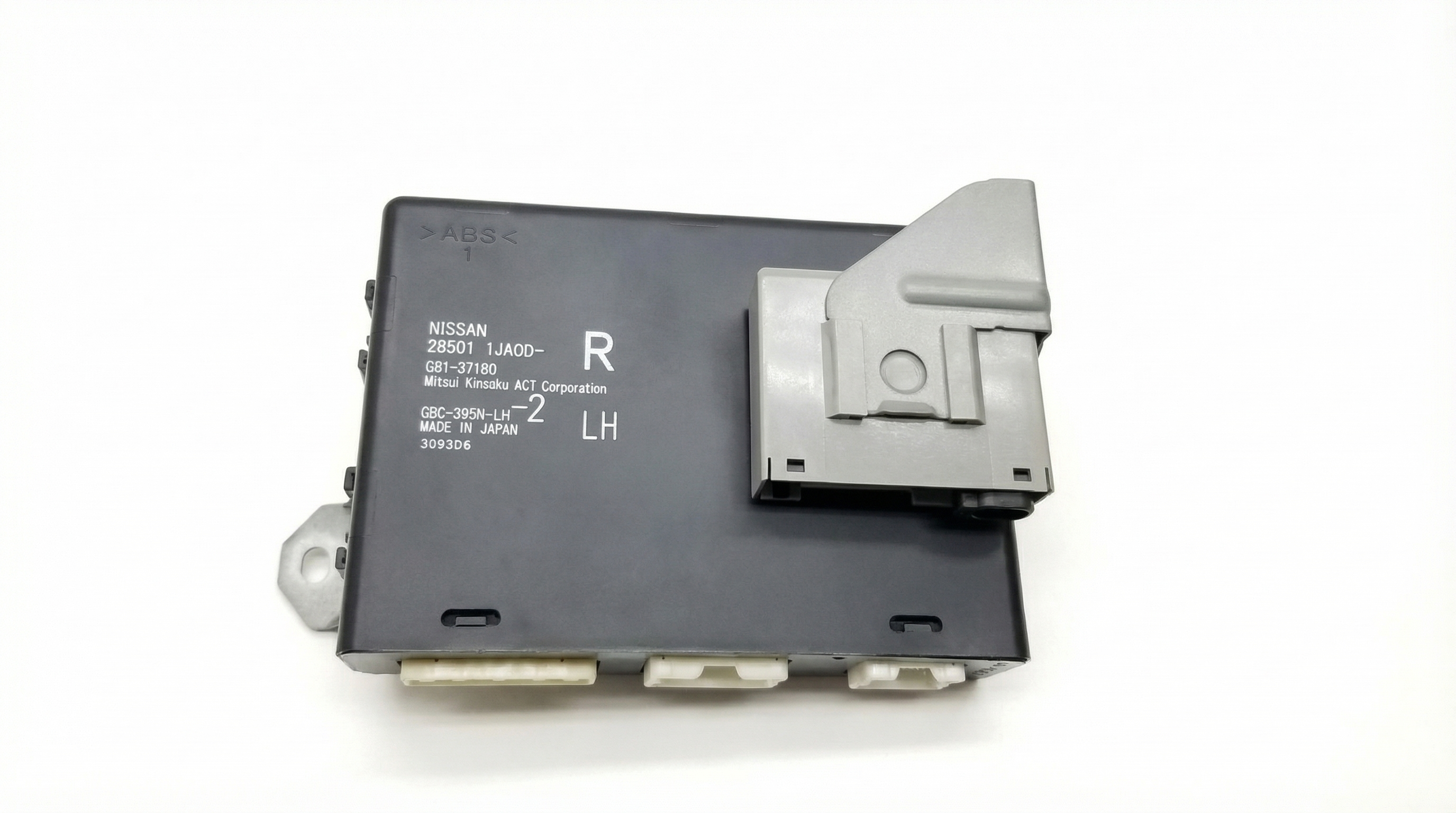
The best way to ensure compatibility is to remove your original module and match the part number directly. Known OEM part numbers for this period include:
- 284B1-1JA2A
- 284B1-1JA3A
- 284B1-1JA4A
- 284B1-1JA5A
- 284B1-1JA6A
- 285D1-1JA0D
Some of these numbers may supersede others. For example, 284B1-1JA6A is listed as a replacement for -1JA3A, -1JA4A, and -1JA5A. The part number 285D1-1JA0D is also commonly cited for the left (driver's side) door module.
3. Physical Inspection
When buying a used module, inspect it for:
- No Water Damage: Look for any signs of corrosion, water stains, or mineral deposits on the casing or connectors. Water intrusion is a common cause of electronic module failure.
- Intact Connectors: Ensure all pins are straight, clean, and not broken. The plastic connector housings should be free of cracks.
- Clean Casing: While minor scuffs are normal for a used part, avoid modules that show signs of being dropped or having a cracked case.
Cost Comparison: New vs. Used
Prices can vary, but here is a general breakdown of what to expect.
| Part Type | Estimated Cost |
|---|---|
| New OEM | $620 - $940 |
| New Aftermarket | Not commonly available |
| Used OEM | $40 - $170 |
| Shop Labor (Installation) | $100 - $200 |
| Shop Labor (Programming) | $120 - $250 |
Frequently Asked Questions (FAQ)
Do I have to program a used sliding door module?
Yes, in almost all cases. The module needs to be initialized to your vehicle's VIN and specific configuration using a professional scan tool to function correctly.
Where is the power sliding door control module located on a 2013-2014 Quest?
It is located in the rear of the vehicle, behind the interior quarter panel trim on the side of the affected door.
Can I just turn off the power door and use it manually?
Yes. There is a "POWER DOOR MAIN ON/OFF" switch on the lower left side of the instrument panel. Turning this off will disable the power function, allowing you to operate the door manually. 🎬 See how to operate and manage the Nissan Quest sliding doors This is a good temporary solution if the module is acting erratically.
Why won't my driver's side sliding door open?
Check if the fuel filler door is open. As a safety feature, the driver's side power sliding door will not operate if the fuel door is open. A warning chime will sound if you try.
Helpful Videos
Technical Specifications
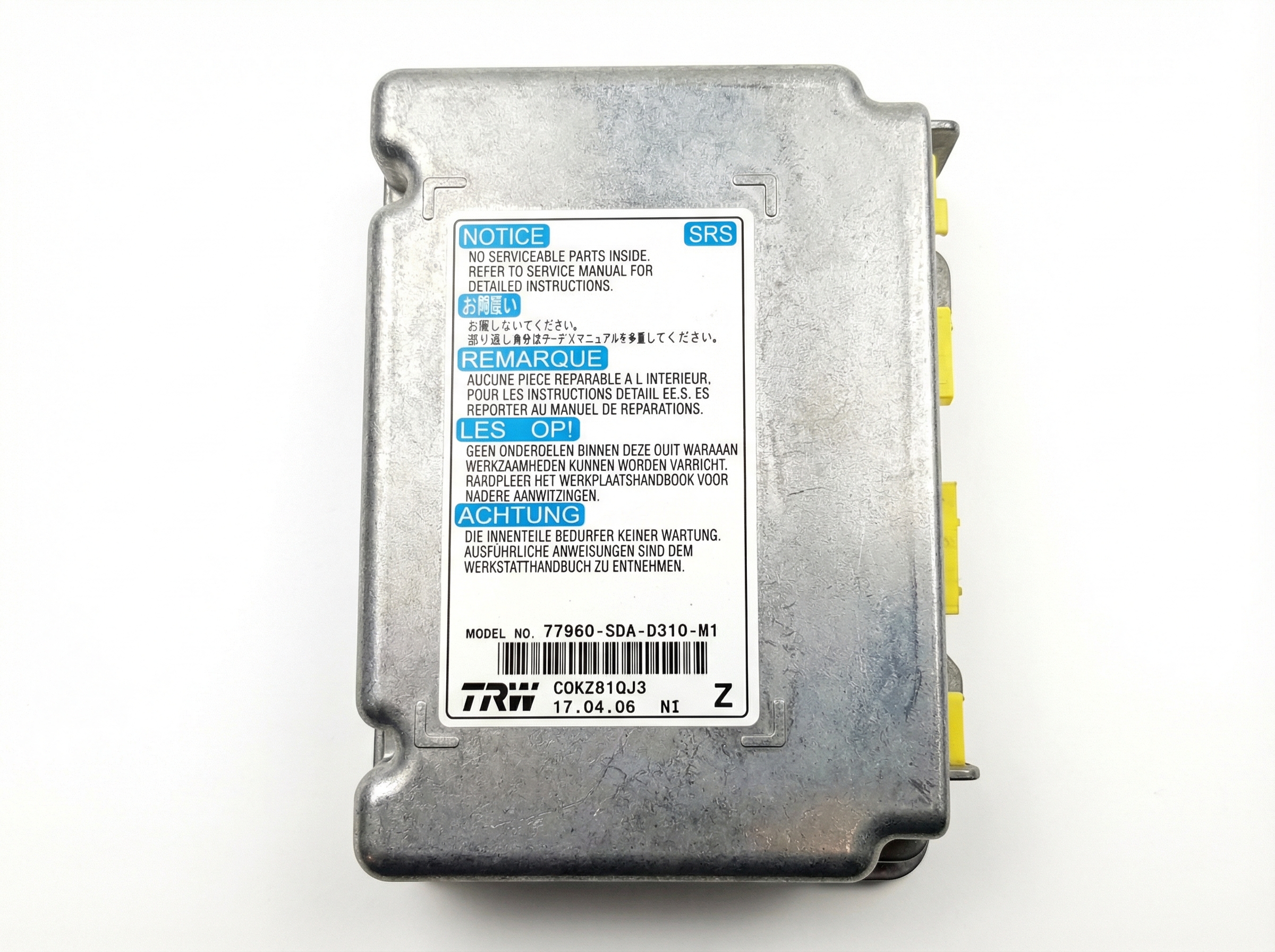
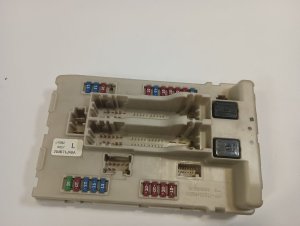
OEM Part Numbers: 284B1-1JA2A 284B1-1JA3A 284B1-1JA4A 284B1-1JA5A 284B1-1JA6A 285D11JA0D
Controls power sliding door motor, latches, and sensors. Requires vehicle-specific programming after installation.
We Have This Part in Stock




The information in this article is provided for general reference and educational purposes only. Vehicle specifications, procedures, and part compatibility can vary by production date, trim level, and region. Always consult your vehicle's factory service manual and verify part numbers before purchasing or performing repairs. Safety-critical components such as airbags, seat belts, and braking systems should be installed by a qualified professional.
- Nissan Quest:
- 🎬 Helpful Videos
- 🛍️ Shop This Part
- Symptoms of a Failing 2013-2014 Quest Sliding Door Control Module
- Known Issues, TSBs, and Recalls
- Programming and Installation Requirements
- Buying a Used 2013-2014 Quest Sliding Door Module
- 1. The Critical Production Date Cutoff
- 2. Match Your Part Number
- 3. Physical Inspection
- Cost Comparison: New vs. Used
- Frequently Asked Questions (FAQ)
- 🎟️ Get 5% Off