

2017-2022 Ford Super Duty Power Inverter Guide: Why Your 110V Outlets Are Dead
A complete guide to diagnosing, replacing, and buying a used 400-watt power inverter for your 2017-2022 Ford F-250, F-350, F-450, or F-550 Super Duty.
- The most common issue is a flashing light, which means you've overloaded the inverter. Its output drops from 400W (parked) to 300W (driving).
- Before buying a replacement, always check the 60-amp inverter fuse in the under-hood fuse box.
- When buying a used unit, verify the part number and confirm it's from a truck with the same cab style (Crew Cab, SuperCab, etc.) to ensure fit.
- This part is plug-and-play and does not require dealer programming after installation.
Symptoms of a Failing Power Inverter


When the power inverter fails or enters a fault mode, the symptoms are usually straightforward. Here are the most common signs that your inverter needs attention.
1. AC Power Outlets Are Completely Dead
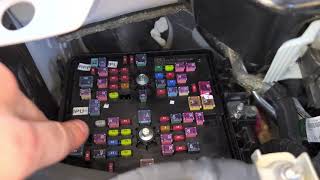
The most obvious symptom is when you plug a device into the 110V/120V outlets and get no power. The indicator light on the outlet will be off. Before assuming the inverter itself is bad, it's critical to check the related fuses. For 2017-2022 Super Duty trucks, there is typically a large 60-amp J-case fuse for the inverter located in the under-hood fuse box (also called the Battery Junction Box or BJB). If this fuse is blown, the inverter will not receive power.
🎬 Watch: How to find and check your inverter fuses2. Flashing Amber/Yellow Outlet Light
If the indicator light on the power outlet is flashing, the inverter has entered a fault mode. This is a protective measure and is most often caused by one of two things:
- Overload: You've plugged in a device that draws more than the inverter's wattage limit (400W when parked, 300W when driving). High-draw items like heaters or large power tools can easily trigger this.
- Overheat: The inverter module itself has exceeded its safe operating temperature, which can happen during heavy use or if its ventilation is blocked.
To reset a fault, you must unplug the device and cycle the vehicle's ignition off and then on again. If the light continues to flash even with no device plugged in, the inverter module itself may have an internal short or failure.
3. Certain Devices Won't Work
Some owners report that certain electronics, particularly some brands of power tool chargers or sensitive laptops, will not work even if they are under the wattage limit. This is because the factory inverter produces a Modified Sine Wave output, not a Pure Sine Wave. A modified sine wave is a choppier form of AC power that some sensitive electronics cannot use. This is a limitation of the part's design, not necessarily a symptom of failure.
4. DTC B1330 Stored in Memory
If you scan the truck's modules with a diagnostic tool like FORScan, a failing or faulty inverter can store the code B1330, which points directly to a problem with the DC/AC Inverter Module.
Pro Tip: The inverter's power output is reduced from 400 watts to 300 watts as soon as you put the truck in drive. If you have a device that works while parked but immediately causes a fault when you start moving, it likely draws between 300 and 400 watts.
Known Issues, TSBs, and Recalls

As of early 2026, there are no specific recalls or Technical Service Bulletins (TSBs) from Ford or the NHTSA for the power inverter module itself on 2017-2022 Super Duty trucks. Most reported "issues" are related to the design limitations of the 300/400-watt output and its modified sine wave signal, rather than a widespread defect.
Buying a Used Power Converter: What to Check

A used OEM power inverter is an excellent, cost-effective alternative to an expensive new part, especially since direct-fit aftermarket replacements are not readily available. Here’s what to look for when buying a recycled unit.
1. Verify Compatibility by Part Number and Cab Style
This is the most critical step. While the same inverter is used across the F-250, F-350, F-450, and F-550, compatibility can depend on your truck's cab style.
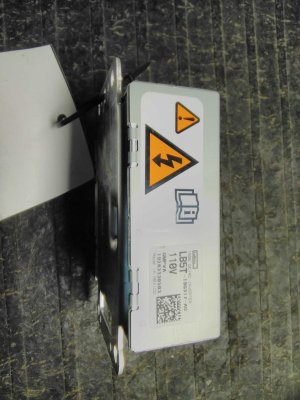
- Part Numbers: Match the part number on your original inverter to the one you are buying. Common part numbers include HC3T-19G317-BEW, HC3T-19G317-BGW, HC3T-19G317-BHW, and HC3Z-19G317-BC. The number is printed on a sticker on the unit's case. Part number HC3Z-19G317-BC is a common service replacement that supersedes older versions like HC3Z-19G317-BB.
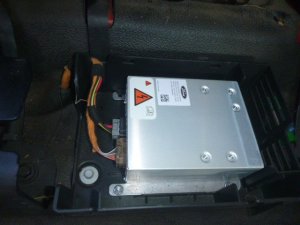
- Cab Style: The mounting brackets and wiring harness length can differ. Most used parts come from Crew Cab or SuperCab (Extended Cab) trucks, where the inverter is located under or behind the rear passenger seat. If you have a Regular Cab, verify the location and part number carefully, as fitment may be different.
2. Physical Inspection
When you have the part in hand, perform a careful inspection:
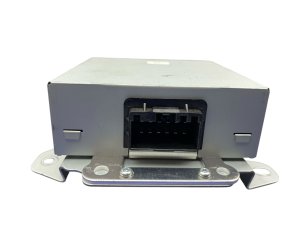
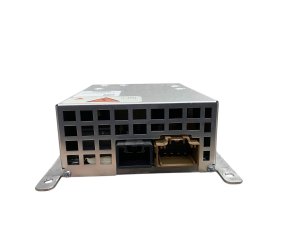
- Check the Connectors: Look for any signs of corrosion (green or white powder), bent pins, or melted plastic on all electrical connection ports. A bad connection can cause intermittent issues or no power at all.
- Inspect the Case: The module is housed in a metal case that acts as a heat sink. Look for major dents, cracks, or signs that the case has been pried open.
- Look for Water Damage: Water is the enemy of electronics. Check for any rust, water stains, or mineral deposits on the case or in the connectors. The inverter's location under the rear seat makes it vulnerable to spills or leaks into the cab.
3. Why a Used OEM Unit is a Smart Choice
For a part like this, a used OEM module is often a better choice than a generic aftermarket inverter. The OEM unit is designed to integrate perfectly with your truck's wiring, mounting points, and computer systems. A generic inverter would require cutting and splicing wires, custom mounting, and would not work with the factory outlets or indicator lights without significant modification.
Replacement Overview & Difficulty
Replacing the power inverter is a straightforward job suitable for a DIYer with basic tools. The module is typically located behind the rear passenger-side seat back or under the rear seat itself in Crew Cab and SuperCab models.
General Steps:
- Disconnect the Battery: Always disconnect the negative battery terminal(s) before working on any electrical components.
- Access the Inverter: This is the most time-consuming part. You will need to fold down or remove the rear passenger-side seat to access the trim panel or load floor area where the inverter is mounted.
- Remove the Old Unit: Unplug the three electrical connectors (one for 12V power, one for 110V output, and one for control signals). Then, unbolt the module from its mounting bracket.
- Install the New Unit: Bolt the replacement inverter in place, reconnect the three electrical connectors, and re-install the seat and any trim panels.
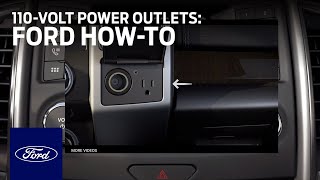
- Test: Reconnect the battery, turn the ignition on, and test the outlets with a small device like a phone charger. The outlet indicator light should be solid green or amber. 🎬 See this official guide on using your power outlets
Installation Difficulty: 2 out of 5 (Easy to Moderate)
Estimated Time: 1 - 1.5 hours
Warning: No special programming is required when replacing this module. It is a plug-and-play component.
Cost Comparison
Prices can vary, but this gives a general idea of what to expect.
| Part Type | Estimated Cost |
|---|---|
| New OEM | $290 - $400 |
| Used OEM | $75 - $150 |
| New Aftermarket | Not Available (Direct-Fit) |
| Shop Labor | $120 - $200 |
Frequently Asked Questions (FAQ)
Where is the power inverter located on my 2017-2022 Super Duty?
In Crew Cab and SuperCab models, the power inverter module is located behind or under the rear passenger-side seat. You will need to remove or fold the seat to access it.
Why is the light on my 110V outlet flashing?
A flashing light indicates the inverter is in fault mode, usually because the device you plugged in is drawing too much power (over 400W parked, 300W driving) or the inverter has overheated. Unplug the device and turn the truck off and on to reset it.
Can I replace the 400-watt inverter with a more powerful one?
Not easily. While you can install a high-power aftermarket inverter, it cannot be directly swapped with the factory unit. It would require running new, much heavier gauge wires directly from the battery, finding a new mounting location, and it would not integrate with the factory in-dash outlets.
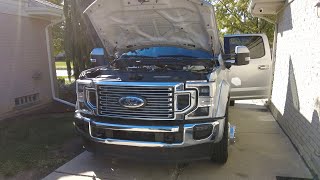
🎬 Watch: A workaround for the weak factory inverterDo I need to program a replacement power inverter?
No. The power inverter is a plug-and-play module and does not require any programming or calibration by a dealer after installation.
Helpful Videos
Technical Specifications
OEM Part Numbers: HC3T-19G317-BEW HC3T-19G317-BGW HC3T-19G317-BHW HC3Z-19G317-A HC3Z-19G317-BC HC3Z19G317BB
Output: 110V AC, 400 Watts (Parked), 300 Watts (Driving). Output Waveform: Modified Sine Wave.
We Have This Part in Stock

The information in this article is provided for general reference and educational purposes only. Vehicle specifications, procedures, and part compatibility can vary by production date, trim level, and region. Always consult your vehicle's factory service manual and verify part numbers before purchasing or performing repairs. Safety-critical components such as airbags, seat belts, and braking systems should be installed by a qualified professional.
- Ford F-250 Super Duty:
- Ford F-350 Super Duty:
- Ford F-450 Super Duty:
- Ford F-550 Super Duty:
- 🎬 Helpful Videos
- 🛍️ Shop This Part
- Symptoms of a Failing Power Inverter
- 1. AC Power Outlets Are Completely Dead
- 2. Flashing Amber/Yellow Outlet Light
- 3. Certain Devices Won't Work
- 4. DTC B1330 Stored in Memory
- Known Issues, TSBs, and Recalls
- Buying a Used Power Converter: What to Check
- 1. Verify Compatibility by Part Number and Cab Style
- 2. Physical Inspection
- 3. Why a Used OEM Unit is a Smart Choice
- Replacement Overview & Difficulty
- Cost Comparison
- Frequently Asked Questions (FAQ)
- 🎟️ Get 5% Off