

2011-2017 F-150 & Raptor Power Inverter: Fixing Your Dead 110V Outlets
This guide covers the common causes of failure for the 110V power inverter in the 2011-2017 Ford F-150 and 2011-2014 F-150 Raptor, from simple fuse checks to full module replacement.
- The most common cause of dead 110V outlets is a blown fuse, not a failed inverter. Always check fuses first.
- This inverter only fits 4-door SuperCab and SuperCrew models under the rear seat; it does not fit 2-door Regular Cab trucks.
- The factory inverter is not compatible with all devices, especially some power tool chargers, due to its modified sine wave output.
- Replacement is very easy (Difficulty 1/5) and can be done in under 30 minutes with basic hand tools.
Symptoms of a Failing Power Inverter

Diagnosing a problem with your truck's 110V outlets often starts with simple observation. The most common issue is a completely dead outlet, but the warning signs can be more subtle.
- No Power at Outlets: The most obvious symptom is when you plug in a device and get no power. The small LED indicator light next to the outlet will not be lit.
- Flashing Amber/Orange Light: The LED indicator light by the outlet may flash, often in an amber or orange color. This typically signals a fault condition. It can mean the system is overloaded (the device you plugged in draws too much power), there is a short in the circuit, or the inverter itself has an internal problem.
- Works Intermittently: The outlet may provide power for a few moments and then cut out. This can be caused by the inverter overheating due to load or an internal failure, or a loose electrical connection.
- Low Voltage Output: In some rare cases, the inverter may produce a lower-than-expected voltage (e.g., 90V instead of 110-120V). While some devices might still function, others will not charge or operate correctly. This is often an internal fault within the inverter module.
Diagnosing the Problem: Is It Really the Inverter?


Before you replace the inverter module, it's critical to rule out simpler, more common issues. Follow these steps in order.
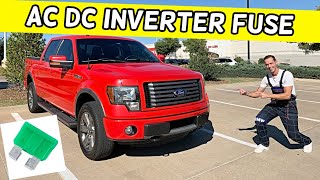
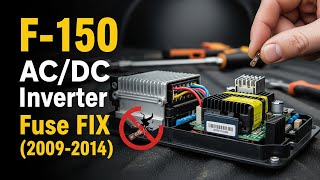
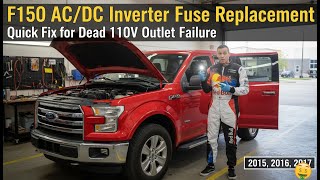
- Check the Fuses: A blown fuse is the most common reason for a dead 110V outlet. First, check the device you plugged in to make sure it didn't cause the issue. Then, inspect the fuses. For 2011-2014 F-150 and Raptor models, check fuse #33 in the under-hood fuse box. 🎬 Watch: How to find and replace the 2009-2014 inverter fuse. For 2015-2017 F-150 models, check fuse #23 in the fuse panel located in the passenger-side kick panel. 🎬 See this quick fuse replacement guide for 2015-2017 models. Always replace a blown fuse with one of the same amperage rating. If the new fuse blows immediately, you have a short circuit that needs to be diagnosed.
- Test with a Different Device: The factory inverter is a 'modified sine wave' inverter, which is not compatible with all electronics. Some sensitive devices or specific types of battery chargers (especially for power tools) may not work correctly and can trip the inverter's internal protection. Try a simple, low-power device like a phone charger to see if the outlet works.
- Let it Cool Down: If you overloaded the inverter, it may have an internal breaker that will reset itself after it cools down. Turn the truck off, unplug everything from the outlets, wait 10-15 minutes, and try again.
- Inspect Connectors: On trucks with bed-mounted power outlets, the wiring connectors under the bed are exposed to the elements and can become loose or corroded, causing all outlets to stop working. Even on trucks without a bed outlet, it's worth checking the electrical connectors on the inverter module itself for any signs of corrosion or damage.
If you've gone through all these steps and the outlets are still dead, the power inverter module itself is the most likely culprit.
Compatibility Warning: This power inverter module is only for 2011-2017 Ford F-150 and 2011-2014 Ford F-150 Raptor models originally equipped with the 110V power outlet option. It fits 4-door SuperCab and SuperCrew models only. The module is located under the rear seat and will not fit 2-door Regular Cab models.
Buying a Used Power Converter

Purchasing a used OEM power inverter is a cost-effective way to restore your truck's 110V outlets. Because these modules have no moving parts, a good used unit from a reputable source is often a reliable choice, especially compared to cheaper aftermarket alternatives which may have questionable quality.
What to Check Before You Buy:
- Verify the Part Number: Ford used several part numbers for this inverter over the years. Match the part number from your original unit or use a catalog to ensure the replacement is correct for your truck's year and options.
- Inspect the Connectors: Look closely at the electrical connector pins on the used module. They should be clean, straight, and free of any green or white corrosion. Corroded pins indicate the donor vehicle may have had water leaks, and the module could be damaged.
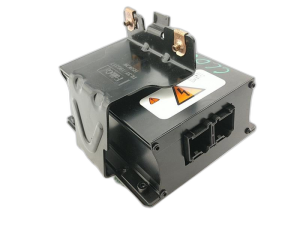
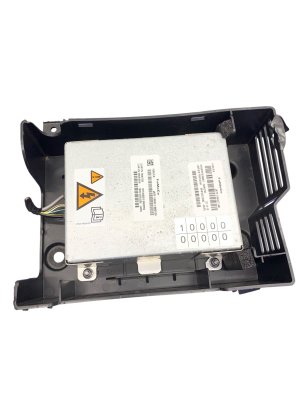
- Check the Casing: Inspect the aluminum casing for any signs of physical damage, deep scratches, or evidence that it has been opened. The unit should be sealed.
- Ask About the Donor Vehicle: If possible, find out the mileage of the vehicle the part came from. While these are solid-state electronics, choosing a part from a lower-mileage truck is always preferable. Also, confirm the donor vehicle was not in a flood.
Cost of Replacing a Power Converter (2011-2017 F-150)
| Part Type | Estimated Cost |
|---|---|
| New OEM | $185 - $300 |
| New Aftermarket | $150 - $250 |
| Used OEM | $30 - $100 |
| Shop Labor | $50 - $100 |
Replacement Guide
Replacing the power inverter is a relatively simple job that most DIYers can complete in under 30 minutes. It is rated as a 1 out of 5 on a difficulty scale.
Pro Tip: Before starting, disconnect the negative terminal of your truck's battery to prevent any electrical shorts.
- Locate the Inverter: The module is located under the rear seat, typically on the driver's side in SuperCrew and SuperCab models. You will need to lift the bottom cushion of the rear seat to gain access.
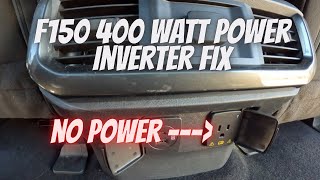
- Remove Mounting Bolts: The inverter is held in place by a few bolts. Based on owner experiences, these are typically a mix of 8mm and 10mm hex-head bolts. Remove them to free the module from its mounting bracket. 🎬 Watch this easy walkthrough to replace your 400-watt inverter module.
- Disconnect Electrical Connectors: Carefully unplug the two electrical connectors attached to the inverter. There is a larger DC power connector and a smaller control connector. Press the release tabs firmly and pull the connectors straight out.
- Install the New Module: Position the replacement inverter, plug in the two connectors until they click securely, and reinstall the mounting bolts.
- Reconnect and Test: Reconnect the battery terminal. Turn the ignition on and test the 110V outlets with a known-good, low-power device. The LED indicator should light up, and the device should receive power.
Frequently Asked Questions (FAQ)
Why did my 110V outlet stop working when I plugged in my tool charger?
The factory 400-watt inverter uses a 'modified sine wave' output, which is not always compatible with the charging circuits in some power tool battery chargers or other sensitive electronics. The charger may interpret the 'dirty' power as a fault and refuse to operate, or its power draw may exceed the inverter's limits, causing it to trip its internal protection.
Is there a recall on the power inverter for the 2011-2017 F-150?
No, as of early 2026, there are no specific NHTSA recalls for the 110V power inverter module on the 2011-2017 Ford F-150 or 2011-2014 F-150 Raptor. Recalls for these model years typically involve other issues like transmission sensors or seat belts.
Can I just unplug the inverter if I don't use it?
Yes, you can unplug and remove the inverter without causing major issues. The truck will continue to operate normally. However, the Body Control Module (BCM) will likely store a Diagnostic Trouble Code (DTC) for loss of communication with the inverter, but this will not trigger a Check Engine Light.
Can I install a more powerful aftermarket inverter?
Yes, but it is not a direct replacement. The factory wiring is not thick enough to handle the amperage draw of an inverter significantly more powerful than the 400-watt original. Upgrading requires running new, heavy-gauge power and ground wires directly from the battery, along with an appropriate fuse or circuit breaker.
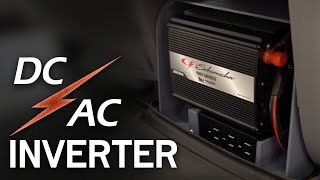
Helpful Videos
Technical Specifications
OEM Part Numbers: BL3T19G317AA BL3Z19G317A FL3T19C317AB FL3T19C317AC FL3T19C317AD FL3T19C317AE FL3T19C317AG FL3Z19G317A FL3Z19G317BA FL3Z19G317C FL3Z19G317EA JL3Z19G317BA JL3Z19G317BB
Input: 12V DC | Output: 110V AC | Max Power: 400 Watts
We Have This Part in Stock


The information in this article is provided for general reference and educational purposes only. Vehicle specifications, procedures, and part compatibility can vary by production date, trim level, and region. Always consult your vehicle's factory service manual and verify part numbers before purchasing or performing repairs. Safety-critical components such as airbags, seat belts, and braking systems should be installed by a qualified professional.
- Ford F-150:
- Ford F-150 Raptor:
- 🎬 Helpful Videos
- 🛍️ Shop This Part
- Symptoms of a Failing Power Inverter
- Diagnosing the Problem: Is It Really the Inverter?
- Buying a Used Power Converter
- What to Check Before You Buy:
- Cost of Replacing a Power Converter (2011-2017 F-150)
- Replacement Guide
- Frequently Asked Questions (FAQ)
- 🎟️ Get 5% Off