

2003-2010 Porsche Cayenne Brake Booster: Hard Pedal & Hissing Noise Guide
Diagnose a hard brake pedal or hissing noise and learn the critical differences between boosters for non-Turbo and Turbo Cayenne models.
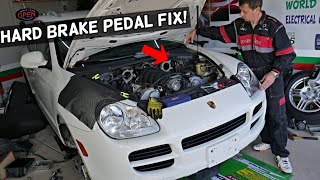
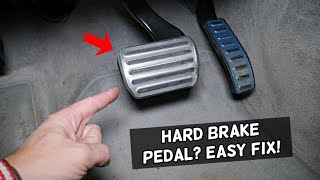
- The most common symptoms of failure are a very hard brake pedal and a hissing sound from the pedal area when braking.
- It is critical to verify compatibility: this booster is for non-Turbo, Left-Hand-Drive models only. Match OEM part numbers like 95535592301.
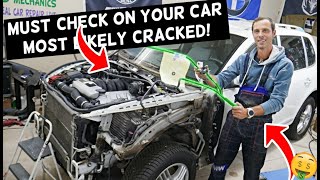
- Before replacing the booster, always inspect the plastic vacuum lines for cracks, as this is a very common failure point and a much cheaper fix.
- Driving with a failed brake booster is extremely dangerous and should not be attempted. The vehicle will be very difficult to stop.
Symptoms of a Failing Brake Booster

Brake booster failure on the 2003-2010 Porsche Cayenne typically presents with very distinct and hard-to-ignore symptoms. Because the system is vacuum-operated, any failure is essentially a significant vacuum leak.
1. Hard Brake Pedal
This is the most serious symptom. If the booster fails, you lose power assistance, and the brake pedal becomes very difficult to press. The force required to stop the vehicle increases dramatically, which is extremely dangerous in traffic or an emergency. Many owners describe it as having to use their whole body weight to slow the car down.
2. Hissing Noise From Pedal Area
A distinct hissing or 'whooshing' sound that occurs when you press the brake pedal is the most common sign of a failing booster. This is the sound of air leaking past the booster's internal rubber diaphragm, which has torn or ruptured with age. The sound will be most noticeable inside the cabin, near the driver's footwell.
3. Engine Stalling or Rough Idle When Braking
A large vacuum leak from the brake booster can disrupt the engine's air-fuel mixture. This can cause the engine to stumble, run rough, or even stall completely when you apply the brakes, especially at low speeds or while stopped.
4. "Brake Booster Faulty" Dashboard Warning
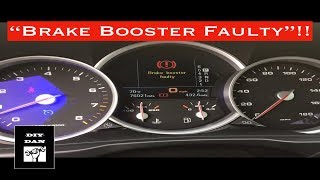
🎬 Watch how to fix the Brake Booster Faulty message.Your Cayenne may display a "Brake Booster Faulty" message on the instrument cluster. This warning can be triggered by a true booster failure, a leak in a vacuum line, a faulty vacuum pump, or a bad pressure sensor within the system.
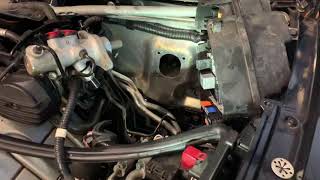
Pro Tip: Before condemning the booster, thoroughly inspect all related vacuum lines. The plastic vacuum hoses on the Cayenne are notorious for becoming brittle from engine heat and cracking over time, causing a vacuum leak that mimics booster failure. This is a very common and much cheaper repair.
🎬 Watch how to remove and replace the vacuum hose.Known Issues, Recalls, and TSBs
While there are no specific recalls for the power brake booster itself on the 2003-2010 Cayenne, the braking system has been subject to scrutiny. The most prevalent issue reported by owners is not the booster failing, but rather the plastic vacuum lines that feed it. These lines can crack, causing a loss of vacuum and leading to a hard pedal and a "Brake Booster Faulty" warning light.
A recall (NHTSA 17V-576) was issued for 2003-2006 models for a fuel filter flange that could crack and leak fuel, but this is unrelated to the brake booster. It is always advisable to check for any open recalls using the vehicle's VIN.
Buying a Used Power Brake Booster

A used OEM brake booster can be a smart purchase, offering original factory quality at a significant discount. However, you need to know what to look for to get a good part.
1. Crucial Compatibility Check
Warning: This is the most important step. The brake booster for non-Turbo models is different from the one used on Cayenne Turbo models. You MUST verify compatibility by matching the OEM part number from your original unit.
- Non-Turbo Part Numbers: 95535592300, 95535592301, 95535592310
- Turbo Part Number (for reference): 95535592321
- Cross-Reference: The Volkswagen part number 7L6612105D is also a valid cross-reference for the non-Turbo booster.
This booster is also designed for Left-Hand Drive (LHD) vehicles common in the North American market.
2. Physical Inspection
- Housing: Inspect the metal can for significant rust, dents, or damage. Surface rust is common, but deep, flaking rust can compromise the housing.
- Pushrod: Ensure the long rod that connects to the brake pedal is straight and the threads are in good condition.
- Vacuum Port: Check the plastic vacuum port for any cracks or damage. This is a common weak point.
- Signs of Fluid: Look for any indication that brake fluid has been inside the booster (staining, wetness). A leaking master cylinder can drip fluid into the booster, which will quickly destroy the internal diaphragm. Do not buy a booster that has had fluid in it.
3. Mileage vs. Age
Brake boosters are not a typical wear item based on mileage. Failure is almost always due to the age of the internal rubber diaphragm, which degrades and becomes brittle over 10-15 years. Therefore, a used booster from a newer, lower-mileage vehicle (e.g., a 2010 vs. a 2003) is always a better choice, as the rubber components will be fresher.
4. Why Used OEM is a Good Choice
The original ATE-manufactured brake booster is a high-quality component. A reliable used OEM unit is often a better and safer choice than a new, inexpensive aftermarket part which may use lower-quality rubber for the diaphragm, leading to premature failure or an inconsistent pedal feel.
Cost Comparison
Prices can vary, but this table provides a general estimate for the cost of a non-Turbo brake booster for a 2003-2010 Porsche Cayenne.
| Part Type | Estimated Cost |
|---|---|
| New OEM (Porsche Dealer) | $775 - $950 |
| New OEM (ATE Brand) | $325 - $515 |
| Used OEM (Recycled) | $100 - $175 |
| Remanufactured (Aftermarket) | $150 - $250 |
| Shop Labor Cost | $390 - $575 |
Frequently Asked Questions
Can I drive my Cayenne with a bad brake booster?
No. It is extremely unsafe to drive with a failed brake booster. The force required to apply the brakes becomes dangerously high, dramatically increasing your stopping distance and creating a serious risk of an accident. Do not drive the vehicle.
What is the hissing sound I hear when I press the brake pedal?
That hissing sound is the classic symptom of a torn or leaking diaphragm inside the power brake booster. It's the sound of vacuum escaping. While less common, it could also be a leak in the vacuum line leading to the booster.
Will a brake booster from a VW Touareg or Audi Q7 fit my Cayenne?
Yes, often it will. The first-generation Porsche Cayenne, VW Touareg, and Audi Q7 were built on the same platform and share many parts. A brake booster from a corresponding non-turbo Touareg (part number 7L6612105D) should be a direct fit. However, you should always verify by visually matching your old part and confirming part numbers when possible.
Do I need to bleed the brakes after replacing the brake booster? 🎬 See this step-by-step brake booster replacement walkthrough.
Not necessarily. The replacement procedure involves unbolting the master cylinder from the front of the brake booster and carefully moving it aside without disconnecting the hydraulic brake lines. If you can perform the replacement without opening the hydraulic system, no bleeding is required. If you must disconnect the brake lines from the master cylinder for access, then you will need to perform a full brake bleed procedure afterward.
Helpful Videos
Technical Specifications
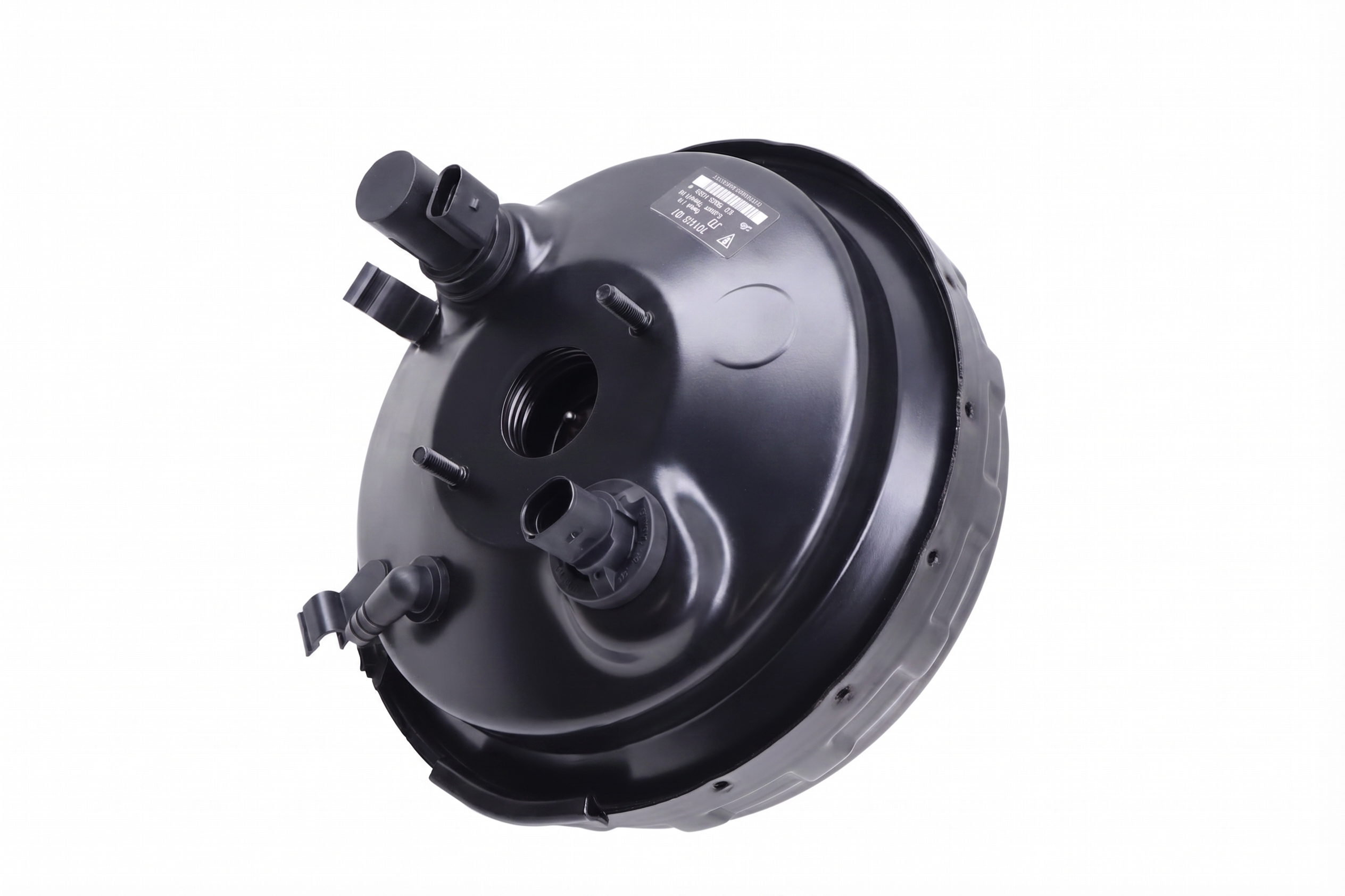
OEM Part Numbers: 95535592300 95535592301 95535592310 03.7868-4102.4 300250 7L6612105D
Designed for non-Turbo, Left-Hand Drive (LHD) Porsche Cayenne models. Utilizes a tandem 10-inch/8-inch diaphragm design. Operates via engine vacuum.
We Have This Part in Stock


The information in this article is provided for general reference and educational purposes only. Vehicle specifications, procedures, and part compatibility can vary by production date, trim level, and region. Always consult your vehicle's factory service manual and verify part numbers before purchasing or performing repairs. Safety-critical components such as airbags, seat belts, and braking systems should be installed by a qualified professional.
- Porsche Cayenne:
- 🎬 Helpful Videos
- 🛍️ Shop This Part
- Symptoms of a Failing Brake Booster
- 1. Hard Brake Pedal
- 2. Hissing Noise From Pedal Area
- 3. Engine Stalling or Rough Idle When Braking
- 4. "Brake Booster Faulty" Dashboard Warning
- Known Issues, Recalls, and TSBs
- Buying a Used Power Brake Booster
- 1. Crucial Compatibility Check
- 2. Physical Inspection
- 3. Mileage vs. Age
- 4. Why Used OEM is a Good Choice
- Cost Comparison
- Frequently Asked Questions
- 🎟️ Get 5% Off