

2000-2005 Kia Rio Brake Booster: Diagnosing Hissing Sounds and a Hard Brake Pedal
This guide covers the common failure symptoms, replacement costs, and how to choose the right used power brake booster for your first-generation Kia Rio.
- A hissing sound from the pedal and a hard-to-press brake pedal are the definitive signs of a failed brake booster.
- Driving with a failed brake booster is extremely dangerous as it significantly increases your stopping distance.
- Before buying, you must verify if your Rio has ABS, as the boosters for ABS and non-ABS cars are different.
- A leaking master cylinder is a common cause of booster failure; always inspect it during replacement to avoid damaging the new part.
Symptoms of a Failing Brake Booster

A failing brake booster on a 2000-2005 Kia Rio gives clear warning signs. The most common symptoms relate to a loss of vacuum assist, which directly impacts pedal feel and braking performance.
Hissing Noise When Pressing the Brake Pedal
The most distinct symptom is a hissing or whooshing sound that occurs when you press the brake pedal. This sound is air being sucked through a tear in the booster's internal rubber diaphragm. If the sound is loudest inside the car near the driver's feet, it almost certainly indicates the booster has failed internally. An external hiss under the hood could point to a simpler issue like a cracked vacuum hose running to the booster.
Hard Brake Pedal
With no vacuum assistance, the brake pedal will become very firm and difficult to push. Many drivers describe it as feeling like they are pushing against a wall. This is the most common sign of a complete booster failure and makes the vehicle unsafe to drive, as the effort required to stop is dramatically increased.
Increased Stopping Distance
Because you can no longer apply the same amount of force to the brakes, your vehicle's stopping distance will increase significantly. This is especially dangerous in panic-stop situations. A booster can fail gradually, making the decline in performance harder to notice at first, but any change in required pedal effort should be investigated immediately.
Stumbling or Stalling Engine
A large tear in the booster's diaphragm creates a significant vacuum leak in the engine. This unmetered air entering the intake manifold can disrupt the engine's air-fuel mixture, causing a rough idle, stumbling, or even stalling when the brakes are applied. This may also trigger a Check Engine Light in some cases.
Diagnosing the Problem: A Simple Test

You can perform a simple test in your driveway to confirm if the brake booster is working.
- With the engine turned off, pump the brake pedal 5-6 times. This will deplete any stored vacuum, and the pedal should feel firm and high.
- Once the pedal is firm, hold it down with steady, light pressure.
- Start the engine.
- If the booster is working correctly, you will feel the pedal sink down an inch or two under your foot as the engine vacuum builds and provides assist.
- If the pedal does not move or pushes back against your foot, the booster has failed the test and is likely the cause of your problems.
Known Issues, Recalls, and TSBs
As of this writing, there are no active safety recalls or widespread Technical Service Bulletins (TSBs) from Kia specifically concerning the power brake booster for the 2000-2005 Rio. The primary cause of failure is typically age-related wear of the internal rubber diaphragm or contamination from a leaking master cylinder.
Compatibility Warning: The first-generation Kia Rio was available with and without an Anti-lock Braking System (ABS). The power brake boosters for ABS and non-ABS models are different. Before purchasing a replacement, you must verify which system your vehicle has. This information is critical for ensuring you get the correct part.
Buying a Used 2000-2005 Kia Rio Brake Booster

A quality used OEM brake booster from a low-mileage vehicle can be an excellent, cost-effective alternative to expensive new or remanufactured parts. Here’s what to look for:
- Verify Compatibility: Double-check that the booster comes from a Rio with the same brake system (ABS or non-ABS) as yours. The safest bet is to match the part number from your original unit.
- Inspect for Fluid Contamination: The number one killer of brake boosters is a leaking master cylinder. Inspect the front of the used booster where the master cylinder mounts. Look for any signs of brake fluid residue, paint bubbling, or rust. If you see any evidence of fluid, reject the part, as the internal diaphragm has likely been damaged.
- Check the Housing: Inspect the metal can for major dents, cracks, or excessive rust that could compromise its integrity.
- Check the Pushrod: Ensure the pushrod (the rod that connects to the brake pedal) is straight and not bent.
- Source Vehicle Mileage: While not a guarantee, a booster from a vehicle with lower mileage is generally preferable. These parts fail from age and use, so less of both is better.
Replacement Overview and Torque Specs

Replacing the brake booster is a moderately difficult job that is feasible for an experienced DIY mechanic. It requires working in both the engine bay and the tight space of the driver's footwell.
General Steps:
- Disconnect the negative battery terminal.
- Unbolt the master cylinder from the front of the brake booster. It can often be carefully moved aside without disconnecting the brake lines, which avoids the need to bleed the entire brake system.
- Inside the car, under the dashboard, disconnect the booster's pushrod from the brake pedal arm. This usually involves removing a small pin or clip.
- Remove the four nuts that secure the brake booster to the firewall.
- In the engine bay, disconnect the main vacuum hose from the booster.
- The booster can now be removed from the engine bay.
- Installation is the reverse of removal.
Pro Tip: While you have the master cylinder unbolted, inspect its rear seal very carefully. If it shows any sign of weeping or leakage, replace it. Installing a new or used booster against a leaking master cylinder will cause the replacement booster to fail quickly.
| 2000-2005 Kia Rio Brake Booster Torque Specs | |
|---|---|
| Master Cylinder to Brake Booster Nuts | 12.5 N·m (9 ft-lbs) |
| Brake Booster to Firewall Nuts | 18.6 - 25.5 N·m (14 - 19 ft-lbs) |
Cost Comparison
Prices for a replacement brake booster can vary significantly based on the source. The original OEM part (0K30C43800C) is noted by many suppliers as discontinued.
| Part Type | Estimated Cost |
|---|---|
| New OEM | null (Discontinued) |
| New Aftermarket | $70 - $110 |
| Remanufactured (e.g., Cardone/Duralast) | $95 - $140 (plus core charge) |
| Used OEM | $40 - $80 |
| Shop Labor | $150 - $375 |
Frequently Asked Questions (FAQ)
Do I have to bleed the brakes after replacing the booster?
Not usually. If you can carefully unbolt and move the master cylinder aside without disconnecting the hard brake lines from it, you will not introduce air into the hydraulic system and will not need to bleed the brakes. If you must disconnect the lines, then a full brake bleed is required.
What is the hissing sound I hear when I press the brake?
That hissing sound is the signature symptom of a failed brake booster. It's the sound of air leaking through a tear in the internal rubber diaphragm, which means the vacuum assist is lost.
Is a remanufactured brake booster a good choice?
Yes, remanufactured boosters from reputable brands like Cardone are a very common and reliable repair option. They are rebuilt with new seals, diaphragms, and check valves to meet or exceed original performance and are a good balance between cost and quality.
Can I just fix the leak in my brake booster?
No, the brake booster is a sealed unit and is not designed to be serviced or repaired. The internal diaphragm cannot be patched. The only correct repair is to replace the entire booster assembly.
Technical Specifications
OEM Part Numbers: 0K30C43800C 0K30C46800C
Diaphragm Style: Single, Diaphragm Diameter: 9.215 in (234.061 mm), Master Cylinder Stud Thread: M8 x 1.25
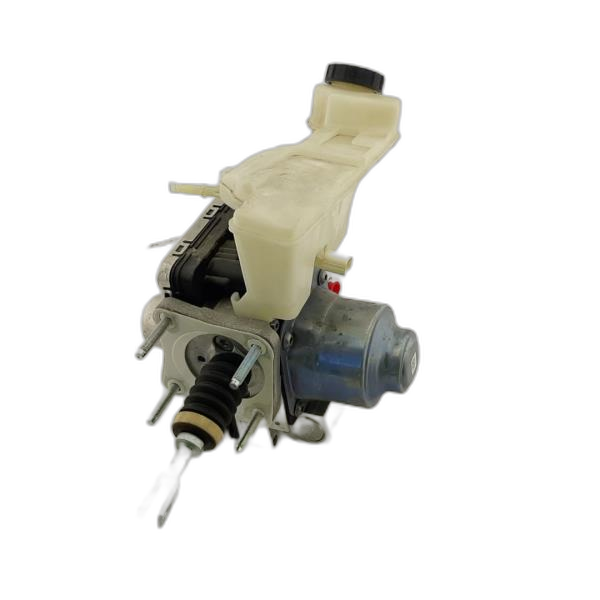
We Have This Part in Stock

The information in this article is provided for general reference and educational purposes only. Vehicle specifications, procedures, and part compatibility can vary by production date, trim level, and region. Always consult your vehicle's factory service manual and verify part numbers before purchasing or performing repairs. Safety-critical components such as airbags, seat belts, and braking systems should be installed by a qualified professional.
- Kia Rio:
- 🛍️ Shop This Part
- Symptoms of a Failing Brake Booster
- Hissing Noise When Pressing the Brake Pedal
- Hard Brake Pedal
- Increased Stopping Distance
- Stumbling or Stalling Engine
- Diagnosing the Problem: A Simple Test
- Known Issues, Recalls, and TSBs
- Buying a Used 2000-2005 Kia Rio Brake Booster
- Replacement Overview and Torque Specs
- Cost Comparison
- Frequently Asked Questions (FAQ)
- 🎟️ Get 5% Off