

1997-1999 Dodge Dakota Cab Guide: Rust, Damage, and Tunnel Differences
Before you buy a replacement cab for your 2nd Gen Dakota, understand the crucial differences in floor tunnels and common rust areas that can make or break your project.
- The most critical compatibility factor is the transmission tunnel size; 4WD manual transmission models use a 'large tunnel' cab that is not interchangeable with the 'small tunnel' cab from 2WD/automatic models.
- Severe rust is the primary reason for cab replacement. Thoroughly inspect rocker panels, cab corners, floor pans, and cab mounts on any used cab before buying.
- A full cab swap is an expert-level job (5/5 difficulty) requiring a vehicle lift and 40+ hours of labor; it is not a simple DIY project.
- For localized rust, using aftermarket weld-in patch panels for rockers and cab corners is a much more cost-effective repair than a full cab swap.
Common Problems with 1997-1999 Dakota Cabs

The second-generation Dodge Dakota is a capable truck, but its cab is well-known for specific issues, primarily related to corrosion. Understanding these weak points is key whether you're repairing your current cab or inspecting a used one for purchase.
Severe Rust Damage
By far, the most common reason for needing a new cab is rust. These trucks are highly susceptible to corrosion, especially in regions that use road salt in the winter. The factory paint and corrosion protection were not always sufficient, leading to predictable problem areas.
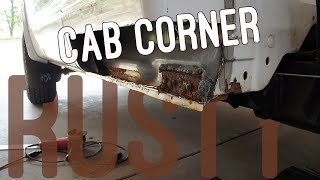
- Rocker Panels and Cab Corners: 🎬 See how to repair rusted cab corners on a Dakota The areas below the doors (rocker panels) and the corners of the cab just behind the doors are the most notorious rust spots. They trap moisture and debris, rusting from the inside out. Often, by the time you see a bubble in the paint, the metal behind it is significantly compromised.
- Floor Pans: The floor, especially under the driver's and passenger's feet, is another common failure point. Water can leak in from rusted rocker panels or door seals, soaking the carpet and jute padding, which then holds moisture against the metal floor, causing it to rot.
- Cab Mounts: The points where the cab bolts to the frame can rust out, compromising the vehicle's structural safety. In severe cases, a rusted-out cab mount can break completely.
Paint and Clear Coat Failure
Many 1997-1999 Dakotas experience issues with the factory paint, particularly the clear coat. On horizontal surfaces like the roof and hood, the clear coat can begin to peel or oxidize, leaving a dull, chalky finish. While initially a cosmetic issue, this breakdown of the paint's protective layer can accelerate the onset of surface rust.
Symptoms of a Failing Cab 🎬 Watch a walkthrough of severe rust damage on a Dodge Dakota

A damaged or rusted cab will show several warning signs. Some are obvious, while others are more subtle.
- Visible Rust or Holes: The most direct symptom is seeing rust bubbles, flakes, or actual holes in the rocker panels, cab corners, or floor.
- Wet or Musty Carpet: A damp floor or a persistent musty smell inside the cab is a strong indicator that water is leaking in through a rusted-out floor pan or failing seam.
- Doors Misalignment: If your doors become difficult to close or don't line up with the body correctly, it could be a sign of structural sag due to severe rust at the cab mounts or rocker panels.
- Creaks and Groans: Unusual noises from the body when driving over bumps can indicate that rusted cab mounts are allowing the cab to shift on the frame.
- Exhaust Fumes in the Cab: Holes in the floor pan can allow dangerous exhaust gases to enter the passenger compartment.
Buying a Used 1997-1999 Dodge Dakota Cab: A Buyer's Guide

Finding a solid, rust-free used cab is the most cost-effective way to save a rusty Dakota. However, compatibility is critical. Buying the wrong cab can be a costly mistake.
The Single Most Important Check: Transmission Tunnel Size
Warning: Cabs for 2WD/Automatic and 4WD/Manual models are NOT interchangeable due to the floor pan design. This is the most critical compatibility check you must perform.
The floor of the cab has a raised section, or tunnel, to provide clearance for the transmission and driveshaft. The 1997-1999 Dakota used two different floor stampings:
- Small Tunnel: Found in 2-wheel drive (2WD) and automatic transmission models.
- Large Tunnel: Found in 4-wheel drive (4WD) models, specifically those with a manual transmission, to provide extra clearance for the larger manual gearbox and the 4x4 transfer case.
Before purchasing a used cab, you must verify that its transmission tunnel matches your truck's drivetrain configuration. Modifying the tunnel is a major fabrication job requiring extensive cutting and welding, and is not recommended.
Cab Configuration: Regular vs. Club Cab
These two cab styles have different lengths and mounting points. They are not interchangeable. Ensure the replacement cab is the same configuration as your original.
- Regular Cab: Two doors, no rear seating area.
- Club Cab: Two main doors plus two smaller, rear-hinged "suicide" doors that open to a small rear seating or storage area.
Thorough Rust Inspection Checklist
Assume any used cab has hidden rust until you prove otherwise. Bring a flashlight and a small magnet or screwdriver to tap on suspicious areas.
- Rocker Panels & Cab Corners: Inspect the inner and outer rocker panels thoroughly. Check the cab corners from inside the door jamb and from underneath.
- Floor Pans: If possible, lift the vinyl flooring or carpet. Pay special attention to the area under the seats and where the floor meets the rocker panels.
- Cab Mounts: Inspect all cab mount locations on the underside of the cab for rust and structural integrity. Aftermarket repair sections are available for these common rust areas.
- Firewall: Check the lower portions of the firewall in the engine bay and from inside the cab for any signs of corrosion. Also, check that the holes for wiring harnesses and steering components match your vehicle's year and options, as minor changes occurred.
Recalls and Technical Service Bulletins (TSBs)
While most recalls for these vehicles involve mechanical or electrical components, a few are relevant to the cab structure and related parts.
- NHTSA Recall 98V-208: On some 1998 models, the bolts securing the cab to the frame may not have been tightened correctly, which could potentially allow the cab to separate from the frame.
- NHTSA Recall 00V-199: For certain 1997 models, a fuel line could rub against the cab underbody, potentially causing a fuel leak and fire risk.
- Paint Issues: While not a safety recall, poor paint adhesion and clear coat peeling are widely documented problems on these trucks.
Always check for open recalls using your vehicle's VIN on the NHTSA website.
Installation and Replacement

Pro Tip: A full cab swap is a massive undertaking. It is not a simple bolt-off, bolt-on job. It requires disconnecting all electrical harnesses, brake lines, steering column, AC system, and more before the cab can be lifted off the frame.
- Difficulty: 5 out of 5 (Expert/Professional). This is one of the most involved repairs possible on a body-on-frame truck.
- Tools Required: A two-post vehicle lift is almost essential to do the job safely and efficiently. You will also need a comprehensive set of mechanic's tools, engine hoist or crane for lifting, and potentially welding equipment for any necessary repairs on the replacement cab.
- Welding: While a direct cab swap doesn't require welding to attach the cab, it's very likely that either your frame or the replacement cab will need rust repair patches welded in. Aftermarket patch panels for common rust areas like rocker panels, cab corners, and floor pans are widely available.
Cost Comparison: Dakota Cab Replacement
Replacing a cab is labor-intensive, which is reflected in the cost. Repairing specific rust areas with patch panels is often a more economical choice if the overall structure is sound.
| Part/Service | Estimated Cost | Notes |
|---|---|---|
| New OEM Cab | Not Available | This part has been discontinued by the manufacturer. |
| New Aftermarket Cab | Not Available | Full aftermarket cabs are not produced; only patch panels are available. |
| Used OEM Cab | $400 - $1,500+ | Price varies greatly based on condition (rust-free is premium), configuration, and location. |
| Aftermarket Patch Panels | $30 - $150 per panel | Rocker panels, cab corners, and floor sections are available individually. A full kit for both sides can cost $270+. |
| Shop Labor (Cab Swap) | $3,000 - $6,000+ | This is a very rough estimate. A full cab swap can take 40+ hours of labor. Most shops will quote on a case-by-case basis. |
| Shop Labor (Patch Panel) | $500 - $1,500 per side | Cost to cut out old metal, weld in a new cab corner/rocker, and perform basic bodywork. Paint is extra. |
Frequently Asked Questions
Can I put a 4WD cab on a 2WD truck?
No, not without major modifications. The transmission tunnel on a 4WD manual transmission cab is larger than the one on a 2WD or automatic cab. While you could theoretically put a large-tunnel cab on a small-tunnel truck, the fit around the transmission would be incorrect. It is not possible to put a small-tunnel cab on a 4WD manual truck without cutting and fabricating a new, larger tunnel.
Will a cab from a 2000-2004 Dakota fit my 1998 truck?
No. While they are both part of the second generation and share some styling cues, the introduction of the four-door Quad Cab in 2000 brought changes to the cab structure. Additionally, wiring and interior components are different. It is best to stick with a 1997-1999 donor cab.
Is it easier to repair my rusty cab or swap it?
This depends entirely on the extent of the rust. If the corrosion is limited to the outer rocker panels and cab corners, it is almost always easier and cheaper to have a body shop weld in patch panels. If the rust is severe and has compromised the floor pans, cab mounts, and inner structure, a full cab swap with a rust-free donor might be the better long-term solution, though it is a much larger and more expensive job.
Where can I find the paint code on my 1997-1999 Dakota?
On these older Dodge trucks, the paint code is often found on a sticker located on the driver's side door jamb. It may also be on a tag on top of the radiator support in the engine bay. The code is typically a three-character combination of letters and numbers, like PR4 for Flame Red.
Helpful Videos
Technical Specifications
OEM Part Numbers: 04883906AI 04883907AI 04883908AI 04883909AI 55255082AE 55255515AE 55255528 55255529 55255532 55255549AC 55255552 55255743AE 55255746 55255755 55257089AB
Cab Configurations: Regular Cab (2-door), Club Cab (2+2 door). Transmission Tunnel Variants: Small Tunnel (2WD/Automatic), Large Tunnel (4WD/Manual).

The information in this article is provided for general reference and educational purposes only. Vehicle specifications, procedures, and part compatibility can vary by production date, trim level, and region. Always consult your vehicle's factory service manual and verify part numbers before purchasing or performing repairs. Safety-critical components such as airbags, seat belts, and braking systems should be installed by a qualified professional.
- Dodge Dakota:
- 🎬 Helpful Videos
- Common Problems with 1997-1999 Dakota Cabs
- Severe Rust Damage
- Paint and Clear Coat Failure
- Symptoms of a Failing Cab
- Buying a Used 1997-1999 Dodge Dakota Cab: A Buyer's Guide
- The Single Most Important Check: Transmission Tunnel Size
- Cab Configuration: Regular vs. Club Cab
- Thorough Rust Inspection Checklist
- Recalls and Technical Service Bulletins (TSBs)
- Installation and Replacement
- Cost Comparison: Dakota Cab Replacement
- Frequently Asked Questions
- 🎟️ Get 5% Off