

2019-2025 Subaru Ascent Rear Parking Sensor: Diagnosis and Replacement Guide
A complete guide to diagnosing common parking sensor faults, understanding replacement costs, and what to inspect when buying a used sensor for your Subaru Ascent.
- The 2019-2025 Subaru Ascent only has REAR parking sensors; it does not have them in the front bumper.
- A single faulty sensor will typically disable the entire system. You can find the bad sensor by listening for a faint 'clicking' sound from the working ones when the car is in reverse.
- There are no major recalls or TSBs for parking sensor failure on the Ascent; failures are typically isolated incidents due to damage, dirt, or age.
- Replacement requires removing the rear bumper cover, making it a moderately difficult DIY job. When buying used, get an OEM part to ensure reliability.
Vehicle-Specific Information: Rear Sensors Only

A key point for the 2019-2025 Subaru Ascent is that it is equipped with rear parking sensors only as part of the Reverse Automatic Braking (RAB) system. It does not have ultrasonic parking sensors in the front bumper from the factory. Some higher trims feature a front-facing camera, but this is part of the EyeSight system and does not provide the beeping proximity alerts associated with parking sensors. Any alerts from the front of the vehicle are typically related to the pre-collision braking system, not low-speed parking assistance.
Symptoms of a Failing Parking Aid Sensor


When a parking aid sensor fails, the entire system may shut down and display a "Service Park Assist" message on the dashboard. A single bad sensor can disable all of them. Here are the most common signs of a problem:
- No Beeping When Reversing: The most obvious symptom is a complete lack of audible alerts when you are backing up towards an object. This indicates the system is not detecting obstacles.
- Constant, Non-Stop Beeping: The sensor may beep continuously as soon as you put the car in reverse, even when there is nothing behind you. This often happens if a sensor is damaged, dirty, or has failed internally, sending a constant false signal.
- False or Intermittent Alerts: The system may beep randomly while you are reversing or even while driving. This can be caused by a dirty sensor, moisture inside the housing, or a loose electrical connection.
- "Service Park Assist System" Warning Light: Most vehicles will illuminate a warning light on the instrument cluster when the control module detects a fault in the system.
- Delayed Warnings: The alert may only sound when you are dangerously close to an object, reducing its effectiveness.
Diagnosing a Faulty Parking Sensor
Before spending money on parts, you can perform a few simple diagnostic steps:
- Clean the Sensors: The sensors are located on the rear bumper. Thoroughly clean them with car wash soap, water, and a soft cloth. Dirt, road salt, ice, or even a thick layer of wax can obstruct the sensor and cause false readings.
- Listen for a Clicking Sound: This is the easiest way to identify a dead sensor. Turn the ignition on (without starting the engine), engage the parking brake, and shift the transmission into reverse. Go to the rear bumper and listen closely to each sensor. A healthy sensor will emit a very faint, high-pitched clicking or buzzing sound. If one of the sensors is silent, you have likely found the culprit.
- Check for Physical Damage: Inspect each sensor for cracks, scuffs, or signs that it has been pushed into the bumper. Even a minor parking lot bump can damage the sensor or its mounting bracket, causing it to read the inside of the bumper as an obstacle.
- Check Fuses: A minor impact can sometimes blow a fuse related to the parking assist system, disabling it entirely. One Ascent owner reported that a minor trailer incident caused multiple electrical issues, including parking sensor failure, which was ultimately traced to a single blown fuse. Consult your owner's manual for the fuse box diagram and check the fuse for the parking assist module.
Pro Tip: If you have an OBD2 scanner that can read manufacturer-specific codes, you can often pull a trouble code that points directly to the faulty sensor (e.g., "Right Outer Rear Sensor Circuit Fault").
Known Issues, TSBs, and Recalls
As of mid-2024, there are no specific recalls or Technical Service Bulletins (TSBs) from Subaru or the NHTSA for failures of the parking aid sensors on the 2019-2025 Ascent. While the Ascent has been subject to several recalls for other components—including the transmission, driveshaft, and a PTC heater ground bolt that posed a fire risk—the parking sensors themselves have not been identified as a widespread, systemic problem requiring a recall. Some owners have reported general electrical and sensor issues, but these are not tied to a specific parking sensor defect.
Buying a Used Parking Aid Sensor
A used OEM sensor is an excellent, cost-effective alternative to a new part. Because these sensors are generally reliable, a recycled part from a low-mileage vehicle is a smart buy. Here’s what to check:
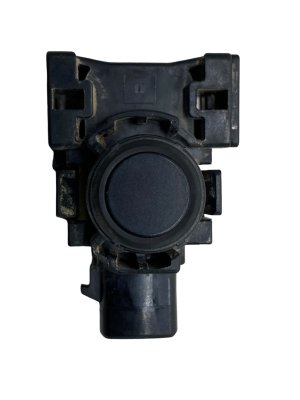
- Physical Inspection: Carefully examine the face of the sensor for deep scratches, cracks, or discoloration. Check the plastic housing for any cracks and ensure the electrical connector pins are straight and free of corrosion.
- Verify the Part Number: The most common OEM part number for the 2019-2025 Ascent is 87621XC00A. Always match this number to ensure perfect compatibility.
- OEM vs. Aftermarket: While inexpensive aftermarket sensors are available, they are known for having issues with reliability, weather resistance, and accuracy. They can cause false alarms or delayed detection, defeating the purpose of the system. A used OEM sensor provides the original factory quality and calibration for a fraction of the new price.
- Paint and Color: Subaru recommends that replacement sensors be ordered pre-painted to match the vehicle's body color. Excessive paint thickness from a repaint can interfere with the sensor's operation. When buying used, try to find a sensor from a vehicle with the same color code to avoid painting issues.
Important: According to Subaru's service information, if you are removing and reinstalling sensors, each one must be returned to its original position in the bumper. Swapping them around can cause system errors. When installing a replacement, it's best practice to replace one sensor at a time.
Cost Comparison for Parking Aid Sensor Replacement
| Part Type | Estimated Cost |
|---|---|
| New OEM (Dealer/Online) | $50 - $75 |
| New Aftermarket | $30 - $60 |
| Used OEM | $35 - $75 |
| Shop Labor | $100 - $250 |
Replacement Difficulty: 3/5
Replacing a parking aid sensor on the Ascent is a moderately difficult job for a DIYer, primarily because it requires removing the rear bumper cover to access the sensors.
- Estimated Time: 1.5 - 2.5 hours
- Tools Needed: Socket set, trim removal tools, screwdrivers.
- Process: The general process involves removing screws and clips from the wheel wells, underbody, and inside the trunk/hatch area to release the bumper cover. Once the cover is off, the sensors are typically held in place by small clips on a harness. You can disconnect the electrical connector and release the clips to pop the old sensor out. The new one snaps into place.
- Calibration: In most cases, replacing a single sensor does not require any special calibration or programming. The system should recognize the new sensor and function correctly upon reassembly.
Frequently Asked Questions (FAQ)
Can I drive my Ascent with a broken parking aid sensor?
Yes, it is safe to drive. A faulty parking sensor does not affect the vehicle's core mechanical or safety systems like brakes or steering. However, you will lose the audible warning when reversing, so you must rely entirely on your mirrors, camera, and direct line of sight.
Do I need to paint a new parking sensor?
It depends. Subaru offers pre-painted sensors to match factory colors. If you buy an unpainted or used sensor of a different color, it can be painted, but the paint must be applied in very thin coats. Too much paint can block the ultrasonic waves and cause the sensor to malfunction.
Why did all my sensors stop working at once?
Most parking assist systems are designed to shut down completely if even one sensor fails or reports a fault. This is to prevent the driver from relying on a partially working but unreliable system. The first step is to diagnose which single sensor is the root cause.
Does the Subaru Ascent have front parking sensors?
No, the 2019-2025 Subaru Ascent is only equipped with rear ultrasonic parking sensors. It does not have them in the front bumper. The front of the vehicle is monitored by the camera-based EyeSight system for collision avoidance, not for low-speed parking alerts.
Technical Specifications
OEM Part Numbers: 87621XC00A
Ultrasonic sensor, typically operates on a 12V system. Connects via a dedicated wiring harness in the bumper.
We Have This Part in Stock

The information in this article is provided for general reference and educational purposes only. Vehicle specifications, procedures, and part compatibility can vary by production date, trim level, and region. Always consult your vehicle's factory service manual and verify part numbers before purchasing or performing repairs. Safety-critical components such as airbags, seat belts, and braking systems should be installed by a qualified professional.
- Subaru Ascent:
- 🛍️ Shop This Part
- Vehicle-Specific Information: Rear Sensors Only
- Symptoms of a Failing Parking Aid Sensor
- Diagnosing a Faulty Parking Sensor
- Known Issues, TSBs, and Recalls
- Buying a Used Parking Aid Sensor
- Cost Comparison for Parking Aid Sensor Replacement
- Replacement Difficulty: 3/5
- Frequently Asked Questions (FAQ)
- 🎟️ Get 5% Off