

Audi A6, Allroad, S6 & A2 Parking Aid Module 8Z0919283: Faults, Diagnosis & Replacement
Diagnose the common long beep fault, understand programming needs, and learn how to replace the parking aid control module on your 2000-2005 Audi.
- A replacement module, new or used, MUST be coded to the vehicle using a VAG-specific scan tool like VCDS to function correctly.
- The most common symptom of a system fault is a long, continuous beep when engaging reverse.
- Water intrusion is a primary cause of failure for this module, which is located in the right rear of the trunk on A6/S6/allroad models.
- Always match the part number 8Z0 919 283 exactly when buying a replacement.
Symptoms of a Failing Parking Aid Control Module

When the parking aid system in your Audi A6, S6, allroad, or A2 develops a problem, it will typically alert you immediately. The most common sign of a system fault is a single, long, continuous beep lasting about three to five seconds when you shift the car into reverse. After this initial warning tone, the system will deactivate itself, and the light on the parking assist button may flash. You will not receive any further beeps as you approach obstacles.
- Long, continuous beep on engaging reverse: This is the primary indicator that the control module has detected a fault somewhere in the system and has shut down.
- No beeps at all: The system is completely inactive. This could be a failed module, a blown fuse, or a wiring issue.
- Parking assist button flashes: A flashing LED on the dash button is another sign that a fault has been registered.
- "Parking aid: malfunction!" message on the dashboard: Newer or higher-spec models may display a text warning in the instrument cluster.
- Inability to communicate with the module: Using a diagnostic tool like VCDS or a capable OBD-II scanner, you may find that you cannot connect to address "10 - Park/Steer Assist". This often points to a dead module due to power loss or internal failure.
It's important to note that a single faulty sensor or a break in the wiring harness can also cause the entire system to shut down with a long beep, mimicking a module failure. Proper diagnosis is key to avoiding unnecessary parts replacement.
Common Causes of Failure
- Water Intrusion: On the Audi A6, S6, and allroad (C5 platform), the module is located in the rear luggage compartment, typically on the right (passenger) side behind the trim panel. This area is susceptible to moisture from leaking tail light seals, clogged sunroof drains, or window seal failures. Water can get into the module's casing or corrode the connector pins, causing short circuits and complete failure.
- Wiring and Connector Faults: The wiring harness leading to the sensors in the bumper is exposed to the elements. Corrosion in the connectors or breaks in the wires are common failure points that can send fault signals to the module.
- Internal Electronic Failure: Over time, electronic components like capacitors or solder joints within the module can fail, leading to unpredictable behavior or a dead unit. A fault code like "16347 - Control Module - EEPROM Error" points directly to an internal module defect.
Diagnosing the System

Before condemning the control module, follow these diagnostic steps to pinpoint the problem.
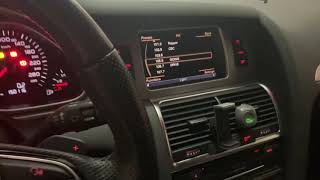
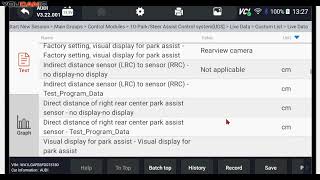
- Scan for Fault Codes: Use a VAG-specific diagnostic tool like VCDS or a professional scanner that can read body control modules. A generic OBD-II engine code reader will not work. Scan address "10 - Park/Steer Assist". 🎬 Watch: How to diagnose and clear park assist codes The system is very good at identifying the specific problem, with codes like "Open Circuit to [Sensor Name]" or "Control Module Defective".
- The "Listen Test": With the ignition on and the car in reverse (ensure the parking brake is firmly applied), put your ear very close to each sensor on the bumper. A healthy, active sensor will emit a faint, rapid clicking or ticking sound. A silent sensor is likely dead or has no power. If all sensors are silent, the problem is more likely to be the module, a fuse, or the main wiring harness.
- Check Fuses: Verify the fuses for the parking aid system. On the C5 platform, these are often located in the fuse panel on the side of the dashboard. A blown fuse will cause the entire system to be unresponsive.
- Inspect the Module and Connectors: On the A6, S6, and allroad, access the module in the right rear of the trunk. Unplug the electrical connectors and inspect them and the module's pins for any signs of green or white corrosion, which indicates water damage.
Pro Tip: If a scan tool points to a single bad sensor, you can confirm the diagnosis by swapping it with a known good sensor from another position on the car. Clear the codes and scan again. If the fault follows the sensor to the new location, the sensor is bad. If the fault stays in the original location, the problem is in the wiring to that sensor.
Buying a Used Parking Aid Control Module
A used OEM module is an excellent, cost-effective solution for a failed unit. Because this is a digital control module, there are a few critical things to check to ensure you get a good, compatible part.
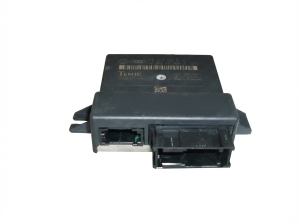
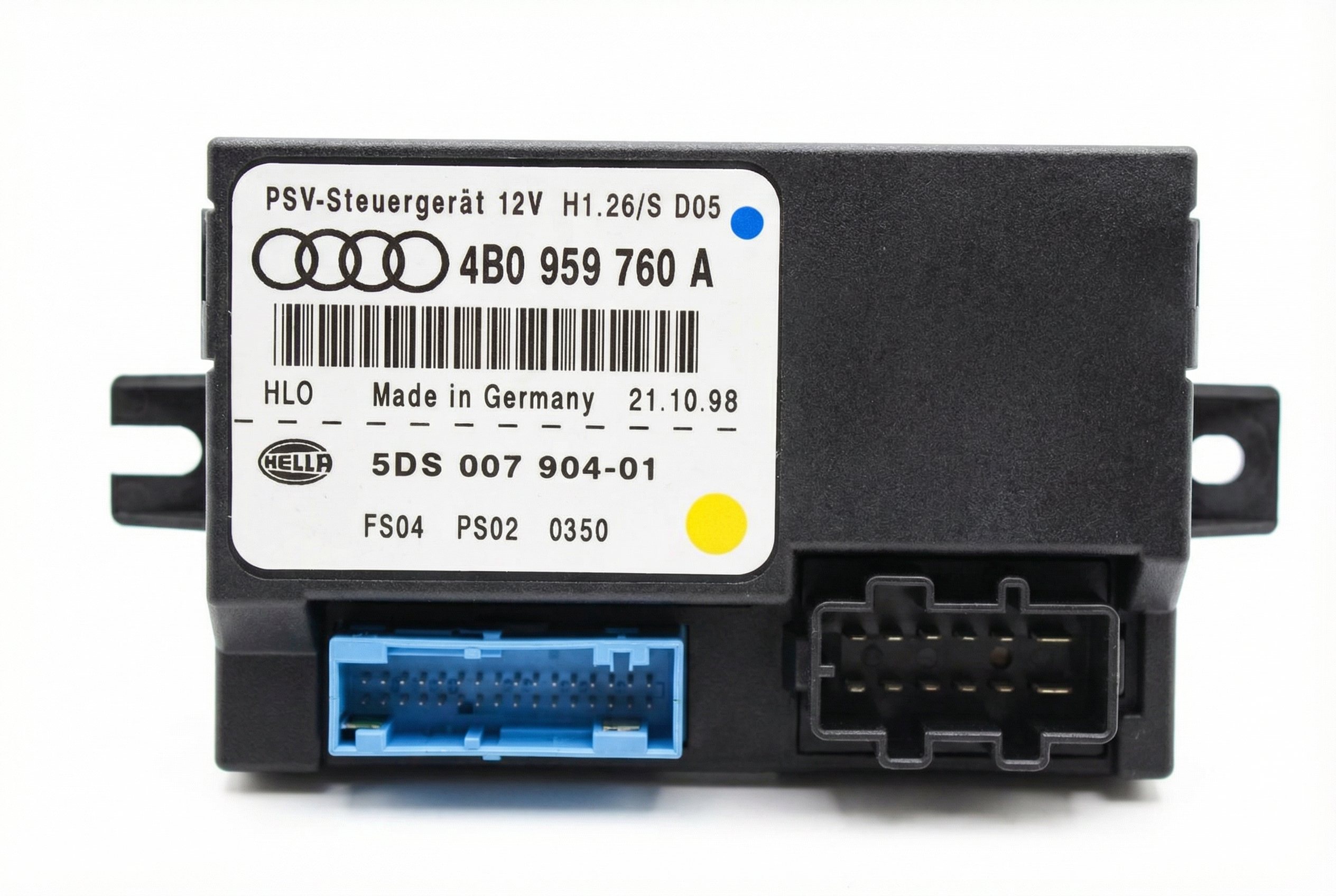
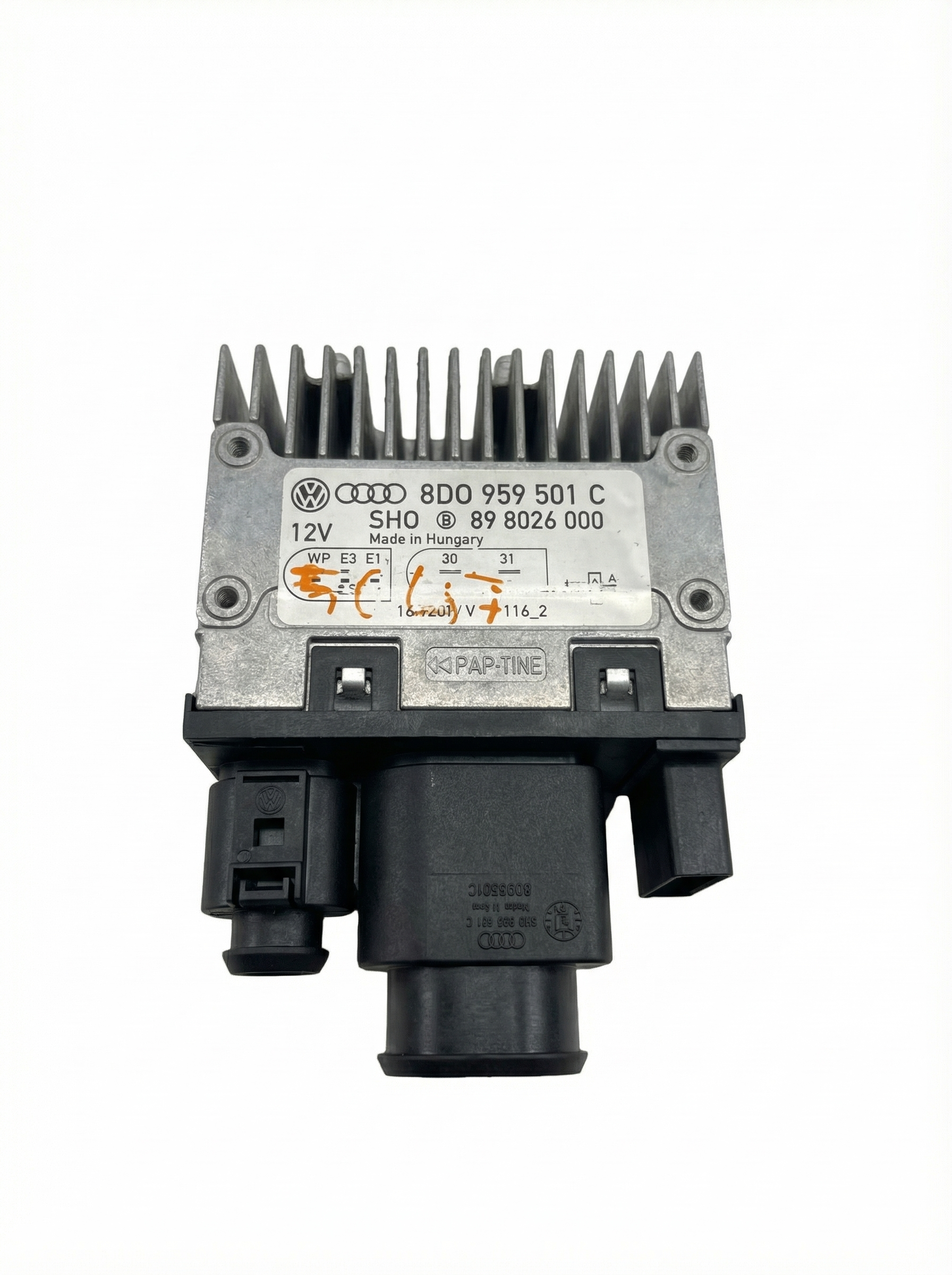
- Match the Part Number EXACTLY: The only way to guarantee compatibility is to match the OEM part number. The primary part number for these vehicles is 8Z0 919 283. Do not rely on visual appearance alone. Using a module with a different part number may result in it not working at all.
- Inspect for Water Damage: Ask the seller for clear photos of the electrical connector pins. Avoid any module that shows signs of corrosion, discoloration, or water marks on the case. A seller's note like "Not from a flood vehicle" is a good sign.
- Verify Vehicle of Origin: While the module is shared, knowing it came from a similar vehicle (e.g., an A6 Avant for your allroad) can provide extra confidence. However, the part number is the most important factor.
- Why Used OEM is a Good Choice: Used original Audi modules are built to a high quality standard. They are designed to integrate perfectly with your car's existing systems. As long as you get a physically sound unit with the correct part number, it is very likely to work correctly after coding.
Programming and Installation

Warning: A replacement Parking Aid Control Module, whether new or used, MUST be coded to your vehicle after installation. It is not a plug-and-play part. Without coding, the system will not function.
"Coding" is a simple procedure that tells the module about the specific configuration of your car. This is done with a diagnostic tool like VCDS (VAG-COM). The coding value determines settings such as:
- Vehicle type (A6, A2, etc.)
- Body style (Sedan, Avant/Wagon)
- Whether a trailer hitch is installed (this changes the sensor deactivation logic)
- Which sensors are installed (rear only, or front and rear) 🎬 Watch: Overview of Audi coding and programming
An independent European auto shop or a DIYer with VCDS can easily perform this coding in a few minutes. A dealer can also do it, but will charge more. There is no link to the immobilizer or anti-theft system, so a dealer visit is not strictly necessary as long as you have access to the right tool.
Vehicle-Specific Information
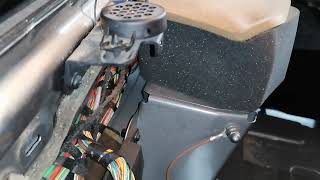
- 2002-2004 Audi A6, 2001-2005 allroad, 2002-2003 S6: These C5-platform vehicles share the same module location. It is found in the luggage compartment, behind the right-side trim panel, often near the vehicle jack storage area. 🎬 See this module and wiring removal walkthrough Replacement involves removing some trim panels to gain access.
- 2000-2005 Audi A2: The Audi A2 was not officially sold in the North American market. While it shares the 8Z0 919 283 control module, owners in other regions will find information relevant. The module location and repair procedures may differ from the C5-platform cars.
| Part Type | Price Range |
|---|---|
| New OEM | $350 - $500+ (if available) |
| New Aftermarket | Not commonly available |
| Used OEM | $25 - $100 |
| Shop Labor (Replacement & Coding) | $100 - $250 |
Frequently Asked Questions
My car beeps once for a long time when I put it in reverse. Is the module bad?
Not necessarily. A long beep indicates a fault in the parking aid system, but it could be a single bad sensor, a wiring issue, or the control module. The first step is to scan the car with a tool like VCDS to read the specific fault code, which will usually pinpoint the problem.
Do I have to go to the Audi dealer to program a new module?
No. While a dealer can certainly do it, any independent mechanic with a proper VAG-specific scan tool (like VCDS) can code the replacement module to your car. It's a quick procedure that involves inputting a code based on your car's features.
Where is the parking aid module on my 2003 Audi A6?
On the Audi A6/S6/allroad (C5 platform), the module is located in the trunk. It's behind the carpeted trim panel on the right (passenger) side of the car, usually mounted vertically in a plastic bracket.
Can I use a module with a different part number if it looks the same?
It is strongly recommended that you only use a module with the exact same part number: 8Z0 919 283. While other modules might look identical, they may have different software or hardware intended for different vehicle systems (e.g., for front and rear sensors vs. rear only), and will likely not work correctly even after coding.
Helpful Videos

Technical Specifications
OEM Part Numbers: 8Z0919283 8Z0 919 283
Controls 4 ultrasonic parking sensors. Requires coding via VAG-COM/VCDS for vehicle-specific features (body style, trailer hitch).
We Have This Part in Stock



The information in this article is provided for general reference and educational purposes only. Vehicle specifications, procedures, and part compatibility can vary by production date, trim level, and region. Always consult your vehicle's factory service manual and verify part numbers before purchasing or performing repairs. Safety-critical components such as airbags, seat belts, and braking systems should be installed by a qualified professional.
- Audi A6:
- Audi allroad:
- Audi S6:
- Audi A2: