

2015-2017 Lexus RC F Park Assist Module: Diagnosis, Programming, and Replacement
This guide covers common failures, diagnostic codes, and the critical initialization steps for the Park Assist Control Module in the 2015-2017 Lexus RC F.
- The most critical step after replacing the module is performing an 'initialization' with a professional scan tool; the system will not work without it.
- The correct OEM part number is 89340-24040. Always match this number when buying a used replacement.
- Symptoms of a bad module (like a system warning message) can also be caused by a much cheaper-to-fix damaged wiring harness, which should be inspected first.
- There are no recalls for this specific part, and failures are often linked to wiring damage from collisions or heat.
Symptoms of a Failing Park Assist Control Module
When the Park Assist Control Module fails, the entire parking aid system typically shuts down. Here are the most common signs of a problem:
- "Check Park Sonar System" Message: The most definitive symptom is a warning message appearing on the instrument cluster or navigation screen.
- System Inoperative: The system will not produce any beeps or visual alerts when you approach an object while parking. The 'P ))))' indicator light on the dash may be off or flashing.
- All Sensors Show Fault: On the parking assist display, you may see all sensor indicators showing a fault, often represented by a crossed circle icon on each one. This points to a system-wide issue rather than a single bad sensor.
- Associated OBD-II Codes: A scan tool may reveal specific trouble codes stored in the system. Common codes include:
- C1AEC - Front Sensor Communication Malfunction: Often indicates a problem with the wiring harness connecting the front sensors.
- C1AED - Communication Circuit Error: A general communication fault that can be caused by a broken wire, a faulty sensor, or a module that needs to be re-initialized.
- U-series Codes (e.g., U0101, U0155): These indicate a loss of communication between the park assist module and other control units in the vehicle.
Warning: Many symptoms of a bad module can also be caused by a damaged wiring harness, especially after a minor collision or due to heat exposure near the exhaust. Always inspect the wiring to the sensors before replacing the control module.
Diagnosing the Park Assist System
Before condemning the control module, it's important to rule out other common issues. Problems with the Intuitive Parking Assist system usually fall into one of three categories: a bad sensor, a damaged wiring harness, or a faulty control module.
- Scan for Codes: Use an OBD-II scanner capable of reading Body (B) and Chassis (C) codes. A code pointing to a specific sensor (like C1AE1 for the front left sensor) suggests a sensor or wiring issue at that location. A general communication code (like C1AED or C1AEC) is more ambiguous.
- Inspect Wiring: Visually inspect the sensor wiring harnesses, particularly behind the front and rear bumper covers. Look for breaks, corrosion, or melted plastic, especially near the exhaust components. Technicians report that tiny wires in the harness can break internally without visible damage, so gently tugging on the wires near the connectors can sometimes reveal a hidden break.
- Check the Sensors: While a single failed sensor usually doesn't bring down the entire system, it can happen. A common diagnostic trick is to swap a suspected bad sensor with a known good one from another position on the car. If the fault code follows the sensor to the new location, the sensor is bad. If the fault code stays in the original location, the problem is likely in the wiring.
Known Issues, TSBs, and Recalls
As of mid-2026, there are no specific recalls or Technical Service Bulletins (TSBs) from Lexus for the Park Assist Control Module on the 2015-2017 RC F. However, owners and technicians on forums have identified a few common issues:
- Front Sensor Blind Spot: The design of the RC F's front bumper and grille prevents a sensor from being placed directly in the center. The two front sensors are located on the corners and are primarily for detecting objects to the sides, not directly in front. This is considered normal operation.
- Post-Collision Failures: The system is frequently reported to fail after collision repairs. This is often because the original sensor wiring harness was damaged in the impact and was either reused or improperly repaired, leading to communication errors.
Buying a Used Park Assist Control Module
A used OEM module is a cost-effective alternative to a new part, as aftermarket options are generally not available. Here’s what to look for:
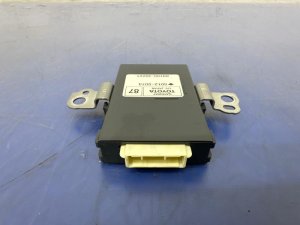
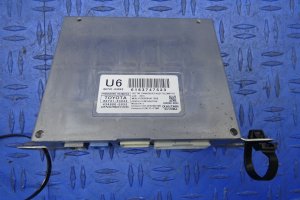
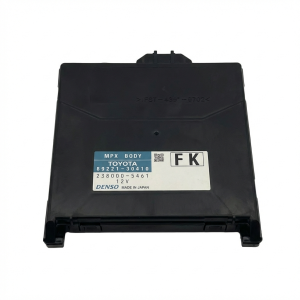
- Match the Part Number: It is essential to match the OEM part number exactly. For the 2015-2017 Lexus RC F, the correct part number is 89340-24040. While this module may fit other Lexus models like the NX, you must verify the number on your original part to ensure compatibility.
- Inspect for Damage: Before purchasing, carefully examine photos of the used module. Look for any signs of corrosion on the connector pins, water stains on the casing, or physical damage. Since the module is located inside the cabin, water damage could indicate a leak from the windshield or A/C system.
- Seller Reputation: Purchase from a reputable auto recycler or eBay seller who offers a warranty and a return policy. This protects you in case the used module is also faulty.
Pro Tip: The module is located inside the passenger side of the dashboard, likely behind the glove box. This protects it from the elements, so a used module from a low-mileage, collision-free vehicle is typically a very reliable part.
Programming and Initialization Requirements
This is the most critical step after installation. The Park Assist Control Module requires an initialization procedure to recognize the sensors and function correctly. Failure to perform this step will result in the system remaining inoperative and displaying a fault.
- What is Initialization? It's a calibration process that registers each sensor to the control module. It is not a security-related VIN programming like you would find on an engine ECU.
- Who Can Perform It? A Lexus dealership can perform the initialization. However, many independent repair shops with professional-grade scan tools that support Toyota/Lexus systems (such as Autel or Snap-on with the appropriate software, or a dedicated Techstream setup) can also complete the procedure.
- The Process: Using a compatible scan tool, a technician navigates to the Park Assist system's special functions and selects the initialization or adjustment utility. The tool then guides them through the steps to register the sensors.
Replacement Cost Comparison
The cost to fix a faulty park assist system can vary significantly depending on the parts and labor required. Here is an estimated breakdown for replacing the control module:
| Part/Service | Estimated Cost |
|---|---|
| New OEM Module | $330 - $470 |
| Used OEM Module | $65 - $150 |
| Shop Labor (Replacement & Initialization) | $150 - $300 (1.0-1.5 hours) |
Frequently Asked Questions (FAQ)
Does a used Park Assist Control Module need to be programmed?
Yes, but it's more of an 'initialization' or 'calibration' than programming. The module needs to be calibrated to the vehicle's specific sensors using a compatible diagnostic scan tool like Toyota's Techstream. Without this step, the system will not work.
Where is the Park Assist Control Module located on the 2015-2017 Lexus RC F?
On most Lexus vehicles of this era, the module is located inside the cabin on the passenger side, behind the glove box or in the kick panel area. This requires removing the glove box assembly for access.
Can I replace the module myself?
Physically replacing the module is feasible for a DIY mechanic with experience in removing interior trim panels. However, the final initialization step requires a professional-grade scan tool, so a trip to a qualified shop or dealer will still be necessary to make the system operational.
My park assist isn't working, but there's no warning message. What could be the problem?
First, ensure the system is turned on via the 'P ))))' button, which is typically near the gear shifter. If it is on and still not working, the issue could be with the buzzer that makes the beeping sound or a problem that the system has not yet flagged with a code. A full system scan is recommended.
Technical Specifications
OEM Part Numbers: 89340-24040
Also known as: Clearance Warning Module, Computer Assembly Rear Clearance.
We Have This Part in Stock




The information in this article is provided for general reference and educational purposes only. Vehicle specifications, procedures, and part compatibility can vary by production date, trim level, and region. Always consult your vehicle's factory service manual and verify part numbers before purchasing or performing repairs. Safety-critical components such as airbags, seat belts, and braking systems should be installed by a qualified professional.
- Lexus RC F: