

2009 Ford Flex Park Assist Module: Solving 'Park Aid Disabled' Errors
This guide covers the common failures, diagnosis, and replacement of the Park Assist Control Module for the 2009 Ford Flex, including critical part number and programming information.
- You MUST match the engineering ID number on your original module (e.g., 9L3T-15T850-AA) when buying a replacement.
- A replacement module will likely need to be programmed or configured to the vehicle by a dealer or a shop with Ford-specific scan tools.
- The module is located behind the trim panel at the right rear C-pillar, inside the vehicle.
- Before replacing the module, rule out simpler issues like dirty sensors or a single failed sensor, which are more common failures.
Symptoms of a Failing 2009 Ford Flex Park Assist Module
When the Park Assist Module (PAM) begins to fail, you'll notice obvious signs that the system is not working correctly. Here are the most common symptoms:
- "Park Aid Disabled" Message: The most frequent symptom is a message appearing on the instrument cluster display, often accompanied by the park assist switch light turning on and staying lit when you shift into reverse. This indicates the module has detected a fault and has shut the system down.
- No Beeping in Reverse: The system will not produce any warning chimes when you are backing up towards an obstacle.
- Constant, Uninterrupted Tone: In some cases, the module may fail in a way that causes the internal speaker to emit a solid tone as soon as the vehicle is put in reverse, even with no obstacles present.
- System Works Intermittently: The park assist might work one day and not the next, which can point to a failing module or a loose connection.
Common Diagnostic Trouble Codes (DTCs)
A standard OBD-II code reader may not be able to communicate with the Park Assist Module. You will likely need a more advanced scan tool, like Ford's IDS or software such as FORScan, to read the body codes ("B" codes) or network codes ("U" codes) stored in the module. Common codes include:
- U0544: Invalid Data Received From Parking Assist Control Module 'B'. This code indicates a communication problem with the module itself.
- Sensor Circuit Codes: Codes like B1B42, B1B44, B1B46, B1B48, and B1B50 often point to specific sensor failures (e.g., Left Front Inner Sensor, Right Rear Outer Sensor). While these codes often mean a sensor is bad, they can sometimes be caused by a faulty module that is misinterpreting sensor data.
- Sensor Power Circuit Codes: Codes like B1B57 (Front Sensor Power Circuit Short to Ground) or B1B58 (Rear Sensor Power Circuit Short to Ground) can indicate a wiring issue or a failure within the module that supplies power to the sensors.
Pro Tip: Before condemning the module, check for simple issues. Dirty or obstructed sensors can cause the system to malfunction. Also, listen closely to each sensor when the vehicle is in reverse (with the engine off, key on); a healthy sensor will make a faint, rapid clicking or ticking sound. If one sensor is silent, it has likely failed, not the module.
Known Issues, TSBs, and Recalls
As of mid-2026, there are no specific recalls or widespread Technical Service Bulletins (TSBs) issued by Ford or the NHTSA for the Park Assist Control Module on the 2009 Ford Flex. The existing recalls for this model year relate to issues like airbags and rear suspension toe links, not the parking aid electronics.
Buying a Used Park Assist Module for Your 2009 Flex
Purchasing a used OEM module is a smart, cost-effective way to restore your park assist function. Because this is a sensitive electronic component, here’s what you need to know to buy the right part.
1. Match the Engineering Part Number
This is the most critical step. The module is located behind the trim panel in the right "C" pillar area (the pillar just behind the rear passenger door). You must physically inspect your original module and match the engineering ID number printed on its label. For the 2009 Ford Flex, the primary numbers are:
- 9L3T-15T850-AA
- 9L3T-15T850-AB
These engineering numbers may be replaced by the Ford service part number 9L3Z-15K866-A. However, the safest approach is to match the '9L3T' number directly. Using a module with a different ID number, even from another Ford vehicle, will likely result in incompatibility.
2. Inspect for Physical Damage
When buying a used module, carefully inspect the part for:
- Corrosion: Check the connector pins for any green or white crusty buildup, which indicates water damage. Water intrusion is a common cause of failure for modules located in the rear of vehicles.
- Case Damage: Look for cracks, swelling, or signs that the case has been pried open. This could indicate a previous failed repair attempt.
3. Why Used OEM is Often Better
For a part like this, a used OEM module is generally a safer bet than a new, cheap aftermarket unit. The OEM part was designed and tested specifically for your vehicle's communication network and sensor configuration. Aftermarket modules can have a higher rate of compatibility and programming issues.
Programming and Installation
Warning: This module may require programming to function correctly. While some sellers suggest it might be plug-and-play if the part number is an exact match, many sources indicate that programming is necessary for the module to communicate with the vehicle and recognize its specific options.
The Park Assist Module is part of the vehicle's computer network. A replacement module often needs to be configured to the vehicle's VIN and specific equipment. This process is typically done using Ford's Integrated Diagnostic System (IDS) software, which is available at dealerships and some well-equipped independent repair shops. Advanced DIY tools like FORScan may also have the capability to perform the necessary module configuration. Failure to program the module can result in the system not working at all, even with a good replacement part.
Installation Steps Overview
- Disconnect the negative battery terminal.
- Access the module by removing the interior trim panel at the right rear C-pillar.
- Disconnect the electrical connector(s) from the old module.
- Unbolt the module from its mounting bracket.
- Install the replacement module, reconnect the electrical connector(s), and re-fasten the trim panel.
- Reconnect the battery.
- Perform the necessary programming/configuration procedure with a compatible scan tool.
Replacement Cost Comparison
Prices can vary based on supplier and availability. The original OEM part 9L3Z-15K866-A has been discontinued by Ford, making used and remanufactured options the most common sources.
| Part Type | Estimated Cost |
|---|---|
| New OEM | $230 - $280 (When available, now discontinued) |
| New Aftermarket | Not commonly available |
| Used OEM | $50 - $100 |
| Remanufactured | $150 - $250 (Often includes a core charge) |
| Shop Labor | $100 - $200 (Includes diagnosis, installation, and programming) |
Frequently Asked Questions (FAQ)
Does the 2009 Ford Flex park assist module need to be programmed?
Yes, programming is often required. The module needs to be configured to your vehicle's specific settings to work correctly. This is best done by a Ford dealer or a repair shop with Ford-specific diagnostic tools.
Where is the park assist module located on a 2009 Ford Flex?
The Park Assist Module (PAM) is located in the rear of the vehicle, behind the interior trim panel at the right-side "C" pillar.
Can I fix a "Park Aid Disabled" message by just replacing a sensor?
Sometimes, yes. The most common cause of a park aid fault is a single failed sensor, not the module. You can diagnose this by listening for a clicking sound from each sensor or by using a scan tool to see which sensor is reporting a fault. If a specific sensor is identified as faulty, replacing just that sensor will often fix the problem for a lower cost.
What does the internal speaker in the module do?
The internal speaker is what produces the audible beeping sounds to warn you of obstacles. If your system appears active but you hear no beeps, the speaker inside the module itself may have failed, requiring module replacement.
Technical Specifications
OEM Part Numbers: 9L3T-15T850-AA 9L3T-15T850-AB 9L3Z-15K866-A 9L3Z15K866A
Location: Right 'C' pillar. Contains internal speaker for audible alerts. Communicates on the vehicle's CAN bus network.
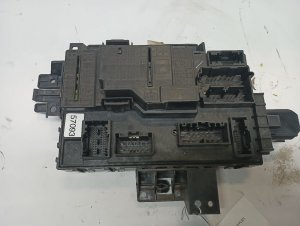
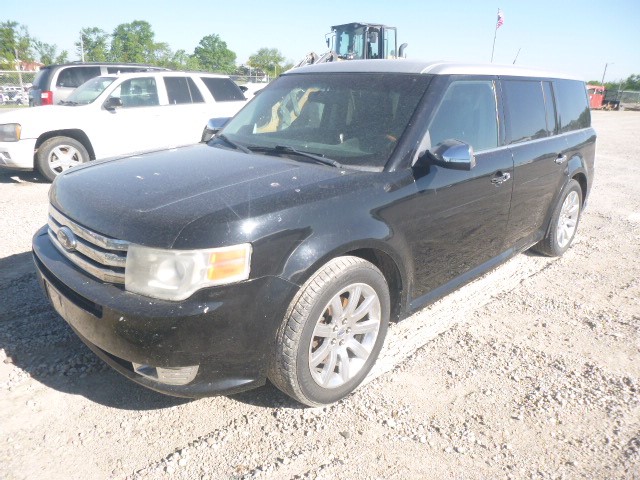
We Have This Part in Stock


The information in this article is provided for general reference and educational purposes only. Vehicle specifications, procedures, and part compatibility can vary by production date, trim level, and region. Always consult your vehicle's factory service manual and verify part numbers before purchasing or performing repairs. Safety-critical components such as airbags, seat belts, and braking systems should be installed by a qualified professional.
- Ford Flex:
- 🛍️ Shop This Part
- Symptoms of a Failing 2009 Ford Flex Park Assist Module
- Common Diagnostic Trouble Codes (DTCs)
- Known Issues, TSBs, and Recalls
- Buying a Used Park Assist Module for Your 2009 Flex
- 1. Match the Engineering Part Number
- 2. Inspect for Physical Damage
- 3. Why Used OEM is Often Better
- Programming and Installation
- Installation Steps Overview
- Replacement Cost Comparison
- Frequently Asked Questions (FAQ)
- 🎟️ Get 5% Off