

2004-2009 Cadillac XLR Park Assist Module: Programming, Failures, and Diagnosis
Learn why a 'Service Park Assist' message on your XLR almost always requires a dealer-level scan tool and programming for a proper fix.
- A replacement module MUST be programmed to the vehicle using a GM Tech 2 scan tool; it is not a plug-and-play part.
- Before blaming the module, test the bumper sensors. A single failed sensor will disable the entire system and is a more common failure.
- The two OEM part numbers, 10317519 and 10348799, are interchangeable for all 2004-2009 XLR models.
- No specific recalls have been issued for this module, but sensor and wiring failures due to corrosion are common.
Programming is Required: The Most Critical Fact
Warning: This is not a plug-and-play part. A replacement Park Assist Control Module, whether new or used, must be programmed to your vehicle's specific configuration. This procedure requires a GM Tech 2 scan tool or a modern equivalent with GM's Service Programming System (SPS) software. Without proper programming, the module will not communicate with the vehicle and the park assist system will not function.
Failure to program the module is the #1 reason for replacement failure. While a physically capable DIY mechanic can swap the part, a visit to a GM dealership or a well-equipped independent shop is necessary to complete the installation.
Symptoms of a Failing Park Assist Module
When the park assist system develops a fault, it will typically disable itself and alert the driver. The issue could be the control module, a sensor, or the wiring. Common symptoms include:
- "Service Park Assist" Message: The most common indicator is a message appearing on the Driver Information Center (DIC).
- No Beeping in Reverse: The system will not produce any audible alerts when you are backing up towards an object.
- Constant Solid Tone: In some cases, the system may emit a continuous tone as soon as reverse is engaged, even with no obstacles present.
- Flashing Park Assist Button: If you press the button to manually disable the system, the indicator light may flash rapidly instead of staying solid, indicating a system malfunction.
Diagnosing the Problem: Module vs. Sensor
Before replacing the control module, it's wise to determine if the fault lies with a sensor, which is a more common and less expensive failure point.
DIY Sensor Check (The "Listen Test")
You can perform a basic check of the ultrasonic sensors in your driveway.
- Safely block the vehicle's wheels.
- Turn the ignition to the "ON" position, but do not start the engine.
- Engage the parking brake and shift the transmission into Reverse.
- Walk to the rear of the vehicle and place your ear very close to each of the four circular sensors on the bumper.
- A healthy sensor will emit a faint, rapid clicking or buzzing sound. A sensor that is completely silent is likely dead and is the cause of your system fault.
Pro Tip: Dirty sensors can also cause the system to malfunction. Before performing tests, thoroughly clean each sensor with a soft cloth to remove any dirt, wax, or ice.
Professional Diagnosis
The most accurate way to diagnose the system is with a GM Tech 2 scan tool. A technician can communicate directly with the Park Assist Module (PAM) and read any Diagnostic Trouble Codes (DTCs) it has stored. These codes can precisely identify the failing component, whether it's a specific sensor, the wiring, or the module itself, saving time and money on unnecessary parts.
Buying a Used 2004-2009 XLR Park Assist Module
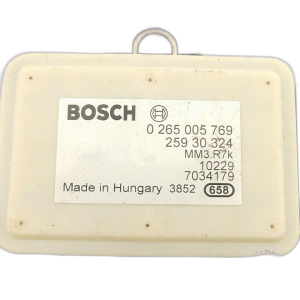
Given the age of the XLR, a used OEM module is the most common and cost-effective replacement option. New modules are often discontinued, and reliable aftermarket modules for this specific vehicle are generally not available.
Part Number Verification
Two primary OEM part numbers were used for the 2004-2009 Cadillac XLR:
- 10317519
- 10348799
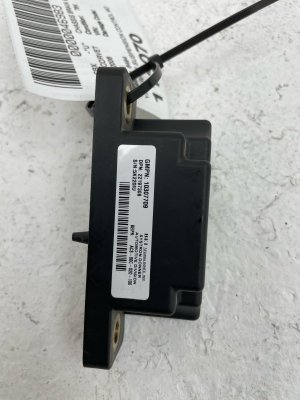
These two part numbers are considered interchangeable for all 2004-2009 XLR models, including the Base, Platinum, and V-series trims. When purchasing a used module, matching one of these numbers is the most important step to ensure compatibility.
Inspection Checklist for Used Modules
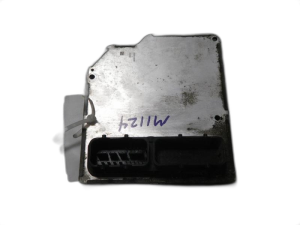
- Check for Physical Damage: Inspect the plastic casing for any cracks or signs of being pried open.
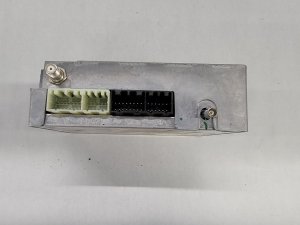
- Examine the Connectors: Look at the electrical connector pins. They should be straight, clean, and free of any green or white corrosion.
- Ask About the Donor Vehicle: If possible, inquire about the donor vehicle. A module from a lower-mileage vehicle that was not involved in a flood or rear-end collision is always a better choice.
Replacement Cost Breakdown
The total cost involves the part itself and the labor for installation and programming.
| Part or Service | Estimated Cost |
|---|---|
| New OEM Module | $350 - $500+ (If found, likely discontinued) |
| New Aftermarket Module | Not Generally Available |
| Used OEM Module | $50 - $150 |
| Shop Labor (Installation & Programming) | $150 - $300 |
Known Issues, Recalls, and TSBs
There are no active recalls or widespread Technical Service Bulletins (TSBs) issued by GM or the NHTSA specifically for the Park Assist Control Module on the 2004-2009 Cadillac XLR. However, the park assist *sensors* are a known common failure point due to their exposure to weather and potential for minor impact damage.
Frequently Asked Questions (FAQ)
Will the park assist system work immediately after I install a replacement module?
No. The replacement module, even if it's a used OEM part from an identical vehicle, must be programmed to your car's VIN and specific options using a GM-specific scan tool like the Tech 2. Without this step, it will not function.
Can an independent mechanic program the module, or do I have to go to a Cadillac dealer?
Many independent auto repair shops that specialize in GM vehicles own the necessary Tech 2 or MDI scan tools and have a subscription to GM's programming software. However, it is always wise to call ahead and confirm they have the capability before scheduling the work. A Cadillac dealership is always a guaranteed option for programming.
Is it more common for the sensor or the module to fail?
It is far more common for one of the individual ultrasonic sensors in the bumper to fail than the control module itself. Sensors are exposed to moisture, road salt, and minor impacts that can damage them. Always perform the 'listen test' or have the system scanned for codes before assuming the module is the culprit.
Where is the Park Assist Control Module located on the Cadillac XLR?
On most GM vehicles of this era, the Park Assist Control Module is located in the trunk. It is typically mounted behind the driver's side or passenger's side trim panel. You will need to remove the trunk carpeting and plastic panels to access it.
Technical Specifications
OEM Part Numbers: 10317519 10348799
Controls four ultrasonic sensors in the rear bumper. Requires programming via GM Service Programming System (SPS).
We Have This Part in Stock



The information in this article is provided for general reference and educational purposes only. Vehicle specifications, procedures, and part compatibility can vary by production date, trim level, and region. Always consult your vehicle's factory service manual and verify part numbers before purchasing or performing repairs. Safety-critical components such as airbags, seat belts, and braking systems should be installed by a qualified professional.
- Cadillac XLR:
- 🛍️ Shop This Part
- Programming is Required: The Most Critical Fact
- Symptoms of a Failing Park Assist Module
- Diagnosing the Problem: Module vs. Sensor
- DIY Sensor Check (The "Listen Test")
- Professional Diagnosis
- Buying a Used 2004-2009 XLR Park Assist Module
- Part Number Verification
- Inspection Checklist for Used Modules
- Replacement Cost Breakdown
- Known Issues, Recalls, and TSBs
- Frequently Asked Questions (FAQ)
- 🎟️ Get 5% Off