

McLaren 720S Oxygen Sensors (2018-2023): Diagnosing Failures and Replacing Upstream vs. Downstream Sensors
This guide covers common failure symptoms, part numbers, and replacement costs for the four oxygen sensors on the 2018-2023 McLaren 720S.
- The 720S uses two different oxygen sensors: Upstream (Bosch 0258027065) and Downstream (Bosch 0258006749). They are not interchangeable.
- Before replacing sensors, inspect for exhaust leaks at the turbo manifolds, a known issue on the 720S that can mimic sensor failure.
- A flashing Check Engine Light is a critical warning that indicates a misfire which can quickly destroy the expensive catalytic converters.
- Used OEM Bosch sensors from a low-mileage vehicle offer significant cost savings over new dealer parts and are more reliable than generic aftermarket options.
Symptoms of Failing Oxygen Sensors on a McLaren 720S
A failing oxygen (O2) sensor can cause a range of issues, from a simple check engine light to noticeable performance problems. Because the McLaren M840T engine is so finely tuned, sensor issues should be addressed promptly.
- Check Engine Light (CEL): This is the most common symptom. A steady CEL indicates a fault has been detected. A flashing CEL is more serious and often signals an engine misfire that could quickly damage the expensive catalytic converters. Common fault codes include P0130 (O2 Sensor Circuit Malfunction), P0133 (O2 Sensor Circuit Slow Response), P0171 (System Too Lean), and P0172 (System Too Rich).
- Reduced Engine Performance: You might experience hesitation during acceleration, rough idling, or a general lack of power as the ECU struggles with incorrect data. In some cases, the car may enter a reduced-power "limp-home mode".
- Poor Fuel Economy: When the ECU can't rely on the O2 sensors, it often defaults to a rich fuel mixture (too much fuel) to be safe, which significantly increases fuel consumption.
- Failed Emissions Test: A faulty sensor will prevent the vehicle from passing an emissions inspection.
- Unusual Exhaust Smell: A rich-running condition caused by a bad sensor can lead to a strong smell of unburnt gasoline from the exhaust, sometimes described as a "rotten egg" odor.
Important: An exhaust leak can mimic the symptoms of a bad oxygen sensor. The McLaren 720S is known to sometimes develop cracks in the turbo manifold welds. An exhaust leak before the O2 sensor can draw in outside air, causing the sensor to report a false "lean" condition. This tricks the ECU into adding too much fuel, leading to a rich-running condition, a check engine light, and poor performance. Always inspect the exhaust manifolds and downpipes for leaks before replacing the sensors.
Known Issues, TSBs, and Recalls
While there are no specific recalls for oxygen sensor failure on the 720S, several other issues have been noted. It's important to be aware of them as some can present similar symptoms.
- Recalls: The 2018-2023 720S has been subject to recalls for potential fuel leaks from a corroded tank, faulty brake lines, and coolant leaks. None of these directly involve the O2 sensors, but they highlight the importance of addressing any warning lights or leaks immediately.
- Technical Service Bulletins (TSBs): McLaren has issued bulletins for software updates to the Engine Management System. If you are experiencing CEL issues, ensuring your vehicle's software is up to date is a wise diagnostic step that a dealer or specialist can perform.
Buying a Used Oxygen Sensor Set: What to Look For
Given the high cost of new OEM sensors from a dealer, a quality used OEM sensor set is an excellent value. Here’s what to check before you buy.
- Verify Part Numbers: This is the most critical step. The upstream and downstream sensors are different and are not interchangeable. A complete set includes two of each.
- Upstream (Primary / Pre-Catalyst): Bosch Part Number 0258027065.
- Downstream (Secondary / Post-Catalyst): Bosch Part Number 0258006749.
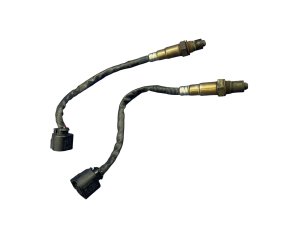
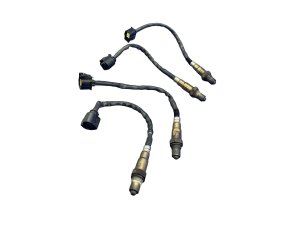
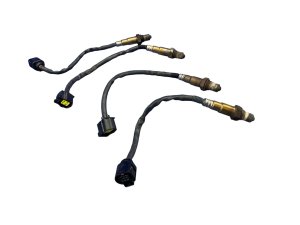
- Physical Inspection: Carefully inspect the sensor. Look for a cracked ceramic insulator (the white part), bent or damaged housing, and frayed or cut wires. The electrical connector should be clean and free of damage or corrosion.
- Avoid Heavy Contamination: A light coating of gray or tan soot is normal. However, avoid sensors that are heavily coated in thick, black, oily residue, as this may indicate it came from a poorly running engine.
- Mileage Considerations: Oxygen sensors are wear items. While they can last over 100,000 miles, it's best to source them from a low-mileage vehicle to ensure a long service life.
- Why Used OEM is a Smart Choice: The engine management system in a 720S is extremely sensitive. Used OEM Bosch sensors provide the exact fit, connector, and calibration the car was designed with, ensuring compatibility. This is a much safer bet than new, non-brand aftermarket sensors which may not perform to OE specifications and could cause persistent check engine light issues.
Replacement Overview
Replacing the oxygen sensors on a 720S is a challenging job due to the mid-engine layout and tight access to the exhaust components.
- Installation Difficulty: 4 out of 5. This is a difficult task for a DIY mechanic without a vehicle lift and experience working on mid-engine cars. Accessing the sensors, especially the upstream ones near the turbochargers, can be very tight.
- Tools Required: Vehicle lift or jack stands, ratchet with extensions, a specialized 22mm (7/8") offset oxygen sensor socket, penetrating oil, and a torque wrench. A diagnostic scan tool is also needed to read and clear fault codes.
- General Procedure:
- Safely raise the vehicle.
- You may need to remove underbody panels or wheel arch liners for access.
- Locate the target sensor on the exhaust pipe. Unplug its electrical connector first.
- Apply penetrating oil to the sensor's threads and let it soak to help break it free from the hot exhaust pipe.
- Use the O2 sensor socket to carefully remove the old sensor.
- Apply a small amount of anti-seize compound to the threads of the replacement sensor if it's not pre-applied. Be careful not to get any on the sensor tip.
- Thread the new sensor in by hand to avoid cross-threading, then tighten it to the manufacturer's specified torque.
- Plug in the electrical connector.
- Once all sensors are replaced, use a scan tool to clear any stored fault codes from the ECU.
Pro Tip: The upstream and downstream sensors have different length wiring harnesses. Always compare the new sensor to the old one you just removed to ensure the wire length and connector are a perfect match before installation.
Cost Comparison
The cost to replace oxygen sensors on a McLaren 720S can vary dramatically based on the parts source and labor rates.
| Item | Estimated Cost (Per Sensor) |
|---|---|
| New OEM (Dealer) | $480 - $850 |
| New Aftermarket (Bosch) | $150 - $300 |
| Used OEM | $75 - $125 |
| Shop Labor | $300 - $600+ (per pair, highly dependent on shop rates and sensor location) |
Note: Labor costs for a supercar like a McLaren are typically higher than for standard vehicles and can vary significantly.
Frequently Asked Questions (FAQ)
What is the difference between an upstream and a downstream oxygen sensor?
The upstream sensor (also called primary or Sensor 1) is located before the catalytic converter. It reads the raw exhaust from the engine and is the primary sensor used by the ECU to adjust the air-fuel mixture. The downstream sensor (secondary or Sensor 2) is located after the catalytic converter and its main job is to monitor the converter's efficiency.
Can I replace just one faulty oxygen sensor?
Yes, you can replace only the sensor that has failed. However, oxygen sensors age and degrade over time. If one has failed due to high mileage, the others are likely nearing the end of their service life. Many technicians recommend replacing them in pairs (both upstream or both downstream) to ensure balanced readings between the engine banks.
Do I need to reset the computer after replacing the sensors?
Yes. After replacing the sensor(s), you must use an OBD-II scan tool to clear the stored fault codes from the engine control unit (ECU). This will turn off the check engine light and allow the ECU to recognize the new sensors and their readings.
Will a bad oxygen sensor cause my 720S to fail an emissions test?
Absolutely. A faulty oxygen sensor is one of the most common reasons for failing an emissions test. The sensors are a core component of the emissions control system, and a failure will almost certainly result in emissions levels that are out of compliance.
Technical Specifications
OEM Part Numbers: 0258027065 (Upstream/Primary) 0258006749 (Downstream/Secondary)
Set of four sensors: two upstream (wideband) and two downstream (narrowband). Requires a 22mm (7/8") oxygen sensor socket for removal/installation.
We Have This Part in Stock

The information in this article is provided for general reference and educational purposes only. Vehicle specifications, procedures, and part compatibility can vary by production date, trim level, and region. Always consult your vehicle's factory service manual and verify part numbers before purchasing or performing repairs. Safety-critical components such as airbags, seat belts, and braking systems should be installed by a qualified professional.
- McLaren 720S: