

2019-2024 Edge & Nautilus Oxygen Sensor Failure: Diagnosing CELs, Fuel Loss & Rough Idle
This guide covers the common symptoms, part numbers, and replacement costs for faulty oxygen sensors on the Ford Edge and Lincoln Nautilus with the 2.0L Turbo engine.
- These sensors fit the 2.0L Turbocharged engine only in the 2019-2024 Ford Edge and 2019-2023 Lincoln Nautilus.
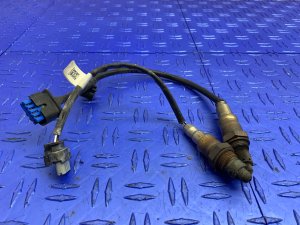
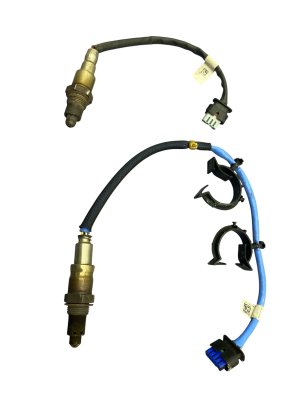
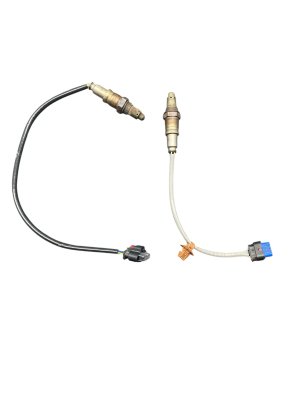
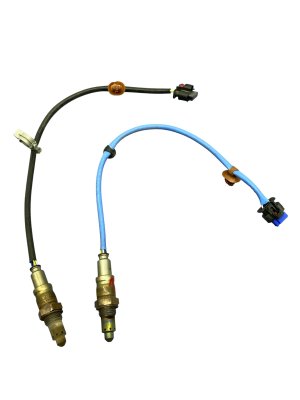
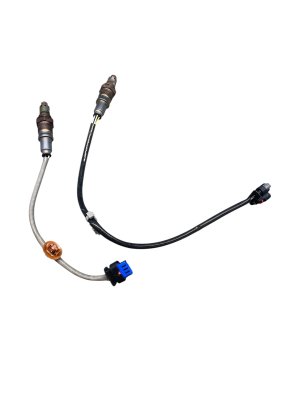
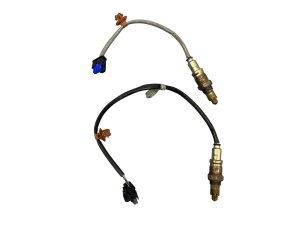
- There are two different sensors: Upstream (K2GZ-9F472-B) and Downstream (K2GZ-9G444-D). They are not interchangeable.
- Symptoms of failure include a Check Engine Light, poor fuel economy, and rough engine performance.
- Ignoring a bad oxygen sensor can lead to costly damage to the catalytic converter.
Symptoms of a Failing Oxygen Sensor
A bad oxygen sensor in your Ford Edge or Lincoln Nautilus will almost always trigger a Check Engine Light, but you may notice other performance issues first. Ignoring these symptoms can lead to reduced fuel economy and potentially expensive damage to your catalytic converter.
- Check Engine Light (CEL): This is the most common symptom. A failing oxygen sensor is a frequent cause for an illuminated CEL on these vehicles. Common trouble codes include P0130, P0131, P0135 (for the upstream sensor) and P0141 (for the downstream sensor).
- Poor Fuel Economy: If the upstream sensor provides incorrect data, the engine's computer can't maintain the right air-fuel balance, often causing the engine to run rich (too much fuel). This means you'll be visiting the gas station more often.
- Rough Idle and Hesitation: You might feel the engine running rough, shaking, or idling unevenly. A bad sensor can also cause hesitation or stumbling when you accelerate.
- Reduced Engine Power: Sluggish acceleration and a general lack of power can occur because the engine isn't burning fuel efficiently.
- Unpleasant Smells: A rich-running condition caused by a bad sensor can lead to a gasoline or "rotten egg" smell from the exhaust as unburned fuel hits the hot catalytic converter.
- Failed Emissions Test: A malfunctioning oxygen sensor will prevent the vehicle from passing a required emissions inspection.
Warning: A flashing Check Engine Light indicates a severe misfire that is dumping unburned fuel into the exhaust. Stop driving immediately to prevent rapid and catastrophic damage to the catalytic converter.
Known Issues and Vehicle-Specific Information
For the 2019-2024 Ford Edge and 2019-2023 Lincoln Nautilus with the 2.0L Turbo engine, the most important thing to know is that Ford updated the oxygen sensors during the vehicle's production run. The part numbers listed in this guide are for the later models.
- Upstream Sensor (Air/Fuel Ratio): Ford part number K2GZ-9F472-B. This is also called the "Front Upper" sensor.
- Downstream Sensor (Catalyst Monitor): Ford part number K2GZ-9G444-D. This is also called the "Rear Lower" sensor.
These two sensors are not interchangeable. They have different functions, different wire lengths, and different connectors. Always confirm the specific sensor you need before purchasing.
Buying a Used Oxygen Sensor Set
A used OEM oxygen sensor can be a reliable and cost-effective alternative to expensive new parts, especially when compared to lower-quality aftermarket options. However, since it's a sensitive electronic part, careful inspection is key.
Physical Inspection Checklist:
- Wires and Connector: Inspect the entire length of the wiring harness. Reject any sensor with cut, frayed, or melted wires. Check the plastic connector for cracks, broken locking tabs, or melted spots.
- Sensor Body: Look for heavy dents or crushing on the metal body of the sensor. A significant impact can damage the delicate ceramic element inside.
- Sensor Tip Inspection: The color of the sensor's tip can tell a story about the engine it came from.
- Light Gray/Tan: Normal, indicates a healthy engine. This is what you want to see.
- Black/Sooty: Indicates the donor car was running rich. The sensor may still be functional but has been stressed.
- White/Chalky: Could indicate an oil or coolant leak in the donor engine. It's best to avoid these.
- Threads: Check the threads for damage. Damaged threads can make installation impossible.
Why Used OEM is Often Better Than New Aftermarket
The engine management system in your Ford or Lincoln is precisely calibrated to work with the specific voltage readings and response times of a genuine Motorcraft oxygen sensor. While many aftermarket sensors will work, some can cause subtle issues like slightly reduced fuel economy or, in some cases, may not be compatible enough to turn off the Check Engine Light. A low-mileage used OEM sensor is often a safer bet than a new, unproven aftermarket brand.
Replacement Overview and Difficulty
- Difficulty: 2-4 (out of 5)
- Estimated Time: 0.5 - 1.5 hours
- DIY Feasible: Yes, for experienced DIYers
The difficulty of this job depends almost entirely on one factor: rust. The sensors are threaded directly into the hot exhaust system and can become seized over time. The upstream sensor is typically located on the exhaust manifold or turbocharger outlet, while the downstream sensor is located after the catalytic converter. Access can be tight for both.
Pro Tip: Before attempting removal, run the engine for a few minutes to warm up the exhaust, then shut it off. Spray the base of the sensor with a high-quality penetrating oil and let it soak. A special tool called an oxygen sensor socket, which has a slot for the wire, is highly recommended and makes the job much easier.
Cost Comparison
Prices can vary, but here is a general breakdown of what to expect for a single oxygen sensor.
| Part Type | Estimated Cost |
|---|---|
| New OEM (Motorcraft) | $90 - $150 |
| New Aftermarket (Bosch, Denso, etc.) | $60 - $135 |
| Used OEM | $40 - $80 |
| Shop Labor | $90 - $155 |
| Total Professional Replacement | $200 - $450 (approx.) |
Frequently Asked Questions (FAQ)
How many oxygen sensors does the 2.0L engine have?
The 2.0L 4-cylinder EcoBoost engine in these vehicles has two primary oxygen sensors: one upstream (before the catalytic converter) and one downstream (after the catalytic converter).
Can I replace just the one bad sensor?
Yes. You only need to replace the specific sensor that has failed and triggered the diagnostic trouble code. They do not need to be replaced in pairs.
Do I need to reset the computer after replacing the sensor?
After replacing the sensor, the Check Engine Light should turn off on its own after a few drive cycles. However, it is best practice to use an OBD-II scanner to clear the codes immediately after the repair. This confirms the fix and resets the engine's fuel trims.
What causes oxygen sensors to fail?
The most common cause of failure is simply age and high mileage (typically over 100,000 miles). They can also fail prematurely due to contamination from a coolant or oil leak, or from using poor-quality fuel or certain fuel additives.
Technical Specifications
OEM Part Numbers: K2GZ-9F472-B (Upstream) K2GZ-9G444-D (Downstream) K2GA9G444 K2GA9Y460
The upstream sensor is a wideband, 5-wire type, while the downstream sensor is a traditional 4-wire switching type.
We Have This Part in Stock

The information in this article is provided for general reference and educational purposes only. Vehicle specifications, procedures, and part compatibility can vary by production date, trim level, and region. Always consult your vehicle's factory service manual and verify part numbers before purchasing or performing repairs. Safety-critical components such as airbags, seat belts, and braking systems should be installed by a qualified professional.
- Lincoln Nautilus:
- Ford Edge:
- 🛍️ Shop This Part
- Symptoms of a Failing Oxygen Sensor
- Known Issues and Vehicle-Specific Information
- Buying a Used Oxygen Sensor Set
- Physical Inspection Checklist:
- Why Used OEM is Often Better Than New Aftermarket
- Replacement Overview and Difficulty
- Cost Comparison
- Frequently Asked Questions (FAQ)
- 🎟️ Get 5% Off