

Genesis & Kia 3.3T V6 Oxygen Sensor Failure: A Guide for G70, G80, G90, Stinger & K900
This guide covers the common failure symptoms, part numbers, and difficult replacement procedure for the passenger-side oxygen sensors on the 3.3L twin-turbo V6 engine.
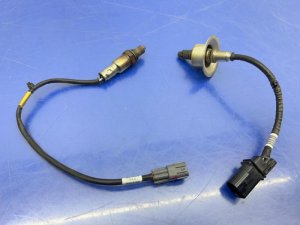
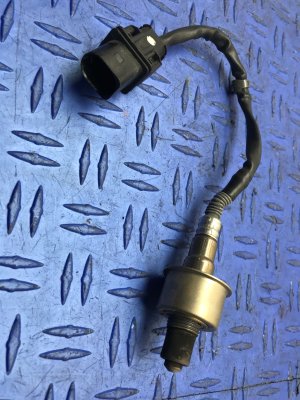
- This set is for the passenger side (Bank 2) of the 3.3L twin-turbo V6 and includes upstream (39210-3L000) and downstream (39210-3L500) sensors.
- A leaking turbocharger oil feed pipe (NHTSA Recall 24V191) is a common cause of passenger-side O2 sensor failure. Inspect for oil leaks before replacing sensors.
- The upstream sensor is extremely difficult to access, making replacement a high-difficulty job (4/5). It is often best to replace both sensors at the same time.
- When buying used, inspect carefully for oily residue on the sensor tip, which indicates it came from an engine with the oil leak defect.
Symptoms of a Failing Oxygen Sensor

When an oxygen sensor fails on your 2017-2023 Genesis or Kia with the 3.3L twin-turbo engine, you will likely notice several signs. The most obvious is a Check Engine Light (CEL) on your dashboard.
- Poor Fuel Economy: An incorrect reading from the sensor can cause the engine to run too rich (too much fuel), leading to a noticeable drop in gas mileage.
- Rough Idle or Engine Hesitation: The engine may run rough, hesitate during acceleration, or surge as the computer struggles to maintain the correct air-fuel balance.
- Failed Emissions Test: A faulty sensor will prevent the vehicle from passing an emissions inspection.
- "Rotten Egg" Smell: A rich-running condition can overwhelm the catalytic converter, producing a distinct sulfur or rotten egg smell from the exhaust.
An OBD-II scanner will typically show codes related to the passenger-side exhaust bank (Bank 2). Common codes include:
- P0150 to P0154: These codes point to a fault with the Bank 2, Sensor 1 (Upstream) circuit, such as a malfunction, slow response, or no activity.
- P0156 to P0161: These codes indicate a fault with the Bank 2, Sensor 2 (Downstream) circuit or its heater.
- P0174: System Too Lean (Bank 2). This means there is too much air or not enough fuel.
- P0175: System Too Rich (Bank 2).
- P0430: Catalyst System Efficiency Below Threshold (Bank 2). While this can mean a bad catalytic converter, it is often caused by a failing oxygen sensor providing incorrect data.
Critical Related Issue: Before replacing any oxygen sensors, you MUST inspect for the Leaking Turbocharger Oil Feed Pipe. A recall (NHTSA 24V191 / Hyundai Campaign 019G) was issued because the passenger-side (LH in the document, but physically on the right side of a RWD vehicle's engine bay) turbo oil feed pipe can degrade from heat and leak oil directly onto the hot exhaust manifold and oxygen sensors. This oil contamination will quickly destroy new sensors. If you see signs of an oil leak in this area, the recall repair must be performed first.
Replacement Difficulty & Procedure

Replacing this oxygen sensor set is a challenging job, primarily due to the location of the upstream sensor.
- Difficulty Rating: 4 out of 5
- DIY Feasible: Downstream sensor is possible for an intermediate DIYer; Upstream sensor is not recommended for beginners.
- Estimated Time: 1.5 - 3 hours
The downstream (rear) sensor is located in the exhaust pipe after the catalytic converter and is generally accessible from underneath the vehicle. However, the upstream (front) sensor is positioned on or immediately after the passenger-side turbocharger, tucked deep in the engine bay against the firewall. Access is extremely limited, and some service manuals suggest dropping the engine for related jobs in this area.
General Steps:
- Safely raise the vehicle on a lift or jack stands.
- Allow the exhaust to cool completely. These components get extremely hot.
- Spray the base of the old sensors with a quality penetrating oil and let it soak to help break them free. Heat may be required for stubborn sensors.
- Disconnect the electrical connector for each sensor.
- Using a special slotted oxygen sensor socket (typically 22mm or 7/8"), carefully remove the old sensors. The upstream sensor will require a combination of extensions and swivels to reach.
- Apply a small amount of anti-seize compound to the threads of the new sensors, being careful not to get any on the sensor tip.
- Install the new sensors and tighten to the manufacturer's specified torque. Do not overtighten.
- Reconnect the electrical connectors and clear the trouble codes with a scanner.
Pro Tip: Due to the extreme difficulty of accessing the upstream sensor, it is highly recommended to replace both the upstream and downstream sensors at the same time if you are paying for labor. The majority of the cost is getting to the parts, not the parts themselves.
Buying a Used Oxygen Sensor Set

A used OEM oxygen sensor can be a reliable and cost-effective alternative to expensive new parts, especially when compared to cheap aftermarket sensors which can have calibration and longevity issues. However, for this specific set of vehicles, careful inspection is critical.
- Mileage is Key: Oxygen sensors are wear items. Prioritize sensors from low-mileage vehicles (under 60,000 miles) for the best remaining service life.
- Inspect the Connector: Ensure the plastic connector and its locking tab are not cracked, broken, or melted. The wiring should be free of cuts or damage.
- CRITICAL - Check for Oil Contamination: Carefully examine the sensor's protective metal shield and tip. If you see a thick, black, oily, or sooty residue, DO NOT BUY IT. This is a clear sign it came from an engine suffering from the turbo oil feed line leak, and the sensor is likely damaged or will fail prematurely.
- Verify Part Numbers: Make sure you are getting the correct upstream and downstream sensors for the passenger side (Bank 2).
Cost Comparison
Prices can vary by supplier and location, but this provides a general estimate for the pair of Bank 2 sensors.
| Part Type | Estimated Cost |
|---|---|
| New OEM (Dealer/Online) | $470 - $670 |
| New Aftermarket (Bosch, NTK, Denso) | $200 - $350 |
| Used OEM (Recycled) | $60 - $120 |
| Shop Labor | $200 - $450 |
Vehicle Fitment & Part Numbers

This passenger-side (Bank 2) oxygen sensor set fits the following vehicles equipped with the 3.3L twin-turbo V6 engine:
- 2017-2020 Genesis G80
- 2017-2022 Genesis G90
- 2019-2023 Genesis G70
- 2018-2023 Kia Stinger
- 2019-2020 Kia K900
| Position | Description | Part Number(s) |
|---|---|---|
| Upstream (Front) | Bank 2, Sensor 1 | 39210-3L000 |
| Downstream (Rear) | Bank 2, Sensor 2 | 39210-3L500, 39210-3L550 |
Frequently Asked Questions (FAQ)
Can I just replace the one sensor that has a code?
Yes, you can replace only the failed sensor. However, oxygen sensors on both sides of the engine experience the same conditions and tend to fail around the same time. Furthermore, given the extreme difficulty and labor cost associated with replacing the upstream sensor, many technicians recommend replacing them in pairs (upstream and downstream) on the same bank to avoid a second repair job in the near future.
Why is the upstream sensor so expensive and hard to replace?
The upstream sensor is a more complex wideband air-fuel ratio sensor, making it more expensive than the simpler downstream sensor. Its location, tucked behind the engine and next to the turbocharger, makes access incredibly difficult, which significantly increases the labor time and cost for replacement.
Is a check engine light for an O2 sensor a serious problem?
While the car will still run, you should not ignore it. A bad sensor causes the engine to run inefficiently, which wastes fuel and can, over time, damage expensive components like the catalytic converter. You will also fail any required emissions tests. It's best to diagnose and repair the issue promptly.
How do I know if my car has the leaking turbo oil line?
The most common symptoms are a burning oil smell or visible smoke coming from the passenger side of the engine bay, especially after the engine is warm. A technician can inspect the area around the turbocharger and exhaust manifold for signs of fresh or caked-on oil. You can also check your vehicle's VIN on the NHTSA website for open recalls.
Technical Specifications
OEM Part Numbers: 39210-3L000 392103L000 39210-3L500 392103L500 39210-3L550 392103L550
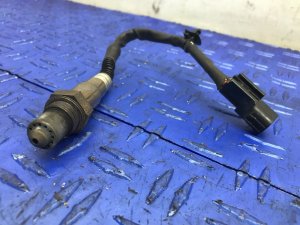
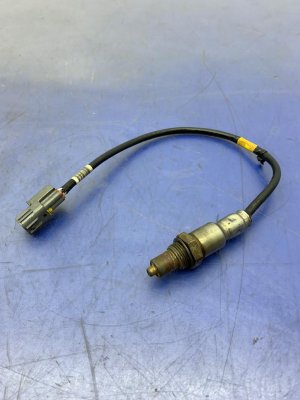
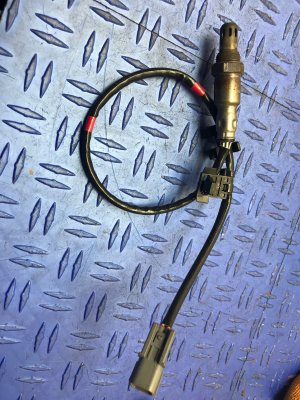
Bank 2 (Right/Passenger Side) Sensor Set for 3.3L Twin-Turbo V6. Includes one upstream (wideband air-fuel ratio) and one downstream (heated oxygen) sensor. Requires a 22mm (7/8") slotted oxygen sensor socket for removal/installation.
We Have This Part in Stock


The information in this article is provided for general reference and educational purposes only. Vehicle specifications, procedures, and part compatibility can vary by production date, trim level, and region. Always consult your vehicle's factory service manual and verify part numbers before purchasing or performing repairs. Safety-critical components such as airbags, seat belts, and braking systems should be installed by a qualified professional.
- Genesis G80:
- Genesis G90:
- Genesis G70:
- Kia Stinger:
- Kia K900: