

2018-2023 BMW X2 Oxygen Sensors: Decoding Part Numbers and Failure Symptoms
This guide explains how to diagnose a failing O2 sensor in your BMW X2, verify the correct part numbers, and choose a reliable used replacement.
- You MUST verify the part number on your X2's original sensor before buying a replacement; do not rely on generic database info.
- The most common OEM part numbers are 11788600992 (Upstream) and 11788604889 (Downstream).
- A bad O2 sensor will cause a check engine light, poor fuel economy, and can lead to costly catalytic converter damage if ignored.
- A low-mileage used OEM sensor (e.g., Bosch) is often a more reliable and cost-effective choice than a new, cheap aftermarket sensor.
Symptoms of a Failing Oxygen Sensor

When an oxygen sensor in your X2 begins to fail, the engine's computer can no longer accurately adjust the air-fuel ratio. This can lead to a number of noticeable problems.
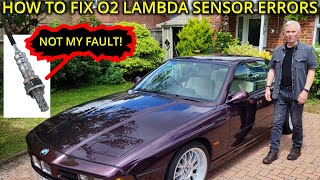
- Check Engine Light: This is the most common symptom. The computer will store fault codes related to the sensor's performance. Common codes include P0131, P0171, P0172, and BMW-specific codes for sensor heating circuits or slow response times. 🎬 Watch: How to diagnose BMW oxygen sensor error codes
- Poor Fuel Economy: If the sensor fails, the engine often defaults to a 'rich' mixture, meaning it uses more fuel than necessary. This will cause a noticeable drop in your miles per gallon (MPG).
- Rough Idle and Poor Performance: An incorrect air-fuel mixture can cause the engine to idle roughly, hesitate during acceleration, or even misfire. You might feel a general lack of power or sluggishness.
- Rotten Egg Smell: A strong smell of sulfur or rotten eggs from the exhaust can indicate that the catalytic converter is being overloaded with unburned fuel, a condition often caused by a bad upstream oxygen sensor.
- Failed Emissions Test: A faulty oxygen sensor is a very common reason for failing a state-mandated emissions or smog test.
Known Issues & Part Number Verification for 2018-2023 BMW X2

The 2.0L B46/B48 engine used in the X2 has several possible oxygen sensor part numbers, and using the correct one is critical for proper function. There are no major recalls or widespread Technical Service Bulletins (TSBs) specifically for oxygen sensor failure on this model, but part number confusion is a common issue.
Warning: BMW uses multiple part numbers for what appear to be identical sensors. The part numbers provided from a database, such as 7582780 and 7636674, may apply to other BMW models but are not the primary numbers for the X2. You must verify the part number printed on your vehicle's original sensors before purchasing a replacement.
Based on dealer parts catalogs for the F39 X2 (sDrive28i and xDrive28i models), the most common part numbers are:
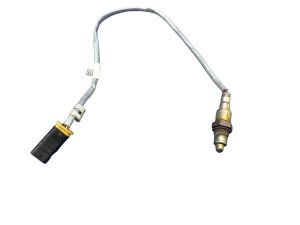
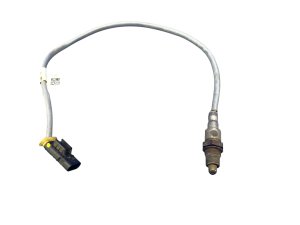
- Upstream (Regulating) Sensor: BMW Part Number 11788600992
- Downstream (Monitoring) Sensor: BMW Part Number 11788604889
Always cross-reference the number on your physical part, as mid-year production changes can occur.
Buying a Used Oxygen Sensor Set: What to Look For

A quality used OEM oxygen sensor can be a smart purchase, offering factory performance for a fraction of the price of a new one. However, since they are sensitive electronic components, careful inspection is key.
Why Used OEM is Often Better Than New Aftermarket
The engine management system in your BMW is precisely calibrated to work with OEM sensors, which are typically manufactured by Bosch. Cheap aftermarket sensors often lack the same precision and durability, leading to persistent check engine lights, poor performance, and a shorter lifespan. A low-mileage used OEM sensor is often a more reliable choice than a new, non-OEM part.
Physical Inspection Checklist
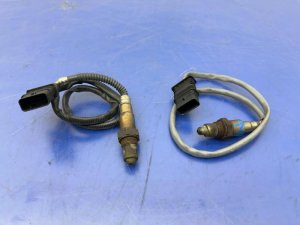
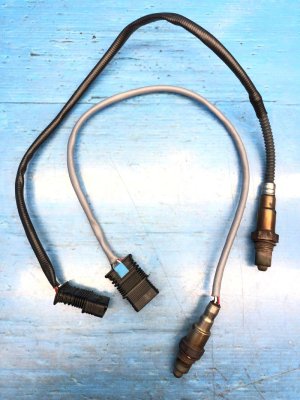
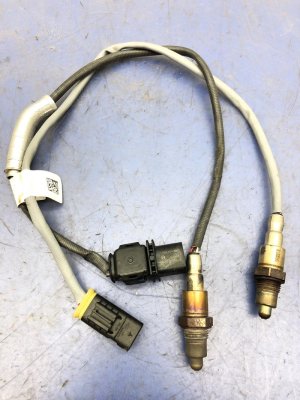
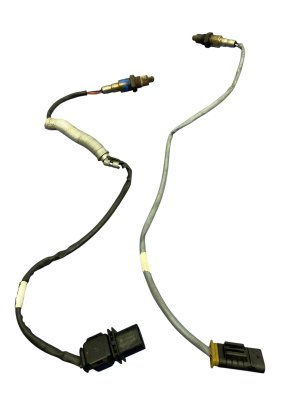
- Connector and Wiring: Inspect the plastic connector for any cracks or broken locking tabs. Check the entire length of the wiring harness for cuts, melting, or brittleness. The protective sheath should be intact.
- Sensor Tip: The metal probe at the end should be free of heavy, black, oily soot or a white, chalky coating. Oily residue indicates an engine oil leak may have contaminated the sensor, while a white coating can point to coolant contamination. A sensor with a light tan or grayish deposit is typically normal.
- No Physical Damage: The sensor's metal body should not be dented or crushed. Do not purchase a sensor that appears to have been dropped, as the internal ceramic element is fragile.
- Part Number Match: As stated above, this is the most critical step. Ensure the OEM number printed on the used sensor's housing matches your original part exactly.
Pro Tip: When buying a used sensor, try to get one from a vehicle with lower mileage (ideally under 80,000 miles). Oxygen sensors are a wear item and have a finite lifespan, typically around 100,000 miles.
Replacement Overview & Difficulty
- Difficulty Rating: 3 out of 5
- Estimated Time: 1-2 hours
- DIY Feasible: Yes, for those with mechanical experience.
Replacing the oxygen sensors on an X2 is possible for a DIY mechanic, but it can be challenging. The sensors are threaded directly into the hot exhaust pipes and can become seized over time. Access to the upstream sensor on the downpipe can also be tight.
Required Tools:
- A special oxygen sensor socket (a deep socket with a slit for the wire).
- Ratchet and extensions.
- High-quality penetrating oil.
- Anti-seize compound for the threads of the new sensor (many new sensors come with it pre-applied).
The basic procedure involves disconnecting the electrical connector, applying penetrating oil to the sensor's base, and using the special socket to break it loose. Always perform this work on a cold exhaust to avoid burns and reduce the risk of stripping threads.
Cost Comparison
Prices can vary by supplier and location. The following is an estimate of what you can expect to pay for a single oxygen sensor.
| Part Type | Estimated Price Range (per sensor) |
|---|---|
| New Genuine BMW | $200 - $410 |
| New OEM (Bosch) | $90 - $200 |
| New Aftermarket | $70 - $230 |
| Used OEM | $30 - $75 |
| Shop Labor Cost | $125 - $200 per sensor |
Frequently Asked Questions (FAQ)
How many oxygen sensors does a 2018-2023 BMW X2 have?
The 4-cylinder engines in the X2 have two oxygen sensors: one upstream (before the catalytic converter) and one downstream (after the catalytic converter).
What is the difference between an upstream and a downstream O2 sensor?
The upstream sensor (also called a regulating sensor or air-fuel ratio sensor) is the primary sensor used by the engine computer to adjust the fuel mixture. The downstream sensor (monitoring sensor) primarily checks the health and efficiency of the catalytic converter.
Can I clean a BMW oxygen sensor?
While some online sources suggest cleaning sensors, it is generally not an effective or long-lasting repair. Contaminants that ruin a sensor often penetrate the ceramic element, and cleaning the surface won't restore its function. Replacement is the only reliable solution.
Do I need to reset the computer after replacing an oxygen sensor?
After replacing the sensor, you must use an OBD-II scan tool to clear the fault codes from the engine computer (DME). This will turn off the check engine light. For some BMWs, it's also recommended to reset the engine's fuel adaptations to allow the computer to learn quickly with the new sensor data.
Helpful Videos
Technical Specifications
OEM Part Numbers: 11788600992 11788604889 11785A15D89 11788686978 11788631393 11788686977 11788659884
The upstream sensor is a 5-wire wideband type, while the downstream is typically a 4-wire narrowband sensor. Both use an M18x1.5 thread size.
We Have This Part in Stock

The information in this article is provided for general reference and educational purposes only. Vehicle specifications, procedures, and part compatibility can vary by production date, trim level, and region. Always consult your vehicle's factory service manual and verify part numbers before purchasing or performing repairs. Safety-critical components such as airbags, seat belts, and braking systems should be installed by a qualified professional.
- BMW X2:
- 🎬 Helpful Videos
- 🛍️ Shop This Part
- Symptoms of a Failing Oxygen Sensor
- Known Issues & Part Number Verification for 2018-2023 BMW X2
- Buying a Used Oxygen Sensor Set: What to Look For
- Why Used OEM is Often Better Than New Aftermarket
- Physical Inspection Checklist
- Replacement Overview & Difficulty
- Cost Comparison
- Frequently Asked Questions (FAQ)
- 🎟️ Get 5% Off