

BMW X1, X2 & MINI Cooper Oxygen Sensor Failure: 2014-2024 Symptoms, Codes & Replacement
Diagnose a bad oxygen sensor in your BMW X1, X2, or MINI Cooper and understand the critical differences between the front and rear sensors before you buy a replacement.
- The front (upstream) and rear (downstream) sensors are different parts and are not interchangeable. Verify the part number before buying.
- A bad oxygen sensor will cause poor fuel economy and performance, and if ignored, can destroy your expensive catalytic converter.
- Common symptoms include a Check Engine Light, rough idle, and a drop in MPG. A 'rotten egg' smell is a sign of critical damage occurring.
- While a used OEM sensor can be a good value, inspect it carefully for contamination and ensure it's from a low-mileage vehicle. A new sensor from an OEM supplier like Bosch is often a safer bet.
Symptoms of Oxygen Sensor Failure
A failing oxygen sensor can cause a range of problems, from annoying to potentially damaging. The first sign for most drivers is a Check Engine Light on the dashboard. If you have a code reader, you can check for specific fault codes related to the sensors.
- Check Engine Light: This is the most common symptom. Codes like P0136 or P0141 often point to a failure in the rear (post-catalyst) sensor's circuit or heater. Other codes related to fuel trim or sensor performance may also appear.
- Poor Fuel Economy: One of the first noticeable effects is a drop in your miles per gallon (MPG). The engine computer relies on the front sensor for an accurate air-fuel ratio; if the reading is wrong, the engine may run 'rich,' using more fuel than necessary.
- Rough Engine Performance: You might experience a rough or unstable idle, engine sputtering, hesitation during acceleration, or even stalling. This happens because the incorrect air-fuel mixture disrupts smooth combustion.
- Rotten Egg Smell: A strong sulfur or rotten egg smell from the exhaust is a serious warning sign. This indicates that unburned fuel is overheating and damaging the expensive catalytic converter because of the incorrect fuel mixture.
- Black Exhaust Smoke: In some cases, a rich fuel condition caused by a bad sensor can lead to black smoke coming from the tailpipe.
- Failed Emissions Test: A malfunctioning oxygen sensor will prevent the vehicle's emissions systems from passing inspection. In some cases, a software issue can prevent the O2 sensor 'readiness monitor' from setting, which also causes a failed test.
Known Issues and Vehicle-Specific Information
The oxygen sensors covered in this guide fit the 2016-2022 BMW X1, 2018-2023 BMW X2, 2014-2024 MINI Cooper, 2017-2022 MINI Cooper Countryman, and 2016-2022 MINI Cooper Clubman. These vehicles share common engines (like the B38, B46, and B48) and platform architecture (UKL2), meaning the sensors and their common issues are largely the same.
While there are no widespread recalls for these specific sensors, their failure is a common maintenance item as the vehicles age. The typical lifespan of an oxygen sensor is between 60,000 and 100,000 miles. Contamination from oil or coolant leaks can cause them to fail prematurely.
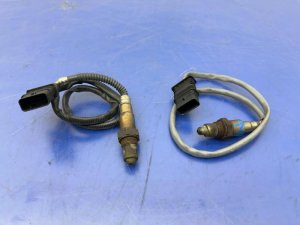
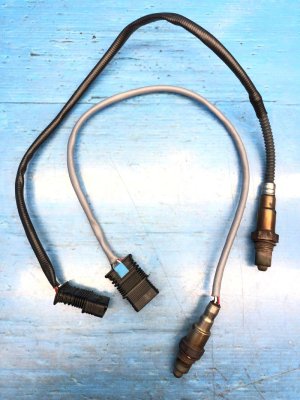
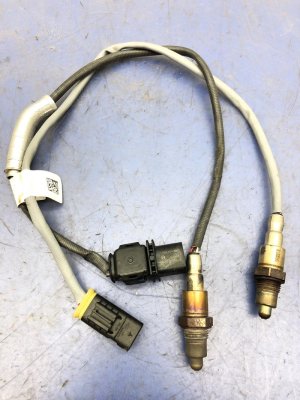
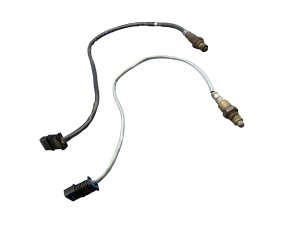
Compatibility Warning: The front (upstream) and rear (downstream) sensors are NOT interchangeable. They have different functions and part numbers. The front sensor is a wideband air-fuel ratio sensor, while the rear is a traditional switching oxygen sensor.
Buying a Used Oxygen Sensor Set
While buying a used oxygen sensor can save money, it comes with risks. These are sensitive electronic parts with a finite lifespan. If you are considering a used sensor, inspection is critical.
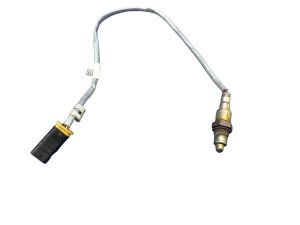
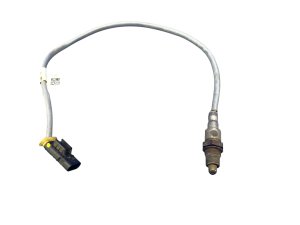
- Verify Part Numbers: This is the most important step. Ensure the part numbers on the sensor you are buying match the required numbers for your vehicle's position (front or rear). Do not trust a seller's fitment guide alone. The rear sensor is OEM part number 11788604889. The front sensor is OEM part number 11788600992.
- Physical Inspection: Look closely at the sensor tip. A healthy sensor should have a light gray or tan coating. Avoid sensors with heavy, black, sooty deposits (indicating it came from an engine burning oil or running rich) or a white, chalky coating (indicating coolant contamination).
- Check the Connector and Wires: The plastic connector should be free of cracks, and the pins inside should be straight and clean. The wiring harness should have no cuts, frays, or signs of melting.
- Mileage vs. Cost: An oxygen sensor is a wear item. A used sensor from a 100,000-mile vehicle may not have much life left. Compare the price of a low-mileage used OEM sensor to a new aftermarket sensor from an OEM supplier like Bosch or NTK. A new OEM-quality aftermarket part often provides better value and peace of mind than a high-mileage used part.
- Why Used OEM Can Be Better Than Cheap Aftermarket: If you find a low-mileage, verified OEM sensor, it is often a better choice than a new, non-brand 'universal' sensor. The engine management system in these BMW and MINI vehicles is calibrated specifically for the response time and accuracy of the original Bosch or NTK sensors. Cheap aftermarket sensors can fail quickly or provide inaccurate readings, leading to persistent performance issues.
Cost to Replace Oxygen Sensors
The cost can vary significantly between doing it yourself and having a shop perform the work. Prices also differ between BMW and MINI models, even though the parts are similar.
| Part/Service | Estimated Cost | Notes |
|---|---|---|
| New OEM Sensor (Dealer) | $210 - $325 per sensor | This is the price for just the part from a BMW or MINI dealership. |
| New Aftermarket (OEM Supplier) | $90 - $200 per sensor | For brands like Bosch, NTK, or Denso. The front wideband sensor is typically more expensive than the rear. |
| Used OEM Sensor | $40 - $100 per sensor | Highly dependent on mileage, condition, and seller. |
| Shop Labor Cost | $150 - $400 | Labor to replace one or both sensors. MINI models are often quoted lower ($150-$250) than BMW models ($260-$400). |
| Total Professional Replacement | $530 - $960 | Total cost for parts and labor at a repair shop for one sensor. Replacing both at the same time may save on labor. |
Replacement Overview & Difficulty
Replacing the oxygen sensors is a feasible DIY job for someone with moderate mechanical experience.
- Difficulty: 2 out of 5 (Front/Upstream); 3 out of 5 (Rear/Downstream)
- Tools Required: Jack and jack stands, basic socket set, oxygen sensor socket (a special socket with a cutout for the wire), penetrating oil, anti-seize compound.
- Procedure: The front sensor is usually accessible from the engine bay, screwed into the exhaust downpipe. The rear sensor is located further down the exhaust system, after the catalytic converter, and requires safely lifting the vehicle for access. The most difficult part is often breaking the old sensor loose, as it can be seized in the exhaust pipe from heat cycles. Applying penetrating oil beforehand is highly recommended.
Pro Tip: When installing the new sensor, apply a small amount of high-temperature anti-seize compound to the threads, being careful not to get any on the sensor tip itself. Most new sensors come with this pre-applied. Torque the sensor to the manufacturer's specification, which is typically around 35-40 ft-lbs.
Frequently Asked Questions
Can I replace just one oxygen sensor?
Yes, you can replace only the failed sensor. However, since oxygen sensors degrade with age, if your vehicle has high mileage (over 80,000 miles), it's often a good practice to replace them in pairs (both front and rear) to ensure balanced and accurate readings for the engine computer.
Are the front and rear oxygen sensors the same part?
No, they are not. The front (upstream) sensor is a wideband air-fuel ratio sensor (Part No. 11788600992) that provides detailed data for fuel mixture control. The rear (downstream) sensor is a switching sensor (Part No. 11788604889) that primarily monitors catalytic converter efficiency. They are not interchangeable.
What happens if I ignore a bad oxygen sensor?
Driving for an extended period with a bad oxygen sensor will cause poor fuel economy and performance. More importantly, it can lead to expensive damage to your catalytic converter, a repair that can cost thousands of dollars. It is much cheaper to replace the sensor.
Do I need to reset the computer after replacing the sensor?
After replacing the sensor, the Check Engine Light should go off on its own after a few drive cycles. However, it is best practice to use an OBD-II scanner to clear the fault codes from the engine computer's memory immediately after the repair.
Technical Specifications
OEM Part Numbers: 11788604889 (Rear/Downstream) 8604889 (Rear/Downstream) 11788600992 (Front/Upstream)
The front sensor is a 5-wire wideband air-fuel ratio sensor. The rear sensor is a 4-wire switching oxygen sensor.
We Have This Part in Stock

The information in this article is provided for general reference and educational purposes only. Vehicle specifications, procedures, and part compatibility can vary by production date, trim level, and region. Always consult your vehicle's factory service manual and verify part numbers before purchasing or performing repairs. Safety-critical components such as airbags, seat belts, and braking systems should be installed by a qualified professional.
- BMW X1:
- MINI Cooper:
- BMW X2:
- MINI Cooper Countryman:
- MINI Cooper Clubman: