

Audi R8 & Lamborghini Huracan Oxygen Sensor Guide (2015-2024): Symptoms, Part Numbers & Replacement Costs
Your definitive guide to diagnosing, replacing, and sourcing oxygen sensors for the 5.2L V10 engine in the Audi R8 and Lamborghini Huracan.
- This set includes two different types of sensors: upstream (pre-catalyst) and downstream (post-catalyst). They are not interchangeable.
- The most common failure symptoms are a Check Engine Light (codes P0130-P0167, P2096, P2098), poor fuel economy, and rough idle.
- There are no specific recalls for O2 sensor failure, but replacement is difficult due to tight access in the mid-engine bay, making labor costs high.
- A used OEM sensor from a low-mileage vehicle is often a better value than a cheap new aftermarket part, but verify part numbers and inspect for damage before buying.
Symptoms of Oxygen Sensor Failure
A failing oxygen sensor can cause a range of issues, from a simple check engine light to noticeable performance problems. Because these sensors directly influence the air-fuel mixture, ignoring a bad sensor can lead to poor fuel economy and potentially damage the expensive catalytic converters over time.
- Check Engine Light: This is the most common symptom. A diagnostic scan will typically reveal specific codes related to the oxygen sensors or fuel trim. Common codes include P0130-P0167 (O2 Sensor Circuit Malfunction), P2096 (Post Catalyst Fuel Trim System Too Lean Bank 1), and P2098 (Post Catalyst Fuel Trim System Too Lean Bank 2).
- Poor Fuel Economy: When an upstream sensor fails, the ECU may receive incorrect data, causing it to inject more fuel than necessary. This results in the engine running 'rich' and a noticeable drop in gas mileage.
- Rough Idle and Engine Misfires: An incorrect air-fuel ratio disrupts the combustion process, which can lead to a shaky idle, engine hesitation, or misfires.
- Reduced Engine Power: Your R8 or Huracan may feel sluggish or less responsive, especially during acceleration, as the ECU struggles to maintain the proper fuel mixture for optimal performance.
- Failed Emissions Test: A faulty O2 sensor is a primary cause of failed emissions tests, as it directly impacts the vehicle's ability to control harmful pollutants.
- "Rotten Egg" Smell: A strong sulfur smell from the exhaust can indicate that the catalytic converter is being overloaded with unburnt fuel, a condition often caused by a bad upstream oxygen sensor.
Known Issues, Recalls, and Technical Service Bulletins (TSBs)
As of mid-2024, there are no active recalls or widespread Technical Service Bulletins (TSBs) specifically for oxygen sensor failure on the 2017-2023 Audi R8 or 2015-2024 Lamborghini Huracan.
Pro Tip: While not specific to the R8/Huracan, Audi has issued TSBs for other models with similar engine management systems that log codes P2096 or P2098 (Post-Catalyst Fuel Trim Too Lean). In these cases, the bulletin advises technicians to replace the downstream (rear) oxygen sensor for the corresponding bank, even if diagnostic guides suggest an issue with the upstream sensor or an exhaust leak. If you have these specific codes, the downstream sensor is the most likely culprit.
While not related to oxygen sensors, owners should be aware of other safety recalls for these vehicles. You can check if your specific vehicle is affected by entering your VIN on the NHTSA website.
- Audi R8 (2017-2018): A recall was issued for a gearbox ventilation hose that could leak transmission fluid onto hot components, increasing fire risk (NHTSA Recall 18V429000).
- Audi R8 (2021-2022) & Lamborghini Huracan (2020-2022): A recall was issued for insufficient transmission oil from the factory, which could cause a loss of power or fire risk (NHTSA Recall 22V225000).
- Audi R8 (2017): Part of the massive Takata airbag inflator recall (NHTSA Recall 19V014000).
Buying a Used Oxygen Sensor Set
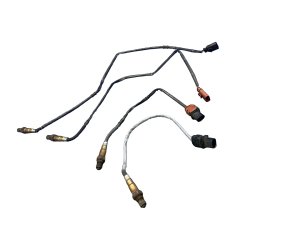
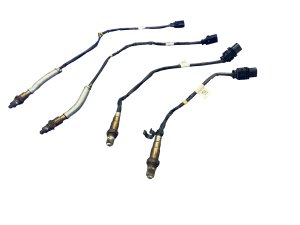
Purchasing a used oxygen sensor set can offer significant savings, especially when a new OEM set can cost over a thousand dollars. However, since O2 sensors are wear items, it's crucial to buy smart. A low-mileage, tested OEM sensor is almost always a better choice than a new, cheap aftermarket part of unknown quality.
- Verify Part Numbers: The V10 engine uses different sensors for the upstream (pre-catalyst) and downstream (post-catalyst) positions. The most common downstream sensor is part number 4S0906262H. Upstream sensors have different part numbers. Always match the part number from your old sensor or verify with a dealer using your VIN.
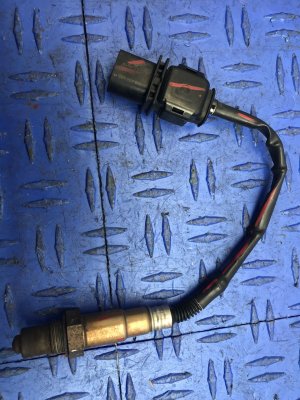
- Physical Inspection: Before buying, inspect the sensor closely. Look for a clean, white or light-gray ceramic tip. Avoid sensors with heavy black soot (engine ran rich), oily residue (internal engine leaks), or a chalky white coating (coolant contamination). Check that the electrical connector pins are clean and free of corrosion.
- Mileage Matters: Oxygen sensors have a finite lifespan, typically around 100,000 miles. Ask the seller for the mileage of the donor vehicle. A sensor from a low-mileage car (under 50,000 miles) is a much safer bet.
- Buy from Reputable Recyclers: Purchase from established auto recyclers who test parts and offer a warranty. This gives you recourse if you receive a dead-on-arrival sensor.
Cost Comparison for Oxygen Sensor Replacement
The cost can vary significantly based on which of the four sensors needs replacement and whether you do the work yourself. Upstream (wideband) sensors are generally more expensive than downstream sensors. Prices below are estimates for a single sensor.
| Part/Service | Estimated Cost (per sensor) |
|---|---|
| New OEM (Dealer) | $300 - $610 |
| New Aftermarket (Bosch/NTK) | $100 - $250 |
| Used OEM | $40 - $100 |
| Shop Labor | $200 - $500+ |
Note: Labor costs for the R8 and Huracan are higher than average due to difficult access in the mid-engine layout. Replacing all four sensors could take a professional 4-6 hours.
Replacement and Installation
Replacing the oxygen sensors on the R8 and Huracan is a challenging DIY job due to tight access in the engine bay. While the basic steps are straightforward, reaching the sensors often requires removing multiple engine covers, airbox components, and heat shields.
Warning: The exhaust system gets extremely hot. Always allow the vehicle to cool down completely (for several hours) before beginning work.
- Access the Sensors: This is the hardest part. You will need to remove the large carbon fiber engine bay trim panels and likely the air filter housings to get a clear view of the exhaust manifolds (for upstream sensors) and downpipes (for downstream sensors).
- Disconnect the Sensor: Trace the wire from the sensor to its electrical connector. Carefully unclip the connector. Do not pull on the wire itself.
- Remove the Old Sensor: Use a specialized 22mm oxygen sensor socket with a slit for the wire, along with a ratchet and extension. The sensors can be seized in the exhaust pipe; spraying penetrating oil on the threads and letting it soak can help.
- Install the New Sensor: If the new sensor doesn't have anti-seize compound on the threads, apply a small amount, being careful not to get any on the sensor tip. Thread the new sensor in by hand to avoid cross-threading, then tighten it with the socket. A common torque spec is around 37 Nm (27 ft-lbs), but confirm the spec for your specific vehicle.
- Reconnect and Reassemble: Plug the electrical connector back in until it clicks. Reinstall all the covers and components you removed.
- Clear Codes: Use an OBD-II scanner to clear the fault codes from the ECU.
Frequently Asked Questions (FAQ)
Can I replace just one bad oxygen sensor, or should I replace them all?
You can replace just the one that has failed. However, oxygen sensors tend to age at a similar rate. If one has failed on a higher-mileage vehicle, others may not be far behind. To save on future labor costs, some owners choose to replace them in pairs (both upstream or both downstream) or as a complete set of four.
Do I need to reset the computer after replacing an oxygen sensor?
Yes, it is highly recommended. After installation, you should use an OBD-II scanner to clear the stored trouble codes from the engine control unit (ECU). This turns off the check engine light and allows the ECU to immediately start using the data from the new sensor.
What is the difference between an upstream and a downstream oxygen sensor?
Upstream sensors (also called Air/Fuel Ratio sensors) are located before the catalytic converter and are used for engine fuel control. They are typically more complex (wideband) and expensive. Downstream sensors are located after the catalytic converter and their main job is to monitor the converter's efficiency for emissions compliance.
Why are the OEM sensors for the R8 and Huracan so expensive?
The pricing reflects several factors: the use of high-quality, durable materials required for a high-performance engine, the complex technology in wideband upstream sensors, and the premium branding of Audi and Lamborghini parts. While aftermarket sensors from OEM suppliers like Bosch are a good alternative, they may not have undergone the exact same validation process as the genuine parts.
Technical Specifications
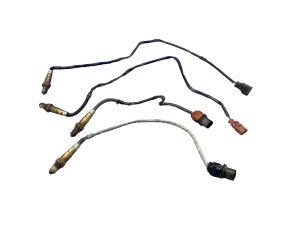
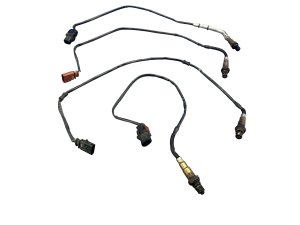
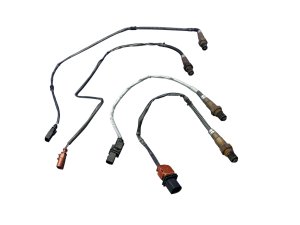
OEM Part Numbers: 4S0906262H 4S0906262G 4S0906262F 4S0906262D
The system uses four heated oxygen sensors. The two upstream sensors are wideband Air/Fuel ratio sensors, while the two downstream sensors monitor catalyst efficiency. The thread size is M18-1.5 and requires a 22mm hex socket for removal/installation.
We Have This Part in Stock

The information in this article is provided for general reference and educational purposes only. Vehicle specifications, procedures, and part compatibility can vary by production date, trim level, and region. Always consult your vehicle's factory service manual and verify part numbers before purchasing or performing repairs. Safety-critical components such as airbags, seat belts, and braking systems should be installed by a qualified professional.
- Audi R8:
- Lamborghini Huracan: