

2017-2018 Porsche Macan Oxygen Sensor: Decoding Part Numbers and Failure Symptoms
A complete guide to diagnosing bad O2 sensors on your Porsche Macan, choosing the correct replacement part, and understanding the difference between upstream and downstream sensors.
- The most common failure symptoms are a Check Engine Light, poor fuel economy, and rough engine performance.
- Part numbers are specific to engine size (2.0L vs V6) and position (upstream vs. downstream). Using the correct OEM part number (often from Bosch) is critical.
- A faulty O2 sensor can trigger a P0420 or P0430 code, which may not mean the catalytic converter is bad. Diagnosing the sensor first can save thousands.
- A low-mileage used OEM sensor offers the same performance as a new dealer part for a fraction of the cost and is a safer bet than a cheap, unbranded aftermarket part.
Symptoms of a Failing Oxygen Sensor


A failing oxygen sensor can cause a range of issues, from subtle to severe. The first sign for most drivers is an illuminated Check Engine Light on the dashboard. If you notice any of the following symptoms, a faulty O2 sensor could be the culprit.
🎬 Watch: How to identify and address Porsche oxygen sensor malfunctions.- Check Engine Light: This is the most common symptom. A code scanner will typically reveal codes related to the O2 sensor heater circuit, sensor performance, or a lean/rich condition. A flashing check engine light indicates a serious misfire that could damage the catalytic converter, and you should stop driving the vehicle immediately.
- Reduced Fuel Economy: If the engine computer receives incorrect data from a faulty sensor, it can't manage the fuel mixture efficiently, often leading to the engine running rich (using too much fuel).
- Rough Idle and Poor Performance: You might experience a rough or unstable idle, engine hesitation, misfires, or a general lack of power. This happens because the air-fuel ratio is not properly regulated. 🎬 See why your Porsche might be idling rough.
- Failed Emissions Test: A bad O2 sensor is a common reason for failing an emissions test, as it directly impacts the vehicle's ability to control harmful pollutants.
- Rotten Egg Smell: In some cases, a strong sulfur or "rotten egg" smell from the exhaust can indicate a failing catalytic converter, which can be caused by a bad oxygen sensor creating an incorrect fuel mixture.
Vehicle-Specific Issues and Part Number Guide

While there are no widespread recalls or Technical Service Bulletins (TSBs) for oxygen sensors on the 2017-2018 Porsche Macan, confusion about part numbers is common. The Macan uses different sensors depending on the engine (2.0L Turbo I4 or 3.0L/3.6L V6) and the sensor's position (upstream or downstream). Using the wrong part can lead to persistent Check Engine Lights and performance problems.
The original equipment manufacturer for these sensors is typically Bosch. You can often buy the Bosch-branded part for significantly less than the Porsche-branded equivalent.
Pro Tip: The terms "Upstream" and "Downstream" refer to the sensor's location relative to the catalytic converter. Upstream is before the cat, downstream is after. V6 engines have two banks (Bank 1 and Bank 2), so they require four sensors in total, while the 4-cylinder engine has one bank and two sensors.
| Engine | Position | Porsche OEM Part Number(s) | Bosch / OEM Equivalent | Notes |
|---|---|---|---|---|
| 2.0L L4 Turbo (Base) | Upstream (Before Catalyst) | PAC-906-262-A, 95890626200 | 0258027060 | PAC-906-262-A supersedes 95890626200. |
| 2.0L L4 Turbo (Base) | Downstream (After Catalyst) | 8K0906262G | 0258030102, 16110 | This is a common VAG group part. |
| 3.0L V6 / 3.6L V6 (S, GTS, Turbo) | Upstream (Before Catalyst) | 95B-906-203-D | N/A | Fits Left or Right side. |
| 3.0L V6 / 3.6L V6 (S, GTS, Turbo) | Downstream (After Catalyst) | 95B-906-203-E | N/A | Fits Left or Right side. Replaces 95B-906-203-A. |
The P0420 and P0430 Codes
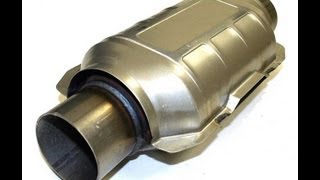
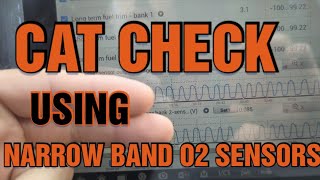
Error codes P0420 (Catalyst System Efficiency Below Threshold Bank 1) and P0430 (Bank 2) are common on many vehicles, including the Macan. These codes mean the downstream oxygen sensor's readings are too similar to the upstream sensor's, suggesting the catalytic converter isn't working correctly. While this can mean a failed (and very expensive) catalytic converter, it can also be caused by a faulty downstream O2 sensor providing incorrect readings, or an exhaust leak. It's often wise to diagnose the O2 sensor before replacing the converter.
🎬 Watch this guide to diagnosing P0420 and P0430 codes.Buying a Used Oxygen Sensor
Oxygen sensors are wear items, but a low-mileage used OEM sensor can be a smart and cost-effective alternative to a new part, especially when compared to cheap, no-name aftermarket options.
- Why Used OEM is a Good Choice: Porsche engine management systems are precisely calibrated. An OEM sensor (like Bosch) is designed with the exact response times and heating element characteristics your Macan's computer expects. Many generic aftermarket sensors can fail to meet these specs, leading to persistent codes, poor fuel economy, or even long-term damage to your catalytic converter. A used OEM sensor from a low-mileage vehicle provides known compatibility and quality at a fraction of the price of a new dealer part.
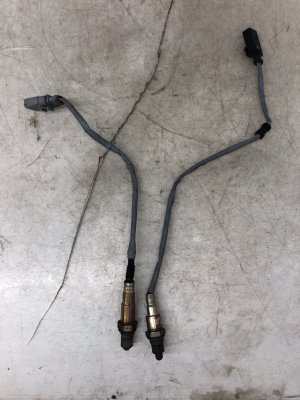
- What to Inspect: Before buying, physically inspect the sensor. Reject any part with a bent or damaged housing, cut or frayed wires, or a broken connector. The sensor tip should be free of heavy, oily deposits, which could indicate it came from a failing engine. A light grey or tan coating is normal.
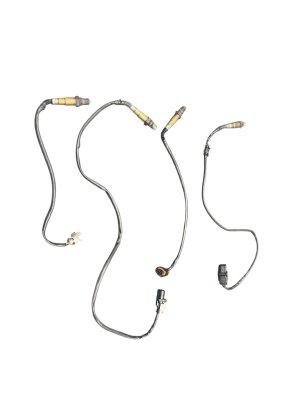
- Verify Compatibility: Double-check the part number stamped on the sensor housing or connector against the table above. Do not rely on visual similarity alone. The wire length and connector keying are specific to the application.
- Mileage Considerations: An O2 sensor's typical lifespan is 60,000 to 100,000 miles. A used sensor from a vehicle with 50,000 miles or less offers excellent value. Avoid sensors from high-mileage cars, as they may not have much service life remaining.
Installation and Replacement
Replacing an oxygen sensor on a 2017-2018 Macan is a moderately difficult task for a DIY mechanic. Access can be tight, and sensors can be difficult to remove.
- Difficulty: 3 out of 5.
- Estimated Time: 0.5 - 1.5 hours per sensor.
- Tools Required:
- Jack and jack stands
- Ratchet with extensions
- Specialized 22mm slotted oxygen sensor socket
- Penetrating oil (e.g., PB Blaster)
- Torque wrench
- Anti-seize compound (often included with new sensors)
Warning: Exhaust components can be extremely hot. Always allow the vehicle to cool down completely before beginning work. Sensors can also be seized into the exhaust pipe due to rust and heat cycles. Applying penetrating oil and letting it soak can help, but in some cases, a torch may be needed to heat the surrounding pipe to break the sensor free.
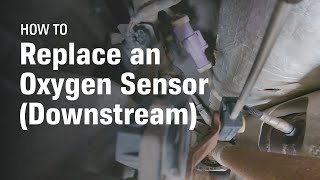
The basic process involves locating the correct sensor, disconnecting the electrical plug, and then using the O2 sensor socket to unscrew it. Installation is the reverse of removal. Be sure to apply anti-seize to the threads of the new sensor (avoiding the tip) and torque it to the proper specification.
Cost Comparison
The cost of replacing an oxygen sensor can vary dramatically based on the part source and who performs the labor.
| Part Type | Estimated Cost | Notes |
|---|---|---|
| New OEM (Dealer) | $350 - $500+ per sensor | The most expensive option. Part number PAC-906-262-A has an MSRP over $490. |
| New Aftermarket (Name Brand) | $55 - $210 per sensor | Bosch and NTK are OEM suppliers and offer a good balance of quality and price. |
| Used OEM | $30 - $60 per sensor | A cost-effective option providing OEM performance, sourced from low-mileage vehicles. |
| Shop Labor | $110 - $250 per sensor | Dealer labor rates can be significantly higher. An independent shop will likely charge for 1-1.5 hours of labor. |
Frequently Asked Questions (FAQ)
How many oxygen sensors does a 2017-2018 Porsche Macan have?
It depends on the engine. The 2.0L 4-cylinder engine has two oxygen sensors: one upstream and one downstream. The 3.0L and 3.6L V6 engines have four sensors: one upstream and one downstream for each engine bank (Bank 1 and Bank 2).
What is the difference between an upstream and downstream oxygen sensor?
The upstream sensor (Sensor 1) is located before the catalytic converter and is used by the engine computer to control the air-fuel mixture. The downstream sensor (Sensor 2) is located after the catalytic converter and is used to monitor the converter's efficiency.
Can I clean my oxygen sensor instead of replacing it?
While some online sources suggest cleaning an O2 sensor, it is generally not a reliable or long-term fix. The sensing element can become contaminated internally or simply wear out. A forum user noted a dealer cleaned a sooted sensor, but replacement is the standard and recommended repair. Given the relatively low cost of a new aftermarket or used OEM part, replacement is the better option.
Do I need to reset the computer after replacing an oxygen sensor?
After replacing the sensor, you should use an OBD-II scanner to clear the trouble codes. This will turn off the Check Engine Light. The car's computer will then begin to use the data from the new sensor immediately. No special programming or calibration is required.
Helpful Videos

Technical Specifications
OEM Part Numbers: 8K0906262G 95890626200 PAC-906-262-A 95B-906-203-D 95B-906-203-E 95B-906-203-A
4-wire heated oxygen sensors. Connector type and wire length vary by position and engine.
We Have This Part in Stock

The information in this article is provided for general reference and educational purposes only. Vehicle specifications, procedures, and part compatibility can vary by production date, trim level, and region. Always consult your vehicle's factory service manual and verify part numbers before purchasing or performing repairs. Safety-critical components such as airbags, seat belts, and braking systems should be installed by a qualified professional.
- Porsche Macan: