

2025-2026 Mini Cooper & Countryman Rear Oxygen Sensor: P0420 Codes and Replacement
Diagnosing check engine lights and failed emissions tests caused by the downstream O2 sensor in your 2.0L Mini.
- This guide covers the REAR (downstream) oxygen sensor, which only monitors the catalytic converter; it does not affect engine performance.
- The primary symptom of failure is a Check Engine Light, most commonly with code P0420. The car will drive normally.
- A faulty rear O2 sensor is often misdiagnosed as a failed catalytic converter. Always consider the sensor as a possible cause for a P0420 code.
- When buying a used sensor, inspect the wiring for damage and the tip for oil (black) or coolant (white) contamination.
Symptoms of a Failing Rear Oxygen Sensor
Unlike a front oxygen sensor which can cause noticeable engine performance problems, a failing rear oxygen sensor typically has very specific and limited symptoms. You will likely not notice any change in how the car drives.
- Check Engine Light (CEL): This is the most common, and often only, symptom. The ECU will detect that the catalytic converter's performance is below the acceptable threshold and store a fault code. The most frequent code is P0420 – Catalyst System Efficiency Below Threshold (Bank 1). Other codes related to the sensor's heater circuit or signal (P0136-P0141) can also appear.
- Failed Emissions Test: Because the rear O2 sensor is a key monitor for the emissions system, a faulty sensor or a resulting P0420 code will cause an automatic failure of a state emissions inspection. For many owners, this is how they first discover the problem.
- Incorrect Diagnosis of Catalytic Converter Failure: A faulty rear O2 sensor can send lazy or incorrect signals, tricking the ECU into thinking the expensive catalytic converter has failed. It is a common misdiagnosis, and the sensor should often be considered a primary suspect before replacing the converter. 🎬 Watch: Why you shouldn't replace your catalytic converter first
Known Issues, TSBs, and Recalls for 2025-2026 Models
As the 2025-2026 Mini Cooper (F66) and Countryman (U25) are new models, there are no widespread, documented failures, Technical Service Bulletins (TSBs), or recalls specifically related to the rear oxygen sensor at this time.
Searches of the National Highway Traffic Safety Administration (NHTSA) database show a few early recalls for these vehicles, such as NHTSA Campaign Number 25V616000, which addresses a potential issue with front seat belt retractors. However, none of these recalls pertain to the engine, exhaust, or emissions control systems. This is normal for new vehicles, and issues may be identified over time.
Pro Tip: Physical damage is the most likely issue on a new vehicle. Road debris can strike the sensor, or the wiring can be damaged during service. Always perform a visual inspection of the sensor and its harness underneath the car.
Buying a Used Oxygen Sensor: What to Check
A low-mileage, used OEM oxygen sensor can be a smart purchase, often performing better than a cheap aftermarket alternative. The vehicle's computer is finely tuned to the specific response rate of the original sensor. Here’s what to inspect before buying:
- Verify Part Numbers: Ensure the part you're buying is listed as OEM part number 5A15D89 or 8686977. This confirms it's the correct rear sensor for the 2.0L engine.
- Inspect the Electrical Connector: The pins inside the connector should be straight, clean, and free of any corrosion or green crust. Do not buy a sensor with bent or broken pins.
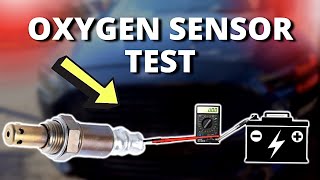
- Check the Wiring: Inspect the entire length of the wire from the sensor to the connector. Look for any cuts, abrasions, or melted spots on the protective sheathing. The wiring is often the first thing to get damaged. 🎬 Watch: How to test an oxygen sensor with a multimeter
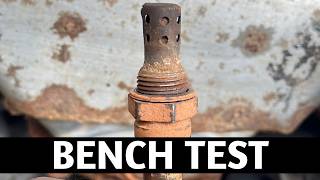
- Examine the Sensor Tip: The condition of the sensor's tip (the part that sits in the exhaust) can tell a story about the engine it came from.
- Normal: A light gray or tan, slightly dusty appearance is normal.
- Red Flag (Coolant): A chalky white or light green coating indicates the donor car may have had a head gasket leak. Avoid this sensor.
- Red Flag (Oil): A heavy, black, oily, or sooty coating suggests the donor car was burning oil. This contamination can ruin the sensor.
- Check the Threads: The threads on the sensor body should be clean and undamaged. Damaged threads indicate it was difficult to remove and may be hard to install.
- Prioritize Low Mileage: Oxygen sensors are wear items, typically lasting 80,000 to 100,000 miles. A used sensor from a vehicle with 15,000 miles is a much better value than one from a car with 75,000 miles, even if they look similar.
Replacement Overview
Replacing the downstream oxygen sensor is a straightforward task for a DIY mechanic with the right tools. It is located in the exhaust pipe after the primary catalytic converter.
- Difficulty: 2 out of 5
- Estimated Time: 0.5 - 1 hour
- Required Tools: Jack and jack stands, ratchet, penetrating oil, anti-seize compound, and a specialized 22mm O2 sensor socket. This socket has a slot down the side to accommodate the wire.
Basic Steps:
- Let the exhaust cool down completely.
- Safely raise and support the vehicle on jack stands.
- Locate the rear oxygen sensor and trace its wire to the electrical connector. Disconnect it.
- Spray penetrating oil on the base of the sensor where it threads into the exhaust pipe and let it soak for 15-20 minutes.
- Using the O2 sensor socket and a ratchet, break the sensor loose. It may require significant force if it's seized.
- Apply a small amount of high-temperature anti-seize compound to the threads of the new sensor, being careful not to get any on the sensor tip.
- Thread the new sensor in by hand to avoid cross-threading, then tighten it with a torque wrench. A common torque spec for older Minis is 37 ft-lbs, which is a good guideline. 🎬 See this step-by-step Mini Cooper O2 sensor replacement walkthrough
- Route the new wire and plug in the electrical connector.
- Use an OBD-II scanner to clear the fault codes from the ECU.
Cost Comparison
Prices can vary, but this provides a general estimate for the rear oxygen sensor on a 2025-2026 Mini Cooper or Countryman.
| Part Type | Estimated Cost | Notes |
|---|---|---|
| New OEM | $200 - $260 | Purchased from a Mini dealership or official online parts store. |
| New Aftermarket | $80 - $200 | From brands like Bosch, NTK, or Denso. Quality can vary. |
| Used OEM | $30 - $75 | A low-mileage recycled part offers excellent value. |
| Shop Labor | $100 - $200 | Typically 0.5 to 1.0 hour of labor at an independent shop. |
Frequently Asked Questions (FAQ)
Is this the front or rear oxygen sensor?
This guide is for the rear (downstream, post-catalyst) oxygen sensor, part numbers 5A15D89 and 8686977. Its function is to monitor the catalytic converter. The front (upstream) sensor is a different part that helps control the engine's air-fuel ratio.
Will a bad rear O2 sensor make my car run poorly or stall?
No. A failing rear oxygen sensor should not cause symptoms like a rough idle, hesitation, or stalling. Those issues are typically related to the front (upstream) sensor, ignition system, or fuel delivery problems. The only symptom of a bad rear sensor is usually just the check engine light.
Can I just clean my old oxygen sensor?
While some online sources suggest cleaning an O2 sensor, it is generally not an effective or long-lasting repair. The internal sensing elements can become contaminated or simply wear out over time. Replacement is the only reliable solution to permanently fix the issue.
Do I need to reset the computer after replacing the sensor?
Yes. After installing the new sensor, you must use an OBD-II scan tool to clear the stored diagnostic trouble codes (like P0420). If you do not clear the codes, the Check Engine Light will remain on even though the hardware problem is fixed.
Helpful Videos


Technical Specifications
OEM Part Numbers: 5A15D89 8686977
Location: Rear / Downstream / Post-Catalyst Engine Fitment: 2.0L Turbo Chassis Codes: F66 (Cooper), U25 (Countryman)
We Have This Part in Stock


The information in this article is provided for general reference and educational purposes only. Vehicle specifications, procedures, and part compatibility can vary by production date, trim level, and region. Always consult your vehicle's factory service manual and verify part numbers before purchasing or performing repairs. Safety-critical components such as airbags, seat belts, and braking systems should be installed by a qualified professional.
- Mini Cooper:
- Mini Countryman: