

2018-2020 Jaguar XE 2.0L Oxygen Sensor: Failure Symptoms, Part Numbers & Replacement
A detailed guide to diagnosing, identifying, and replacing the correct oxygen sensors on your 2018-2020 Jaguar XE with the 2.0L gas engine.
- The 2.0L gas engine in the 2018-2020 XE uses multiple, position-specific oxygen sensors (upstream and downstream) that are not interchangeable.
- Failure symptoms typically include a Check Engine Light, poor fuel economy, and rough idling. A flashing CEL is serious and risks catalyst damage.
- While no specific recalls exist, Jaguar has previously issued extended warranties and software updates for O2 sensor issues on similar models.
- A used OEM sensor is often a more reliable and cost-effective choice than a new 'universal' aftermarket sensor, provided the part number is an exact match.
Symptoms of a Failing Oxygen Sensor

A failing oxygen sensor on your 2018-2020 Jaguar XE will almost always alert you with a Check Engine Light (CEL). However, other performance issues may appear even before the light comes on. Ignoring these symptoms can lead to reduced fuel economy and potential damage to the expensive catalytic converter over time.
🎬 Watch: 6 common symptoms of a bad oxygen sensor- Check Engine Light (CEL): This is the most common sign. A solid CEL means there's a fault that needs to be checked. If the light is flashing, it indicates a severe misfire that could be damaging the catalytic converter. You should pull over and shut off the engine as soon as it is safe to do so.
- Poor Fuel Economy: A faulty sensor can send incorrect data to the ECU, causing the engine to run too rich (using too much fuel). You may notice you're filling up the tank more often.
- Rough Idle and Engine Misfires: An incorrect air-fuel mixture can cause the engine to run unevenly, especially at idle.
- Engine Hesitation or Sluggish Performance: You might notice a lack of power or a delay in acceleration as the ECU struggles to maintain the proper air-fuel balance.
- Failed Emissions Test: The primary job of O2 sensors is related to emissions control. A failing sensor will almost guarantee a failed smog check.
- "Rotten Egg" Smell: A sulfur-like smell from the exhaust can indicate that the catalytic converter is not operating correctly, often due to a rich fuel mixture caused by a bad upstream O2 sensor.
Common Diagnostic Trouble Codes (DTCs)
When the Check Engine Light comes on, a code reader will show specific Diagnostic Trouble Codes (DTCs). For oxygen sensor issues on a Jaguar XE, you may see codes indicating heater circuit malfunctions, slow response, or lean/rich conditions. Common codes include:
- P0135, P0141: O2 Sensor Heater Circuit Malfunction (Bank 1, Sensor 1 or 2)
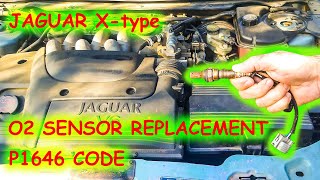
- P1646, P1647: Upstream Heated Oxygen Sensor (HO2S) Control Malfunction (Jaguar-specific codes for Bank 1 or 2) 🎬 See how to diagnose Jaguar O2 fault code P1646
- P1185: O2 Sensor Heater Circuit Open
- P0136: O2 Sensor Circuit Malfunction (Bank 1, Sensor 2)
- General codes for lean (P0171) or rich (P0172) conditions can also be triggered by a failing sensor.
Identifying the Correct Oxygen Sensor for the 2.0L Engine

The 2.0L Ingenium gasoline engine in the 2018-2020 Jaguar XE is an inline-four, meaning it has a single exhaust bank (Bank 1). However, it uses multiple oxygen sensors. The initial data about a "set of three" is plausible, as modern emissions systems can use one upstream sensor and two downstream sensors.
- Upstream Sensor (Bank 1, Sensor 1): This is located in the exhaust manifold or downpipe, before the catalytic converter. It is a wideband sensor that provides the primary air-fuel ratio feedback. It is often referred to as an Air-Fuel Ratio Sensor.
- Downstream Sensor(s) (Bank 1, Sensor 2 & 3): These are located after the catalytic converter(s). Their main job is to monitor the health and efficiency of the converter.
Warning: Upstream and downstream sensors are not interchangeable, even if they look similar. They have different functions and internal calibrations. Using the wrong sensor will result in persistent Check Engine Lights and performance problems. Always verify the part number for the specific position you are replacing.
Known OEM Part Numbers
Part numbers can supersede and vary. Always confirm fitment with the seller using your vehicle's VIN. The numbers below are known to fit the 2018-2020 XE 2.0L gas engine.
| Position | Known OEM Part Numbers |
|---|---|
| Upstream | T2H3281, JX739F472BB |
| Downstream | T2H57357, EJ329G444BC, GX539G444CB |
Known Issues, TSBs, and Recalls
While research did not uncover any specific recalls for oxygen sensors on the 2018-2020 Jaguar XE, Jaguar has a history of addressing O2 sensor issues through other means.
- No Direct Recalls: There are no NHTSA recalls for oxygen sensor failure on this specific model range. Recalls for these years primarily concern the fuel rail, rearview camera, and instrument cluster.
- Warranty Extension for Earlier Models: Jaguar issued a significant warranty extension for O2 sensors on many 2013-2017 models, including some XE variants, to 15 years. This was due to issues with sensor design, manufacturing, and software. While this program doesn't officially cover 2018+ models, it indicates that Jaguar has acknowledged sensor robustness as a concern.
- Technical Service Bulletins (TSBs): TSBs for older models (like JTB00392NAS3 and H231) often point to a software update for the Powertrain Control Module (PCM) as the fix for erroneous O2 sensor codes. If you experience a CEL for an O2 sensor, it's worth checking with a dealer if any software updates are available for your vehicle before replacing hardware.
Buying a Used Oxygen Sensor
Oxygen sensors are considered wear items, but a low-mileage used OEM sensor can be a smart and cost-effective alternative to expensive new dealer parts or unreliable aftermarket options.
What to Check Before Purchasing
- Verify the Part Number: This is the most critical step. Match the part number on the sensor you are buying to the one you are replacing. Cross-reference with dealer parts diagrams if needed.
- Inspect the Connector: Ensure the plastic connector and all pins are clean, straight, and free of corrosion or damage. Do not buy a sensor with a cut or damaged pigtail.
- Examine the Sensor Tip: The tip should be free of heavy, oily deposits. A light grey or tan coating is normal, but a thick, black, oily residue could indicate the donor car had serious engine problems, and the sensor may be contaminated.
- Check the Threads: The threads should be clean and undamaged to ensure it will install and seal correctly.
- Ask for Mileage: Reputable sellers of used parts can often provide the mileage of the vehicle the part was removed from. Opt for sensors from vehicles with the lowest possible mileage.
Pro Tip: For a critical, calibrated part like an oxygen sensor, a used OEM sensor from a trusted source is often a better choice than a new, cheap, "universal" aftermarket sensor. Universal sensors often require splicing wires and may not have the precise calibration your Jaguar's ECU expects, leading to ongoing issues.
Replacement Overview

Replacing an oxygen sensor on the Jaguar XE is a feasible DIY job for someone with moderate mechanical skill and the right tools.
- Installation Difficulty: 3/5. The main challenges are accessing the sensors, which may be in tight spaces, and removing the old sensor, which can be seized in the exhaust pipe due to heat and corrosion.
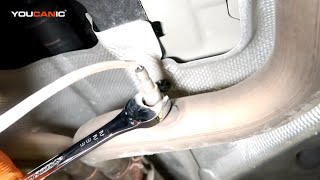
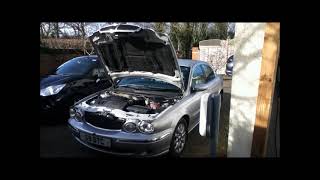
- Estimated Time: 0.5 - 1.5 hours per sensor, depending on location and how seized it is. 🎬 Watch this step-by-step Jaguar oxygen sensor replacement guide
- Required Tools:
- Jack and jack stands
- Ratchet with extensions
- A dedicated Oxygen Sensor Socket (a special slotted socket that fits over the wire pigtail).
- Penetrating oil (spray the old sensor and let it soak to help with removal).
- Torque wrench
- Anti-seize compound (if the new sensor doesn't have it pre-applied).
Cost Comparison
The cost of replacing an oxygen sensor can vary dramatically based on the part source and who does the labor.
| Item | Estimated Cost (per sensor) |
|---|---|
| New OEM (Dealer) | $340 - $450 |
| New Aftermarket (Bosch, Denso) | $90 - $190 |
| Used OEM | $40 - $80 |
| Shop Labor | $85 - $150 |
Frequently Asked Questions (FAQ)
How many oxygen sensors does the 2018-2020 Jaguar XE 2.0L have?
The 2.0L inline-four engine has one exhaust bank and typically uses three sensors: one upstream (before the catalytic converter) and two downstream (after the catalytic converter).
Can I drive with a bad oxygen sensor?
Yes, but it's not recommended for long. You will experience poor fuel mileage and increased emissions. If the Check Engine Light is flashing, it indicates a severe problem that can quickly destroy your catalytic converter, a much more expensive repair.
Do I need to reset the computer after replacing the sensor?
Yes. After replacing the sensor, the Diagnostic Trouble Code (DTC) that triggered the Check Engine Light needs to be cleared from the ECU using an OBD-II scan tool. The light may go off on its own after several driving cycles, but it's best to clear it manually.
What is the difference between an upstream and downstream sensor?
The upstream sensor (also called an air-fuel ratio sensor) measures the raw exhaust gas coming from the engine and provides fast feedback for the ECU to adjust the fuel mixture. The downstream sensor measures the exhaust after it has passed through the catalytic converter to verify that the converter is working correctly. They are not interchangeable.
Helpful Videos
Technical Specifications
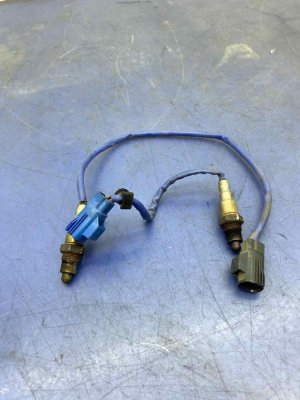
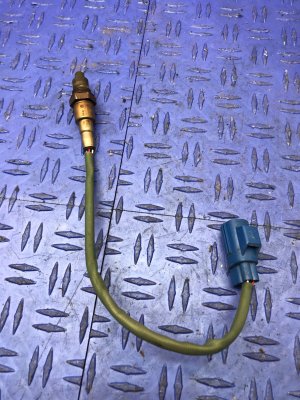
OEM Part Numbers: EJ329G444BC GX539G444CB JX739F472BB T2H3281 T2H57357
Thread Size: M18x1.5. Connector type: 4-pin or 5-pin, vehicle-specific. Type: Heated (HO2S). Upstream is a wideband sensor, downstream is a narrow-band switching type.
We Have This Part in Stock
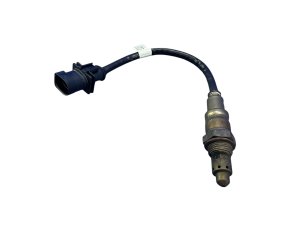
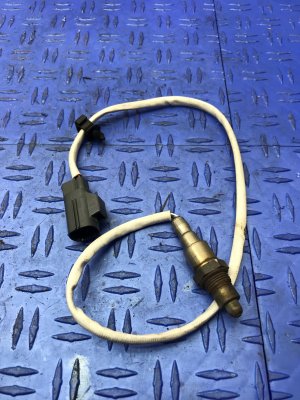
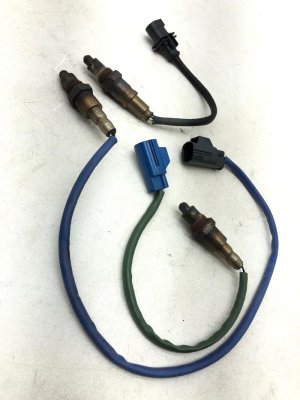
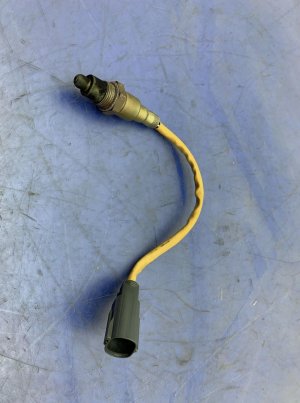

The information in this article is provided for general reference and educational purposes only. Vehicle specifications, procedures, and part compatibility can vary by production date, trim level, and region. Always consult your vehicle's factory service manual and verify part numbers before purchasing or performing repairs. Safety-critical components such as airbags, seat belts, and braking systems should be installed by a qualified professional.
- Jaguar XE:
- 🎬 Helpful Videos
- 🛍️ Shop This Part
- Symptoms of a Failing Oxygen Sensor
- Common Diagnostic Trouble Codes (DTCs)
- Identifying the Correct Oxygen Sensor for the 2.0L Engine
- Known OEM Part Numbers
- Known Issues, TSBs, and Recalls
- Buying a Used Oxygen Sensor
- What to Check Before Purchasing
- Replacement Overview
- Cost Comparison
- Frequently Asked Questions (FAQ)
- 🎟️ Get 5% Off