

2018-2020 F-150 Oxygen Sensor Guide: 3.3L & 5.0L Diagnosis and Replacement
Diagnose common O2 sensor fault codes, understand compatibility traps, and learn why choosing the right used OEM sensor is critical for your truck's engine.
- Your F-150 has four O2 sensors; confirm the exact location (Bank 1/2, Sensor 1/2) before buying a replacement as they are not interchangeable.
- Always try to use genuine OEM (Motorcraft) sensors, even if used. Incompatible aftermarket sensors are a common cause of persistent check engine lights.
- An O2 sensor code does not always mean the sensor is bad. Always check for exhaust leaks, wiring damage, or other engine issues first.
- Driving with a bad O2 sensor can lead to poor fuel economy and will eventually damage the expensive catalytic converters.
Symptoms of a Failing Oxygen Sensor
A bad oxygen sensor can cause several noticeable issues. While the check engine light is the most common sign, other symptoms can point to a failing sensor before the light comes on.
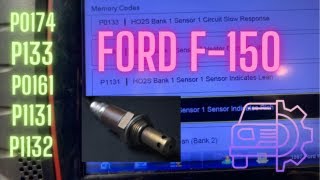
- Check Engine Light: This is the most frequent symptom. Common codes include P0131, P0151 (Upstream sensor circuit low voltage), P0135, P0155 (Heater circuit malfunction), P0056 (Heater control circuit), P0420, and P0430 (Catalyst efficiency below threshold). A code doesn't always mean the sensor is bad; it can also indicate a wiring issue or another engine problem like a vacuum leak.
- Poor Fuel Economy: When an O2 sensor fails, the engine computer may default to a rich fuel mixture, causing your truck to use more gas than usual.
- Rough Idle and Misfires: An incorrect air-fuel ratio can disrupt the engine's smooth operation, leading to a rough idle, hesitation during acceleration, or even engine misfires.
- Failed Emissions Test: Since O2 sensors are a key part of the emissions control system, a faulty one will almost certainly cause the vehicle to fail an emissions inspection.
- Rotten Egg Smell: In some cases, a failing sensor can lead to an overly rich fuel mixture that damages the catalytic converter, producing a sulfur or "rotten egg" smell from the exhaust.
Pro Tip: O2 sensor codes can sometimes be caused by other issues. Before replacing a sensor, check for exhaust leaks, vacuum leaks, and problems with the fuel system, as these can mimic sensor failure.
Buying a Used Oxygen Sensor for Your 2018-2020 F-150
Purchasing a used OEM oxygen sensor can be a smart way to save money, but careful inspection is key. A quality recycled sensor from a low-mileage vehicle is often a better choice than a cheap new aftermarket part.
What to Inspect Before You Buy
- Physical Condition: Examine the sensor's protective metal tip. Avoid any sensor with cracks, heavy dents, or obvious physical damage.
- Contamination: Look at the sensor tip. A light gray or tan color is normal. Heavy, black, oily soot suggests the donor vehicle ran rich, while a chalky white coating can indicate coolant or silicone contamination. Avoid sensors with heavy deposits.
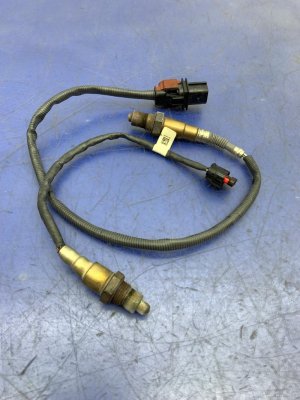
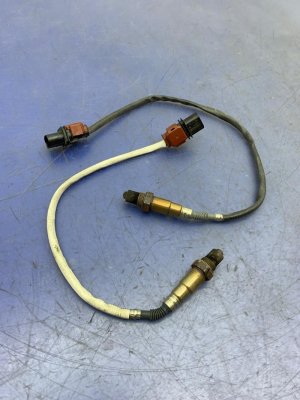
- Wiring and Connector: Inspect the entire length of the wire for any cuts, melting, or fraying. Check the plastic electrical connector for cracks, and look at the pins to ensure they are straight and free of corrosion.
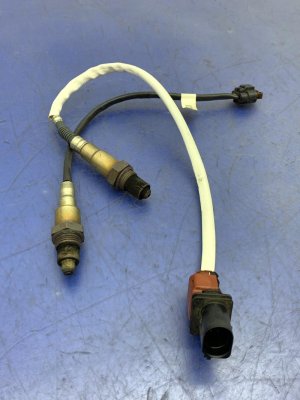
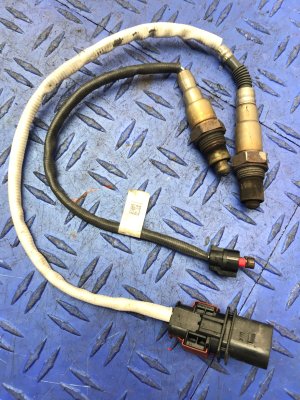
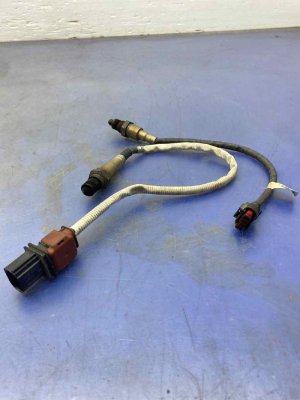
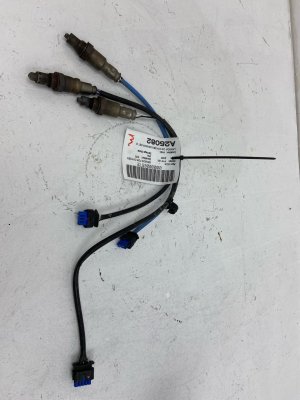
- Part Number Verification: This is the most critical step. Upstream and downstream sensors are not interchangeable, and sometimes left and right side sensors are different. The safest method is to match the part number from your old sensor to the used one you are buying.
Warning: Do not trust that a sensor will work just because it looks the same. Cheap aftermarket sensors often cause persistent check engine lights and performance issues because their voltage readings and response times don't match the precise specifications Ford's engine computer expects. Stick with genuine used Ford/Motorcraft parts.
Known Issues, TSBs, and Recalls
While there are no specific recalls for just the oxygen sensors on the 2018-2020 F-150, some Technical Service Bulletins (TSBs) address issues that can trigger O2 sensor codes.
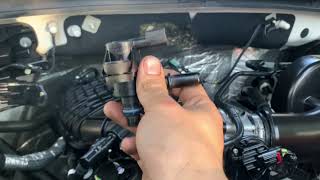
- TSB SSM 48789: Some 2018-2020 F-150s with the 2.7L EcoBoost engine may show a check engine light with codes P2196 and/or P2198 (O2 sensor signal stuck rich 🎬 Watch: How to diagnose and fix these stuck rich codes). This may be related to other system faults, not necessarily a bad sensor.
- Wiring Harness Issues: Forum discussions frequently mention that repeated O2 sensor failures can be traced back to a problem in the wiring harness, such as corrosion in the connector or a short circuit, rather than the sensor itself. If a replacement sensor fails quickly, the wiring should be thoroughly inspected.
No major recalls directly concerning oxygen sensors were found for this vehicle range. Most recalls pertain to other systems like lighting, seat belts, and transmission software.
Replacement Overview
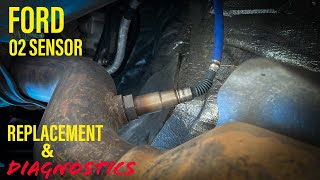
Replacing an oxygen sensor is a manageable DIY job for someone with basic mechanical skills and the right tools. The main challenges are accessing the sensor and breaking it loose from the exhaust pipe, as it can seize due to heat and corrosion.
- Difficulty: 3 out of 5
- Tools Needed: Ratchet with extensions, penetrating oil, a dedicated 22mm oxygen sensor socket (which has a slot for the wire), and possibly a wrench.
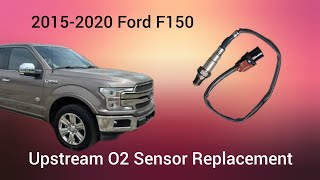
- Location: Your F-150 has four sensors. Bank 1 is the passenger side, and Bank 2 is the driver's side. Sensor 1 is upstream (before the catalytic converter, closer to the engine), and Sensor 2 is downstream (after the catalytic converter). Accessing the upstream sensors, especially on the passenger side (Bank 1), can be tight. 🎬 See this step-by-step upstream sensor replacement walkthrough
- General Steps:
- Let the exhaust cool completely.
- Locate the faulty sensor and spray its base with penetrating oil. Let it soak.
- Follow the wire to the electrical connector and disconnect it. You may need a small screwdriver to release the locking tab.
- Using the O2 sensor socket, carefully loosen and remove the old sensor.
- Apply a small amount of anti-seize compound to the threads of the new sensor, being careful not to get any on the sensor tip. Many new sensors come with anti-seize pre-applied.
- Thread the new sensor in by hand to avoid cross-threading, then tighten it with the socket.
- Reconnect the electrical plug, clear the diagnostic codes with a scanner, and start the truck to ensure the check engine light stays off.
Pro Tip: If a sensor is seized, warming up the engine for a minute can help expand the exhaust pipe metal, making removal easier. Be extremely careful, as the exhaust will be hot.
Cost Comparison
Prices can vary based on brand and location. OEM parts are from Ford/Motorcraft.
| Part Type | Estimated Cost |
|---|---|
| New OEM (Ford/Motorcraft) | $95 - $160 per sensor |
| New Aftermarket | $50 - $175 per sensor |
| Used OEM | $30 - $75 per sensor |
| Shop Labor Cost | $100 - $150 per sensor |
Frequently Asked Questions (FAQ)
How many oxygen sensors does my 2018-2020 F-150 have?
Both the 3.3L V6 and 5.0L V8 engines have four oxygen sensors: one upstream and one downstream on each of the two exhaust banks (Bank 1/passenger side, Bank 2/driver side).
What is the difference between an upstream and a downstream O2 sensor?
Upstream sensors (Sensor 1) are located before the catalytic converter and are used by the engine computer to make rapid adjustments to the air-fuel mixture. Downstream sensors (Sensor 2) are located after the catalytic converter and are used to monitor the converter's efficiency. They are not interchangeable.
Can I clean an O2 sensor instead of replacing it?
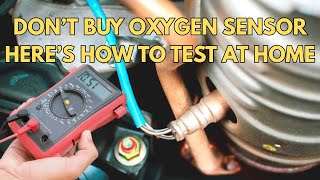
While some light surface deposits can sometimes be cleaned, it is generally not a reliable or long-term fix. The internal sensing elements wear out over time, and cleaning will not restore a sensor that has failed electrically. 🎬 Watch: How to test your O2 sensor before replacing it Given the labor involved, replacement is the recommended solution.
Why did my check engine light come back after replacing the O2 sensor?
This can happen for several reasons. The most common are using a low-quality aftermarket sensor that isn't compatible, an underlying issue like an exhaust or vacuum leak, or a problem with the wiring harness or connector. It's also possible the O2 sensor was correctly reporting a different problem, such as a failing catalytic converter (often indicated by codes P0420 or P0430).
Helpful Videos
Technical Specifications
OEM Part Numbers: JL3Z-9F472-B JL3A-9G444 JL3Z-9G444-B JL3A-9Y460
The 2018-2020 F-150 uses modern wideband (upstream) and switching (downstream) heated oxygen sensors. A healthy upstream sensor's voltage fluctuates rapidly, while a downstream sensor's voltage should be relatively steady on a vehicle with a healthy catalytic converter.
We Have This Part in Stock

The information in this article is provided for general reference and educational purposes only. Vehicle specifications, procedures, and part compatibility can vary by production date, trim level, and region. Always consult your vehicle's factory service manual and verify part numbers before purchasing or performing repairs. Safety-critical components such as airbags, seat belts, and braking systems should be installed by a qualified professional.
- Ford F-150: