

2020-2026 Ford Explorer & Police Interceptor 2.3L Downstream Oxygen Sensor Guide
Diagnose check engine light codes P0136, P0138, and P0141 and learn why a corroded connector is a common issue on these vehicles.
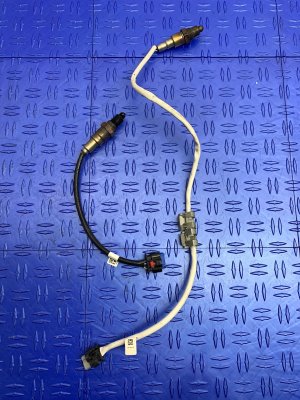
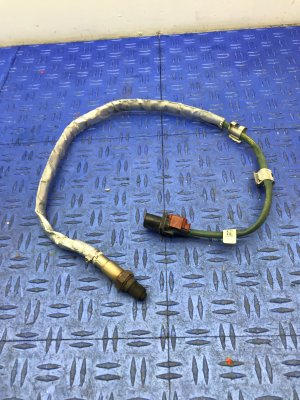
- This guide is for the DOWNSTREAM (rear) sensor for the 2.3L engine ONLY. The primary OEM part number is JD8Z-9G444-B.
- A common failure point is not the sensor itself, but the electrical connector located in the passenger-side wheel well, which is prone to water damage and corrosion.
- Failure of this sensor typically does NOT cause poor running conditions; the main symptom is a Check Engine Light with codes like P0136 or P0141.
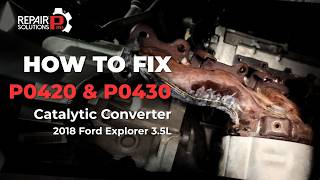
- Before replacing parts for a P0420 (catalyst efficiency) code, check with a dealer for a potential PCM software update, as this is a known issue.
Symptoms of a Failing Downstream Oxygen Sensor


Because the downstream oxygen sensor does not control the engine's air-fuel mixture, a failure will typically not cause noticeable driving problems. The most common signs are related to the check engine light and emissions testing.
- Check Engine Light (CEL): This is the most frequent and often only symptom. The PCM will detect a problem with the sensor's signal or its internal heater circuit and illuminate the malfunction indicator lamp (MIL) on your dashboard.
- Failed Emissions Test: With an active check engine light from a faulty O2 sensor, your vehicle will automatically fail a state emissions inspection.
- Specific Diagnostic Trouble Codes (DTCs): A scan tool will reveal codes pointing directly to the downstream sensor. Common codes for this issue include:
- P0136: O2 Sensor Circuit Malfunction (Bank 1, Sensor 2)
- P0141: O2 Sensor Heater Circuit Malfunction (Bank 1, Sensor 2)
- P0138: O2 Sensor Circuit High Voltage (Bank 1, Sensor 2)
Pro Tip: Symptoms like a rough idle, poor acceleration, or a drop in fuel economy are generally caused by a failing upstream oxygen sensor, not the downstream one. If you experience these issues, the upstream sensor (Motorcraft DY-1537) is the more likely culprit.
Known Issues for 2020-2026 Explorer & Police Interceptor

Corroded Connector in Passenger Wheel Well
A significant issue on 2020 and newer Ford Explorer and Police Interceptor Utility models is the placement of the downstream oxygen sensor's electrical connector. Ford located the connector in the passenger-side wheel well, where it is highly susceptible to being splashed with water, road salt, and grime. Over time, this moisture can get into the connector, causing corrosion on the pins and leading to intermittent or total sensor failure.
If you have a downstream sensor code like P0138 or P0141, your first diagnostic step should be to inspect this connector before replacing the sensor itself. Often, cleaning the corrosion from both halves of the connector or replacing a damaged connector pigtail can resolve the issue without needing a new sensor.
PCM Software Updates for P0420 Codes
While not a direct sensor failure, it's important to know that Ford has issued Technical Service Bulletins (TSBs 25-2072 and 25-2188) for some 2022-2025 Explorer models with the 2.3L engine that can set a false P0420 (Catalyst System Efficiency Below Threshold) code. This code is generated based on the downstream sensor's readings. The issue is often overly sensitive software in the Powertrain Control Module (PCM). Before assuming the sensor or the expensive catalytic converter has failed, it is crucial to have a Ford dealer check if a PCM software update is available.
Buying a Used Oxygen Sensor
For a downstream oxygen sensor, a used OEM part is an excellent, cost-effective option. Since it doesn't affect engine performance and primarily serves a monitoring role, its function is less sensitive than an upstream sensor. Here's what to check:
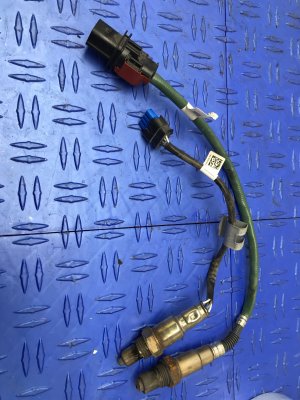
- Inspect the Connector: This is the most critical step. Look for any signs of green or white crusty corrosion, bent pins, or physical damage to the plastic housing. A clean, pristine connector is a good sign.
- Check the Wiring: Ensure the wiring harness is not cut, frayed, or melted. The protective sheathing should be intact.
- Examine the Sensor Tip: The sensor tip should be free of heavy, oily soot or white, crusty deposits. A light gray or tan coating is normal, but heavy contamination suggests it came from a poorly running engine.
- Verify Part Numbers: Make sure you are buying the correct downstream sensor. The primary OEM part number is JD8Z-9G444-B. Do not confuse it with the upstream sensor, which looks similar but is functionally different.
- Why Used OEM is a Good Choice: Genuine Ford/Motorcraft sensors are built to last and calibrated specifically for your vehicle's computer. This avoids potential compatibility issues that can sometimes arise with aftermarket brands, even for a downstream sensor. Given the low failure rate and non-critical function, a low-mileage used OEM sensor offers the best balance of reliability and value.
Replacement Overview

Replacing the downstream oxygen sensor on a 2020-2026 Ford Explorer or 2020-2024 Police Interceptor Utility with the 2.3L engine is a straightforward task for a DIYer with basic tools.
- Difficulty: 2 out of 5
- Estimated Time: 0.5 - 1 hour
- Tools Required: Jack and jack stands, 22mm (or 7/8") oxygen sensor socket, ratchet, penetrating oil.
Procedure:
- Safely lift and support the vehicle.
- Locate the sensor in the exhaust pipe, downstream from the catalytic converter.
- Trace the wire from the sensor to the electrical connector in the passenger-side wheel well. You may need to remove the wheel well liner for better access.
- Disconnect the electrical connector. Inspect it for corrosion as noted in the 'Known Issues' section.
- Apply penetrating oil to the base of the old sensor where it threads into the exhaust pipe and let it soak.
- Using the O2 sensor socket, carefully remove the old sensor.
- Most new and good used sensors come with anti-seize compound pre-applied to the threads. If not, apply a small amount to the threads, avoiding the sensor tip.
- Install the new sensor and tighten it securely. Reconnect the electrical connector.
- Clear the diagnostic trouble codes with a scan tool.
Warning: Exhaust components can be extremely hot. Always allow the vehicle to cool down completely before beginning work.
Cost of Replacement
The cost to replace the downstream oxygen sensor can vary significantly depending on the type of part used and whether you perform the labor yourself.
| Part/Service | Estimated Cost |
|---|---|
| New OEM (Ford/Motorcraft) | $140 - $240 |
| New Aftermarket (Bosch, Denso, NTK) | $40 - $130 |
| Used OEM | $35 - $80 |
| Shop Labor | $100 - $150 |
Part Number Cross-Reference

It is critical to install the correct sensor. The part numbers for the upstream and downstream sensors are different and they are not interchangeable. This guide is for the downstream sensor only.
| Position | OEM Part Number | Motorcraft Part Number | Notes |
|---|---|---|---|
| Downstream (Rear) | JD8Z-9G444-B | DY-160 | This is the correct part for this repair. |
| Upstream (Front) | L1MZ-9F472-E | DY-1537 | Controls air/fuel ratio. Do NOT use for downstream replacement. |
The part number JD8Z-9G444-B replaces the older part number JD8Z9G444A. Other numbers like JD8G9G444AA may also be found on original parts.
Frequently Asked Questions (FAQ)
Can I drive with a bad downstream oxygen sensor?
Yes, you can drive the vehicle. A faulty downstream sensor will not affect engine performance or cause immediate damage. However, your check engine light will remain on, you will fail an emissions test, and you will not be alerted if the catalytic converter actually begins to fail.
Why is my check engine light on but my Explorer runs perfectly fine?
This is a classic symptom of a downstream oxygen sensor failure. Since this sensor only monitors the catalytic converter and doesn't provide feedback for the engine's air-fuel mixture, the car will continue to run normally even when the sensor has failed.
Should I replace the oxygen sensor if I have a P0420 code?
Not necessarily. On these specific vehicles, a P0420 code can often be caused by a PCM software issue that requires a dealer update. Always check for available TSBs and software updates before replacing the sensor or the much more expensive catalytic converter. If no software update is available, the next step is to diagnose the sensor and check for exhaust leaks.
Do I need to reset the computer after replacing the sensor?
Yes, it is best practice to clear the trouble codes from the PCM using an OBD-II scan tool after the replacement is complete. While the light may turn off on its own after several drive cycles, clearing the code immediately confirms the repair was successful.
Helpful Videos



Technical Specifications
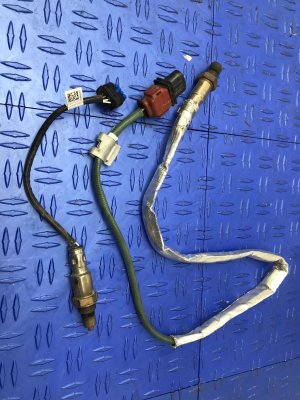
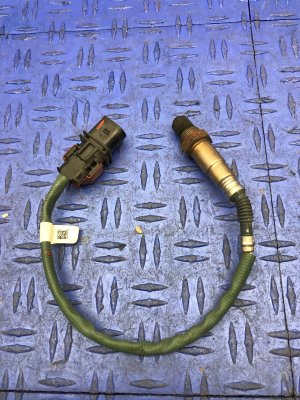
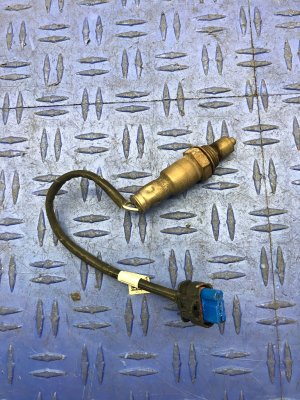
OEM Part Numbers: JD8Z-9G444-B JD8Z9G444B JD8Z-9G444-A JD8Z9G444A JD8G9G444AA
Position: Downstream (Rear, Post-Catalytic Converter), Engine: 2.3L Turbocharged I4, Motorcraft Part Number: DY-160
We Have This Part in Stock

The information in this article is provided for general reference and educational purposes only. Vehicle specifications, procedures, and part compatibility can vary by production date, trim level, and region. Always consult your vehicle's factory service manual and verify part numbers before purchasing or performing repairs. Safety-critical components such as airbags, seat belts, and braking systems should be installed by a qualified professional.
- Ford Explorer:
- Ford Police Interceptor Utility:
- 🎬 Helpful Videos
- 🛍️ Shop This Part
- Symptoms of a Failing Downstream Oxygen Sensor
- Known Issues for 2020-2026 Explorer & Police Interceptor
- Corroded Connector in Passenger Wheel Well
- PCM Software Updates for P0420 Codes
- Buying a Used Oxygen Sensor
- Replacement Overview
- Cost of Replacement
- Part Number Cross-Reference
- Frequently Asked Questions (FAQ)
- 🎟️ Get 5% Off