

2021-2025 Bronco & Ranger 2.3L Oxygen Sensor: Decoding Failures & Part Numbers
This guide covers failure symptoms, replacement costs, and how to buy the right used OEM oxygen sensor for your 2021-2025 Ford Bronco or 2024-2025 Ford Ranger with the 2.3L EcoBoost engine.
- These sensors only fit the 2.3L EcoBoost engine in the 2021-2025 Bronco and 2024-2025 Ranger; they are not compatible with V6 models.
- Upstream (pre-catalytic converter) and downstream (post-catalytic converter) sensors are different parts with unique part numbers and are not interchangeable.
- For best results, use genuine OEM Ford or Motorcraft sensors. Cheaper aftermarket sensors can cause compatibility issues with the engine's computer.
- Driving with a bad oxygen sensor for too long can cause expensive damage to the catalytic converter due to an incorrect air-fuel mixture.
Symptoms of a Failing Oxygen Sensor

A failing oxygen sensor can cause a range of noticeable problems, as the engine's computer receives incorrect data about the air-fuel mixture. Ignoring these symptoms can lead to reduced fuel efficiency and potentially damage your expensive catalytic converter over time.
- Check Engine Light: This is the most common sign. The light will illuminate when the engine computer detects a problem with the sensor's signal or performance.
- Poor Fuel Economy: If the sensor provides a false 'lean' reading, the computer will inject more fuel than necessary, causing your gas mileage to drop.
- Rough Idle and Misfires: An incorrect air-fuel ratio can disrupt the engine's smooth operation, leading to a shaky idle, hesitation during acceleration, or engine misfires.
- "Rotten Egg" Smell: A failing sensor can lead to an overly rich fuel mixture. When this excess fuel enters the catalytic converter, it can create a sulfur-like or "rotten egg" smell from the exhaust.
- Failed Emissions Test: Since oxygen sensors are a key part of the emissions system, a faulty one will almost certainly cause your vehicle to fail a state-mandated emissions or smog test.
Common diagnostic trouble codes (DTCs) associated with oxygen sensor failure include:
| Code | Meaning |
|---|---|
| P0131, P0151 | O2 Sensor Circuit Low Voltage (Indicates a lean condition or sensor fault) |
| P0135, P0155 | O2 Sensor Heater Circuit Malfunction |
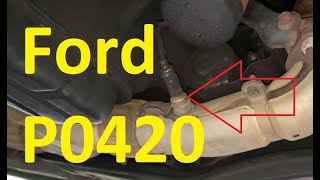
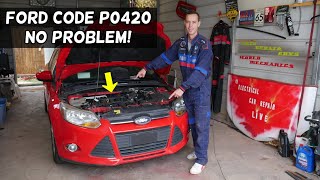
| P0420 | Catalyst System Efficiency Below Threshold (Often points to a bad catalytic converter, but can be caused by a faulty downstream O2 sensor) | 🎬 Watch this to understand and fix the P0420 catalyst code.
Known Issues, Recalls, and Technical Service Bulletins (TSBs)
As of early 2026, there are no specific recalls or widespread Technical Service Bulletins (TSBs) from Ford for oxygen sensor failures on the 2021-2025 Ford Bronco or 2024-2025 Ford Ranger with the 2.3L EcoBoost engine. Failures are typically isolated incidents related to normal wear and tear over time.
It is worth noting that a recall (NHTSA ID: 26V122, Ford Recall #: 26S10) was issued for some 2025 Bronco and Ranger models for a potentially faulty Exhaust Gas Recirculation (EGR) valve, which could cause a loss of power. This is a separate component from the oxygen sensors but is part of the broader emissions and engine system.
Buying a Used Oxygen Sensor: What to Look For

While a used oxygen sensor can be a cost-effective repair, it's a part that degrades over time. Careful inspection is key to getting a good one.
- Why Used OEM is a Smart Choice: The engine computer in your Bronco or Ranger is precisely calibrated to work with the specific voltage signals and response times of an original equipment (OEM) Motorcraft or Ford sensor. Cheap aftermarket sensors may not meet these exact specifications, leading to persistent check engine lights, poor performance, or incorrect fuel adjustments, even if the part is new. A low-mileage used OEM sensor is often more reliable than a brand-new, non-OEM part.
- Physical Inspection: Before buying, check the sensor carefully. Do not buy a sensor with a cracked or chipped white ceramic insulator. Ensure the electrical connector and pins are clean, dry, and free of corrosion or damage. The wires should be intact with no cuts or frays.
- Verify Part Numbers: The 2.3L EcoBoost uses different sensors for the upstream and downstream positions. They are not interchangeable. Match the part number on the sensor you are buying to your original part or the numbers listed in this guide.
- Mileage and Source Vehicle: Ask about the mileage of the vehicle the sensor came from. A sensor from a low-mileage vehicle is always preferable. Oxygen sensors typically have a lifespan of around 100,000 miles, so avoid parts from high-mileage vehicles.
Compatibility Warning: These oxygen sensors are only for models equipped with the 2.3L 4-cylinder EcoBoost engine. They will not fit vehicles with the 2.7L or 3.0L V6 engines.
Cost Comparison for Oxygen Sensor Replacement
Prices can vary based on the sensor's position (upstream sensors are sometimes more expensive) and your location. Labor costs are generally low if the sensor is not seized in the exhaust pipe.
| Part Type | Estimated Price Range (Per Sensor) |
|---|---|
| New OEM (Ford/Motorcraft) | $90 - $155 |
| New Aftermarket | $40 - $120 |
| Used OEM | $30 - $70 |
| Shop Labor | $85 - $200 |
Replacement Guide & Difficulty

- Difficulty: 3/5
- Estimated Time: 0.5 - 1.5 hours per sensor
- DIY Feasible: Yes, for those with mechanical experience.
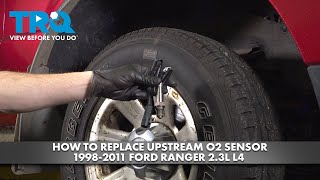
Replacing an oxygen sensor is often straightforward, but can become difficult if the old sensor is rusted and seized in the exhaust pipe. The upstream sensor is located in the exhaust manifold or downpipe before the catalytic converter, while the downstream sensor is located after it.
Tools Required:
- Ratchet and extension
- Specialized O2 sensor socket (a 7/8" or 22mm socket with a slot for the wire)
- Penetrating oil (like PB Blaster or WD-40)
- Anti-seize compound (often included with new sensors)
General Steps:
- Locate the faulty sensor on the exhaust pipe.
- Disconnect the negative battery terminal.
- Trace the sensor's wire to its electrical connector and disconnect it. You may need to press a locking tab to release it.
- Fit the O2 sensor socket over the sensor and use a ratchet to turn it counter-clockwise to remove it.
- Apply a small amount of anti-seize compound to the threads of the new sensor, being careful not to get any on the sensor tip.
- Thread the new sensor in by hand to avoid cross-threading, then tighten it with the socket. Do not overtighten.
- Reconnect the electrical connector and the battery terminal.
- Clear the check engine light with a scan tool. The light may go off on its own after several drive cycles.
Pro Tip: If a sensor is stuck, spray it with penetrating oil and let it soak. Briefly running the engine for a minute or two to slightly warm the exhaust pipe can also help break it loose, but be extremely careful working around hot exhaust components.
OEM Part Numbers and Compatibility

Always verify the part number on your existing sensor before ordering a replacement. The following part numbers are known to fit the 2.3L EcoBoost engine in the specified vehicles. Note that upstream and downstream sensors are different parts.
| Position | Ford Part Number | Motorcraft Part Number |
|---|---|---|
| Upstream (Front/Pre-Cat) | MB3Z-9F472-B, MB3Z-9F472-D, MB3Z-9F472-C | (Not consistently specified) |
| Downstream (Rear/Post-Cat) | K2GZ-9G444-D | DY-1609 |
Frequently Asked Questions (FAQ)
What is the difference between an upstream and downstream oxygen sensor?
The upstream (or Bank 1, Sensor 1) sensor is located before the catalytic converter and is the primary sensor used by the engine computer to adjust the air-fuel mixture. The downstream (or Bank 1, Sensor 2) sensor is located after the catalytic converter and its main job is to monitor the converter's efficiency.
Do I need to replace both oxygen sensors at the same time?
It is not strictly required, but it is often recommended, especially on higher-mileage vehicles. Oxygen sensors degrade over time, so if one has failed, the other may not be far behind. Replacing them in pairs can ensure the system is operating at peak efficiency.
Can I clean my oxygen sensor instead of replacing it?
While some online sources suggest cleaning O2 sensors, it is generally not an effective or long-term solution. The internal sensing elements can become contaminated or simply wear out, and cleaning the exterior will not fix this. Replacement is the only reliable repair for a failed sensor.
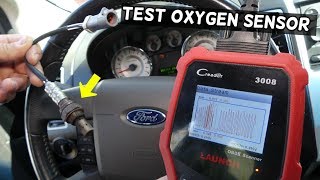
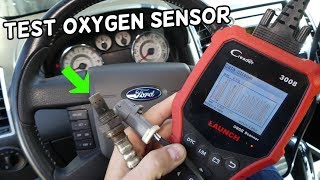
🎬 See how to test a Ford oxygen sensor before replacing it.What is an O2 sensor socket and do I really need one?
An O2 sensor socket is a special tool that looks like a deep socket with a slot cut down the side. This slot allows the socket to fit over the sensor body while providing clearance for the attached wire. While you might be able to use a standard wrench in some cases, the socket makes the job much easier and reduces the risk of damaging the sensor or its wiring.
Helpful Videos
![How to Fix FORD P0420 Engine Code in 3 Minutes [3 Methods / Only $19.99]](https://img.youtube.com/vi/KwOGoHfP6-8/mqdefault.jpg)
Technical Specifications
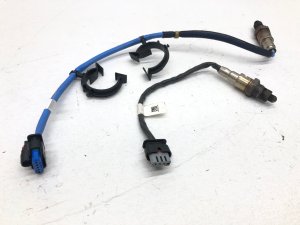
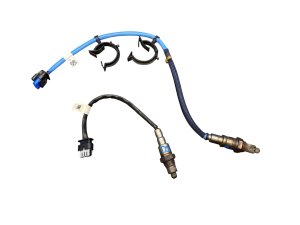
OEM Part Numbers: K2GZ-9G444-D MB3Z-9F472-B MB3Z-9F472-D MB3Z-9F472-C DY-1609
Sensor type: Heated Zirconia. Thread size is typically M18x1.5mm. Upstream sensors are wideband for precise air-fuel measurement, while downstream sensors are typically narrowband.
We Have This Part in Stock
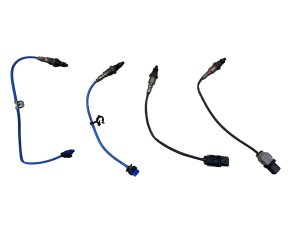
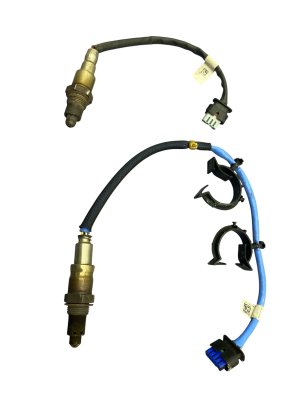
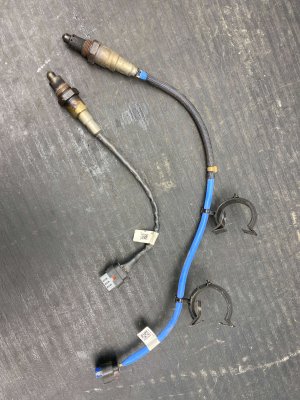
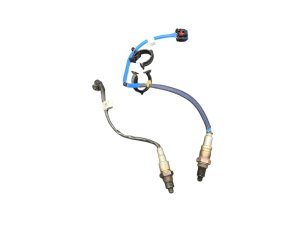

The information in this article is provided for general reference and educational purposes only. Vehicle specifications, procedures, and part compatibility can vary by production date, trim level, and region. Always consult your vehicle's factory service manual and verify part numbers before purchasing or performing repairs. Safety-critical components such as airbags, seat belts, and braking systems should be installed by a qualified professional.
- Ford Bronco:
- Ford Ranger:
- 🎬 Helpful Videos
- 🛍️ Shop This Part
- Symptoms of a Failing Oxygen Sensor
- Known Issues, Recalls, and Technical Service Bulletins (TSBs)
- Buying a Used Oxygen Sensor: What to Look For
- Cost Comparison for Oxygen Sensor Replacement
- Replacement Guide & Difficulty
- OEM Part Numbers and Compatibility
- Frequently Asked Questions (FAQ)
- 🎟️ Get 5% Off