

2014-2019 Corvette Oxygen Sensors: A Guide to Part Numbers, Failures, and Replacement
This guide covers common failure symptoms, critical part number variations between years, and how to choose a reliable used oxygen sensor for your C7 Corvette.
- The downstream (rear) oxygen sensors are different for 2014-2016 models (Part #12655678) and 2017-2019 models (Part #12665161). Always verify your year.
- The upstream (front) sensor is the same for all 2014-2019 models (Part #12655677).
- Sensors can be extremely difficult to remove due to seizing. Use a dedicated O2 sensor socket and plenty of penetrating oil.
- Common failure symptoms include a Check Engine Light with codes like P015B, poor fuel economy, and rough engine performance.
Symptoms of a Failing Oxygen Sensor
A bad oxygen sensor will almost always trigger the Check Engine Light, but you may notice other performance issues first. Ignoring these symptoms can lead to reduced fuel economy and, in the long term, expensive damage to the catalytic converters.
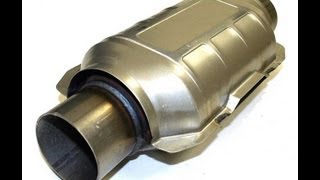
- Check Engine Light: This is the most common symptom. A diagnostic scan tool will typically show fault codes related to a specific sensor's performance or its heater circuit. Common codes for the C7 Corvette include P015B, P0420, P0132, P0138, P0152, P0158, P0050, and P0051. 🎬 Watch: How to diagnose P0420 and P0430 codes
- Poor Fuel Economy: A failing sensor can send incorrect information to the engine computer, causing it to run a 'rich' mixture (too much fuel). This wastes gas and reduces your mileage.
- Rough Idle or Engine Hesitation: Because the air-fuel ratio is not being managed correctly, the engine may idle poorly, hesitate during acceleration, or misfire.
- Failed Emissions Test: A malfunctioning oxygen sensor will prevent the vehicle from meeting emissions standards due to an incorrect air-fuel ratio and potentially poor catalytic converter performance.
- Rotten Egg Smell: In some cases, a rich fuel mixture caused by a bad sensor can lead to a sulfur smell from the exhaust as the catalytic converters become overwhelmed.
C7 Corvette Oxygen Sensor Variants and Compatibility
It is critical to use the correct oxygen sensor for your Corvette's specific year and the sensor's location in the exhaust. Using the wrong part can result in persistent check engine lights and performance problems. The C7 Corvette uses two upstream sensors and two downstream sensors.
Warning: The most significant compatibility issue is with the downstream (rear) sensors. The part number changed for the 2017 model year. Be sure to verify your vehicle's year before purchasing a replacement.
| Position | Model Years | OEM Part Number | Notes |
|---|---|---|---|
| Upstream (Front) | 2014-2019 | 12655677 | Fits all C7 models, both driver and passenger side. Also called pre-catalyst or Sensor 1. |
| Downstream (Rear) | 2014-2016 | 12655678 | Fits early C7 models only. Also called post-catalyst or Sensor 2. |
| Downstream (Rear) | 2017-2019 | 12665161 | Fits later C7 models only. Also called post-catalyst or Sensor 2. |
Known Issues, TSBs, and Recalls
As of mid-2026, there are no specific recalls or widespread Technical Service Bulletins (TSBs) from General Motors for oxygen sensor failure on the 2014-2019 Corvette. However, forum discussions among owners show that sensor failures are a relatively common maintenance issue, especially as the cars age. Problems are sometimes related to aftermarket modifications like long-tube headers, which can move the sensor's position and require specific tuning adjustments.
Buying a Used C7 Corvette Oxygen Sensor
A used OEM oxygen sensor from a low-mileage vehicle can be a reliable and cost-effective alternative to a new part. Aftermarket sensors, even from reputable brands, sometimes have compatibility issues with the Corvette's sensitive engine computer, making a used OEM part a safer bet.
What to Check Before Buying
- Verify the Part Number: This is the most important step. Double-check that the part number on the sensor you are buying matches the specific position and year range for your car, as detailed in the table above.
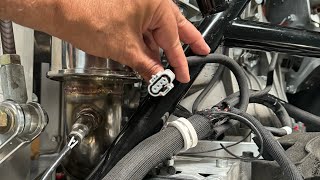
- Inspect the Wiring and Connector: Look for any signs of damage, fraying, or melting on the wires. Ensure the plastic connector is not cracked or broken and that the pins inside are straight and free of corrosion. 🎬 See how to de-pin C7 Corvette O2 connectors
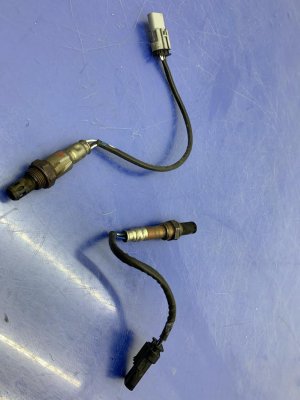
- Examine the Sensor Tip: The sensor tip should be free of heavy, oily soot or white, chalky deposits. While some light gray or tan carbon buildup is normal, heavy contamination may indicate it came from a poorly running engine.
- Ask About Mileage: Oxygen sensors are wear items. A sensor from a vehicle with 60,000 miles is a much better value than one from a car with 150,000 miles. Prioritize lower-mileage parts when possible.
Replacement Overview
Replacing an oxygen sensor on a C7 Corvette is feasible for a DIY mechanic, but it can be challenging. The primary difficulty is that the sensors often seize in the exhaust pipe due to thousands of heat cycles and corrosion.
Pro Tip: Liberally apply a high-quality penetrating oil to the sensor's threads and let it soak for several hours, or even overnight, before attempting removal. Applying heat from a torch can also help, but should be done with extreme caution.
- Difficulty: 3 out of 5. The job requires patience and the right tools.
- Tools Required: Ratchet, extensions, penetrating oil, and a dedicated oxygen sensor socket. An O2 sensor socket has a slot for the wire, allowing it to fit over the sensor. Using a standard wrench or socket is likely to round off the sensor's hex head.
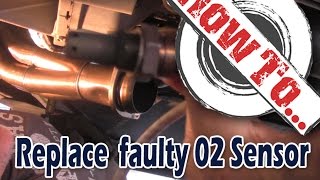
- Procedure: First, locate and disconnect the sensor's electrical connector from the vehicle harness. Then, use the O2 sensor socket and a ratchet or breaker bar to unscrew the sensor from the exhaust pipe. For extremely stuck sensors, some mechanics find it easier to remove the entire catalytic converter pipe assembly to work on it on a bench. 🎬 Watch this step-by-step O2 sensor replacement guide
Cost Comparison
Prices can vary by supplier, but this provides a general estimate of what to expect.
| Part Type | Estimated Cost |
|---|---|
| New OEM (AC Delco) | $40 - $90 per sensor |
| New Aftermarket (Bosch, Denso, etc.) | $35 - $130 per sensor |
| Used OEM | $20 - $50 per sensor |
| Shop Labor | $100 - $250 per sensor |
Frequently Asked Questions (FAQ)
How many oxygen sensors does a C7 Corvette have?
All 2014-2019 Corvettes have four oxygen sensors: two upstream (before the catalytic converters) and two downstream (after the catalytic converters).
Can I drive with a bad oxygen sensor?
Yes, but it is not recommended for an extended period. The vehicle will likely have reduced fuel economy and performance. Driving too long with a bad sensor can cause unburned fuel to enter the exhaust and damage the expensive catalytic converters.
Do I need to replace all four sensors at once?
No, you only need to replace the sensor that has failed. However, oxygen sensors have a similar lifespan. If your car has high mileage and one sensor fails, it's possible the others may fail soon. To save on future labor, some owners choose to replace them in pairs (both upstream or both downstream).
Do I need to reset the computer after replacing an oxygen sensor?
After replacing the sensor, the Check Engine Light should turn off on its own after a few drive cycles. You can also clear the codes immediately using a standard OBD-II scan tool to confirm the repair was successful. Some sources note that GM parts may require special setup procedures, but typically for this part, clearing the code is sufficient.
Helpful Videos

Technical Specifications
OEM Part Numbers: 12655677 12655678 12665161
Thread Size: M18x1.5. Wrench Size: 22mm. Connector: 4-pin oval connector.
We Have This Part in Stock


The information in this article is provided for general reference and educational purposes only. Vehicle specifications, procedures, and part compatibility can vary by production date, trim level, and region. Always consult your vehicle's factory service manual and verify part numbers before purchasing or performing repairs. Safety-critical components such as airbags, seat belts, and braking systems should be installed by a qualified professional.
- Chevrolet Corvette:
- 🎬 Helpful Videos
- 🛍️ Shop This Part
- Symptoms of a Failing Oxygen Sensor
- C7 Corvette Oxygen Sensor Variants and Compatibility
- Known Issues, TSBs, and Recalls
- Buying a Used C7 Corvette Oxygen Sensor
- What to Check Before Buying
- Replacement Overview
- Cost Comparison
- Frequently Asked Questions (FAQ)
- 🎟️ Get 5% Off