

2019-2024 BMW & MINI Post-Catalyst Oxygen Sensor: Failure Symptoms & Replacement
Diagnose check engine lights and poor fuel economy related to the downstream oxygen sensor on BMW X1, X2, 228i, and MINI Cooper, Clubman, and Countryman models.
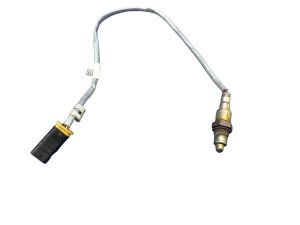
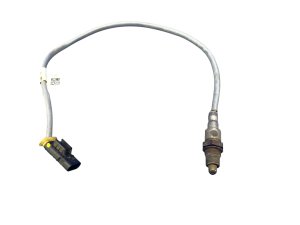
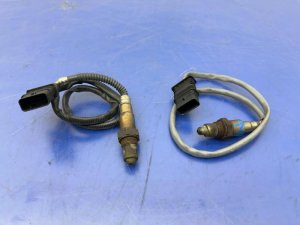
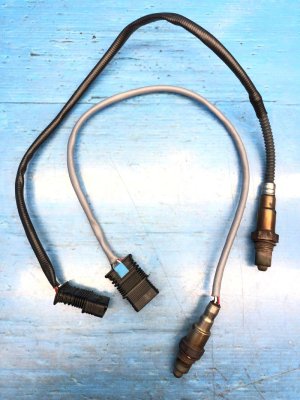
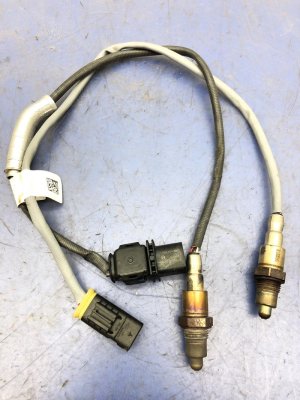
- This is the downstream (post-catalyst) oxygen sensor, part number 11788631393. Its main job is to monitor catalytic converter health.
- The most common failure symptom is a Check Engine Light with codes like P0136, P0141, or P0420.
- Avoid cheap universal sensors; use a direct-fit OEM (Bosch) or a low-mileage used OEM part to ensure compatibility.
- Replacement can be tricky due to tight access, often requiring removal of the engine cowl and air intake assembly. The sensor can also be seized in the exhaust.
Symptoms of a Failing Downstream Oxygen Sensor
A bad post-catalyst oxygen sensor will almost always alert you with a Check Engine Light. Because this sensor's main role is to monitor emissions equipment, you may not notice severe driving problems right away. However, ignoring the warning can mask more serious issues and cause you to fail an emissions test.
- Check Engine Light (CEL): This is the most common symptom. A scan tool will typically reveal codes related to "Catalyst Efficiency" (like P0420) or codes specific to the sensor's circuit or heater, such as P0136 (O2 Sensor Circuit Malfunction Bank 1 Sensor 2) or P0141 (O2 Sensor Heater Circuit Bank 1 Sensor 2).
- Reduced Fuel Economy: While the upstream sensor has a much larger impact on fuel mixture, a faulty downstream sensor can cause the engine computer to make incorrect long-term fuel adjustments, leading to a noticeable drop in MPG over time.
- Failed Emissions Test: The vehicle's onboard diagnostics will not achieve a "Ready" state for the catalyst monitor if the sensor is bad, resulting in an automatic failure of most state emissions inspections.
- Rough Idle or Hesitation: In some cases, incorrect data from a failing sensor can contribute to minor drivability issues like a rough idle or hesitation during acceleration as the engine management system struggles with conflicting information.
- Rotten Egg Smell: A sulfur or rotten egg smell from the exhaust can indicate that the catalytic converter itself has failed. The downstream O2 sensor is the part responsible for detecting this failure; if the sensor is bad, it may not trigger a code promptly, allowing the failed converter to produce a noticeable smell.
Warning: Do not confuse the exhaust oxygen sensor with the Environmental Air Catalyst (EAC) sensor. Some MINI models with the B46 engine are covered by a warranty extension (SIB 01 05 20) for a faulty EAC sensor, which is located on the radiator, not the exhaust. This sensor can also trigger a check engine light with codes like 1B8302, so proper diagnosis is key.
Known Issues, TSBs, and Recalls
As of mid-2026, there are no specific recalls or widespread technical service bulletins (TSBs) for the downstream oxygen sensor (part number 11788631393) on the listed BMW and MINI models. Searches of the NHTSA database show recalls for these vehicles related to airbag rollover sensors and other components, but not the exhaust oxygen sensors. Failure is typically due to normal aging, with sensors often needing replacement between 90,000 and 150,000 miles.
Buying a Used Oxygen Sensor
A used OEM oxygen sensor from a low-mileage vehicle can be a reliable and cost-effective alternative to an expensive new dealer part. However, unlike a simple bracket or trim piece, a sensor's condition isn't always obvious. Here’s what to check before you buy.
- Why Used OEM is a Good Choice: These BMW and MINI models are sensitive to sensor inputs. The original equipment sensor, made by Bosch, is designed to provide the precise voltage curves the engine computer expects. Many aftermarket sensors, especially cheap "universal" types that require splicing wires, often fail to work correctly, leading to persistent check engine lights. A used OEM sensor from a reputable recycler is often a better choice than a new, unproven aftermarket part.
- Physical Inspection:
- Wires and Connector: The wiring harness should be free of cuts, melting, or fraying. The connector pins should be clean and straight, not corroded or bent.
- Sensor Body: Look for major dents or cracks in the metal housing and ceramic insulator. Avoid sensors that are heavily rusted or appear physically damaged.
- Sensor Tip: The condition of the sensor's tip (the part that sits in the exhaust) tells a story about the donor car's engine health. A sensor with a light tan or grayish coating is normal. Avoid sensors with heavy, black, sooty deposits (indicating a rich-running engine) or a white, chalky coating (indicating oil or coolant contamination).
- Mileage Verification: Always ask for the mileage of the donor vehicle. An O2 sensor is a wear item. A sensor from a vehicle with under 60,000 miles has significant life left and is a good value. A sensor from a car with 150,000 miles is likely near the end of its service life.
- Heater Circuit Test: If you have a multimeter, you can perform a simple resistance test. A functional heated O2 sensor will have a specific resistance across its two heater wires (often the two same-colored wires). An open circuit (infinite resistance) means the internal heater is broken, and the sensor is bad.
Cost Comparison
Prices for this downstream oxygen sensor can vary significantly. Shopping around can lead to substantial savings, especially when considering used OEM or OEM-supplier parts versus dealer prices.
| Part Type | Estimated Price Range | Notes |
|---|---|---|
| New Genuine BMW/MINI | $220 - $450 | Highest cost, purchased from a dealership parts counter. |
| New Aftermarket (Bosch - OEM Supplier) | $85 - $150 | Identical to the genuine part without the dealer markup. Excellent value. |
| New Aftermarket (Other Brands) | $60 - $225 | Brands like Denso, NTK, and Duralast offer options, but compatibility can sometimes be an issue. |
| Used OEM | $40 - $75 | A great value if sourced from a low-mileage vehicle. |
| Shop Labor | $150 - $400 | Varies by vehicle and shop rates. BMW models are often on the higher end of this range. |
DIY Replacement Guide
Replacing this sensor is a feasible DIY job for someone with moderate experience, but access can be challenging. The difficulty largely depends on the specific vehicle configuration.
- Difficulty: 3/5 (Moderate)
- Estimated Time: 1.5 - 2.5 hours
- Required Tools:
- 22mm (or 7/8") Oxygen Sensor Socket (with a side cutout for the wire)
- Ratchet with various extensions
- Torque wrench
- Penetrating oil (highly recommended)
- Trim removal tools (for cowl panel)
General Procedure (Access From Top - Common on X1/X2/MINI):
- Gain Access: The sensor's electrical connector is often located at the top rear of the engine bay. To reach the sensor itself, you will likely need to remove the plastic engine cover, the windshield cowl panel, the air intake assembly, and possibly a strut tower brace. Be extremely careful with brittle plastic clips and hoses, especially the PCV hoses connected to the intake pipe.
- Locate and Disconnect: Identify the downstream sensor connector (typically light gray) and disconnect it. Free the wire from any clips holding it in place.
- Remove the Sensor: Spray the base of the old sensor with penetrating oil and let it soak. Using the specialized O2 sensor socket and a long ratchet or breaker bar, carefully break the sensor loose. These can be very tight due to heat and corrosion.
- Install the New Sensor: Most new sensors come with anti-seize compound pre-applied to the threads. If not, apply a small amount to the threads, avoiding the sensor tip. Thread the new sensor in by hand to prevent cross-threading, then tighten with a torque wrench to 50 Nm (37 ft-lbs).
- Reconnect and Reassemble: Route the new sensor wire along the original path, securing it in all clips. Plug in the electrical connector. Reinstall the airbox, cowl, and any other components you removed.
- Clear Codes: Use an OBD-II scan tool to clear any stored fault codes from the engine computer.
Pro Tip: On some models, particularly the BMW X1 and X2, access from below might be possible using a 22mm crow's foot wrench on a long extension, which can save you from disassembling the top of the engine bay. It is worth inspecting from underneath the vehicle before you begin.
Frequently Asked Questions (FAQ)
Which sensor is this? Upstream or downstream?
This part, 11788631393, is the downstream sensor, also known as the post-catalyst or Sensor 2. It is located after the catalytic converter.
Can I use a cheaper universal oxygen sensor?
It is strongly advised not to. These BMW and MINI engine management systems are very sensitive and often reject universal sensors that require you to splice wires. This can lead to persistent check engine lights and wasted money. It is best to use a direct-fit sensor from a reputable brand like Bosch (the OEM supplier) or a good used OEM part.
Will replacing this sensor fix my P0420 "Catalyst Efficiency" code?
Not necessarily. A P0420 code means the downstream sensor is detecting that the catalytic converter is no longer working effectively. While a faulty sensor *can* cause this code, it's more often an accurate report of a failing catalytic converter. A diagnostic test to check the sensor's live voltage readings is recommended before assuming the sensor is the problem.
Is it difficult to replace this sensor myself?
It depends on your vehicle and experience. The main challenges are accessing the sensor, which can require removing several components on top of the engine, and breaking the old sensor loose from the exhaust pipe without damaging the threads. If you are not comfortable with this, the labor cost at a shop is typically 1.5-2.5 hours.
Technical Specifications
OEM Part Numbers: 11788631393 8631393
Position: Post-Catalytic Converter (Downstream, Rear, Sensor 2). OEM Supplier: Bosch (P/N: 0 258 030 346). Thread Tightening Torque: 50 Nm (37 ft-lbs).
We Have This Part in Stock

The information in this article is provided for general reference and educational purposes only. Vehicle specifications, procedures, and part compatibility can vary by production date, trim level, and region. Always consult your vehicle's factory service manual and verify part numbers before purchasing or performing repairs. Safety-critical components such as airbags, seat belts, and braking systems should be installed by a qualified professional.
- BMW X1:
- MINI Cooper:
- BMW X2:
- MINI Countryman:
- BMW 228i Gran Coupe:
- MINI Cooper Clubman:
- BMW M235i xDrive Gran Coupe: