

2023-2025 BMW X1 Oxygen Sensor: Failure Symptoms, Codes, and Replacement Costs
Understanding the two different oxygen sensors on your BMW X1 and why ignoring a check engine light for one can lead to costly catalytic converter damage.
- The 2023-2025 X1 has two distinct oxygen sensors: an upstream (regulating) and a downstream (monitoring) sensor with different part numbers and functions.
- Ignoring a check engine light for a faulty oxygen sensor can lead to the destruction of the expensive catalytic converter over time.
- There are no recalls for this part; failure is considered standard wear and tear, making used OEM parts a viable, cost-effective repair option.
- A special slotted 22mm socket is required for DIY replacement, and you must clear the codes with a scan tool after installation.
Symptoms of a Failing Oxygen Sensor
Because the 2023-2025 BMW X1 is a relatively new vehicle, widespread, long-term failure patterns have not yet emerged. However, the symptoms of oxygen sensor failure are universal. A problem with the upstream sensor will cause noticeable performance issues, while a downstream sensor failure will typically only trigger a warning light.
- Check Engine Light: This is the most common and often the first sign of a problem. The engine computer (DME) will store fault codes related to the sensor's performance or its internal heating circuit. Common codes include 🎬 See a detailed review of BMW sensor features and failure symptoms. P0131 (Sensor Circuit Low Voltage), P0135 (Heater Circuit Malfunction), P0171 (System Too Lean), and P0172 (System Too Rich).
- Decreased Fuel Economy: A faulty upstream sensor provides incorrect data, causing the engine to use more fuel than necessary. This is often a gradual change that you might not notice at first.
- Rough Idle and Engine Hesitation: The engine may run unevenly at a stop or hesitate and feel sluggish when you accelerate. This is due to the incorrect air-fuel mixture commanded by the faulty upstream sensor.
- Rotten Egg or Gasoline Smell: An overly rich fuel mixture can result in a strong smell of sulfur or unburned gasoline from the exhaust.
- Failed Emissions Test: A malfunctioning oxygen sensor, particularly the downstream one, will prevent the vehicle's emissions systems from passing inspection.
Warning: While you can drive with a bad oxygen sensor, ignoring the check engine light for an extended period can cause expensive damage. A rich fuel mixture can overheat and destroy the catalytic converter, a repair that costs significantly more than replacing the sensors.
Upstream vs. Downstream Sensor Failure
It's important to know which sensor has failed. An OBD-II scanner can read the specific fault code to identify the location.
- Upstream (Regulating) Sensor Failure: Directly impacts engine performance. You will experience poor fuel economy, hesitation, and a rough idle. This sensor is critical for engine operation.
- Downstream (Monitoring) Sensor Failure: Does not affect how the engine runs. Its job is to monitor the catalytic converter. A failure here will turn on the check engine light but won't cause drivability symptoms.
Buying a Used Oxygen Sensor: What to Check
For a newer vehicle like the 2023-2025 X1, a used OEM oxygen sensor from a low-mileage wrecked vehicle can be a smart, cost-effective alternative to an expensive new dealer part. Modern BMWs are sensitive to sensor inputs, and a genuine used part often performs more reliably than a new, non-OEM aftermarket sensor.
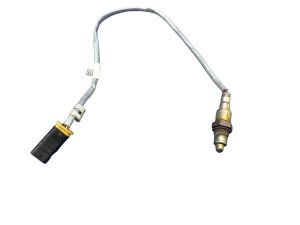
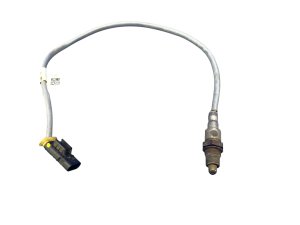
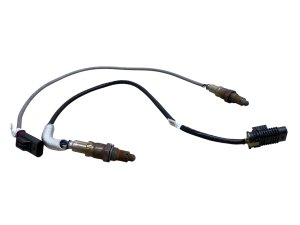
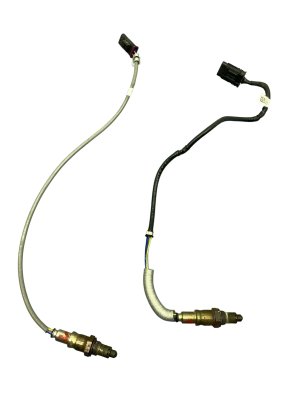
- Verify Part Numbers: This is the most critical step. The 2.0L engine in the X1 uses two different sensors. Ensure the part number you are buying matches the one you are replacing. The upstream sensor is 11788686977, and the downstream sensor is 11788686978.
- Physical Inspection: Carefully examine the sensor. Do not buy a sensor with a dented or crushed metal body. Check the wiring for any cuts, melting, or frayed insulation. The connector should be clean and free of damage.
- Examine the Tip: Look at the sensor's tip. It should be a light gray or tan color. Avoid sensors that are coated in black, oily soot (indicating it came from an engine burning oil) or have a white, chalky appearance (indicating coolant contamination).
- Source Vehicle Mileage: If possible, choose a sensor from a vehicle with the lowest possible mileage. Oxygen sensors are wear items, but a sensor from a car with under 30,000 miles should have plenty of life left.
Pro Tip: The original equipment manufacturer (OEM) for BMW's oxygen sensors is often Bosch. If you can't find a suitable used OEM sensor, a new sensor from Bosch is the next best choice for reliable performance.
Known Issues, Recalls, and TSBs
As of early 2026, there are no active recalls or Technical Service Bulletins (TSBs) from BMW or the NHTSA specifically related to oxygen sensor failure on the 2023-2025 BMW X1. The vehicle is too new for long-term failure patterns to have emerged. Recalls that have been issued for this vehicle generation are for unrelated issues like the integrated brake system and B-pillar reinforcements.
Cost Comparison for BMW X1 Oxygen Sensors
Prices can vary by supplier and location. The following table provides an estimated cost for a single oxygen sensor. Labor costs are for replacing one sensor; replacing both at the same time may be more cost-effective.
| Item | Estimated Cost |
|---|---|
| New OEM (Dealer) | $210 - $410 |
| New Aftermarket (Bosch/NTK) | $100 - $200 |
| Used OEM (Recycled) | $30 - $75 |
| Shop Labor | $260 - $380 |
Replacement Overview & Difficulty
Replacing the oxygen sensors on a 2023-2025 X1 is a manageable DIY task for someone with mechanical experience and the right tool. The main challenge is access.
- Difficulty: 3/5 (Moderate)
- Estimated Time: 1-2 hours for both sensors.
- Required Tools: A special 22mm slotted oxygen sensor socket is essential to allow the sensor's wire to pass through. You will also need a ratchet, extensions, and potentially penetrating oil to loosen the old, seized sensor. 🎬 Watch this guide on how to remove a stuck oxygen sensor.
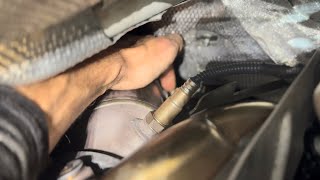
- Procedure: The upstream sensor is located on the exhaust manifold/turbo downpipe and is typically accessed from the top of the engine bay after removing the plastic engine cover. The downstream sensor is located further down the exhaust pipe, after the catalytic converter, and must be accessed from under the vehicle. Always unplug the electrical connector before attempting to unscrew the sensor. 🎬 Watch this step-by-step walkthrough for replacing sensors on your X1.
Frequently Asked Questions (FAQ)
Can I replace just one oxygen sensor?
Yes. You only need to replace the sensor that has failed and triggered a fault code. They do not need to be replaced in pairs.
What is the difference between the upstream and downstream sensor?
The upstream sensor (Part No. 11788686977) is also called the air-fuel ratio sensor; it is critical for engine management and affects performance. The downstream sensor (Part No. 11788686978) is a monitoring sensor that only checks if the catalytic converter is working.
Will a cheap universal oxygen sensor work?
It is strongly discouraged. Universal sensors require you to cut and splice wires, which is a common point of failure. Modern BMW engine management systems are very sensitive and may not work correctly with a sensor that doesn't meet exact OEM specifications, leading to persistent check engine lights and performance issues.
Do I need to reset the computer after replacing the sensor?
Yes. After replacing the sensor, you must use an OBD-II scan tool to clear the fault codes from the engine computer. If you don't, the check engine light will remain on.
Helpful Videos
Technical Specifications
OEM Part Numbers: 11788686977 (Upstream/Regulating) 11788686978 (Downstream/Monitoring)
Fits 2.0L B48 turbocharged engine. Requires 22mm slotted socket for removal/installation.
We Have This Part in Stock


The information in this article is provided for general reference and educational purposes only. Vehicle specifications, procedures, and part compatibility can vary by production date, trim level, and region. Always consult your vehicle's factory service manual and verify part numbers before purchasing or performing repairs. Safety-critical components such as airbags, seat belts, and braking systems should be installed by a qualified professional.
- BMW X1:
- 🎬 Helpful Videos
- 🛍️ Shop This Part
- Symptoms of a Failing Oxygen Sensor
- Upstream vs. Downstream Sensor Failure
- Buying a Used Oxygen Sensor: What to Check
- Known Issues, Recalls, and TSBs
- Cost Comparison for BMW X1 Oxygen Sensors
- Replacement Overview & Difficulty
- Frequently Asked Questions (FAQ)
- 🎟️ Get 5% Off