

2017-2022 Audi RS3 & TT RS Oxygen Sensor: Failure Symptoms & Replacement Costs
A complete guide to diagnosing, buying, and replacing the upstream and downstream oxygen sensors on the 2.5L TFSI engine in your Audi RS3 or TT RS.
- A bad oxygen sensor will trigger a Check Engine Light and cause poor fuel economy, rough idle, and potentially a 'rotten egg' smell.
- These cars have two sensors (upstream and downstream); an OBD-II code is required to know which one to replace.
- Driving for an extended time with a bad sensor can destroy the much more expensive catalytic converter.
- A used OEM sensor (typically Bosch) is often a better choice than a cheap new aftermarket part due to the engine's sensitivity to sensor calibration.
Symptoms of a Failing Oxygen Sensor
A bad oxygen sensor in your 2017-2020 Audi RS3 or 2018-2022 Audi TT RS will almost always let you know something is wrong. While a Check Engine Light is the most obvious clue, other performance issues can also point to a failing sensor.
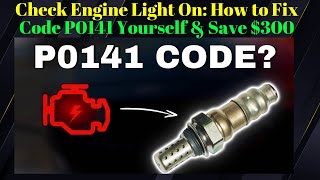
- Check Engine Light: This is the most common symptom. The car's computer monitors the oxygen sensors and will trigger a light if the signal is slow, stuck, or if the internal heater fails. Common codes include P0141 for a downstream 🎬 Watch: Diagnose and fix a P0141 heater circuit code sensor heater circuit malfunction or P2096 for a lean condition detected by the post-catalyst sensor.
- Reduced Fuel Economy: A faulty upstream sensor can't provide accurate data, often causing the engine to run rich (using too much fuel). This will result in a noticeable drop in your gas mileage.
- Rough Idle and Hesitation: An incorrect air-fuel mixture disrupts smooth engine operation. You might feel the engine misfire, idle unevenly, or hesitate when you accelerate.
- Rotten Egg Smell: A strong sulfur or rotten egg smell from the exhaust is a sign that the engine is running too rich. This unburned fuel is overheating in the catalytic converter, which can cause permanent damage to the converter if the faulty sensor isn't replaced.
- Failed Emissions Test: A bad oxygen sensor is a very common reason for failing a state emissions or smog test.
Known Issues, TSBs, and Recalls
While there are no specific recalls for oxygen sensor failure on the 2017-2022 Audi RS3 and TT RS, some related service actions and bulletins exist:
- Emissions Service Action 24HY: This action was issued for 2019-2020 RS3 and 2019-2021 TT RS models to update the Engine Control Module (ECM) software. While the primary reason was to enable proper monitoring of the PCV system, the update also included other diagnostic improvements which can affect how the system monitors components like oxygen sensors.
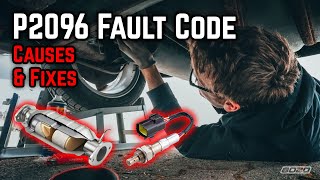
- TSB 2046611/5: While for a different Audi engine (4.0L), this Technical Service Bulletin is relevant. It addresses DTC P209600 (Post Catalyst Fuel 🎬 See: What a P2096 code means and how to fix it Trim System Too Lean) and notes that it can be caused by a contaminated rear oxygen sensor. It specifically advises technicians not to replace the front (upstream) sensor for this code, but to replace the affected rear (downstream) sensor.
No recalls directly address the oxygen sensors themselves for these models. Other recalls found were for issues like the passenger occupant detection system (PODS) or missing certification labels.
Buying a Used Oxygen Sensor: What to Look For
A used OEM oxygen sensor can be a smart purchase, often providing better performance and reliability than a cheap aftermarket alternative. High-performance engines like the Audi 2.5L TFSI are sensitive to the precise calibration of factory sensors. Here’s what to check:
- Physical Inspection: Carefully inspect the entire part. Look for a clean, undamaged connector with no corrosion on the pins. Check the wiring harness for any cuts, melting, or fraying. The sensor tip (the part that sits in the exhaust) should be free of heavy, oily deposits. A light gray or tan coating is normal, but thick black soot can indicate it came from an engine with problems.
- Contamination Clues: The color of the sensor tip can tell a story. A white, chalky deposit may indicate coolant contamination from a head gasket leak, while a dark, oily residue points to an engine that was burning oil. Avoid sensors with these signs, as the contamination can cause premature failure.
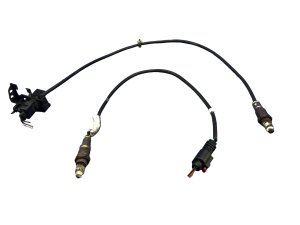
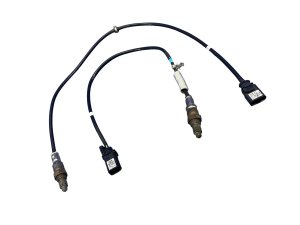
- Verify the Part Number: The 2.5L engine uses different sensors for the upstream (front) and downstream (rear) positions. They are not interchangeable. The upstream sensor is a wideband Air/Fuel ratio sensor, while the downstream is a narrow-band oxygen sensor. The primary OEM part number for the front sensor is 07K906262G. Always match the part number exactly to ensure compatibility.
- Mileage and Age: Oxygen sensors are wear items, typically lasting 60,000 to 100,000 miles. When buying used, try to find a sensor from a lower-mileage vehicle to ensure a longer service life.
Pro Tip: Stick with trusted OEM brands. The original sensors for these Audis are typically made by Bosch. A used OEM Bosch sensor is often a more reliable choice than a new, unbranded aftermarket part, as the sensor's accuracy is critical for engine performance.
Replacement Overview
Replacing an oxygen sensor on the Audi RS3 and TT RS can range from straightforward to difficult, depending on which sensor has failed.
- Upstream (Front) Sensor: This sensor is located on the top of the turbocharger housing, accessible from the top of the engine bay after removing the air intake pipe. While access is relatively open, the sensor can be seized in the turbo housing due to extreme heat cycles, making removal difficult.
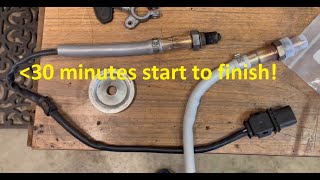
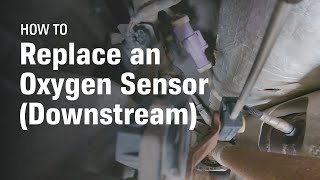
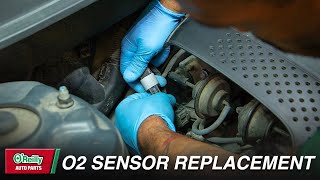
- Downstream (Rear) Sensor: This sensor is located in the exhaust pipe after the catalytic converter. Access is from underneath the vehicle and typically requires removing a splash shield. It is 🎬 Watch: Step-by-step downstream oxygen sensor replacement guide generally easier to reach than the upstream sensor, but can also be seized.
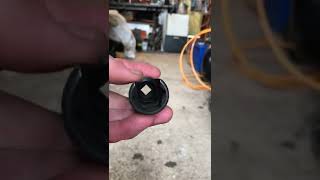
Warning: Oxygen sensors are often very tight and can seize in the exhaust pipe. Always apply penetrating oil and let it soak before attempting removal. In some cases, heating the surrounding exhaust pipe with a torch may be necessary to break it free. Using a dedicated oxygen sensor socket is highly recommended to avoid rounding off the sensor body.
| Specification | Details |
|---|---|
| Difficulty Rating | 2-4/5 (Downstream is easier, Upstream can be difficult if seized) |
| Special Tools | 22mm Oxygen Sensor Socket, Torque Wrench, Penetrating Oil |
| Torque Spec | 37 Nm (approx. 27 ft-lbs) for a similar Audi model, but always verify for your specific vehicle. |
Cost Comparison
The cost to replace an oxygen sensor can vary significantly based on the part source and who does the labor.
| Item | Estimated Cost |
|---|---|
| New OEM Sensor | $250 - $350 |
| New Aftermarket Sensor | $50 - $180 (Bosch, Denso, NTK recommended) |
| Used OEM Sensor | $40 - $90 |
| Shop Labor | $150 - $500 |
Frequently Asked Questions (FAQ)
How many oxygen sensors does my 2018 TT RS or 2019 RS3 have?
The 2.5L 5-cylinder engine has one bank of cylinders, so it uses two primary oxygen sensors: one upstream (before the catalytic converter) and one downstream (after the catalytic converter).
Can I drive with a bad oxygen sensor?
Yes, the car is drivable, but it's not recommended for an extended period. A bad upstream sensor will cause poor fuel economy and performance. Driving for too long can lead to unburned fuel damaging the expensive catalytic converter, turning a relatively small repair into a very costly one.
Do I need to replace both sensors at the same time?
No, you only need to replace the one that has failed. An OBD-II scanner will give you a specific code that points to the exact sensor (e.g., Bank 1 Sensor 1 for upstream, Bank 1 Sensor 2 for downstream). However, if the vehicle has high mileage, it's not uncommon for the other sensor to fail soon after, as they have similar lifespans.
Should I use a universal oxygen sensor?
It is highly discouraged. Universal sensors require you to cut your car's factory wiring and splice the new sensor in. This can create resistance issues and lead to incorrect readings, causing the same problems you were trying to fix. Always use a direct-fit sensor with the correct connector for your vehicle.
Helpful Videos
Technical Specifications
OEM Part Numbers: 07K906262G 07K906265 1K0-998-262-T
Upstream (Front) Sensor: Wideband Air/Fuel Ratio Sensor. Downstream (Rear) Sensor: Narrow-band Oxygen Sensor. Connector: 4-pin. Thread Size: M18x1.5. Wrench Size: 22mm.
We Have This Part in Stock

The information in this article is provided for general reference and educational purposes only. Vehicle specifications, procedures, and part compatibility can vary by production date, trim level, and region. Always consult your vehicle's factory service manual and verify part numbers before purchasing or performing repairs. Safety-critical components such as airbags, seat belts, and braking systems should be installed by a qualified professional.
- Audi TT RS:
- Audi RS3: