

1990-1997 Lexus LS400 Oil Pan: Decoding the Two-Piece Design and Common Leaks
A complete guide to diagnosing leaks, understanding the upper and lower sections, and choosing the right used part for your first-generation LS400.
- The LS400 uses a two-piece oil pan; a lower steel pan and an upper aluminum housing. You must identify which part is leaking before ordering.
- Leaks are the most common failure, typically caused by the aging of the factory Form-In-Place Gasket (FIPG) sealant, not a defect in the pan itself.
- Do NOT use a pre-made gasket for reassembly. The correct procedure requires cleaning the surfaces and applying new, high-quality FIPG sealant.
- Replacing the lower steel pan is a manageable DIY job, but replacing the upper aluminum pan is a major repair that may require lifting the engine.
Understanding the Two-Piece Oil Pan Design

The most critical thing to understand about the 1990-1997 Lexus LS400 oil pan is that it is a two-part assembly. Misidentifying which part is leaking or damaged can lead to buying the wrong components and unnecessary repairs.
- Upper Aluminum Pan (Housing): This larger, structural piece (OEM Part No. 12111-50020) is made of cast aluminum and bolts directly to the bottom of the engine block. It also serves as a mounting point for other components. Leaks from the upper pan are less common but much more difficult to repair.
- Lower Steel Pan (Sump): This is the smaller, bowl-shaped pan (OEM Part No. 12102-50050, which supersedes 12102-50010) that bolts to the bottom of the upper aluminum pan. It holds the oil and has the drain plug for oil changes. This is the part most susceptible to damage from road debris and is the more common source of simple leaks.
Pro Tip: Before ordering any parts, thoroughly clean the engine's underside and trace the oil leak to its highest point. Oil from a valve cover gasket or oil pressure switch can run down and mimic an oil pan leak. Confirming the source will save you time and money.
Symptoms of a Failing Oil Pan


Oil pan failures are almost always related to leaks, either from physical damage or aging seals.
- Oil Puddles Under the Car: The most obvious sign is a puddle of brown or black, greasy fluid on your driveway or parking spot.
- Low Oil Level Warning Light: A significant leak will cause the oil level to drop, triggering the oil pressure or oil level warning light on your dashboard. Do not ignore this light, as low oil can quickly lead to severe engine damage.
- Visible Damage: Inspect the lower steel pan for dents, deep scrapes, or cracks, especially after hitting road debris. A dent near the oil pump pickup can restrict oil flow even if the pan isn't leaking.
- Burning Oil Smell: If oil leaks onto the hot exhaust pipes, it will burn off, creating a distinct and unpleasant smell.
- Oil Around the Drain Plug: A leak specifically from the drain plug area may indicate a stripped thread or a missing/worn-out drain plug gasket.
Warning: The 1UZ-FE engine in the LS400 does not use a traditional pre-formed gasket for the oil pans. Both the upper and lower pans are sealed using a Form-In-Place Gasket (FIPG) sealant, like Toyota's own black FIPG or a high-quality equivalent like Permatex Right Stuff. Using the wrong sealant or applying it incorrectly will result in leaks.
Buying a Used LS400 Oil Pan: What to Check

A used OEM oil pan is an excellent, cost-effective choice, as the original parts are high quality. However, careful inspection is key.
- Identify the Correct Part: First, be absolutely sure which piece you need—the upper aluminum housing or the lower steel pan. They are not interchangeable and solve different problems.
- Inspect the Lower Steel Pan (12102-50050):
- Drain Plug Threads: This is the most critical inspection point. Bring a spare drain plug with you and gently thread it in by hand. It should turn smoothly without binding. If the threads are stripped or damaged, the pan is useless.
- Dents and Damage: Look for major dents, especially on the bottom. A severe impact can push the pan floor upwards, interfering with the oil pump pickup tube and starving the engine of oil. Minor scrapes are cosmetic, but deep gouges or cracks are red flags.
- Mating Surface: Place the pan's top edge on a flat surface to check for warpage. A bent flange will never seal properly.
- Rust: Check for heavy corrosion, both inside and out. Surface rust is acceptable, but flaking or perforated rust means the pan should be rejected.
- Inspect the Upper Aluminum Pan (12111-50020):
- Cracks: Carefully inspect the entire housing for cracks, paying close attention to the bolt holes and corners where stress can concentrate.
- Mating Surfaces: Check both the top (engine block side) and bottom (lower pan side) surfaces for deep scratches, corrosion, or warping. Use a straight edge for accuracy.
- Corrosion: Look for heavy white, powdery aluminum oxide, especially in areas where steel bolts were seated.
Known Issues, TSBs, and Recalls
There are no specific recalls or Technical Service Bulletins (TSBs) from the NHTSA for the oil pan itself on the 1990-1997 Lexus LS400. The primary issue is not a manufacturing defect but age-related degradation of the FIPG sealant, leading to leaks. Forum discussions among owners confirm that resealing the lower oil pan is a common maintenance task on these high-mileage vehicles. A Lexus service bulletin (L-SB-0002-20 Rev1) from 2020 provides general guidance for all models on diagnosing leaks versus "seeps," noting that a seep is a wetness without active dripping and may not require immediate repair.
Cost Comparison
| Part/Service | Estimated Cost | Notes |
|---|---|---|
| New OEM Lower Pan (12102-50050) | $210 - $290 | Price from Lexus dealerships. |
| New OEM Upper Pan (12111-50020) | Varies (Often Discontinued) | This part is listed as discontinued by some suppliers, making used the primary option. |
| New Aftermarket Lower Pan | $85 - $115 | Brands like Spectra Premium, Dorman, and Duralast are available. |
| Used OEM (Lower or Upper) | $50 - $150 | Price varies by condition and source (e.g., eBay, local salvage yards). |
| Shop Labor (Lower Pan Reseal) | $200 - $350 | Relatively straightforward job. |
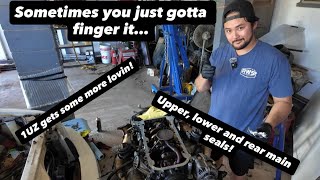
| Shop Labor (Upper Pan Reseal) | $500 - $900+ | A much more involved job that may require lifting the engine or dropping the subframe. 🎬 Watch: LS400 upper and lower oil pan reseal video RepairPal estimates a full pan replacement cost between $723 and $883, which likely reflects the more complex upper pan job. |
Frequently Asked Questions (FAQ)
Do I have to replace the whole oil pan assembly?
No, and this is a key point. The upper aluminum and lower steel pans are separate parts. You only need to replace the specific section that is leaking or damaged. The lower steel pan is the most commonly serviced part.
Can I use a regular gasket instead of the black sealant?
No. The LS400 engine was designed from the factory to use Form-In-Place Gasket (FIPG) sealant, not a pre-cut gasket. Attempting to use an aftermarket paper or cork gasket will almost certainly result in a leak. You must use a high-quality, oil-resistant RTV sealant.
How hard is it to replace the lower oil pan myself?
For a DIY mechanic with some experience, replacing the lower steel pan is very manageable. It involves draining the oil, removing the splash shield, unbolting the pan, cleaning the surfaces meticulously, applying new FIPG, and reinstalling. The most critical and time-consuming step is cleaning the old sealant off both mating surfaces.
How long should I wait after applying the sealant before adding oil?
It is best to let the FIPG sealant cure for at least a few hours before refilling the engine with oil. Some mechanics recommend waiting 24 hours to ensure a perfect, leak-free seal. Check the instructions on your specific brand of sealant, but allowing ample cure time is crucial.
Helpful Videos
Technical Specifications
OEM Part Numbers: 12102-50050 (Lower Steel Pan, supersedes 12102-50010) 12111-50020 (Upper Aluminum Pan)
Material: Upper pan is cast aluminum, lower pan is stamped steel. Sealant: Form-In-Place Gasket (FIPG), no pre-formed gasket used.

The information in this article is provided for general reference and educational purposes only. Vehicle specifications, procedures, and part compatibility can vary by production date, trim level, and region. Always consult your vehicle's factory service manual and verify part numbers before purchasing or performing repairs. Safety-critical components such as airbags, seat belts, and braking systems should be installed by a qualified professional.
- Lexus LS400: