

1986-1990 Corvette Oil Pan Guide: Leaks, Swaps, and Replacement
This guide covers the common L98 oil pan, the rare 1990 ZR-1 LT5 pan, and the difficult replacement process that often involves lifting the engine.
- The 1986-1990 Corvette L98 engine uses a specific oil pan (GM #10055765) for one-piece rear main seals; it is not compatible with the rare 1990 ZR-1 LT5 engine's pan.
- Replacement is a very difficult (5/5) and expensive job, as the engine typically must be lifted to clear the front crossmember.
- Before replacing the pan gasket, thoroughly check for leaks from more common sources higher on the engine, like the valve covers or the oil pressure sender behind the intake manifold.
- When buying a used pan, the most critical inspection is to verify the drain plug threads are not stripped or damaged.
L98 vs. LT5: A Critical Distinction for 1990 Corvette Owners

For the 1986-1990 model years, the vast majority of Corvettes came with the 5.7L L98 V8 engine. However, 1990 was the debut year for the high-performance ZR-1 model, which featured a completely different 5.7L DOHC engine known as the LT5. These two engines use entirely different oil pans that are not interchangeable.
- L98 Oil Pan (1986-1990): This is the standard pan. It is designed for engines with a one-piece rear main seal, which was introduced in 1986. It features a passenger-side dipstick and holds around 6 quarts with a filter change. The most common OEM part number is 10055765.
- LT5 Oil Pan (1990 ZR-1 Only): This is a more complex aluminum pan exclusive to the ZR-1. It has a much larger capacity (around 9.6 quarts) and a sophisticated internal baffle system to handle the high G-forces the ZR-1 is capable of. It will not fit a standard L98 engine.
Warning: If you own a 1990 Corvette, you must verify whether you have the standard L98 engine or the ZR-1's LT5 engine before purchasing an oil pan. They are not compatible.
Symptoms of a Failing Oil Pan

Oil pan issues almost always manifest as oil leaks. Damage is typically caused by road debris impact or corrosion, while leaks are often due to a worn-out gasket or a stripped drain plug.
- Oil Puddles Under the Car: The most obvious sign is a puddle of brown or black, greasy fluid under the front of the engine. Place a piece of cardboard under the car overnight to confirm the leak's location and severity.
- Low Oil Level or Warning Light: A significant leak will cause the engine oil level to drop, potentially triggering the low oil pressure warning light on your dashboard. Driving with low oil can cause catastrophic engine damage.
- Burning Oil Smell: If oil leaks onto hot exhaust components, it will burn off, creating a distinct and unpleasant smell.
- Visible Oil and Grime on the Pan: The bottom of the oil pan and surrounding areas will be coated in a layer of oily grime. The leak often originates from the gasket sealing the pan to the engine block or from the drain plug.
- Stripped Drain Plug: If the drain plug spins but never tightens, or if it leaks constantly, the threads in the aluminum or steel pan are likely stripped. This is a common problem caused by over-tightening.
Known Issues for 1986-1990 Corvette Oil Pans

While the oil pan itself is a simple component, it is part of a system with several known leak points and significant service challenges.
Common Leak Sources Mistaken for the Oil Pan
Before condemning the oil pan gasket, it's crucial to inspect other common leak sources on the L98 engine. Oil from higher up on the engine can run down and drip from the bottom of the pan, mimicking a pan gasket leak. Check these areas first:
- Valve Cover Gaskets: These are notorious for leaking over time.
- Intake Manifold Gasket (Rear 'China Wall'): The seal at the back of the intake manifold can fail, allowing oil to run down the back of the engine block.
- Oil Pressure Sending Unit: Located at the back of the engine near the distributor, this sensor is a very common failure point and can leak a significant amount of oil.
- Rear Main Seal: While the one-piece seal used from 1986-onward is robust, a leak here can be mistaken for a pan gasket leak.
Difficult Replacement Procedure
Replacing the oil pan or its gasket on a C4 Corvette is a labor-intensive job. The engine sits low in the chassis, and the front crossmember blocks the oil pan from being removed directly. While some forum members report success without lifting the engine by removing numerous other components, the most common and accepted procedure involves unbolting the motor mounts and carefully jacking the engine up by a few inches to gain the necessary clearance. This makes the job significantly more complex than on most other vehicles and increases labor costs substantially.
Buying a Used 1986-1990 Corvette Oil Pan: Inspection Guide

A used OEM oil pan is an excellent choice, as factory parts often have superior fit and material quality compared to cheap aftermarket alternatives. However, a thorough inspection is critical before buying.
Step 1: Verify Compatibility
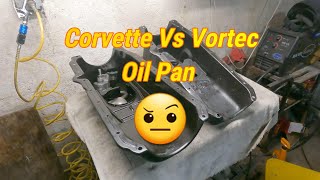
First, ensure you are buying the correct pan for your engine. Confirm it is for a 1986 or later L98 with the one-piece rear main seal. 🎬 Watch: SBC Corvette oil pan vs Vortec pan comparison These pans have a distinct shape at the rear to accommodate the seal housing. It should have provisions for a passenger-side dipstick.
Step 2: Physical Inspection Checklist
- Check for Cracks and Dents: Inspect the entire pan, especially the bottom and corners, for any cracks from impacts. A significant dent in the sump area can reduce oil capacity or interfere with the oil pump pickup.
- Inspect the Gasket Surface: The top flange that mates with the engine block must be perfectly flat and free of deep scratches or gouges. A warped surface will never seal properly.
- Verify Drain Plug Threads: This is the most critical check. Bring a new drain plug with you and carefully thread it in by hand. It should turn smoothly and tighten securely. If the threads are stripped or damaged, do not buy the pan.
- Examine the Interior: Look inside for heavy sludge or metal shavings. While some sludge is normal for a used part, excessive buildup could indicate the donor engine was poorly maintained or had a major failure.
- Check the Windage Tray: The L98 pan includes an internal windage tray to control oil splash. Ensure it is present, securely attached, and not bent or damaged.
Cost Comparison: Corvette Oil Pan Replacement
Labor is the most significant expense due to the difficulty of the job. Prices can vary widely based on location and the specific shop.
| Part/Service | Estimated Cost | Notes |
|---|---|---|
| New OEM (L98) | $250 - $400+ | Part number 10055765 is often discontinued but may be available as New Old Stock (NOS). |
| New Aftermarket | $90 - $200 | Quality and fit can vary. May be made of thinner steel than OEM. |
| Used OEM | $75 - $150 | A cost-effective option if inspected carefully. |
| Shop Labor (Pan Replacement) | $995 - $1,460 | This is a high estimate reflecting the need to lift the engine for clearance. Some shops may quote less if they can perform the job without lifting the engine. |
Frequently Asked Questions (FAQ)
Do I really have to lift the engine to replace the oil pan?
It is the most common and recommended method. Some mechanics and DIYers have managed to remove the pan by removing the starter, oil filter adapter, and flywheel cover, and then carefully rotating the crankshaft to move the counterweights out of the way. However, this is extremely tight, and most factory service procedures and mechanics advise lifting the engine slightly for clearance.
🎬 Watch this step-by-step C4 Corvette oil pan gasket replacement guideWhat kind of gasket should I use?
A modern one-piece rubber gasket (like those made by Fel-Pro) is highly recommended. They are far superior to older multi-piece cork gaskets and provide a much more reliable, long-lasting seal, which is important given the difficulty of the job.
Can I repair a stripped oil pan drain plug?
Yes, several options exist. The most common repair is to use a thread repair kit (like a Heli-Coil or Time-Sert) to install new, stronger threads. Another option is to use an oversized, self-tapping drain plug, but this is generally considered a less permanent solution. For a proper, long-term fix, a thread insert kit is the best method.
Are there any recalls for the oil pan on my 1986-1990 Corvette?
There are no specific recalls for the oil pan or its gasket. There was a recall related to aftermarket oil filters that could leak, potentially causing a fire, but this was not for the pan itself. No other TSBs or recalls directly address the oil pan for these model years.
Helpful Videos

Technical Specifications
OEM Part Numbers: 10055765 NAL-10055765 10108584 10122165 10153593 10225138
Engine Fitment: 5.7L L98 V8 (1986-1991 with 1-piece rear main seal) Dipstick Location: Passenger Side (Right-Hand) Material: Steel Capacity: Approx. 6 quarts with filter change

The information in this article is provided for general reference and educational purposes only. Vehicle specifications, procedures, and part compatibility can vary by production date, trim level, and region. Always consult your vehicle's factory service manual and verify part numbers before purchasing or performing repairs. Safety-critical components such as airbags, seat belts, and braking systems should be installed by a qualified professional.
- Chevrolet Corvette:
- 🎬 Helpful Videos
- L98 vs. LT5: A Critical Distinction for 1990 Corvette Owners
- Symptoms of a Failing Oil Pan
- Known Issues for 1986-1990 Corvette Oil Pans
- Common Leak Sources Mistaken for the Oil Pan
- Difficult Replacement Procedure
- Buying a Used 1986-1990 Corvette Oil Pan: Inspection Guide
- Step 1: Verify Compatibility
- Step 2: Physical Inspection Checklist
- Cost Comparison: Corvette Oil Pan Replacement
- Frequently Asked Questions (FAQ)
- 🎟️ Get 5% Off