

2014-2019 BMW i8 Oil Pan: A Guide to Leaks, Damage, and Replacement
Learn to spot a failing oil pan on your BMW i8, what to look for in a used replacement, and how to avoid common installation mistakes.
- The primary causes of oil pan failure on the BMW i8 are impact damage from its low ground clearance and stripped drain plug threads from improper servicing.
- When buying a used oil pan, you must inspect it for hairline cracks, verify the drain plug threads are intact, and ensure the mounting surface is perfectly flat.
- Replacement is a complex, high-labor job (rated 4 out of 5 difficulty) due to the i8's mid-engine layout and should be performed by a professional.
- The i8 uses a special RTV sealant, not a traditional gasket. Proper surface preparation and application of this sealant are critical to prevent future leaks.
Common Failure Symptoms

A failing oil pan almost always results in an oil leak. Because the BMW i8 has extensive underbody paneling, you may not see drips on the ground immediately. Instead, the first signs might be a warning light or a burning smell.
- Visible Oil Puddles: This is the most obvious sign. If you see brown or black fluid on your garage floor, it's likely an engine oil leak. The pan is located at the bottom of the engine, so leaks often appear directly underneath the center of the car, behind the front wheels.
- Low Oil Warning Light: The i8's onboard computer monitors the oil level. A persistent low oil warning, even after topping it off, points to a leak somewhere in the system. Running the engine with low oil can cause catastrophic damage.
- Burning Oil Smell: If oil leaks from the pan or gasket and drips onto the hot exhaust components, it will burn off, creating a distinct, acrid smell inside or outside the car.
- Smoke from Engine Bay: A more significant leak can produce visible blue or white smoke from under the hood as oil contacts the hot engine or exhaust manifold.
Known Issues for the 2014-2019 BMW i8

While the B38 engine is generally robust, the oil pan's location and the i8's design present specific challenges.
- Impact Damage: The i8 is a low-slung sports car. This makes the oil pan, the lowest point of the engine, highly vulnerable to damage from road debris, speed bumps, and steep driveways. A direct impact can easily crack the aluminum pan, leading to a severe and immediate oil leak.
- Stripped Drain Plug Threads: A common issue on many BMWs is damage to the aluminum threads of the oil pan drain plug port. This can happen from over-tightening the plug during an oil change or cross-threading it. A stripped plug will not seal properly, causing a persistent drip.
- Sealant/Gasket Failure: The i8's oil pan does not use a traditional pre-formed gasket. Instead, it is sealed to the engine block using a specific RTV silicone sealant. Over time, this sealant can degrade, or it may leak if it was not applied correctly during a previous repair, leading to seepage around the pan's perimeter.
Pro Tip: Some forum users have reported persistent oil leaks that were difficult to diagnose. In one case, a leak attributed to the oil pan was actually from a faulty VANOS solenoid located higher up on the engine. Always have a technician perform a thorough leak inspection using dye to pinpoint the exact source before replacing the pan.
Recalls and Technical Service Bulletins (TSBs)
As of this writing, there are no specific recalls or TSBs from the National Highway Traffic Safety Administration (NHTSA) for the oil pan itself on the 2014-2019 BMW i8. Existing recalls for this vehicle concern issues like the fuel tank, stability control, and high-voltage electrical systems. However, a TSB for other BMW models with similar engine architecture mentions an updated oil pan design with grooves for additional sealant to prevent leaks, indicating that sealing issues are a known concern for the manufacturer.
Buying a Used BMW i8 Oil Pan: A Buyer's Checklist

A recycled OEM oil pan is an excellent value, but careful inspection is critical to avoid buying a damaged part. Here’s what to check:
- Check for Cracks: Meticulously inspect the entire pan, especially around the mounting bolt holes and the drain plug area. Pay close attention to hairline cracks, which can be difficult to see. A small crack can grow under heat and vibration, leading to a leak.
- Inspect the Drain Plug Port: This is a critical failure point. Check the threads inside the drain plug port for any signs of stripping, cross-threading, or damage. If the threads are damaged, the pan is unusable unless it can be professionally repaired with an insert.
- Verify the Gasket Surface: Run your finger or a straight edge along the entire mounting surface where the pan meets the engine block. It must be perfectly flat, clean, and free of deep gouges or warping. Any imperfection can prevent a proper seal.
- Look for Dents and Gouges: While a minor scratch is cosmetic, a significant dent could compromise the internal oil pickup clearance or indicate a severe impact that may have caused hidden stress fractures.
- Confirm the Part Number: Ensure the part number matches your vehicle's requirements. The primary OEM part number for the 2014-2019 BMW i8 is 11-13-7-643-521 (also written as 11137643521).
Cost of Replacement
Replacing the oil pan on a BMW i8 is a labor-intensive job, which significantly impacts the total cost. The part itself is also expensive from the dealer.
| Part/Service | Estimated Cost |
|---|---|
| New OEM Oil Pan | $660 - $754 |
| New Aftermarket Oil Pan | $140 - $300 |
| Used OEM Oil Pan | $150 - $400 |
| Shop Labor | $488 - $716 |
| Total Estimated Cost (Used OEM + Labor) | $638 - $1,116 |
| Total Estimated Cost (New OEM + Labor) | $1,148 - $1,470 |
Note: Prices are estimates and do not include taxes, fees, or the cost of new engine oil and sealant, which are required for the job. Labor costs can vary based on location and shop rates.
Oil Pan Replacement Overview

Replacing the oil pan on an i8 is a complex task best left to experienced technicians. The B38 engine is situated in a tight, mid-ship layout, making access difficult.
The general steps involve:
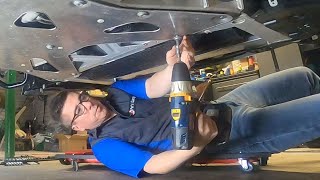
- Lifting the vehicle and removing the extensive underbody trays 🎬 Watch this overview of BMW i8 components hidden beneath underbody panels and reinforcement plates.
- Draining the engine oil completely.
- Removing numerous bolts that secure the pan to the engine block and transmission.
- Carefully prying the pan loose, as it is held on by strong adhesive sealant.
- Thoroughly cleaning the engine block's mating surface to remove all old sealant residue. This step is critical for a leak-free repair.
- Applying a new, even bead of the specified BMW-approved sealant to the new or used oil pan.
- Installing the pan, torquing all bolts to the manufacturer's specification in the correct sequence, and allowing the sealant to cure.
- Refilling the engine with the correct grade of oil and checking for leaks.
Frequently Asked Questions (FAQ)
Can I repair a cracked aluminum oil pan?
While welding aluminum is possible, it is generally not recommended for a critical component like an oil pan. An improper weld can fail under engine vibration and heat cycles, leading to another leak. Replacement is the safest and most reliable solution.
Is an oil pan gasket leak the same as a bad oil pan?
Not necessarily. The BMW i8 uses a liquid sealant instead of a physical gasket. A leak can occur if this sealant fails, even if the pan itself is undamaged. In these cases, the repair involves removing the pan, cleaning both surfaces, and applying new sealant. However, the labor involved is the same as a full replacement, so it's wise to inspect the pan thoroughly while it's off the car.
What happens if I keep driving with a leaking oil pan?
Continuing to drive with an oil leak is extremely risky. If the oil level drops too low, the engine will be starved of lubrication, leading to rapid wear and catastrophic failure of internal components like bearings and pistons. This can result in needing a complete engine replacement, a far more expensive repair.
Why is the labor cost so high to replace an i8 oil pan?
The labor cost is high due to the mid-engine design of the BMW i8. Technicians must remove multiple underbody panels and reinforcement plates to access the oil pan. Some bolts may be difficult to reach, requiring specialized tools and extra time, which increases the labor hours required for the job.
Helpful Videos
Technical Specifications
OEM Part Numbers: 11-13-7-643-521 11137643521
Material: Cast Aluminum. Gasket Type: RTV Silicone Sealant.

The information in this article is provided for general reference and educational purposes only. Vehicle specifications, procedures, and part compatibility can vary by production date, trim level, and region. Always consult your vehicle's factory service manual and verify part numbers before purchasing or performing repairs. Safety-critical components such as airbags, seat belts, and braking systems should be installed by a qualified professional.
- BMW i8: