

2021-2025 Kia K5 OCS ECU: Airbag Lights, Recalls, and Calibration Explained
Your guide to diagnosing and replacing the Occupant Classification System module, including the critical programming step most people miss.
- After installation, this ECU MUST be calibrated by a Kia dealer or a shop with a Kia-specific (KDS/GDS) scan tool.
- This specific part, 80702-L2500, is ONLY for 2021-2025 Kia K5 models with a MANUAL front passenger seat.
- A faulty OCS ECU will disable the passenger's front airbag, making it unsafe for a passenger until repaired.
- Check for simple issues first, like moisture or electronic devices on the seat, which can sometimes trigger OCS fault codes.
Symptoms of a Failing OCS ECU
When the OCS module fails, the vehicle's Supplemental Restraint System (SRS) detects a fault and alerts the driver. The symptoms are usually very clear and directly related to the airbag system.
- Airbag Warning Light: The most common symptom is a solid red or amber airbag warning light on the instrument cluster. This light indicates a fault somewhere in the SRS system, and the OCS module is a frequent cause.
- Incorrect "PASSENGER AIR BAG OFF" Light: The status light on the center console may behave incorrectly. It might stay illuminated even with an adult in the seat, or it may not light up when the seat is empty or occupied by a child. This indicates the system is not correctly classifying the occupant.
- System Inoperative: If the airbag warning light is on due to an OCS fault, the entire passenger airbag system is disabled as a fail-safe. This means the passenger front airbag will not deploy in a collision, increasing the risk of injury.
Common Diagnostic Trouble Codes (DTCs)
A professional scan tool that can read SRS or Body Control Module codes is necessary for proper diagnosis. Common codes associated with a faulty OCS system include:
- B1447 / B1448: OCS Sensor Mat Malfunction. While these codes point to the sensor mat, they can sometimes be triggered by issues with the ECU or even external factors.
- B1764: OCS Communication Error. This code often indicates a problem with the OCS ECU itself or the wiring harness connecting to it.
Pro Tip: Before replacing parts, check for simple causes. A Technical Service Bulletin for Kia vehicles notes that the airbag light with codes B1447 or B1448 can be triggered by moisture on the seat (like a spilled drink) or by electronic devices like laptops or cell phones placed on the passenger seat. Try drying the seat completely, removing all electronics, and clearing the codes to see if the problem returns.
Known Issues & Recalls for the K5 Airbag System
The 2021-2025 Kia K5 has been subject to important safety recalls involving the airbag system. Before purchasing a part, it is wise to check if the vehicle has had these recalls performed.
NHTSA Recall SC207: Improperly Calibrated OCS Unit
This is the most relevant recall for this specific part. Kia recalled certain 2021 K5 models produced between February 3, 2021, and March 4, 2021. The OCS units in these vehicles may have been improperly calibrated from the factory. This defect can prevent the system from detecting a child restraint system in the passenger seat, causing the airbag to remain active when it should be suppressed. The remedy is a complete replacement of the OCS/ODS unit by a Kia dealer, free of charge.
NHTSA Recall SC263: Improperly Installed Side Curtain Airbags
While not directly related to the OCS ECU, owners should be aware of this recall affecting 2021-2023 K5 models. The side curtain airbags may have been installed incorrectly at the factory, which could cause them to fail to deploy properly in a side-impact crash. The fix involves inspection and reinstallation by a dealer.
Warning: A replacement OCS ECU requires calibration. This is not a plug-and-play part. Failure to perform the calibration will result in a non-functional system and the airbag light will remain on.
CRITICAL: Programming and Calibration are Required
Replacing the OCS ECU is a two-step process: physical installation and electronic calibration. You cannot skip the second step.
According to Kia's official service documents for recall SC207, after a new OCS unit is installed, it must be initialized and reset using the Kia Diagnostic System (KDS) or GDS-M, the dealership-level scan tool. The procedure is often called "Body Sensor Reset" and is found under the Occupant Detection System software management menu.
This calibration process zeroes out the sensor and tells the main SRS module that a new, functional OCS ECU is present. Without this step, the system will not recognize the new part, and the airbag light will stay on. This procedure must be performed by a Kia dealership or an independent repair shop that has invested in advanced, Kia-specific diagnostic equipment.
Buying a Used 2021-2025 Kia K5 OCS ECU
A used OEM module can be a cost-effective alternative to a new part, but careful purchasing is essential.
- Verify Compatibility: This is the most important step. The part number for this guide is 80702-L2500. Crucially, this module is for K5 models equipped with a manual front passenger seat. It will not work on vehicles with a power passenger seat. Double-check the part number on your original module before ordering.
- Physical Inspection: When you receive the used part, inspect the housing for cracks or signs of heat damage. Check the electrical connector pins to ensure they are straight, clean, and free of any corrosion. Avoid any parts that show signs of water damage.
- Factor in Calibration Costs: Remember that the price of the used part is not your total cost. You must budget for 1-2 hours of labor at a dealership or qualified shop to have the new module calibrated to your vehicle.
- Source Matters: Purchase from a reputable seller that offers a warranty and guarantees the part is from a vehicle that did not have flood damage or a major collision that could have damaged the electronics.
Cost Comparison
| Part Type | Estimated Cost |
|---|---|
| New OEM (Dealer) | $270 - $410 |
| New Aftermarket | Not commonly available |
| Used OEM | $60 - $120 |
| Shop Labor (Installation & Calibration) | $180 - $360 |
Frequently Asked Questions (FAQ)
Does this module absolutely need to be programmed after installation?
Yes. The OCS ECU must be calibrated or "reset" using a Kia-specific diagnostic tool (KDS/GDS). Without this step, the airbag system will not recognize the new module, and the airbag warning light will remain on.
Can I install this part myself?
A mechanically inclined person can perform the physical swap. It involves disconnecting the battery, unbolting the front passenger seat, tilting it back, and replacing the module. However, the vehicle is not drivable in a safe condition until it is taken to a dealer or qualified shop for the mandatory electronic calibration.
What is the difference between the OCS ECU and the seat sensor mat?
The sensor mat is a grid of sensors inside the seat cushion that detects the presence and weight of an occupant. The OCS ECU is the computer that reads the information from the sensor mat, interprets it, and sends a command to the main airbag computer to either enable or disable the passenger airbag.
Will a bad OCS ECU prevent my car from starting?
No, a faulty OCS module will not prevent the car from starting or driving. However, it will disable the passenger's front airbag, creating a significant safety risk for any passenger in that seat. It is strongly recommended to repair the issue as soon as possible.
Technical Specifications
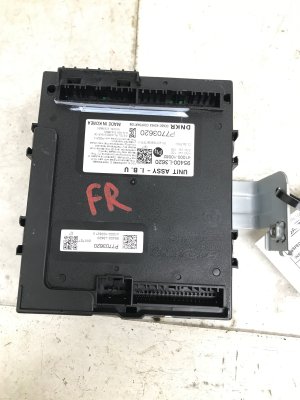
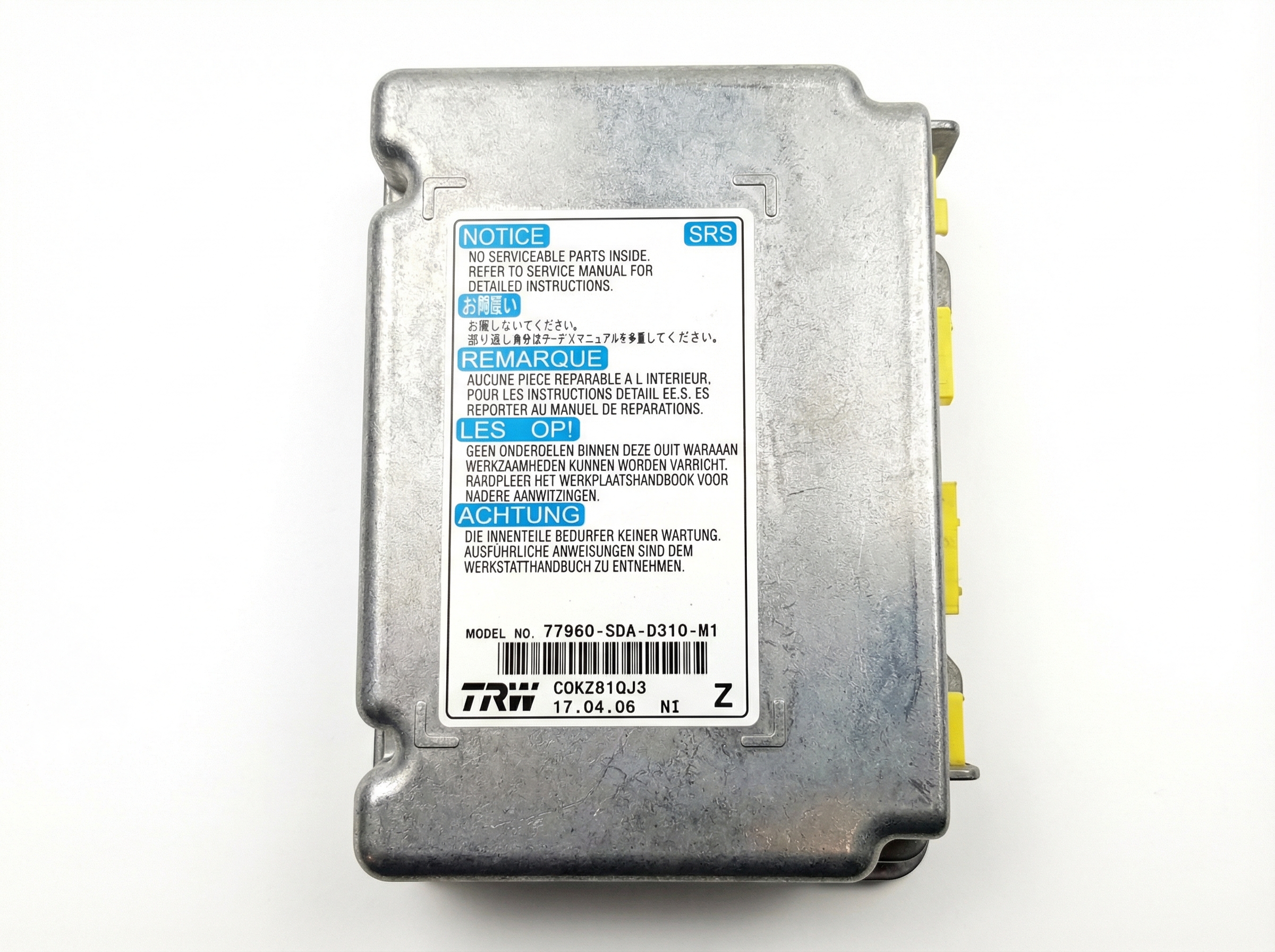
OEM Part Numbers: 80702-L2500
Location: Under front passenger seat. Compatibility: Manual passenger seat ONLY.
We Have This Part in Stock




The information in this article is provided for general reference and educational purposes only. Vehicle specifications, procedures, and part compatibility can vary by production date, trim level, and region. Always consult your vehicle's factory service manual and verify part numbers before purchasing or performing repairs. Safety-critical components such as airbags, seat belts, and braking systems should be installed by a qualified professional.
- Kia K5:
- 🛍️ Shop This Part
- Symptoms of a Failing OCS ECU
- Common Diagnostic Trouble Codes (DTCs)
- Known Issues & Recalls for the K5 Airbag System
- NHTSA Recall SC207: Improperly Calibrated OCS Unit
- NHTSA Recall SC263: Improperly Installed Side Curtain Airbags
- CRITICAL: Programming and Calibration are Required
- Buying a Used 2021-2025 Kia K5 OCS ECU
- Cost Comparison
- Frequently Asked Questions (FAQ)
- 🎟️ Get 5% Off