

Durango, Commander, Dakota & Raider OCS Module (2006-2009): Fixing the Airbag Light and Calibration Secrets
This guide explains the common failures of the Occupant Classification System (OCS) ECU and why professional calibration is mandatory after replacement.
- A replacement OCS module is NOT plug-and-play; it absolutely requires professional calibration with a dealer-level scan tool to function.
- A faulty OCS module will disable the passenger airbag, creating a serious safety risk in a collision. The airbag warning light should never be ignored.
- All of these vehicles are also under a critical "Do Not Drive" recall for separate Takata airbag inflators, which can rupture and cause injury or death. This repair is free at a dealer.
- When buying a used module, you must match the OEM part number exactly to avoid compatibility issues.
Symptoms of a Failing OCS Module

When the Occupant Classification System (OCS) module fails, it creates a significant safety issue because the airbag system can no longer reliably determine if a passenger is present or what size they are. The vehicle will register a fault and disable the passenger airbag as a precaution.
- Airbag Warning Light: The most common symptom is a persistent airbag warning light on your instrument cluster.
- Passenger Airbag Off Indicator: The 'PASS AIRBAG OFF' light may stay illuminated even when an adult is seated, or it might not light up when it's supposed to (like with a child seat or light object on the seat).
- Diagnostic Trouble Codes (DTCs): A professional scan tool can read specific codes from the airbag system. A failure in the OCS module will store one or more codes.
Common OBD-II Codes Associated with OCS Failure
If your airbag light is on, a mechanic will likely find one of these codes, which point directly to a problem in the Occupant Classification System. Note that a code reader needs to be able to access the SRS (Supplemental Restraint System) modules; a basic engine code reader may not see these.
| Code | Description |
|---|---|
| B1B13 / B00A0 | General OCS Malfunction. These are umbrella codes indicating a fault within the system. |
| B2212 | Occupant Classification Module Internal Error. This code points to a failure within the module itself. |
| U0154 | Lost Communication with Occupant Classification Module. The main airbag computer can no longer receive signals from the OCS module. |
| B223D | OCM DTC Present. This code is stored in the main airbag module and simply means you need to scan the OCS module for more specific fault codes. |
| B1BBC | OCS Negative System Weight. This code, noted on the Dodge Dakota, suggests a problem with one of the weight sensors sending an impossible reading. |
CRITICAL SAFETY WARNING: Takata Airbag Inflator Recall
All vehicles covered in this guide—the 2006-2007 Dodge Durango, 2006 Jeep Commander, 2006-2007 Dodge Dakota, and 2006-2009 Mitsubishi Raider—are affected by the massive and urgent Takata airbag inflator recall. This is a separate issue from the OCS module. Defective inflators can explode during airbag deployment, sending sharp metal fragments toward vehicle occupants, which can cause serious injury or death. NHTSA has issued a "Do Not Drive" warning for vehicles with unrepaired Takata recalls. You can check if your vehicle is affected by entering your VIN on the NHTSA website. This repair is performed for free by dealerships.
Programming and Calibration: The Most Important Step

This is not a plug-and-play part. A replacement Occupant Classification System module MUST be calibrated to the vehicle after installation. This process is often called "Zero Point Calibration" or "System Weight Calibration."
The calibration procedure electronically zeroes out the empty weight of the specific seat it's installed in and verifies that the weight sensors are reading correctly. Without this step, the module will not have an accurate baseline and cannot function properly, leaving the airbag light on and the passenger airbag disabled.
- Who can perform the calibration? A Chrysler/Dodge/Jeep dealership is the most reliable choice. Many well-equipped independent repair shops that have invested in high-level diagnostic scan tools with manufacturer-specific software can also perform this procedure. A standard mechanic or locksmith typically cannot.
- Special Tools: The official procedure often requires a set of special, calibrated weights that are placed on the seat in a specific sequence to confirm the system is reading weight accurately.
Warning: Do not attempt to install this module without having a plan for calibration. You will not be able to complete the repair, and the airbag system will remain inoperative.
Buying a Used Occupant Classification System ECU

Since this module is largely discontinued new from the manufacturer, a quality used OEM part is often the only viable option. Here’s what to look for:
- Match the Part Number Exactly: There are many variations of this module. Using a module with a different part number can result in a 'mismatch' error code (like B00A0-4A) and prevent the system from working. Cross-reference the OEM part numbers listed in this guide with the number on your original module.
- Inspect for Damage: Check the module's housing and connectors for any signs of cracks, corrosion, or water damage. The module is located under the passenger seat, where it can be exposed to spilled liquids or moisture from the carpet.
- Factor in Calibration Costs: Remember that the price of the used part is not the total cost of the repair. You must budget for professional installation and, most importantly, the calibration service.
- Why Used OEM is a Good Choice: For a critical safety module like this, a recycled OEM part that has been tested and verified is often more reliable than a non-existent or unproven aftermarket alternative. It was designed and built to your vehicle's original factory specifications.
Cost Comparison for OCS Module Replacement
The total cost includes the part itself, labor to swap it, and the separate, critical calibration procedure.
| Item | Estimated Cost | Notes |
|---|---|---|
| New OEM | null | Generally discontinued and no longer available from Mopar. |
| New Aftermarket | null | Not commonly available from major aftermarket brands for these specific models. |
| Remanufactured | null | Specific remanufacturing services for this module are not common. |
| Used OEM | $75 - $170 | Prices vary based on supplier and condition. |
| Shop Labor (Replacement) | $100 - $150 | Estimated 1.0-1.5 hours to remove the passenger seat, swap the module, and reinstall the seat. |
| Shop Labor (Calibration) | $150 - $300 | This is a separate electronic procedure performed after installation. Dealer and specialty shop prices vary. |
| Total Estimated Cost (Used Part) | $325 - $620 | Combines the cost of a used part, replacement labor, and calibration. |
Frequently Asked Questions (FAQ)
Can I replace the OCS module myself and drive it to the dealer for calibration?
Yes. The physical replacement involves unbolting the passenger seat, accessing the module underneath, and swapping the electrical connectors. If you are comfortable with this, you can perform the swap yourself. However, the vehicle's airbag light will remain on and the passenger airbag will be disabled until the system is professionally calibrated.
Is it safe to drive with a bad OCS module and the airbag light on?
The vehicle will drive normally, but it is a safety risk. When the airbag light is on due to an OCS fault, the entire passenger-side airbag system is typically disabled as a fail-safe. This means in the event of a frontal collision, the passenger airbag will not deploy, increasing the risk of injury.
What's the difference between the OCS module and the main airbag module (ORC)?
The OCS module is a sub-controller specifically for the passenger seat. Its only job is to weigh the occupant and report its findings. The Occupant Restraint Controller (ORC) is the central brain of the entire airbag system. The ORC takes the information from the OCS module, along with data from crash sensors, and makes the final decision to deploy the airbags.
My airbag light is on, but the code is for a weight sensor. Do I still need to replace the module?
Not necessarily. The OCS module relies on data from weight sensors in the seat. If a sensor or its wiring is faulty, it can trigger an OCS-related code. A technician should first diagnose the sensors and wiring harness under the seat, as these can be damaged by objects pushed under the seat or by the seat moving. If the sensors and wiring are good, then the module itself is the likely culprit.
Technical Specifications
OEM Part Numbers: 56043195AZ 56043195BD 56043195AP 56043195AR 56043195AS 56043195AT 56043195AX 56043195BA 56043195BB 56043195BC
The module is located under the front passenger seat, secured to the seat frame. It communicates with the main airbag controller (ORC) via the vehicle's CAN data bus.
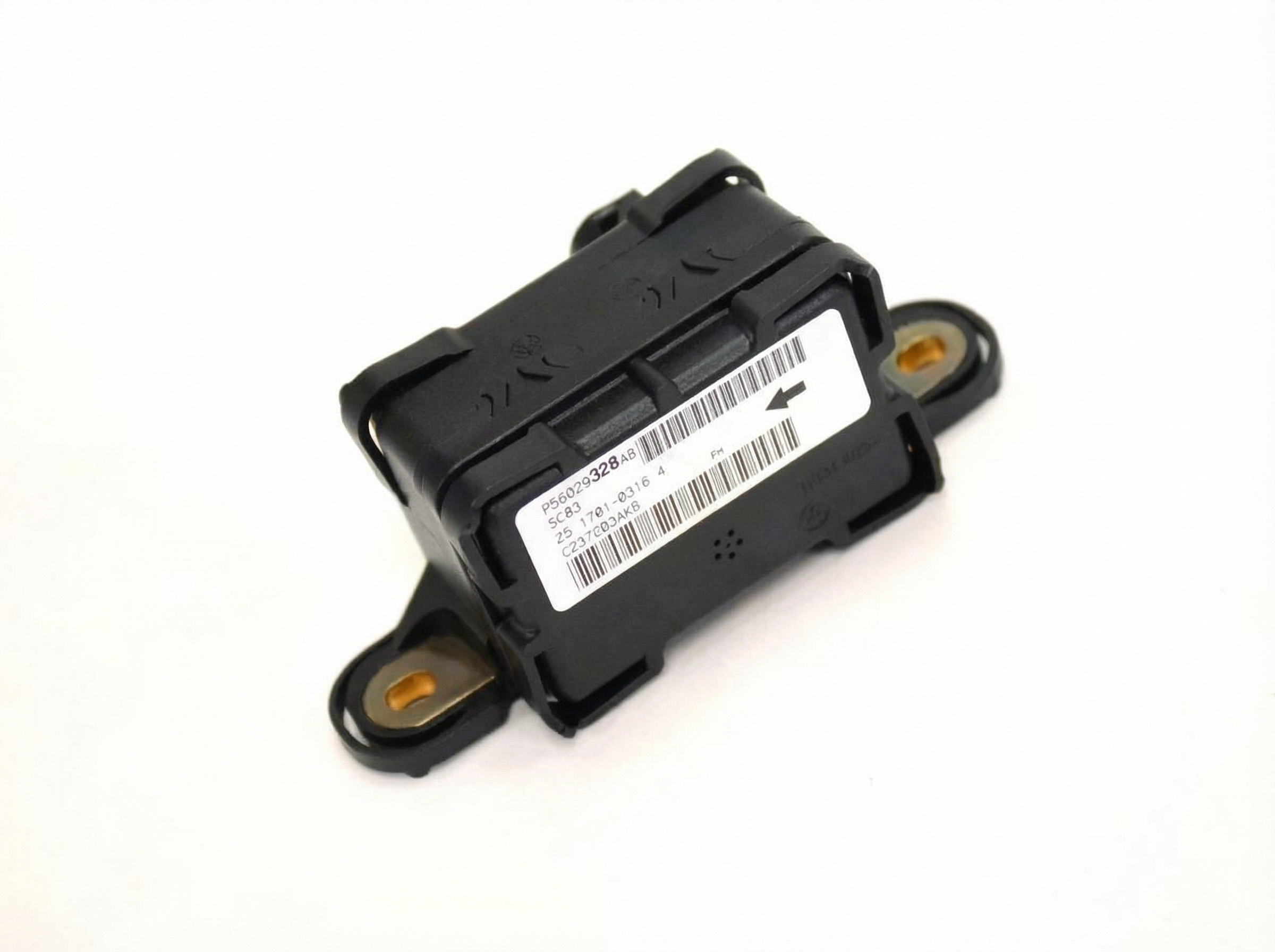
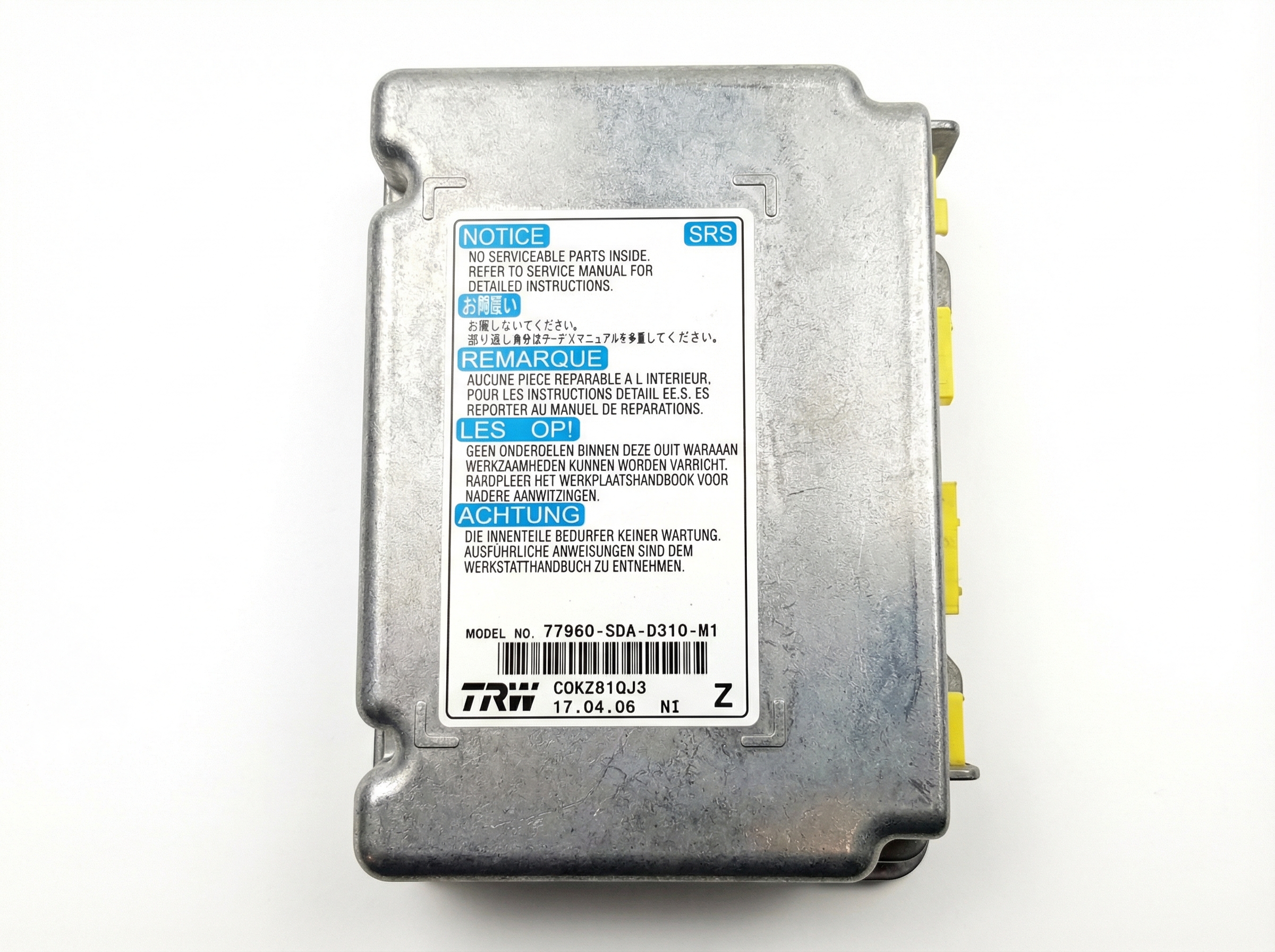
We Have This Part in Stock



The information in this article is provided for general reference and educational purposes only. Vehicle specifications, procedures, and part compatibility can vary by production date, trim level, and region. Always consult your vehicle's factory service manual and verify part numbers before purchasing or performing repairs. Safety-critical components such as airbags, seat belts, and braking systems should be installed by a qualified professional.
- Dodge Durango:
- Jeep Commander:
- Dodge Dakota:
- Mitsubishi Raider: