

U3003 on 2015-2023 Ford Mustang: Battery Voltage Fault Causes and Fixes
Code U3003 on a Ford Mustang means one or more control modules are seeing voltage that is too high or too low. The most common cause is a weak or failing 12V battery. Always test the battery and check its connections before replacing any expensive parts. A Battery Management System (BMS) reset is critical after battery replacement.
- U3003 means there is a problem with the battery voltage supply to one or more electronic modules.
- The most likely culprit is a weak or dying 12V battery. Always test the battery and clean its terminals first.
- If you replace the battery, you MUST perform a Battery Management System (BMS) reset to ensure the car charges it correctly.
- Check the alternator's output (should be 13.5-14.8V) to rule out under or overcharging.
- While rare, a faulty control module can also cause this code, but this should be the last item to check.
What's Unique About the 2015-2023 Ford Mustang

On the S550 Mustang, this code often points directly to the health of the 12V battery and the charging system. These cars are equipped with a Battery Management System (BMS) that monitors the battery's state of charge and health. A critical and often overlooked step is performing a BMS reset with a scan tool (like FORScan) or via a specific manual procedure after installing a new battery. Failing to do so can cause the system to undercharge or overcharge the new battery, leading to a recurrence of U3003 codes and potential damage to sensitive electronics. Many owners on forums like Mustang6G.com report that the factory battery has a limited lifespan and that even a slightly weak battery can trigger these codes long before it fails to start the car. The BMS is also programmed from the factory to maintain the battery at a state of charge around 75-80% to improve fuel economy, which can lead to the car entering 'Deep Sleep Mode' more frequently and may contribute to a shorter battery life if not regularly driven or maintained with a trickle charger.
Symptoms You May Notice
- Check Engine Light or other warning lamps (like the battery/charging light, ABS, or AdvanceTrac) are on
- Difficulty starting the engine or slow cranking
- Dimming headlights or interior lights
- Power windows, locks, or seats operating slowly
- Radio, navigation, or climate controls malfunctioning, resetting, or displaying messages like 'Shutting off system to save battery'
- Error messages appearing in the instrument cluster display, such as 'Service AdvanceTrac'
- Loss of power steering assist intermittently
- Drive modes becoming unavailable
- Replacing the alternator when the actual problem is a bad battery or a missed BMS reset.
- Replacing individual electronic modules (like the radio or climate control unit) that are malfunctioning due to the unstable voltage, rather than addressing the root electrical supply issue.
- Clearing the codes without addressing the underlying voltage issue, leading to their quick return.
Most Likely Causes

- Weak or Failing 12V Battery 🔴 High Probability Modern Mustangs have a high electrical demand from various modules, which can expose a weakening battery. The factory battery may last 3-5 years before its performance degrades, and the BMS is programmed to conserve energy, sometimes not fully charging the battery to 100%, which can shorten its life.
How to confirm: Test the battery's resting voltage (should be ~12.4V or higher) and perform a load test. A load test is crucial as a battery can show good voltage but fail under load, dropping below 9.6V during cranking. Most auto parts stores can do this for free.
Typical fix: Replace the 12V battery (an AGM type is recommended) and perform a Battery Management System (BMS) reset using a capable scan tool or the manual procedure.
Est. part cost: $150-$300 - Failing Alternator 🟡 Medium Probability An alternator with a failing voltage regulator can cause both undercharging (low voltage, U3003:16) and overcharging (high voltage, U3003:17) conditions.
How to confirm: With the engine running, measure the voltage at the battery terminals. It should be stable between 13.5V and 14.8V. Readings consistently below 13.2V or above 15V suggest a faulty alternator or regulator. The voltage may fluctuate significantly on a healthy car as the BMS adjusts the charging rate, but it should not consistently stay low or high. 🎬 See this quick guide on testing your Mustang's alternator
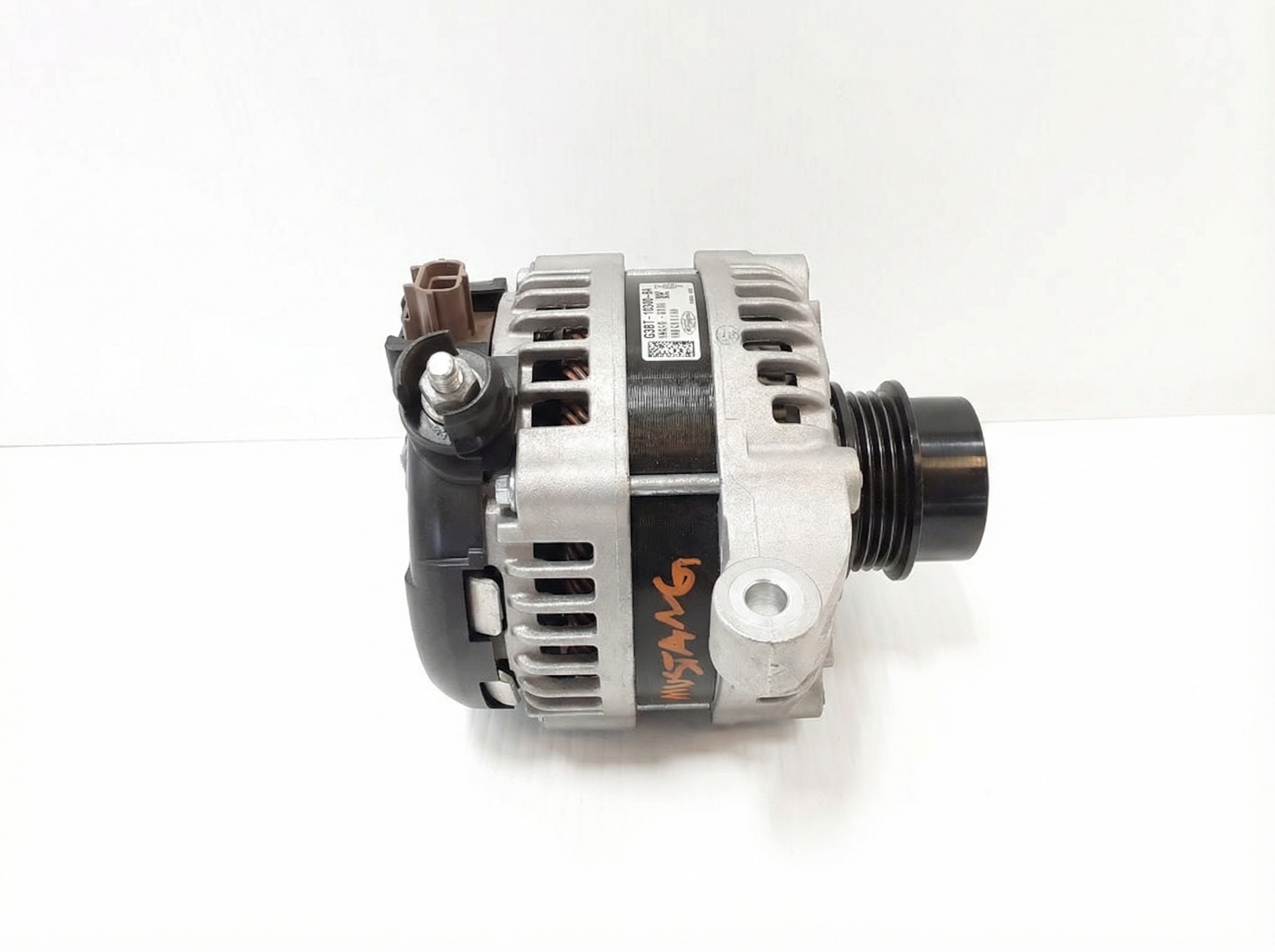
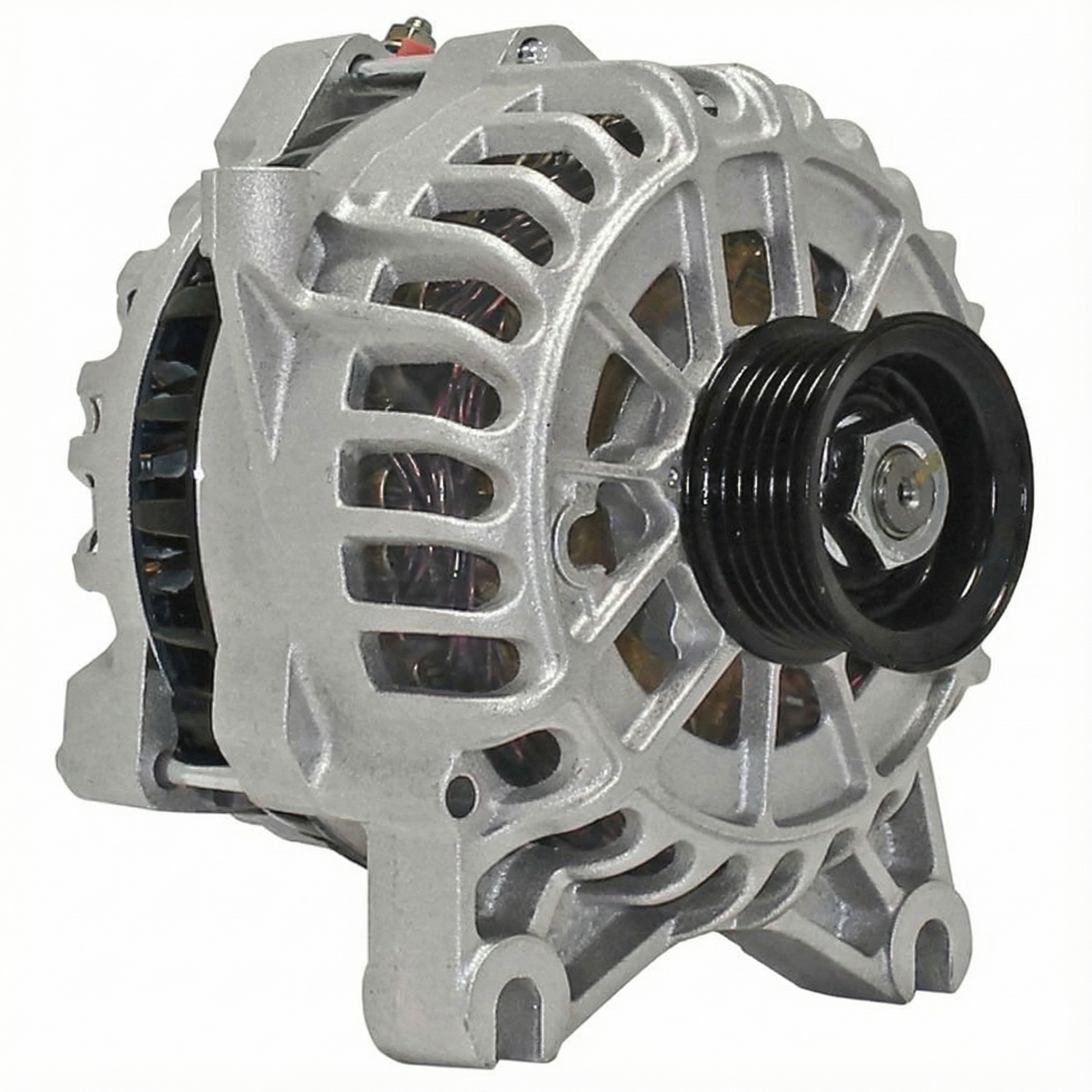
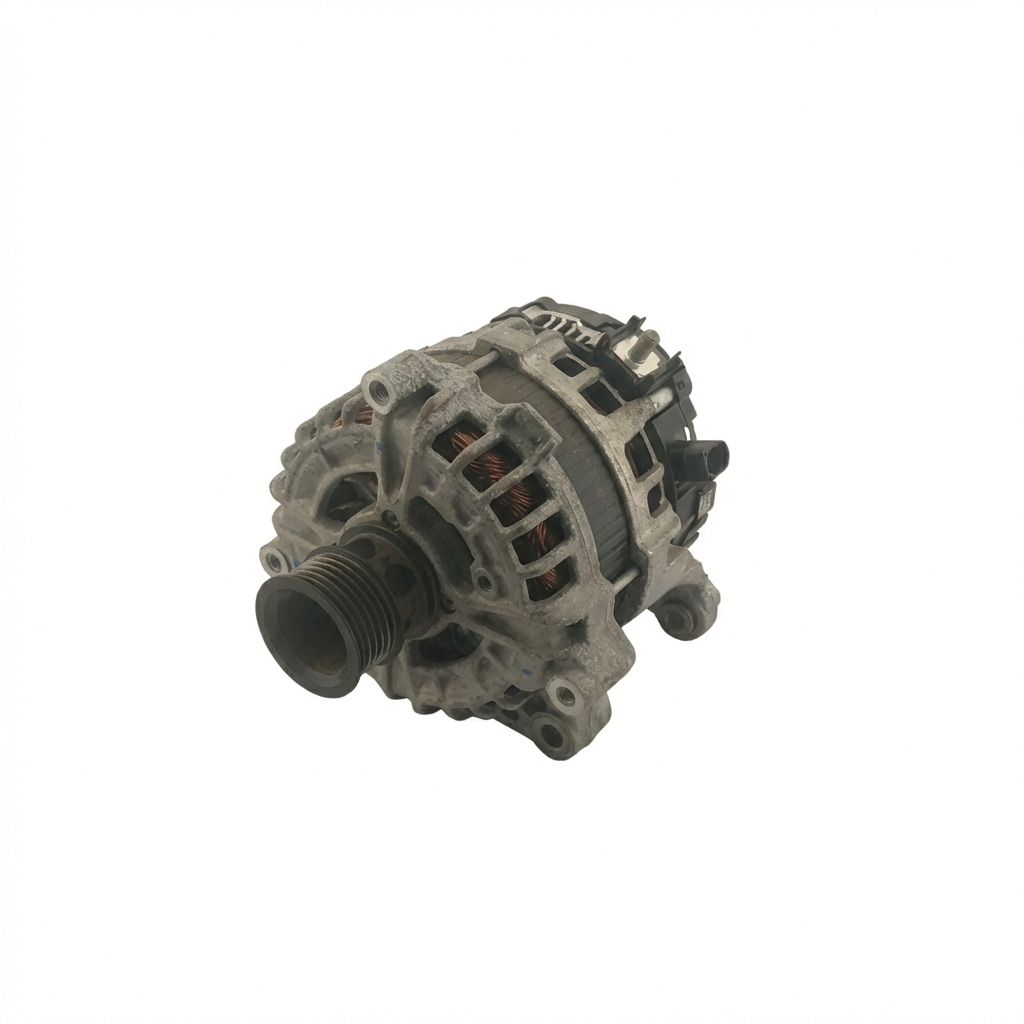
Typical fix: Replace the alternator. OEM part numbers vary by engine and transmission, for example, GR3Z-10346-M is for some 2017 GT models.
Est. part cost: $250-$600 - Loose or Corroded Battery Terminals/Grounds 🟡 Medium Probability Corrosion is a common issue on any vehicle, creating resistance that can cause voltage drops under load. Key ground points, like the engine-to-chassis strap, can also loosen or corrode over time.
How to confirm: Visually inspect the battery terminals for white or blue-green corrosion. Check that the main battery cables and the primary chassis ground straps (e.g., G102, G104 near the battery) are clean, tight, and free of damage.
Typical fix: Clean the battery terminals and cable ends with a wire brush. Ensure all connections are tight.
Est. part cost: $5-$15 - Faulty Battery Management System (BMS) Sensor ⚪ Low Probability The BMS sensor, located on the negative battery terminal, can fail and send incorrect state-of-charge data to the BCM, leading to improper charging and U3003 codes.
How to confirm: Requires a diagnostic scan tool (like FORScan) to view live data from the BdyCM (Body Control Module) and check for codes related to the battery current sensor, such as B1438. An example part number for this sensor is GR3Z-10C679-A.
Typical fix: Replace the BMS sensor, which is often integrated with the negative battery cable assembly.
Est. part cost: $50-$100
Rare But Worth Checking
- Faulty Control Module: In some cases, a specific module itself can be the source of the problem. One owner on a forum reported that a faulty Front Controls Interface Module (FCIM) was the ultimate cause of their U3003 codes after an alternator replacement did not fix the issue. This should only be considered after ruling out the battery and charging system.
- Parasitic Battery Drain: A module or component that does not 'go to sleep' properly can drain the battery overnight, causing a U3003:16 code on the next startup. Diagnosing this requires a multimeter and systematically pulling fuses to isolate the faulty circuit.
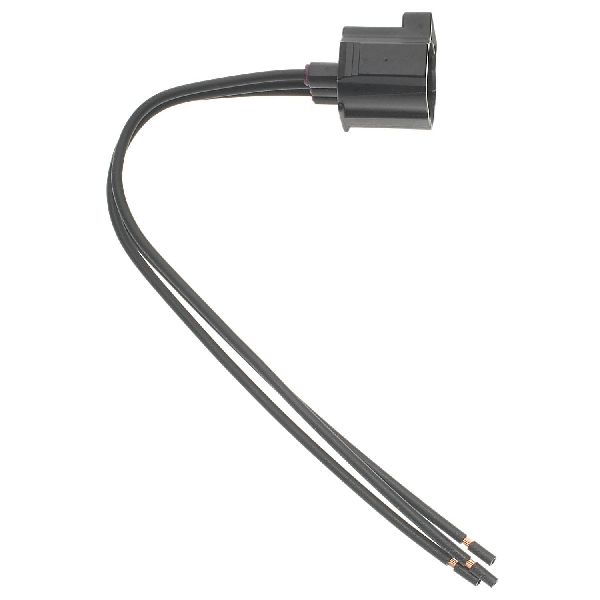
- Damaged Alternator Pigtail Connector: The electrical connector on the alternator can become damaged or the wires can become taut and fail intermittently, causing charging system faults and U3003 codes. This can be difficult to diagnose as the connection may seem fine visually but fails under vibration.
- Water Intrusion in Junction Box: Although documented on larger Ford trucks, TSB #TSB 23-2133 notes that U3003 in the ABS module can result from water or moisture intrusion into the battery junction box (BJB) located under the hood.
Diagnosis Steps

- Connect a diagnostic scanner and record all stored DTCs and any associated freeze frame data. Note which modules have stored the U3003 code.
- Visually inspect the battery terminals and main ground connections for looseness or corrosion. Clean and tighten as necessary.
- With the engine off, use a multimeter to measure the battery's resting voltage. A healthy battery should read approximately 12.4V-12.8V. A reading below 12.2V indicates a discharged or failing battery.
- Have the battery professionally load tested to confirm its health. Voltage should not drop below 9.6V during the test. This is the most definitive test for a battery's condition.
- Start the engine and measure the charging system voltage at the battery terminals. The reading should be between 13.5V and 14.8V, though it may fluctuate based on the BMS commands. A reading consistently above 15V indicates an overcharging condition, likely due to a faulty alternator.
- If a new battery was recently installed, confirm that a Battery Management System (BMS) reset was performed. If not, perform the reset. A manual procedure exists: Ignition on (engine off), flash high beams 5 times, then press the brake pedal 3 times, all within 10 seconds. 🎬 Watch: How to perform a DIY Battery Management System reset The battery light in the cluster should flash 3 times to confirm. Using a tool like FORScan is more reliable.
- If the battery and charging system test good, perform a parasitic draw test to check for modules that are not shutting down correctly. A draw over 50mA after the vehicle has entered sleep mode (approx. 45 minutes) indicates a problem.
- If all else fails, investigate the specific modules that are storing the code for potential internal faults or dedicated wiring issues.
Parts You'll Likely Need
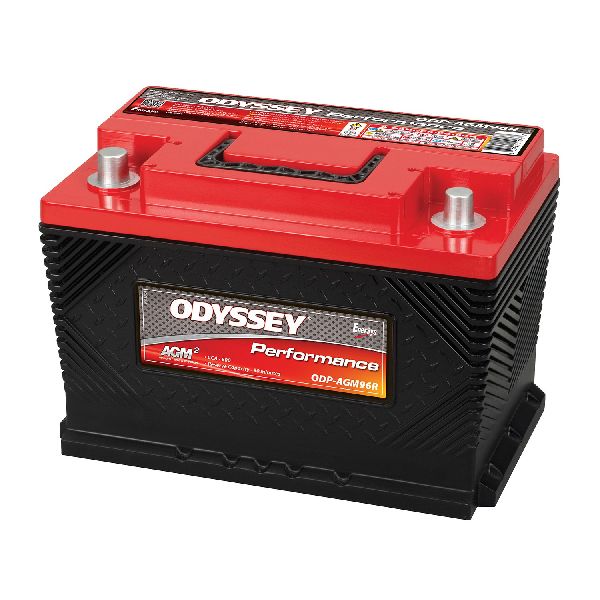
- 12V AGM Battery
(OEM #Motorcraft BAGM-48H6-760 (Group Size 48, H6))— This is the most common cause of low-voltage U3003 codes on the Mustang.
Trusted brands: Motorcraft, Interstate, DieHard, Odyssey
OEM price range: $200-$300
Aftermarket price range: $150-$250 - Alternator
(OEM #GR3Z-10346-M (Varies by engine/year))— A failing alternator or voltage regulator can cause both low and high voltage conditions, triggering U3003.
Trusted brands: Motorcraft, Bosch, Denso
OEM price range: $400-$600
Aftermarket price range: $250-$450 - BMS Sensor
(OEM #GR3Z-10C679-A)— If the BMS sensor fails, it can report incorrect battery status to the vehicle, causing charging issues and triggering U3003.
Trusted brands: Motorcraft
OEM price range: $50-$100
Aftermarket price range: $40-$80
Related Codes That Often Appear With This One
- U3003:16 — This is a more specific version of the code, explicitly meaning 'Circuit Voltage Below Threshold,' often caused by a weak battery, parasitic drain, or a failing alternator.
- U3003:17 — This version means 'Circuit Voltage Above Threshold,' often caused by a failing alternator regulator, an improper BMS reset after a battery replacement, or even during a jump-start event.
- B1438 — This code for the 'Battery Current Sensor' can appear alongside U3003 if the Battery Management System (BMS) sensor itself is faulty.
- U0140 — This code indicates 'Lost Communication With Body Control Module' and can be triggered by the low voltage condition that also sets U3003, as the BCM is a central hub for many systems.
Technical Service Bulletins (TSBs) & Recalls
- SSM 52001: While for the F-150, this TSB reinforces the link between a low battery state of charge and a U3003:16 code being stored in the ABS module, a pattern also seen in Mustangs.
- SSM 50151: Again for F-150, but highly relevant, this TSB explicitly warns technicians to diagnose the 12V system fully before replacing any control modules for a U3003 code.
- SSM 52594: This bulletin notes that a "Check Brake System" message or "12V Battery State Of Charge Low" message in the instrument cluster may be accompanied by DTC U3003:16 stored in the ABS module due to the battery's state of charge.
- TSB 23-2133: Notes that an illuminated ABS indicator with DTC U3003 may be the result of water or moisture intrusion into the battery junction box (BJB).
Platform-Specific Known Issues
- Manual BMS Reset Procedure: Many owners successfully use a no-tools BMS reset procedure adapted from other Ford vehicles: With the ignition on (engine off), flash the high beams 5 times, then press the brake pedal 3 times, all within 10 seconds. The battery light in the cluster should flash 3 times to confirm the reset was successful.
- Factory BMS Charge Strategy: The S550's Battery Management System is designed to maximize fuel economy by not always charging the battery to 100%. It often maintains a state of charge around 80%. This can lead to the vehicle entering 'Deep Sleep Mode' sooner than expected and may reduce the overall lifespan of the battery if the car isn't driven regularly or placed on a battery tender.
Mechanic-Grade Diagnostic Values
- Module Low Voltage Threshold (U3003:16) — expected: Sets when module voltage drops below 9V - 10V.. Failure: A reading below this threshold for a specified time (e.g., 250ms - 10s) will set the code.
- Module High Voltage Threshold (U3003:17) — expected: Sets when module voltage is greater than 15.8V - 17V.. Failure: A reading above this threshold for a specified time (e.g., 250ms) will set the code.
- Cranking Voltage at Battery — expected: Should not drop below 9.6V.. Failure: A drop below 9.6V during engine cranking indicates a weak battery unable to hold a load.
- Charging Voltage at Battery (Engine Running) — expected: 13.5V - 14.8V (will fluctuate based on BMS commands).. Failure: Consistently below 13.2V (undercharging) or above 15.0V (overcharging).
- FORScan Live Data PID: VPWR — expected: Should reflect the charging voltage (12.x V engine off, 13.5-14.8V engine running).. Failure: Readings that are consistently low or high across multiple modules point to a systemic voltage issue.
- FORScan Live Data PID: ALT_V — expected: Target alternator voltage commanded by the PCM/BCM.. Failure: Comparing this to the actual VPWR can show if the alternator is failing to meet the commanded voltage.
Scan Tool Commands That Help
- FORScan / Ford IDS: BCM Self-Test — Run this to command the Body Control Module to check its own circuits and retrieve any specific DTCs it has stored, like U3003:16. It's a primary step before checking other modules.
- FORScan / Ford IDS: PCM Self-Test — Use this to check for any charging system-specific DTCs stored in the Powertrain Control Module that might not be visible with a generic scanner.
- FORScan / Ford IDS: BMS Reset — This is a critical function that must be performed after replacing the 12V battery. It resets the battery's learned parameters and ensures the new battery is charged correctly.
- FORScan: Read All PIDs from BdyCM — Use this to monitor live data such as 'VPWR' (Module Voltage), 'ALT_V' (Alternator Commanded Voltage), and 'BATCUR' (Battery Current) to diagnose the charging system's real-time behavior.
Wiring & Ground Locations

- G102 / G104 — On the driver's side strut tower, right next to the battery.. G102 grounds front lighting, while G104 provides the ground for the Data Link Connector (OBD-II port). A poor connection here can cause communication and electrical issues. Some owners with aftermarket catch cans may disturb these grounds.
- G105 — On the lower part of the engine block, near the starter motor.. This is a major ground point for the engine and starter. Corrosion or looseness here can cause high resistance, leading to slow cranking and low voltage conditions during startup.
- Engine Ground Strap — A braided strap running from the back of the driver's side cylinder head to the firewall.. This is a critical path to ground for the engine block. If it's loose, corroded, or broken, it can cause a host of electrical gremlins, including charging system problems.
- BCM Connector C2280B — One of the main multi-pin connectors on the Body Control Module, typically located in the passenger footwell area.. This connector carries numerous signals and power feeds. Pinpoint tests for BCM-related U3003 codes often require checking for voltage and resistance at specific pins within this connector.
Real Owner Repair Stories
- Reddit user on r/MechanicAdvice (2016 Mustang GT Premium) — Climate controls not functioning, multiple U3003:16 (low voltage) and U3003:17 (high voltage) codes across APIM, FCIM, DSP, ABS, and PSCM modules. Also had a B1438 code for the battery current sensor. Measured voltage was high at 15.2V while running.
❌ Tried (didn't work) Replacing the alternator
✅ What actually fixed it The Ford dealership diagnosed and replaced the Front Controls Interface Module (FCIM). This resolved the multiple voltage codes and restored climate control function. - Mustang6G.com forum user (S550 Mustang (year not specified)) — Recurring charging system warnings and alternator failures over a two-year period.
❌ Tried (didn't work) Replacing the BCM, Replacing the battery, Replacing the alternator (multiple times)
✅ What actually fixed it The owner discovered the pigtail connector to the voltage regulator on the alternator was bad. Replacing the $12 connector fixed the issue that multiple dealership visits and part replacements could not solve. - NHTSA ODI #11533082 — An owner reported that diagnostics verified a lack of power steering and showed DTCs C1B00, U0415, and U3003.
- NHTSA ODI #11567087 — A report describes a steering lock-up event where the vehicle stored several codes including U3000-96, C1B00-2F, and U3003-68.
- NHTSA ODI #10937177 — An owner documented a wide array of electrical faults including U3003:13 in the PSCM and U3003:16 in both the BECM and BCM.
Model Year Variations Within This Range
- 2015-2017: These pre-facelift models feature the Gen 2 Coyote V8 (435 hp), a 6-speed automatic transmission (6R80), and typically the SYNC 2 or early SYNC 3 infotainment system. The core electrical architecture and BMS function are similar to later models, but part numbers for components like alternators may differ.
Diagnostic Flowchart
Other Known Issues on This Vehicle
Issues unrelated to this code that are worth knowing about as an owner of this generation:
- 10R80 Automatic Transmission Harsh Shifting/Failures 🔴 High — Common on 2018+ models with the 10-speed auto. Issues can range from software-related harsh shifts to internal failures of the CDF drum or valve body. (Ref: Multiple TSBs exist for software updates and specific component failures like the CDF drum.)
- 5.0L V8 'BBQ Tick' or 'Typewriter Tick' 🟡 Low — A light, intermittent ticking noise at idle, especially when warm. Very common across all Gen 2 and Gen 3 Coyote engines (2015+). (Ref: Ford has issued statements and TSBs indicating the noise is a normal characteristic of the engine and that no repairs should be attempted.)
- A/C Evaporator Failure 🟠 Medium — A known issue where the A/C evaporator core develops leaks, leading to poor cooling performance. Occurs on 2015-2017 models most frequently. (Ref: TSB 19-2337 (superseding earlier versions like SSM 47149) outlines the diagnostic and replacement procedure.)
- Paint/Corrosion on Aluminum Hood and Trunk 🟡 Low — Bubbling or corrosion can appear on the leading edge of the hood or around the trunk seams due to contamination during manufacturing. Affects many model years. (Ref: Ford has a corrosion warranty and has issued TSBs for repair procedures, but coverage may vary.)
Used vs. New Parts: Buying Guide for This Vehicle
When a used part is the smart pick: For expensive electronic modules like a Body Control Module (BCM) or Front Controls Interface Module (FCIM), a used part from a reputable salvage yard can offer significant savings. An alternator can also be a good candidate for a used purchase, provided it comes from a low-mileage donor vehicle.
Donor-vehicle mileage cap: roughly under 50000 miles for the part to have meaningful remaining life.
What to inspect on the donor part:
- Check for the vehicle's history to ensure it wasn't in a flood or fire.
- For alternators, inspect the pulley for smooth rotation and the housing for any cracks or signs of oil contamination.
- For electronic modules, ensure all connector pins are straight and free of corrosion.
- Whenever possible, get a part from a vehicle of the same model year to avoid compatibility issues.
OEM-only on this vehicle (don't cheap out):
- BMS Sensor: This part is critical for proper battery charging and is integrated with the negative battery cable. Given its relatively low cost and high importance, using a new OEM Motorcraft sensor is strongly recommended to avoid repeat issues.
Aftermarket brands forum-validated for this vehicle:
- Battery: Odyssey, Northstar, X2Power (often cited on forums for higher capacity/longevity than stock).
- Alternator: Denso (often an OEM supplier), Bosch.
Brands owners have reported issues with on this vehicle:
- Avoid no-name, unbranded, or suspiciously cheap electronic parts and sensors from online marketplaces. For alternators, some rebuilt units from chain auto parts stores can have high failure rates; sticking to new units from reputable brands or OEM is often safer.
Real Owner Stories
Aggregated from forums and TSBs cited above. Mileages and costs reflect what owners reported in those sources.
2015-2023 Ford Mustang
Symptoms: The owner received a U3003 code after the car had been sitting for a few weeks, but otherwise the car seemed fine.
What fixed it: The owner was advised to get the battery load tested, as modern Mustangs are very sensitive to even slight voltage drops and the factory battery is a known weak point.
Source hint: Mustang6G.com - 'U3003 - Battery Voltage DTC -- tho the car's fine'
2015-2023 Ford Mustang
Symptoms: The owner had a long list of diagnostic codes, including multiple instances of U3003:16 in the PSCM, IPC, and RCM modules, accompanied by ABS and AdvanceTrac warning messages on the dash.
What fixed it: The diagnosis concluded that a single low voltage event was the root cause, triggering system-wide communication faults. The fix involved addressing the underlying low voltage problem, such as replacing a weak battery.
Source hint: Mustang6G.com - 'Help with codes'
2015-2023 Ford Mustang
Symptoms: Owner was addressing battery management issues, likely after a battery replacement or experiencing low voltage problems that would trigger a U3003 code.
What fixed it: The owner performed the manual BMS reset procedure (flashing high beams 5 times, pressing the brake pedal 3 times). It was later confirmed with a FORScan tool that this procedure successfully reset the battery's 'days in service' counter.
Source hint: Mustang6G.com - 'BMS reset - no tools required'
Related OBD-II Codes
Frequently Asked Questions
My battery is brand new, so why am I still getting a U3003 code on my Mustang?
I see TSBs for the F-150 mentioned (SSM 52001, SSM 50151). Are these relevant to my 2015-2023 Mustang?
Why does my Mustang's battery seem to die so quickly if I don't drive it for a while?
Along with the U3003 code, my dash is showing 'Service AdvanceTrac' 🎬 Watch: Common causes and fixes for the Service AdvanceTrac message and the ABS light is on. Are these problems connected?
What kind of replacement battery is recommended for the S550 Mustang?
How can I test my alternator at home to see if it's causing the U3003 code?
Helpful Videos
![Avoid Expensive Shop Repairs: DIY Reset the Ford Vehicle Battery Monitoring System [BMS]](https://img.youtube.com/vi/QTtb7rKaZTE/mqdefault.jpg)
Used OEM Parts in Stock



New Aftermarket Parts Available


The information in this article is provided for general reference and educational purposes only. Vehicle specifications, procedures, and part compatibility can vary by production date, trim level, and region. Always consult your vehicle's factory service manual and verify part numbers before purchasing or performing repairs. Safety-critical components such as airbags, seat belts, and braking systems should be installed by a qualified professional.
- Ford Mustang:
- 🎬 Helpful Videos
- 🛍️ Shop This Part
- What's Unique About the 2015-2023 Ford Mustang
- Symptoms You May Notice
- Most Likely Causes
- Rare But Worth Checking
- Diagnosis Steps
- Parts You'll Likely Need
- Related Codes That Often Appear With This One
- Technical Service Bulletins (TSBs) & Recalls
- Platform-Specific Known Issues
- Mechanic-Grade Diagnostic Values
- Scan Tool Commands That Help
- Wiring & Ground Locations
- Real Owner Repair Stories
- Model Year Variations Within This Range
- Diagnostic Flowchart
- Other Known Issues on This Vehicle
- Used vs. New Parts: Buying Guide for This Vehicle
- Real Owner Stories
- 2015-2023 Ford Mustang
- 2015-2023 Ford Mustang
- 2015-2023 Ford Mustang
- Related OBD-II Codes
- Frequently Asked Questions
- 🎟️ Get 5% Off