

U3003 on 2017-2021 Ford F-350 SD: Battery Voltage Issues, Causes, and Fixes
On a 2017-2021 Ford F-350, code U3003 typically points to a voltage problem. The most common cause is water leaking into the under-hood Battery Junction Box (BJB), causing corrosion and severe electrical issues. This is a known design flaw where water from the cowl area drips onto the BJB. A weak or failing battery is another frequent culprit.
- U3003 on a 2017-2021 F-350 is a serious voltage code that should not be ignored.
- The number one suspect is a water-damaged Battery Junction Box (BJB) under the hood. Check it immediately for signs of corrosion.
- The second most likely cause is a weak or dying battery. A proper load test is required for diagnosis.
- Simply clearing the code will not fix the problem. The underlying power supply issue must be corrected.
- When replacing the BJB, also replace the cover to ensure a proper seal against future water damage.
What's Unique About the 2017-2021 Ford F-350 SD

The 2017-2022 Super Duty platform (P558) is uniquely susceptible to a design flaw where water can enter the under-hood Battery Junction Box (BJB), also known as the main fuse box. The BJB cover is often not fully seated from the factory or after service, and its location allows water from the cowl and hood seals to drip directly onto it. This leads to corrosion that causes a host of electrical gremlins, including the U3003 code. Ford has issued multiple Technical Service Bulletins (TSBs) about this specific problem, which can cause everything from a no-start condition to the horn staying on or the engine refusing to shut off.
Diagnostic Flowchart

Tap your situation to follow the diagnostic path that matches what you're seeing on this vehicle.
Symptoms You May Notice

- Illuminated ABS warning light.
- No-crank / no-start condition.
- Engine will not turn off after the key is removed.
- Horn stays on continuously.
- Dead battery.
- Power running boards stop working or are disabled in the instrument cluster menu.
- Various other random electrical issues (e.g., seats moving on their own, flickering lights).
- DEF Fault warnings on diesel models.
- Blind Spot Fault, Cross Track System Fault, and Pre-Collision Assist not Available messages on the dash. 🎬 See how these electrical gremlins look in a real-world diagnosis.
- Replacing the ABS module or Running Board Motor without first checking the power supply. The U3003 code is almost always a symptom of a power problem, not a failure of the component itself.
- Replacing a battery without performing a BMS reset. The truck may continue to undercharge the new battery, leading to a repeat of the low-voltage codes.
Most Likely Causes

- Water Intrusion and Corrosion in Battery Junction Box (BJB) 🔴 High Probability The BJB cover design on these trucks is susceptible to not sealing properly, often due to broken locking tabs or being improperly seated after service. Water from the windshield cowl area drips directly onto the fuse box, causing internal corrosion. This is a widely documented issue covered by Ford TSBs 23-2133 and 20-2298.
How to confirm: Visually inspect the BJB under the hood on the passenger side firewall. Remove the cover and look for any signs of moisture, water spots, or white/green corrosion on the fuses, relays, or the box itself. Check that the cover's locking tabs are intact and that it was seated correctly.
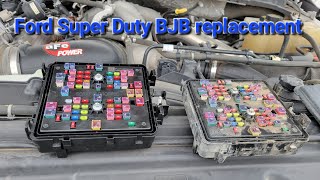
Typical fix: The BJB must be replaced if corrosion is found. The wiring harness connectors may also need to be repaired or replaced. A new, properly sealed cover is critical to prevent recurrence. The repair requires removing the battery and battery tray to access the BJB. 🎬 Watch: Step-by-step guide to replacing the Battery Junction Box.
Est. part cost: $250-$400 - Weak or Failing Battery 🟡 Medium Probability Modern trucks have a high electrical demand, and factory-installed AGM batteries are known to fail prematurely, especially with short trips or due to parasitic draws. A low voltage event during engine cranking can trigger this code in various modules.
How to confirm: Perform a battery load test. A simple voltage check is not enough. Most auto parts stores can do this for free. Voltage should not drop below 9.6V during cranking. A healthy battery should read 12.4-12.8V with the engine off.
Typical fix: Replace the battery (or batteries, if equipped with duals). It is also critical to reset the Battery Monitoring System (BMS) using a scan tool like FORScan so the truck charges the new battery correctly. Failure to reset the BMS can lead to premature failure of the new battery. 🎬 Watch: How to perform a BMS reset after battery replacement.
Est. part cost: $150-$350 per battery - Loose or Corroded Battery Terminals ⚪ Low Probability
How to confirm: Inspect the battery terminals for tightness and any signs of corrosion. A loose connection can cause intermittent voltage drops under load.
Typical fix: Clean the terminals and posts with a wire brush and terminal cleaner spray, then ensure the clamps are securely tightened.
Est. part cost: $0-$10
Rare But Worth Checking
- Failing Alternator: While less common than battery issues, a failing alternator can cause unstable voltage (either too low or too high), which will trigger a U3003 code. Check charging system voltage with the engine running; it should be stable between 13.8-14.5V.
- Faulty Control Module: In rare cases, the module setting the code (e.g., ABS, RBM, or PSCM) may have an internal fault in its voltage regulation circuit. This is typically diagnosed after all other power supply issues have been ruled out.
- Clogged Cowl Drains: Debris like leaves and pine needles can clog the drains in the cowl area below the windshield. This causes water to back up and overflow, potentially exacerbating water intrusion into the engine bay and onto the BJB.
Diagnosis Steps
- Scan all vehicle modules with a Ford-capable scanner to identify which module(s) are storing the U3003 code. Note any suffixes like ':16' or ':17'.
- If the code is in the ABS module, immediately inspect the Battery Junction Box (BJB) for water intrusion and corrosion, per TSB 23-2133. Check for broken cover tabs or improper seating.
- If the code is in the Running Board Module (RBM), inspect the charging system and battery health, per SSM 50154. A low voltage event is the most likely cause.
- Perform a comprehensive battery and charging system test. Check the battery's state of charge and perform a load test, ensuring voltage doesn't drop below 9.6V during cranking.
- With the engine running, measure the alternator output voltage at the battery terminals. It should be stable and within the 13.8V-14.5V range.
- Perform a voltage drop test on the battery cables and ground connections to identify high resistance that wouldn't be found with a simple visual inspection.
- Thoroughly inspect battery terminals and primary ground connections for cleanliness and tightness.
- Inspect the cowl area for debris clogging the drains, which can cause water to overflow onto the BJB.
- If the BJB is corroded, it must be replaced along with its cover. This requires removing the battery and battery tray.
- If the battery is weak, replace it and perform a BMS reset with a capable scan tool like FORScan.
- After repairs, clear all DTCs and perform a re-test to ensure the fault does not return.
Parts You'll Likely Need
- Battery Junction Box (BJB)
(OEM #LC3Z-14A068-A)— This is the most common failure point leading to U3003 on this truck due to water intrusion. The entire unit often requires replacement due to internal corrosion. Part number must be verified by VIN.
Trusted brands: Motorcraft
OEM price range: $285-$450 - Battery Junction Box Cover
(OEM #LC3Z-14A003-D)— The original cover's poor seal or broken tabs are the cause of the BJB failure. It must be replaced with the BJB to prevent a repeat failure, as mandated by Ford's TSB.
Trusted brands: Motorcraft
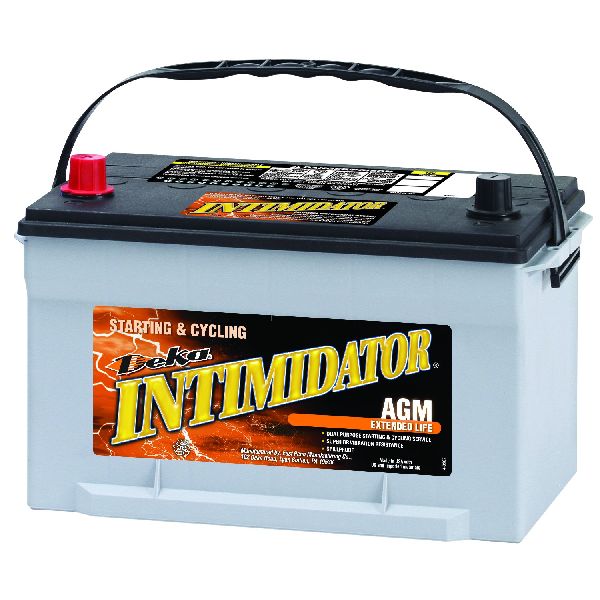
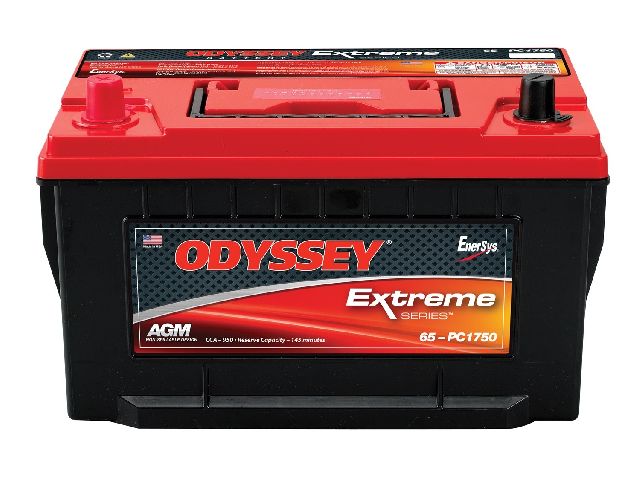
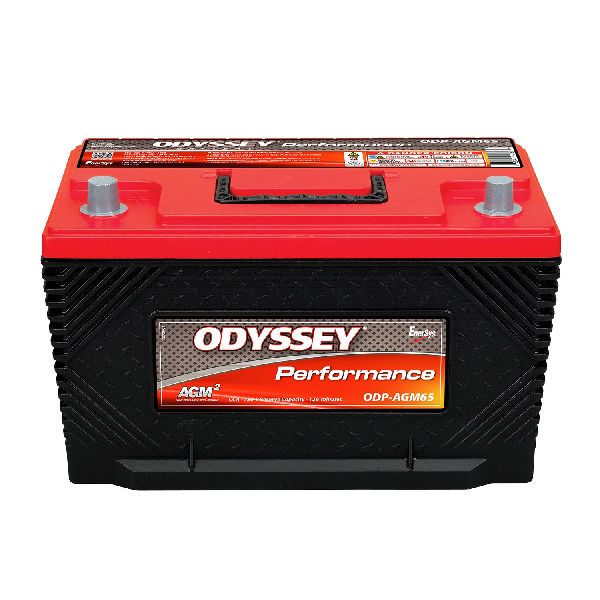
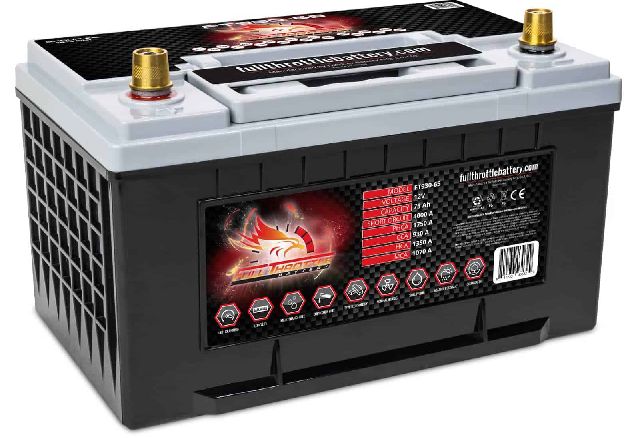
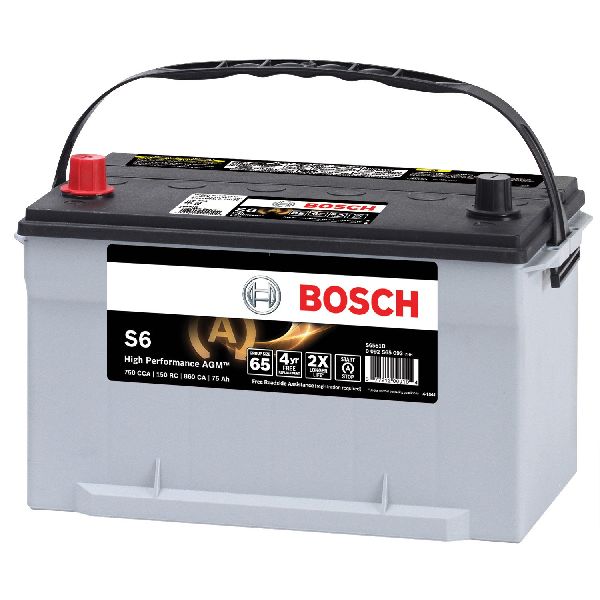
OEM price range: $30-$50 - AGM Battery — A weak or failing battery is the second most likely cause of this voltage-related code. These trucks require a high-quality AGM battery.
Trusted brands: Motorcraft, Northstar, Deka, Odyssey
OEM price range: $200-$300
Aftermarket price range: $150-$250
Related Codes That Often Appear With This One
- C0020 — This ABS pump motor control code is frequently stored alongside U3003 in the ABS module when water intrusion in the BJB is the root cause, as noted in TSB 23-2133.
- U3003:16 — This is a specific variant of the code indicating 'Circuit Voltage Below Threshold'. It explicitly points to a low voltage condition affecting the module, often seen in the Running Board Module (RBM) due to a weak battery or in the Steering Effort Control Module (SECM).
- U3003:17 — This variant means 'Circuit Voltage Above Threshold' and can be set if a module detects voltage over 16-17 volts. This can happen during jump-starting events or due to a failing alternator.
Technical Service Bulletins (TSBs) & Recalls
- TSB 23-2133: Supersedes previous TSBs (22-2443, 22-2004, 20-2298), addresses various electrical symptoms including U3003 in the ABS module caused by water in the BJB for 2020-2022 models.
- TSB 22-2004: An earlier version of the bulletin for the same BJB water intrusion issue. [NHTSA Citation]
- SSM 50154: Addresses U3003:16 in the power running board module due to low battery voltage on 2017-2020 models.
- TSB 20-2298: An early TSB for 2020 models specifically mentioning the BJB cover not being fully seated as the cause for water intrusion.
Platform-Specific Known Issues
- TSB 23-2133 and its predecessors directly link U3003 in the ABS module to water intrusion in the Battery Junction Box, causing symptoms like a no-start, horn staying on, or an engine that won't shut off.
- SSM 50154 notes that U3003:16 in the Running Board Control Module (RBM) is caused by a low battery voltage event, which disables the power running boards. The fix is to correct the voltage issue and re-enable the boards in the dash menu.
- A Ford Truck Enthusiasts forum member shared a detailed story of how an improperly routed dash cam wire prevented the BJB cover from sealing, leading to water intrusion and subsequent electrical failures.
Mechanic-Grade Diagnostic Values
- Battery Voltage (engine off, no load) — expected: 12.4V - 12.8V. Failure: Below 12.4V indicates a discharged or failing battery.
- Battery Voltage (during engine cranking) — expected: Should not drop below 9.6V. Failure: A drop below 9.6V indicates a weak battery unable to handle the starter load.
- Charging System Voltage (engine running at ~2,000 RPM) — expected: 13.8V - 14.5V. Failure: Voltage below 13.8V or above 14.5V indicates a fault in the alternator or charging system.
- Starter Positive Cable Voltage Drop — expected: Less than 0.4V. Failure: Voltage drop higher than 0.4V indicates high resistance in the cable or connections.
- Starter Ground Circuit Voltage Drop — expected: Less than 0.4V. Failure: Voltage drop higher than 0.4V indicates a poor ground connection at the starter or engine block.
- U3003:17 Over-Voltage Threshold — expected: Sets when module voltage is >16V for 5+ seconds. Failure: Indicates a charging system over-voltage condition or a fault from a jump-start.
Scan Tool Commands That Help
- FORScan: Battery Monitoring System (BMS) Reset — This must be performed after replacing the vehicle's battery to inform the charging system of the new battery's characteristics, preventing over or undercharging.
- FORScan: RBM Module Configuration — After fixing a low voltage issue that triggered U3003:16 and disabled the power running boards, FORScan can be used to re-enable the 'auto' function if the in-dash menu does not work.
- Ford IDS / FORScan: Self-Test (All Modules) — To retrieve all continuous memory DTCs from every module on the vehicle. This is critical to see which specific module is logging the U3003 code and if other codes are present.
Wiring & Ground Locations
- ABS Module Connector C135 — On the ABS hydraulic control unit, typically on the driver's side frame rail.. This is the main electrical connector for the ABS module. Pins 25 and 38 are the primary power and ground feeds. Voltage drop tests should be performed here to confirm the module is receiving proper voltage.
- Pin 25 (C135) — On the ABS module connector.. This is the main battery power feed to the ABS module, supplied by a fuse in the BJB. A voltage test at this pin compared to battery positive will reveal any voltage drop from the BJB.
- Pin 13 & Pin 38 (C135) — On the ABS module connector.. These are the main ground connections for the ABS module. A voltage drop test from these pins to the battery negative terminal will identify a bad ground connection, which is a common cause of electrical issues.
- G105 / G129 — Referenced as grounding points for customer-added accessories, likely in the passenger kick panel area.. While not primary grounds, issues with aftermarket accessories tied into these points can cause voltage fluctuations or parasitic draws that trigger U3003.
- G401 — Middle of the left frame rail.. A major chassis ground point. Corrosion or looseness here can affect multiple systems, including the ABS module which relies on a solid chassis ground.
Real Owner Repair Stories
- Ford Truck Enthusiasts Forum (2018 Ford F-150 (similar platform/issue), 10k miles) — A 'silent' U3003 code found in the Power Steering Control Module (PSCM) using FORScan, with no check engine light. The truck saw infrequent use and short trips.
❌ Tried (didn't work) Clearing the code without addressing the root cause.
✅ What actually fixed it The consensus from other owners was that the OEM AGM battery was failing prematurely. The final fix recommended by multiple users who had the same issue was to replace the factory battery with a high-quality aftermarket AGM battery and perform a BMS reset using FORScan. - Ford Truck Enthusiasts Forum (2019 F-350 Lariat Ultimate Diesel) — Intermittent no-start with 'Blind Spot Fault', 'Cross Track System Fault', and 'Pre-Collision Assist not Available' messages. No DTCs were logged that were visible to the owner's OBDII scanner.
❌ Tried (didn't work) Multiple dealership visits where the issue could not be duplicated.
✅ What actually fixed it The owner did not post a final resolution, but another user strongly suggested the root cause was a simple but overlooked issue: loose or corroded battery cables and ground connections, or a faulty new battery, even on a brand new truck. This highlights the importance of checking the absolute basics first.
OEM Part Supersession History
HC3Z-14A068-A / JC3Z-14A068-A→LC3Z-14A068-A— Part revision and update for later model years. The LC3Z part number is specified for 2020-2022 models.
Heads up: While the boxes may be physically similar, internal wiring and fuse/relay configurations can differ between part numbers. It is critical to use the exact part number specified for the vehicle's VIN and model year to avoid creating new electrical faults. TSB 20-2298 lists both LC3Z-14A068-A and LC3Z-14A068-B, indicating potential variations even within the same model year.
Model Year Variations Within This Range
- 2020-2022: The 2020 model year marked a significant refresh for the Super Duty. This included powertrain changes (10-speed transmission), aesthetic updates (new grille/headlights), and electrical system revisions. The TSBs for the BJB water intrusion issue specifically call out 2020-2022 models, and the BJB part number (LC3Z-14A068-A) is listed for 2020+ trucks, suggesting a potential design change from the 2017-2019 models, even though the water intrusion problem can still affect them.
- 2017-2019 vs 2020+: A 2022 owner noted changes in the engine bay layout compared to their 2017/2019 models, including moving the battery's location and redesigning the air intake. This could potentially alter the path of water dripping from the cowl onto engine bay components like the BJB.
Helpful Videos
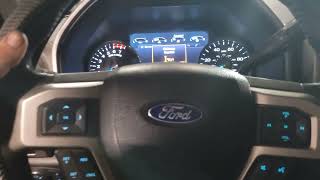
![Avoid Expensive Shop Repairs: DIY Reset the Ford Vehicle Battery Monitoring System [BMS]](https://img.youtube.com/vi/QTtb7rKaZTE/mqdefault.jpg)
We Have This Part in Stock

The information in this article is provided for general reference and educational purposes only. Vehicle specifications, procedures, and part compatibility can vary by production date, trim level, and region. Always consult your vehicle's factory service manual and verify part numbers before purchasing or performing repairs. Safety-critical components such as airbags, seat belts, and braking systems should be installed by a qualified professional.
- Ford F-350 SD:
- 🎬 Helpful Videos
- 🛍️ Shop This Part
- What's Unique About the 2017-2021 Ford F-350 SD
- Diagnostic Flowchart
- Symptoms You May Notice
- Most Likely Causes
- Rare But Worth Checking
- Diagnosis Steps
- Parts You'll Likely Need
- Related Codes That Often Appear With This One
- Technical Service Bulletins (TSBs) & Recalls
- Platform-Specific Known Issues
- Mechanic-Grade Diagnostic Values
- Scan Tool Commands That Help
- Wiring & Ground Locations
- Real Owner Repair Stories
- OEM Part Supersession History
- Model Year Variations Within This Range
- 🎟️ Get 5% Off