

U1500 on 2008-2016 Volvo XC70: Alternator and LIN Bus Communication Failure Guide
U1500 on a 2008-2016 Volvo XC70 typically signals a communication failure on the LIN bus, most often caused by a faulty alternator voltage regulator. The second most likely cause is a failing Central Electronic Module (CEM). Replacing the complete alternator assembly with a high-quality OEM or Bosch unit is the most common and recommended fix. Using cheap aftermarket alternators is a known cause of this code.
- U1500 on your XC70 means there's a data communication problem, not just a simple part failure.
- The most likely culprit is the electronic voltage regulator inside your alternator. The recommended fix is to replace the entire alternator with a high-quality OEM or Bosch unit.
- Do not use cheap, unverified aftermarket alternators, as they are known to cause these exact communication codes.
- If a new, quality alternator doesn't fix the issue, the problem may be a faulty Central Electronic Module (CEM) or a damaged wire.
- Before replacing parts, confirm your battery is healthy and check the charging voltage while the engine is running.
What's Unique About the 2008-2016 Volvo XC70
Unlike older vehicles with simple alternators, the P3 platform XC70 uses a 'smart' charging system for better fuel efficiency. The alternator's output is actively managed by the car's main computer (the CEM) over a LIN data bus. This makes the alternator's internal voltage regulator a sophisticated electronic module. A failure in this regulator is a common issue that disrupts the entire network, leading to code U1500 and charging system warnings. This LIN-based control is sensitive, and using non-OEM alternators is a frequent cause of these communication errors, even if the part is new.
Symptoms You May Notice
- Battery or charging system warning light on the dashboard
- "12V System Service Required" or "Power System Service Urgent& 🎬 Watch: Understanding the Power System Service Urgent warningquot; message in the instrument cluster
- Erratic voltage readings when checked with a multimeter (may be too high, too low, or fluctuate with engine RPM)
- Dimming or flickering headlights and interior lights
- Engine stalling or difficulty restarting due to a drained battery
- In some cases, seemingly unrelated electrical faults if the Central Electronic Module (CEM) is the root cause
- Loss of power steering assist if the system is electrically powered and voltage drops significantly
- No-crank, no-start condition in cases of severe CEM failure
- Replacing the battery. While a weak battery can cause many electrical issues, it will not typically set a U1500 communication code. The U1500 code points to a network problem, not just a low voltage condition. However, a faulty charging system (the cause of U1500) will quickly ruin a new battery.
Most Likely Causes
- Faulty Alternator / Internal Voltage Regulator 🔴 High Probability The LIN-controlled voltage regulator within the alternator is a complex electronic component that is a known failure point. Using non-OEM or low-quality aftermarket alternators is also known to cause communication issues on the LIN bus, even if the alternator appears to be charging. Coolant leaks from a bleed hose located above the alternator can also drip onto the unit and cause premature failure.
How to confirm: With the engine running, check the voltage at the battery terminals. It should be stable, typically between 13.8-14.4 volts. An advanced diagnostic method involves using an oscilloscope on the single LIN wire at the alternator connector to check for a valid data signal (a square wave toggling between ~1V and battery voltage). A flat line or incorrect voltage indicates a fault. A Volvo-specific scanner like VIDA can often show a specific code for 'Communication with Alternator Control Module (ACM) missing'.
Typical fix: Replace the entire alternator assembly with a high-quality OEM (Bosch) or Genuine Volvo part. While the voltage regulator is the point of failure, it is most often replaced as part of a complete, new or remanufactured alternator.
Est. part cost: $400-$850 - Failing Central Electronic Module (CEM) 🟡 Medium Probability The CEM is the master controller for many of the vehicle's electronics and is a documented weak point on this platform, susceptible to both software glitches and hardware failure from heat or moisture. Windshield leaks, particularly on the passenger side, can allow water to drip onto the CEM, causing corrosion and failure.
How to confirm: This is typically a diagnosis of exclusion. If the alternator and wiring have been proven good but communication codes persist, the CEM is the likely suspect. A Volvo-specific scan tool (like VIDA) is needed to check for internal CEM fault codes. Symptoms of a failing CEM can be widespread and intermittent, including no-start conditions, loss of gauges, and multiple unrelated error messages.
Typical fix: The CEM must be sent to a specialist like XeMODeX for repair and cloning, or replaced with a new unit 🎬 Watch: Step-by-step guide to diagnosing the Volvo CEM that is then programmed to the vehicle by a dealer or qualified independent shop. Simply swapping with a used unit will not work due to security immobilization.
Est. part cost: $500-$1200 for repair or replacement - Wiring or Connector Issue ⚪ Low Probability While less common than component failure, the single LIN wire can be damaged, chafed, or have corrosion at the connector. The harness near the alternator is exposed to heat and potential fluid leaks.
How to confirm: Visually inspect the wiring harness going to the alternator for any signs of damage. Unplug the connector and check for corrosion or pushed-out pins. Perform a continuity test on the LIN wire between the alternator and the CEM. A tone generator can be used to trace the wire and find the exact location of a break.
Typical fix: Repair the damaged section of wire or clean/replace the faulty connector.
Est. part cost: $5-$50
Rare But Worth Checking
- Faulty Glow Plug Control Module (Diesel Engines): On D5 diesel models, the glow plug control module also communicates on a LIN bus. A failure in this module or its associated glow plugs has been observed to set LIN bus error codes.
- Faulty Battery: While a bad battery itself won't set a U1500 code, a battery with an internal short or extremely low voltage can cause widespread electrical havoc and communication errors across various modules, making diagnosis difficult. It's a crucial first check.
Diagnosis Steps
- Check Battery Health: Ensure the battery is fully charged and healthy. A resting voltage should be ~12.6V. A weak or failing battery can cause confusing electrical symptoms and should be ruled out first with a load test.
- Scan for All Codes: Use a Volvo-compatible scanner (like VIDA/DICE) to read codes from all modules. Note if the U1500 code is accompanied by more specific codes pointing to the alternator (ACM) or CEM.
- Check Charging Voltage: Start the engine and measure the voltage across the battery terminals. A healthy system should read between 13.8V and 14.4V. Readings that are too low (under 13V), too high (over 15V), or that fluctuate wildly with RPM point to a charging system fault.
- Inspect Wiring: Visually inspect the wiring harness and connector at the back of the alternator. Look for any signs of corrosion, chafing, or loose pins on the single LIN wire. Check for signs of coolant contamination from the bleed hose above the alternator on 3.2L engines.
- (Advanced) Test the LIN Signal: Using an oscilloscope, probe the LIN bus wire at the alternator connector. With the ignition on and engine running, you should see a square wave signal toggling between approximately 1 volt and battery voltage. A flat line at 0V or 12V, or a noisy/malformed signal, indicates a communication breakdown.
- Isolate the Fault: If the LIN signal is dead at the alternator connector and the wiring from the CEM is confirmed to be good, the alternator's internal regulator has most likely failed. If multiple, unrelated LIN bus codes are present across different systems, or if symptoms are widespread and intermittent (no-start, gauge failure), a faulty CEM becomes a more likely cause.
Parts You'll Likely Need
- Alternator
(OEM #36012382)— This is the most common cause of a U1500 code on this vehicle. The failure occurs in the internal voltage regulator, which communicates over the LIN bus. The entire assembly is typically replaced. This part number corresponds to a 180 Amp Bosch unit used on many P3 models.
Trusted brands: Bosch, Genuine Volvo
OEM price range: $650-$850
Aftermarket price range: $400-$600
Related Codes That Often Appear With This One
- ECM-B108700 — This is a more specific Volvo code for a 'LIN Bus A' fault, which often points directly to the communication line for the alternator and other engine bay sensors.
- CEM-DE29 — This is another Volvo-specific code indicating 'Communication with Alternator Control Module (ACM) missing'. Seeing this alongside U1500 strongly implicates the alternator or its circuit.
- CEM-U133346 — A generic LIN bus system internal failure code that may appear after software updates or during CEM-related faults.
Technical Service Bulletins (TSBs) & Recalls
- TJ 31543 / TJ 33211: These Technical Journals discuss general software update procedures and mention that LIN bus DTCs like IHU-U130B87 may be present after an upgrade and can be ignored in that context, showing the sensitivity of the system.
- TJ 26133: While not directly for U1500, this TSB addresses non-working seat heating due to LIN communication issues between the Climate Control Module (CCM) and Seat Heating Modules (SHM), illustrating how LIN faults can manifest in various subsystems.
Platform-Specific Known Issues
- Use of non-OEM or budget aftermarket alternators is known to cause LIN bus communication errors on this platform. It is highly recommended to use a quality OEM supplier like Bosch or a Genuine Volvo part to ensure compatibility.
- The Central Electronic Module (CEM) is a known failure point and has been subject to recalls for software and hardware issues, which can manifest as various communication faults. Water ingress from a clogged sunroof drain or leaking windshield seal can drip directly onto the CEM, causing corrosion and failure.
Mechanic-Grade Diagnostic Values
- LIN Bus Voltage (Oscilloscope) — expected: A square wave toggling between approximately 1V (dominant state) and near-battery voltage (recessive state, typically ~1V less than system voltage).. Failure: A flat line near 0V (short to ground), a flat line near 12V (short to power or open circuit), or a noisy/malformed waveform.
- LIN Bus Voltage (Multimeter, Key On) — expected: A fluctuating DC voltage, often averaging around 7-9V, due to the multimeter averaging the square wave. This is not a definitive test but can indicate activity.. Failure: A steady 0V or 12V reading suggests a hard fault.
- Alternator LIN wire reference voltage (Master disconnected) — expected: With the CEM disconnected, the alternator (slave device) should output a steady reference voltage of approximately 12V on the LIN wire.. Failure: No voltage from the alternator's LIN pin indicates a faulty internal regulator. Note: Some modules may only output this voltage for a few seconds before shutting down if no master is detected.
Scan Tool Commands That Help
- VIDA (Volvo Information & Diagnostic for Aftersales): Read out CEM and ECM codes, view live data for Alternator Control Module (ACM) status. — This is the primary tool for accurately diagnosing Volvo-specific codes like CEM-DE29 (Communication with ACM missing) that often accompany U1500. It can confirm if the CEM is attempting to communicate with the alternator and whether it is receiving a response.
- VIDA (Volvo Information & Diagnostic for Aftersales): CEM Reload / Reprogramming — This function is required after replacing the CEM with a new unit. It downloads vehicle-specific software from Volvo's servers to the new module, pairing it to the car's immobilizer and other systems. It is not used for diagnosing the U1500 fault itself.
Wiring & Ground Locations
- Alternator LIN Wire — This is a single wire in the two-pin connector at the back of the alternator. On many P3 models, this wire is Purple.. This wire carries the entire communication signal between the CEM (master) and the alternator (slave). All voltage and oscilloscope tests for this fault are performed on this wire.
- CEM Location — Located behind the glove box. Access requires removing the glove box assembly.. The CEM is the master controller for the LIN bus. It is susceptible to water damage from leaking windshield seals or clogged sunroof drains. Physical inspection for corrosion is a key diagnostic step if a CEM failure is suspected.
- Engine Bay Ground Points — Multiple ground points are located on the strut towers in the engine bay. The main engine-to-chassis ground strap is also critical.. A poor ground connection for the engine block or the CEM can introduce electrical noise and voltage drops, potentially disrupting sensitive LIN bus communications and causing intermittent faults.
- Alternator Connector — A 2-pin connector on the back of the alternator.. This is the primary connection point for the LIN bus signal to the alternator. It should be checked for corrosion, pushed-out pins, or damage to the wiring harness.
Real Owner Repair Stories
- Volvo Owners Club Forum user (2012 V70 P3 D5 2.4L) — Strange electrical issues, car entering limp mode under load, EGR light, airbag light on after other work, reverse gear inhibiter solenoid stopped working.
❌ Tried (didn't work) Checked EGR valve (was clean), Checked wiring to EGR valve (had good power and ground), Inspected CEM connectors for corrosion (none found), Replacing the 12V battery (fixed the issue for one week before other problems started)
✅ What actually fixed it The user suspected a failing CEM was the root cause of the multiple, seemingly unrelated electrical faults that occurred after the initial charging system symptoms were temporarily resolved by a new battery.
OEM Part Supersession History
36000209→36012382— Part update/revision by Volvo.
Heads up: Part number 36012382 is the widely recognized 180 Amp Bosch replacement for many P3 platform vehicles within this year range.
Model Year Variations Within This Range
- 2015-2016: Around 2015, Volvo began phasing in the 4-cylinder 'Drive-E' engines alongside the existing 5-cylinder and 6-cylinder engines. A 2015 or 2016 model could have either engine type under the same 'T5' or 'T6' badge. While the U1500 fault related to the LIN-controlled alternator is common to both, part numbers for other components may differ. Additionally, cars from mid-2015 onwards received an updated electronics package with Sensus Connect.
Diagnostic Flowchart
Other Known Issues on This Vehicle
Issues unrelated to this code that are worth knowing about as an owner of this generation:
- Automatic Transmission Hard Shifting / Valve Body Failure 🔴 High — Common on higher-mileage vehicles (60k-120k miles), especially if fluid is not changed regularly. Affects Aisin transmissions.
- AOC Pump / Haldex AWD System Failure 🟠 Medium — The Active On-Demand Coupling (AOC) pump can fail, often due to a clogged filter, leading to loss of AWD. Typically occurs after 80,000 km (50k miles).
- Excessive Oil Consumption (3.2L and early T6 engines) 🟠 Medium — Some engines, particularly from 2012-2015, used low-tension piston rings that can lead to high oil consumption (e.g., 1 quart per 1000 miles).
- Worn Front Control Arm Bushings 🟡 Low — The front lower control arm bushings can wear out prematurely, causing knocking or squealing noises over bumps and affecting alignment.
- Power Steering Pump/Module Failure 🟠 Medium — The electro-hydraulic power steering pump can fail, leading to a loss of steering assist. This can sometimes be caused by electrical issues or the pump itself failing.
Used vs. New Parts: Buying Guide for This Vehicle
When a used part is the smart pick: A used Central Electronic Module (CEM) can be a cost-effective option IF you use a cloning/programming service (like XeMODeX) to transfer your original module's software and immobilizer data to the donor unit. Buying a used CEM without this service is not viable as the car will not start.
Donor-vehicle mileage cap: roughly under 100000 miles for the part to have meaningful remaining life.
What to inspect on the donor part:
- For a CEM: Ensure the donor vehicle was not involved in a flood or have signs of water leaks around the windshield/dashboard area.
- For an Alternator: Check the date code on the sticker. Prefer units that are newer.
- Visually inspect the alternator's pulley for smooth rotation and the connectors for any signs of corrosion or heat damage.
OEM-only on this vehicle (don't cheap out):
- Alternator: Due to the sensitive LIN bus communication, only a Genuine Volvo or OEM Bosch alternator is recommended. Many owners report immediate U1500 codes and charging faults with cheaper aftermarket brands, even when new.
Aftermarket brands forum-validated for this vehicle:
- Bosch (OEM supplier for the alternator)
- XeMODeX (For CEM repair/cloning services)
Brands owners have reported issues with on this vehicle:
- Unbranded or 'white-box' alternators from online marketplaces are frequently reported to be incompatible with the Volvo P3 charging system.
Real Owner Stories
Aggregated from forums and TSBs cited above. Mileages and costs reflect what owners reported in those sources.
2012 Volvo XC70 — 65000 miles
Symptoms: The vehicle stopped charging and displayed a warning message. Upon inspection, it was found that a coolant leak from an overhead hose had contaminated the unit.
What fixed it: Replacement of the alternator and repair of the leaking overhead coolant hose.
Source hint: volvoXC.com thread on a 2012 XC70 with 65k miles
Volvo V70 D5 (P3 Platform)
Symptoms: Dashboard displayed a 'Power System Service Urgent' message.
What fixed it: The fault was traced to a failed internal alternator regulator.
Source hint: volvoforums.org.uk user report
Volvo XC70 (P3 Platform)
Symptoms: Immediate LIN bus communication codes appeared after installing a brand new budget-brand alternator.
What fixed it: Replacing the cheap aftermarket unit with a quality OEM Bosch alternator.
Source hint: swedespeed.com forum discussions regarding P3 Volvos
Volvo XC70
Symptoms: Intermittent no-start conditions, loss of instrument cluster gauges, and multiple unrelated electrical error messages.
What fixed it: Repair or replacement of the Central Electronic Module (CEM) due to water ingress from a leaking windshield seal.
Source hint: volvoXC.com threads on CEM failure symptoms
Related OBD-II Codes
Frequently Asked Questions
I just installed a budget alternator from a local parts store and now I have a U1500 code. Is the part defective?
Can a coolant leak really cause a U1500 communication code on my XC70?
My XC70 has a 'Power System Service Urgent' message and the gauges are flickering. Could this be the CEM instead of the alternator?
Can I swap in a used CEM from a salvage yard to fix this communication error?
Does TJ 31543 mean I can ignore LIN bus codes on my Volvo?
What is the recommended replacement part to ensure the LIN bus communication works correctly?
Helpful Videos
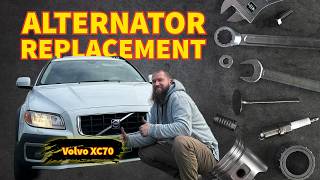

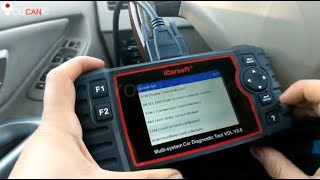
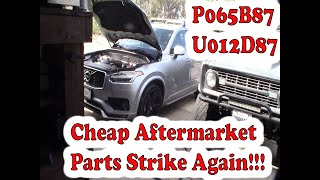
Used OEM Parts in Stock


New Aftermarket Parts Available

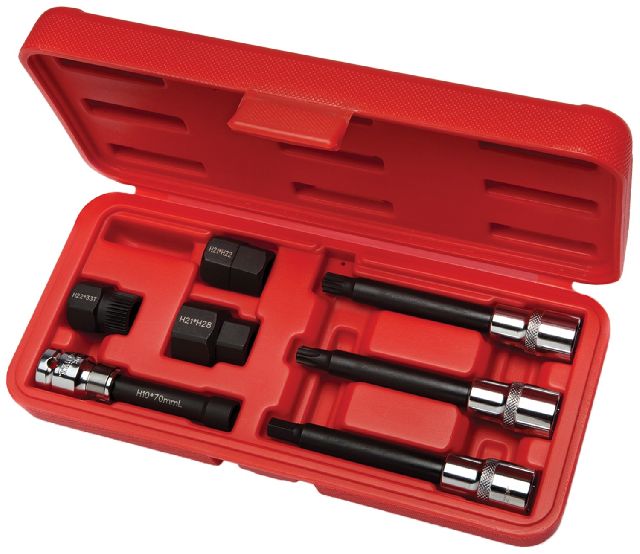

The information in this article is provided for general reference and educational purposes only. Vehicle specifications, procedures, and part compatibility can vary by production date, trim level, and region. Always consult your vehicle's factory service manual and verify part numbers before purchasing or performing repairs. Safety-critical components such as airbags, seat belts, and braking systems should be installed by a qualified professional.
- Volvo XC70:
- 🎬 Helpful Videos
- 🛍️ Shop This Part
- What's Unique About the 2008-2016 Volvo XC70
- Symptoms You May Notice
- Most Likely Causes
- Rare But Worth Checking
- Diagnosis Steps
- Parts You'll Likely Need
- Related Codes That Often Appear With This One
- Technical Service Bulletins (TSBs) & Recalls
- Platform-Specific Known Issues
- Mechanic-Grade Diagnostic Values
- Scan Tool Commands That Help
- Wiring & Ground Locations
- Real Owner Repair Stories
- OEM Part Supersession History
- Model Year Variations Within This Range
- Diagnostic Flowchart
- Other Known Issues on This Vehicle
- Used vs. New Parts: Buying Guide for This Vehicle
- Real Owner Stories
- 2012 Volvo XC70 — 65000 miles
- Volvo V70 D5 (P3 Platform)
- Volvo XC70 (P3 Platform)
- Volvo XC70
- Related OBD-II Codes
- Frequently Asked Questions
- 🎟️ Get 5% Off