

U1010 on 2005-2012 Nissan Titan: CAN Communication Fault Causes and Fixes
Code U1010 on a Nissan Titan indicates a network communication failure between electronic modules. The most common causes are a failing Intelligent Power Distribution Module (IPDM), poor battery voltage or bad grounds, or a faulty ECM relay. Diagnosis is complex, but checking the battery and IPDM first is recommended.
- U1010 is a serious network communication error. Do not ignore it.
- The most likely culprit on a 2005-2012 Titan is a faulty Intelligent Power Distribution Module (IPDM), a known weak point.
- Always start diagnosis by checking the simplest things first: battery health and all major ground connections.
- Due to the complexity of network diagnostics, professional service is highly recommended to avoid replacing expensive parts unnecessarily.
- If your Titan is a 2004-2006 model and experiences stalling, the specific ECM relay TSB should be your primary lead.
What's Unique About the 2005-2012 Nissan TITAN

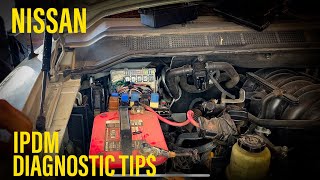
On the first-generation Nissan Titan and its platform mates (Armada, Frontier, Xterra), many electrical and communication problems, including U-codes, are famously linked to the Intelligent Power Distribution Module (IPDM). This module, located in the engine bay, contains several non-serviceable internal relays that can fail over time, causing intermittent and difficult-to-diagnose issues like stalling or no-start conditions. The original white-cased IPDM units are known to be particularly failure-prone, with the updated OEM replacement part being black. A specific TSB and a safety recall campaign (PC068) were issued for a faulty ECM relay within the IPDM 🎬 Watch: Nissan IPDM and engine relay diagnostic tips and tricks on 2004-2006 models, highlighting this as a known weak point for the platform.
Diagnostic Flowchart

Tap your situation to follow the diagnostic path that matches what you're seeing on this vehicle.
Symptoms You May Notice

- Check Engine Light is on
- Multiple other warning lights may illuminate (ABS, VDC, 4WD, Battery, SLIP)
- Engine stalls, especially at low speeds or while driving
- Crank-but-no-start condition 🎬 Watch: How to fix a Nissan Titan intermittent no start
- Cooling fans run at full speed when ignition is on (a classic sign of ECM/IPDM communication loss)
- Rough or erratic idling
- Transmission may not shift correctly or get stuck in one gear ('limp mode')
- Scan tool cannot communicate with one or more modules (especially ECM)
- Gear position indicator on the dashboard may disappear
- Replacing the ECM or TCM when the IPDM is the actual cause.
- Replacing individual sensors when the root cause is a network-wide communication failure.
- Replacing the battery without checking for a parasitic drain from a faulty module like the IPDM or ABS unit.
Most Likely Causes

- Failing Intelligent Power Distribution Module (IPDM) 🔴 High Probability The IPDM on this platform contains internal, non-serviceable relays (for the ECM, fuel pump, etc.) that are a known failure point, leading to a wide range of electrical and communication faults. The original units were white and are known to fail; the updated replacement part is black.
How to confirm: Perform the IPDM's self-test procedure (with the key on, press the driver's door jamb switch 10 times in 20 seconds) to check its outputs like wipers, lights, and horn. If the vehicle has a crank/no-start issue and the cooling fans run at full speed when the key is turned on, it's a strong indicator of IPDM/ECM communication failure. Visually inspect for water intrusion or corrosion inside the IPDM case.
Typical fix: Replace the entire IPDM unit. On 2004-2006 models, a specific ECM relay was available for replacement per a TSB, which can be a less expensive first step.
Est. part cost: $150-$500 - Low Battery Voltage or Poor Ground Connections 🟡 Medium Probability All modern vehicles are sensitive to voltage. A Reddit thread specifically identified loose ground bolts behind the dashboard as a cause for U1000/U1010 codes and crank-no-start issues on a 2006 Titan.
How to confirm: Test the battery with a multimeter; it should read ~12.6V with the engine off and 13.7V-14.7V while running. Inspect and clean the main battery terminals, chassis ground, and engine block ground straps for corrosion or looseness. If symptoms persist, investigate the ground connections behind the glove box and dashboard, as they have been reported as a specific, hard-to-find failure point.
Typical fix: Charge or replace the battery. Clean or replace corroded terminals and ground cables. Tighten loose ground bolts behind the dashboard.
Est. part cost: $100-$250 - Damaged CAN Bus Wiring or Connectors 🟡 Medium Probability Wiring harnesses can become chafed, corroded, or damaged by rodents over the vehicle's lifespan, causing an open or short in the CAN network.
How to confirm: Visually inspect harnesses for damage. With the battery disconnected, measure the resistance between Pin 6 (CAN High) and Pin 14 (CAN Low) at the OBD-II port. A healthy network should read approximately 60 Ohms. A reading of 120 Ohms suggests a break in the circuit or a missing termination resistor. A reading near 0 Ohms indicates a short circuit.
Typical fix: Repair the damaged section of the wiring harness. Clean or replace corroded connectors.
Est. part cost: $10-$100 - Faulty ABS Control Module ⚪ Low Probability The ABS module is a key node on the CAN bus. Water intrusion or internal electronic failure can cause it to broadcast corrupt data or short the network, bringing down communication for all modules.
How to confirm: If the ABS and SLIP lights are on and the scan tool cannot communicate with the ABS module, it may be the source of the network fault. A diagnostic step is to disconnect the ABS module connector and see if communication with other modules (like the ECM) is restored and if the CAN bus resistance returns to a normal value (~120 Ohms with one terminating module disconnected).
Typical fix: Replace the ABS control module/actuator assembly. This may require calibration of the G-sensor and steering angle sensor using a capable scan tool.
Est. part cost: $150-$500 (used), $800+ (new)
Rare But Worth Checking
- Faulty ECM or TCM: While possible, the Engine Control Module or Transmission Control Module are less likely to fail than the IPDM or wiring. This should only be considered after all other possibilities have been exhausted. A lack of 5V reference voltage at sensors like the MAF can point to an ECM power issue.
- Aftermarket Electronics: Improperly installed remote starters, alarms, or stereos can interfere with the CAN bus network, causing communication errors. Check for any non-factory wiring tapped into the vehicle's electrical system.
- Faulty Fusible Link: The main fusible link block on the positive battery terminal can fail internally, causing a total loss of power or intermittent connection that can trigger communication codes before complete failure.
Diagnosis Steps
- Check Battery and Charging System: Ensure the battery has a full charge (at least 12.4V) and that the alternator is charging correctly (13.7-14.7V). Clean all battery terminals and primary ground connections, including the main fusible link block on the positive terminal.
- Perform a Full System Scan: Use a professional scan tool to check for codes in ALL available modules (ECM, TCM, ABS, BCM, etc.). Note which modules are communicating and which are not. A 'No Communication with ECM' message is a major clue.
- Inspect and Test the IPDM: Visually inspect the Intelligent Power Distribution Module for any signs of corrosion or water intrusion. Perform the IPDM self-test (Key on, press driver's door switch 10 times in 20 seconds) to verify its functions. If a crank-no-start exists with fans running at full blast, the IPDM/ECM relay is highly suspect.
- Check for Known TSBs: For 2004-2006 models, investigate the TSB related to the ECM relay within the IPDM. Consider replacing this relay (Part # 284B7-CW29E) as an inexpensive first step if symptoms match.
- Test the CAN Network Resistance: Disconnect the battery. Use a multimeter to measure the resistance between Pin 6 (CAN High) and Pin 14 (CAN Low) of the OBD-II port. The reading should be ~60 Ohms. If it's 120 Ohms, there is an open in the circuit. If it's near 0 Ohms, there is a short.
- Visually Inspect Wiring and Grounds: Trace the main CAN bus wiring harness, looking for any signs of physical damage or chafing. Pay special attention to the ground bolts located behind the dashboard/glovebox, as they have been reported to come loose.
- Isolate Modules: If the CAN resistance is incorrect (e.g., 0 Ohms), a professional technician will disconnect modules one by one from the CAN network (starting with common culprits like the ABS module) and re-check resistance to see if the fault disappears, thereby isolating the problematic component.
Parts You'll Likely Need
- Intelligent Power Distribution Module (IPDM)
(OEM #284B6-ZE03B, 284B6-ZE03C) - ECM Relay (for 2004-2006 models)
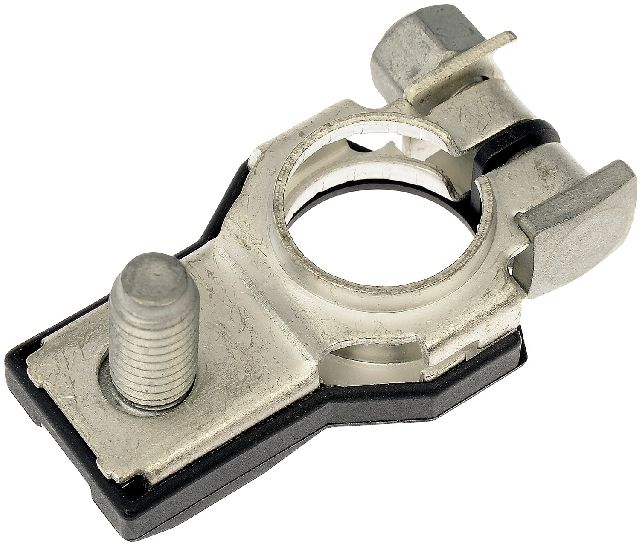
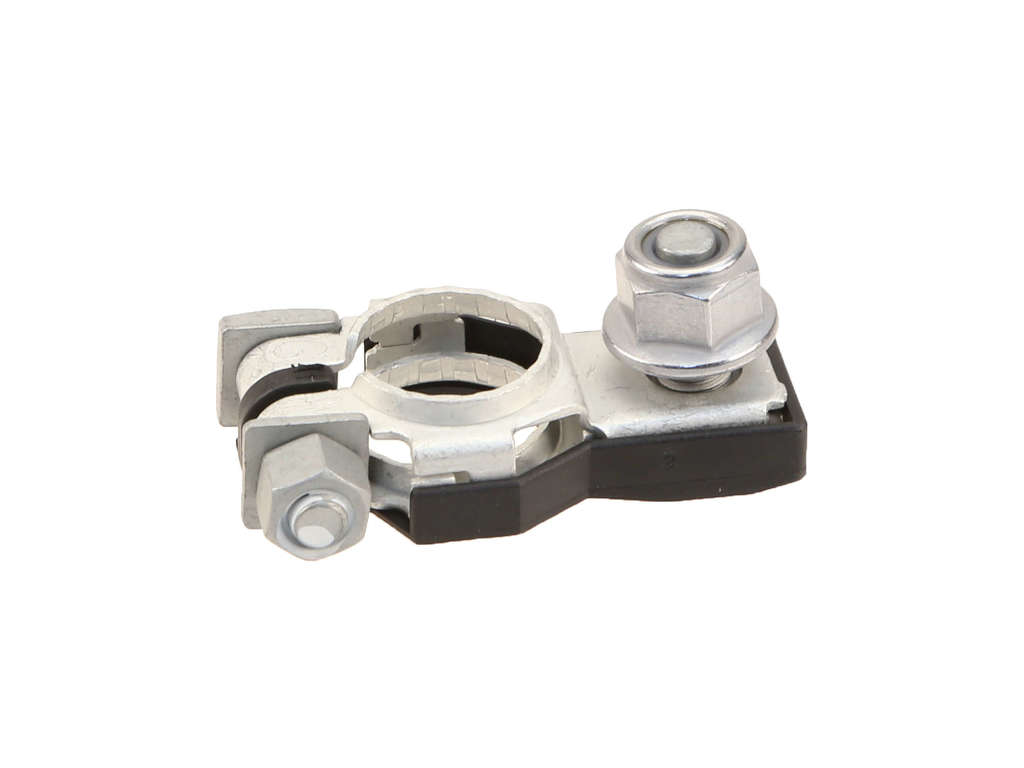
(OEM #284B7-CW29E) - Battery Ground Cable
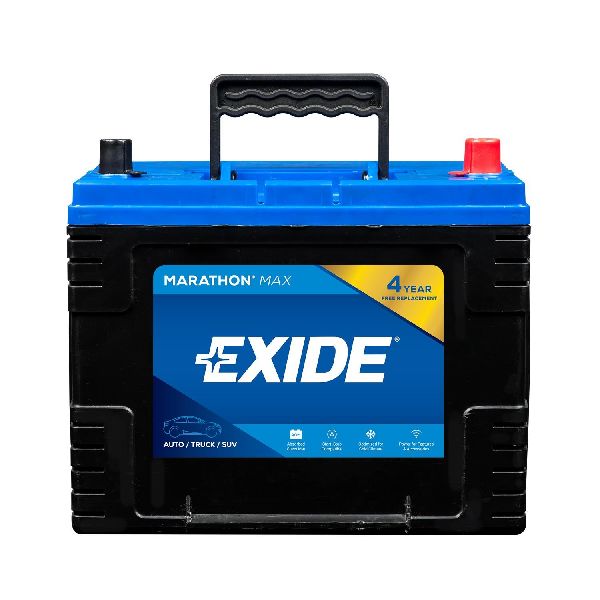
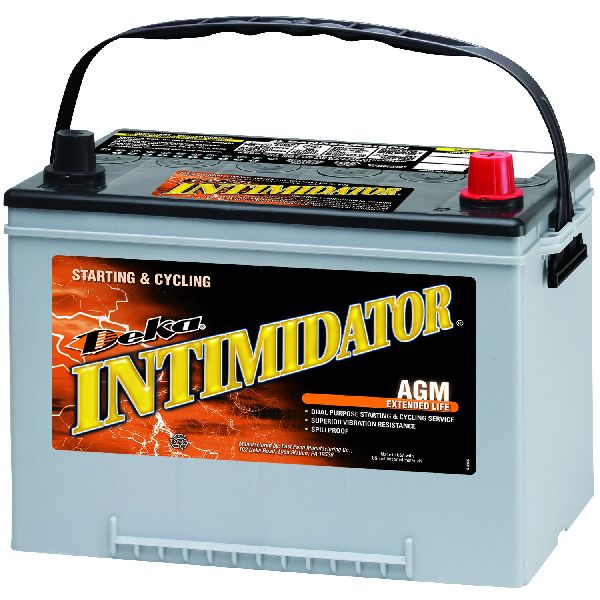
- Battery
Related Codes That Often Appear With This One
- U1000 — This is a more general CAN communication line malfunction code. U1010 (module internal error) is often the root cause that triggers the U1000 code in other modules. They frequently appear together.
- U0101 — This is a standardized code for 'Lost Communication with TCM'. If the U1010 fault is related to the transmission control module or if the network is down, this code may also be present.
- P0500 — Vehicle Speed Sensor Malfunction. The VSS signal is shared over the CAN bus, so a network failure can trigger this code, often accompanied by a non-functional speedometer.
Technical Service Bulletins (TSBs) & Recalls
- NTB10-066A: SERVICE INFORMATION Related to communication codes U1000, U1001, U1002, U1010. Advises diagnosing communication codes first and defines U1010 as a module with internal errors.
- NTB10-145A: ABS/VDC CAN DIAGNOSIS INFORMATION. Provides a flowchart for diagnosing U1000 codes specifically within the ABS/VDC system.
Platform-Specific Known Issues
- A Technical Service Bulletin was released for the ECM relay contacts inside 'white' IPDM units on 2004-2006 Titans, which could cause stalling at low speeds.
- The IPDM contains non-serviceable relays for critical components, and Nissan's official procedure is to replace the entire unit rather than swapping individual relays (with the exception of the ECM relay TSB).
Mechanic-Grade Diagnostic Values
- CAN Bus Resistance at OBD-II Port (Battery Disconnected) — expected: ~60 Ohms. Failure: 120 Ohms indicates an open circuit or a disconnected terminating module. ~0 Ohms indicates a short between CAN High and CAN Low wires.
- CAN High Voltage to Ground (Key On, Engine Off) — expected: ~2.7 Volts. Failure: Significant deviation suggests a short to power, ground, or an open circuit.
- CAN Low Voltage to Ground (Key On, Engine Off) — expected: ~2.3 Volts. Failure: Significant deviation suggests a short to power, ground, or an open circuit.
- Voltage Drop Test on Main Grounds — expected: < 0.2 Volts (200mV). Failure: A voltage reading higher than 0.2V between the battery negative post and the chassis/engine block indicates high resistance in the ground circuit.
Scan Tool Commands That Help
- Nissan CONSULT-III / CONSULT-III plus: CAN Diag Support Monitor — This is the primary function to use when diagnosing any U-code. It shows a list of all modules on the network and indicates which ones are transmitting ('OK') and which are not ('NG' - No Good), quickly identifying the source of the communication loss.
- Nissan CONSULT-III / CONSULT-III plus: Active Test: Fuel Pump Relay — If a crank-no-start condition is present, this bidirectional command allows the technician to manually turn the fuel pump on and off via the IPDM, verifying the IPDM's internal relay, wiring, and the pump itself are functional, bypassing the ECM's normal control.
- Nissan CONSULT-III / CONSULT-III plus: Self-Diagnosis (All Modules) — To get a complete picture of the vehicle's health, this function polls every control unit for DTCs, which is crucial as a CAN fault in one module (like the ABS) can set codes in many others (ECM, TCM, BCM).
Wiring & Ground Locations
- E15 & E9 — Right side of the engine compartment.. These are primary engine bay ground points. Corrosion or looseness here can affect the ECM and IPDM, which are major nodes on the CAN bus.
- E24 — Left front of the engine compartment.. This ground point serves the ECM, various sensors, and the IPDM. A poor connection here is a common cause of communication and engine control issues.
- M57 — Behind the left side of the dashboard.. This is a major interior ground point for various modules and switches. A loose connection here can cause intermittent CAN communication faults inside the cabin.
- M61 — Behind the center of the dashboard.. Grounds several dash-mounted components that are on the CAN bus, such as the A/V unit or display control unit. A fault here can disrupt the network.
- Passenger Side Frame Harness — Along the passenger side frame rail, sometimes running above the exhaust.. This harness is known to be susceptible to melting from exhaust leaks, which can short out CAN bus wires, causing widespread and difficult-to-diagnose electrical failures.
Real Owner Repair Stories
- MBWorld.org Forums (Mercedes GL-Class (X164) with similar CAN bus architecture) — Crank but no start, especially when hot. Code U0101 (Lost Communication with TCM) was present.
❌ Tried (didn't work) Focusing solely on diagnosing the transmission control module based on the U0101 code.
✅ What actually fixed it A new fuel pump. The original pump was running and making noise but not delivering fuel, a mechanical failure that was not directly reported by the electronic diagnostic system. The communication code was likely a secondary effect of the engine failing to start. - GMTNation Forums (2006 Buick Rainier with GM Class 2 Data Link (similar to CAN bus)) — No crank, no start, no communication with PCM (ECM), code U1016.
❌ Tried (didn't work) Swapping the PCM.
✅ What actually fixed it Found and repaired a very small cut in the 12V power wire (orange wire to fuse 10) leading to the PCM. This highlights the importance of checking for power and ground at the non-communicating module before replacement.
OEM Part Supersession History
Various 'White Case' IPDMs→284B6-ZE03B, 284B6-ZE03C (and others, VIN specific)— The original white-cased IPDMs had a high failure rate of internal relays. The superseding parts are typically black-cased and are more robust.
Heads up: There are multiple IPDM versions based on production date (pre/post 08/2006) and vehicle options. It is critical to verify the correct part number with the vehicle's VIN before ordering.Original ECM Relay inside IPDM→284B7-CW29E— The original relay contacts were prone to oxidation, leading to poor connection, stalling, and no-start issues. This was the subject of Nissan Safety Recall Campaign PC068.
Heads up: This specific relay replacement procedure applies to the recall for 2004-2006 Titan, Armada, Frontier, and Xterra models.
Model Year Variations Within This Range
- 2004-2006: These model years were subject to a specific safety recall (PC068) and TSB (NTB10-137) to replace only the ECM relay within the IPDM due to a high rate of failure causing stalling. Later models received improved relays or IPDM assemblies from the factory.
- Pre-08/2006 vs. Post-08/2006: There was a mid-production change to the IPDM itself around August 2006. The part numbers are different, and the units are not interchangeable. Ordering a replacement IPDM requires VIN verification to ensure the correct pre- or post-change module is supplied.
Helpful Videos


Used OEM Parts in Stock



New Aftermarket Parts Available


The information in this article is provided for general reference and educational purposes only. Vehicle specifications, procedures, and part compatibility can vary by production date, trim level, and region. Always consult your vehicle's factory service manual and verify part numbers before purchasing or performing repairs. Safety-critical components such as airbags, seat belts, and braking systems should be installed by a qualified professional.
- Nissan TITAN:
- 🎬 Helpful Videos
- 🛍️ Shop This Part
- What's Unique About the 2005-2012 Nissan TITAN
- Diagnostic Flowchart
- Symptoms You May Notice
- Most Likely Causes
- Rare But Worth Checking
- Diagnosis Steps
- Parts You'll Likely Need
- Related Codes That Often Appear With This One
- Technical Service Bulletins (TSBs) & Recalls
- Platform-Specific Known Issues
- Mechanic-Grade Diagnostic Values
- Scan Tool Commands That Help
- Wiring & Ground Locations
- Real Owner Repair Stories
- OEM Part Supersession History
- Model Year Variations Within This Range
- 🎟️ Get 5% Off