

U1002 on 2005-2012 Nissan Titan: CAN Communication Failure Causes and Fixes
U1002 on a 2005-2012 Nissan Titan indicates a CAN communication network failure. The most common causes are a faulty IPDM (Intelligent Power Distribution Module), specifically the internal ECM relay, poor ground connections at the battery or chassis, or corroded wiring. Diagnosis involves checking grounds and CAN bus resistance, but the IPDM is a known weak point on this platform.
- U1002 is a serious network communication error, not a simple sensor fault.
- Always start diagnosis by checking the battery, its connections, and all major ground points. This simple step solves many electrical issues.
- The IPDM (smart fuse box in the engine bay) is a common point of failure on these trucks and a likely cause for this code.
- Do not replace expensive control modules like the ECM or TCM unless you have definitively ruled out wiring, grounds, and the IPDM.
- Due to the complexity, professional diagnosis with a proper scan tool is highly recommended.
What's Unique About the 2005-2012 Nissan TITAN

The first-generation Nissan Titan (2005-2012) and its platform mates (Armada, Xterra, Frontier) are notorious for electrical issues related to the Intelligent Power Distribution Module (IPDM E/R). The original IPDM modules were often white in color and particularly prone to internal failure, especially of the non-serviceable ECM relay, which causes stalling and no-start conditions. Water intrusion from a leaking cowl seal is also a common cause of IPDM failure. These factors, combined with known grounding issues, make network codes like U1002 a frequent complaint.
Diagnostic Flowchart
Tap your situation to follow the diagnostic path that matches what you're seeing on this vehicle.
Symptoms You May Notice
- Check Engine Light is on
- Multiple other warning lights may illuminate (ABS, VDC, SLIP, 4WD)
- Erratic or non-functional gauges
- Vehicle may not start or may crank but not fire
- Engine may stall unexpectedly while driving, especially at low speeds
- Transmission may not shift correctly or enter limp mode
- Cooling fans run at full speed as soon as the key is turned on
- In some cases, no obvious symptoms other than the stored code
- Replacing individual control modules (like the ECM or TCM) without first verifying the integrity of the wiring, power, and grounds. The problem is often in the connection to the module, not the module itself.
- Replacing the battery without cleaning the main chassis and engine ground connection points.
- Replacing the fuel pump for a crank-no-start condition when the actual fault is the IPDM not activating the fuel pump relay.
Most Likely Causes

- Faulty Intelligent Power Distribution Module (IPDM E/R) 🔴 High Probability
How to confirm: A professional can perform an IPDM self-test. A common DIY symptom is a crank-no-start condition where the cooling fans run at high speed. 🎬 Watch this real-world diagnosis of a Titan crank-no-start condition. Swapping the fog lamp relay for the ECM relay (if applicable) can be a temporary diagnostic step. If multiple modules lose power or communication, the IPDM is the prime suspect.
Typical fix: Replacement of the IPDM E/R module. It is a plug-and-play part with no programming required.
Est. part cost: $150-$500 - Poor Ground Connections 🟡 Medium Probability Corrosion on chassis and engine block grounds is a common issue that can disrupt sensitive module communications. The main negative battery cable is a known weak point.
How to confirm: Locate the main battery ground cable where it attaches to the body, the engine block grounds, and smaller chassis grounds (e.g., under the driver's seat area for the exhaust ground). Disconnect, clean all contact surfaces until they are shiny, and re-secure them tightly.
Typical fix: Cleaning or replacing corroded ground wires and terminals.
Est. part cost: $5-$70 - Damaged or Corroded Wiring Harness 🟡 Medium Probability The CAN wiring harness can be susceptible to damage from road debris, moisture intrusion, or chafing. A common area for damage is the harness that runs along the passenger side frame, near the exhaust.
How to confirm: Visually inspect the wiring harnesses, especially where they pass through the firewall, under the vehicle near the transmission, and around the engine bay. Look for any signs of physical damage, melting, or green/white corrosion on connectors.
Typical fix: Repairing the specific section of the damaged wire or replacing the affected connector.
Est. part cost: $10-$100 for repair materials - Low Battery Voltage or Poor Battery Connections ⚪ Low Probability
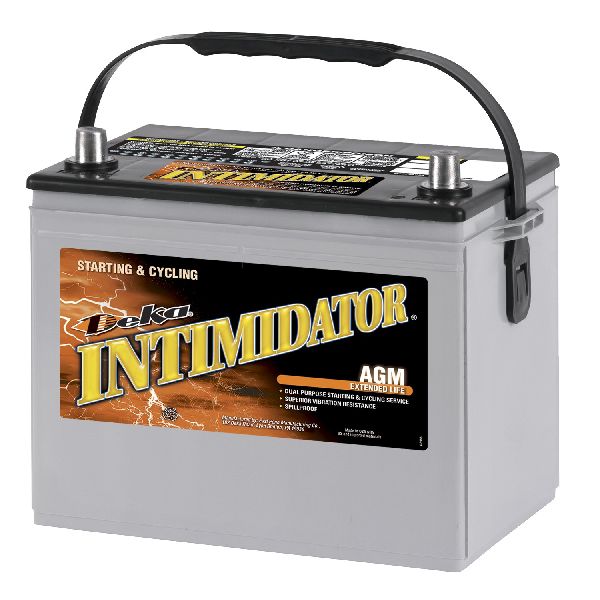
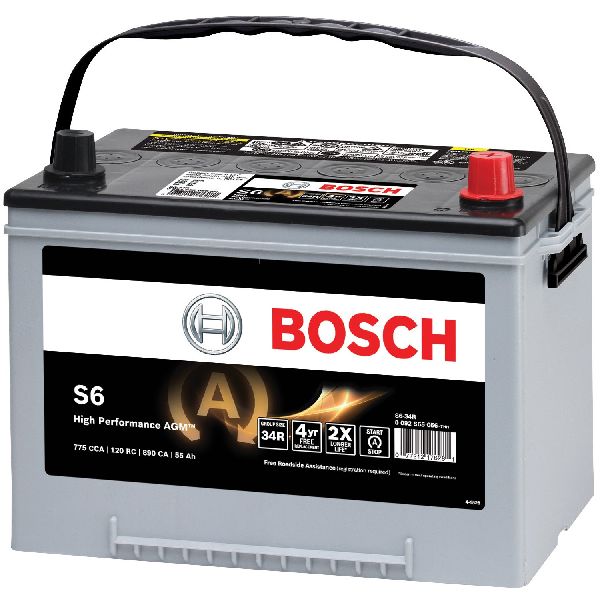
How to confirm: Test the battery voltage with a multimeter; it should be above 12.4V with the engine off. Clean the battery terminals and cable ends thoroughly, ensuring the clamps are tight.
Typical fix: Charging or replacing the battery and cleaning terminals.
Est. part cost: $100-$250
Rare But Worth Checking
- Failing Control Module (ECM, BCM, TCM, ABS): While possible, a module itself failing is less common than a wiring or power/ground issue. A module should only be replaced after all wiring and connections to it have been confirmed to be good.
- Aftermarket Electronic Devices: Poorly installed remote starters, alarms, or audio equipment can interfere with the CAN bus and cause communication errors.
- Faulty Ignition Switch: A worn ignition switch can cause intermittent no-start or stalling issues that mimic IPDM failure. The internal contacts can become burnt or pitted over time, leading to an unstable power supply to the vehicle's systems.
Diagnosis Steps
- Scan all vehicle modules with a professional scan tool that can read Nissan-specific codes. Note which modules are reporting the U1002 code and which modules are not communicating at all.
- Check and record battery voltage. Ensure it is above 12.4V. Clean battery terminals and follow the main negative cable to its chassis grounding point and clean it thoroughly.
- Perform the IPDM E/R self-test. 🎬 See a step-by-step walkthrough of the IPDM auto active test. With the ignition on (engine off) and doors closed, press and release the driver's door switch 10 times within 20 seconds. The IPDM will cycle its outputs (wipers, lights, horn). This confirms the IPDM's basic functions.
- Visually inspect all accessible wiring harnesses for damage, corrosion, or loose connections, paying close attention to the IPDM, ECM, and TCM connectors. Check the harness along the passenger-side frame rail for melting from the exhaust.
- With the battery disconnected, measure the resistance between Pin 6 (CAN-H) and Pin 14 (CAN-L) at the OBD-II port. A healthy network should read approximately 60 ohms. 🎬 Learn more about diagnosing CAN bus communication problems here. A reading of 120 ohms indicates a break in the circuit or a missing terminating resistor.
- If a crank-no-start condition exists, check for voltage at the mass airflow sensor's power wire (often brown) with the key on. This is a good proxy for whether the ECM is receiving power from the IPDM's ECM relay. Voltage should be within 0.5V of battery voltage.
- If resistance is incorrect, begin disconnecting modules one by one from the CAN network to isolate the source of the fault. The resistance will change when the faulty module or harness section is disconnected.
- If wiring and resistance check out, suspect a faulty module, with the IPDM being the primary candidate due to its high failure rate on this platform.
Parts You'll Likely Need
- Intelligent Power Distribution Module (IPDM E/R)
(OEM #284B6-ZE03C (supersedes 284B6-7S000, 284B6-7S001, 284B6-7S002, 284B6-ZC00A). Newer models may use 284B6-EZ30A or 284B6-EZ30B. Always verify with VIN.)— This module is a common failure point and acts as a central hub for power and network signals. Internal failure of the non-serviceable ECM relay is a primary cause of no-start/stalling.
Trusted brands: Nissan OE, Hitachi
OEM price range: $300-$500
Aftermarket price range: $150-$300 - Battery Ground Cable
(OEM #24080-ZR10A (example, verify by VIN))— The original ground cables can corrode internally or at the connection points, causing intermittent and difficult-to-diagnose electrical and network problems.
Trusted brands: Nissan OE, Standard Motor Products
OEM price range: $40-$70
Aftermarket price range: $20-$40
Related Codes That Often Appear With This One
- U1000 — U1000 is the general CAN communication failure code. U1002 is a more specific version of the same fault, and they often appear together.
- U1001 — This code specifically points to a communication loss with the ECM. It often accompanies U1000/U1002 when the network issue affects the engine computer.
- P1610 / P1614 — These are immobilizer-related codes that can be triggered when the BCM and ECM cannot communicate to verify the key, often as a result of the underlying CAN bus failure.
Technical Service Bulletins (TSBs) & Recalls
- NTB10-066A: Provides diagnostic tips for CAN communication codes U1000, U1001, U1002, and U1010, confirming U1002 is a communication error with a tighter timing specification.
- NTB13-027C: A detailed CAN communication network diagnostic flow chart for technicians, defining the U-codes and providing troubleshooting steps.
- NTB10-145B: Provides a diagnostic flow chart specifically for when U1000 is stored in the ABS/VDC control unit, advising to diagnose other DTCs first.
Platform-Specific Known Issues
- Water intrusion into the IPDM E/R, located in the engine bay, is a known issue that leads to corrosion and failure. This often results from a poor seal at the base of the windshield cowl, allowing water to drip directly onto the IPDM and its connectors.
- The internal ECM relay within the IPDM is a known high-failure component. Nissan issued a voluntary recall (PC068) for some 2004-2006 models to replace this relay. For other years, the entire IPDM must be replaced as the relay is not considered serviceable.
Mechanic-Grade Diagnostic Values
- CAN Bus Resistance (Battery Disconnected) — expected: ~60 Ω between Pin 6 (CAN-H) and Pin 14 (CAN-L) at the DLC.. Failure: A reading of ~120 Ω indicates an open circuit or one of the two terminating resistors is offline. A reading near 0 Ω indicates a short between the CAN-H and CAN-L lines.
- CAN Bus Voltage (Key On, Engine Off) — expected: CAN-H (Pin 6 to Ground) should be ~2.7V. CAN-L (Pin 14 to Ground) should be ~2.3V.. Failure: Voltages that are stuck high (e.g., 5V or battery voltage) or low (0V) indicate a short to power or ground on that line.
- ECM Power Supply from IPDM (Key On, Engine Off) — expected: Voltage at the Mass Airflow (MAF) sensor's brown power wire should be within 0.5V of battery voltage.. Failure: A significantly lower voltage (e.g., 5-6V) or no voltage suggests a failing ECM relay inside the IPDM.
- Resistance at Terminating Module Connector (e.g., ECM, IPDM) — expected: ~120 Ω (measured at the module's CAN pins with the module disconnected).. Failure: A reading significantly different from 120 Ω indicates a faulty internal terminating resistor.
Scan Tool Commands That Help
- Nissan CONSULT-III / CONSULT-III plus: CAN Diag Support Monitor — This function provides a detailed status of which modules are communicating and which are not, helping to pinpoint the location of the network failure. It is the first step recommended by Nissan for diagnosing U-codes.
- Nissan CONSULT-III / CONSULT-III plus: IPDM Auto Active Test — While this can be initiated manually, a scan tool can also trigger this self-test. It commands the IPDM to cycle through its outputs (lights, wipers, fans, A/C clutch), confirming the IPDM's CPU and output relays are functional. Note that this test does not directly test the internal ECM relay's function.
Wiring & Ground Locations

- E15 — Right side of the engine compartment.. This is a primary grounding point for multiple engine bay components. Corrosion here can disrupt communication for several modules.
- E24 — Left front of the engine compartment.. Another critical engine bay ground point that serves the IPDM E/R and other modules. It's essential to check this ground when diagnosing any CAN communication fault.
- F16 — Left front of the engine.. This ground point serves the ECM, TCM, and various critical sensors. A poor connection here can directly cause the ECM to go offline, triggering U1002 in other modules.
- Bell Housing Ground Strap — A braided strap typically connected from the engine block/bell housing to the vehicle's firewall or frame.. This is a main engine-to-chassis ground. If loose, corroded, or improperly installed (especially after a transmission or starter replacement), it can cause a wide range of bizarre electrical issues, including no-start conditions and communication codes.
Real Owner Repair Stories
- YouTube user comment on a diagnostic video (2006 Nissan Titan 5.6L) — Truck quit, crank-no-start, owner had spent over $1500 on various repairs over two years.
❌ Tried (didn't work) Multiple unspecified repairs.
✅ What actually fixed it The final resolution was not explicitly stated for this specific case, but it was part of a discussion about IPDM failures, implying the IPDM was the ultimate, long-overlooked culprit. - YouTube video by 'Junky DIY guy' (Nissan Titan (year not specified, but first generation)) — Alternator overcharging, fuel pump seemed to be failing (would quit when hot), vehicle would die as if out of fuel.
❌ Tried (didn't work) Adding fuel to the tank, which temporarily seemed to help by cooling the fuel pump.
✅ What actually fixed it The main ground strap on the bell housing near the starter was loose and improperly installed. It was making intermittent contact and had also chafed against the positive starter cable, causing a partial short. Securing the ground strap correctly resolved all symptoms.
OEM Part Supersession History
284B6-7S000, 284B6-7S001, 284B6-7S002, 284B6-ZC00A (Often white in color)→284B6-ZE03C (Often black in color)— The original white IPDM units were known for a high failure rate of the internal, non-serviceable ECM relay. The updated black units are considered more reliable.
Model Year Variations Within This Range
- 2004-2006: For some 2004-2006 Titan, Armada, and platform-mate models, Nissan issued a voluntary safety recall (PC068) to replace only the ECM relay within the IPDM, using a special tool. For models outside this campaign, the official repair is to replace the entire IPDM assembly, as the relay is considered non-serviceable.
Helpful Videos

Used OEM Parts in Stock


New Aftermarket Parts Available


The information in this article is provided for general reference and educational purposes only. Vehicle specifications, procedures, and part compatibility can vary by production date, trim level, and region. Always consult your vehicle's factory service manual and verify part numbers before purchasing or performing repairs. Safety-critical components such as airbags, seat belts, and braking systems should be installed by a qualified professional.
- Nissan TITAN:
- 🎬 Helpful Videos
- 🛍️ Shop This Part
- What's Unique About the 2005-2012 Nissan TITAN
- Diagnostic Flowchart
- Symptoms You May Notice
- Most Likely Causes
- Rare But Worth Checking
- Diagnosis Steps
- Parts You'll Likely Need
- Related Codes That Often Appear With This One
- Technical Service Bulletins (TSBs) & Recalls
- Platform-Specific Known Issues
- Mechanic-Grade Diagnostic Values
- Scan Tool Commands That Help
- Wiring & Ground Locations
- Real Owner Repair Stories
- OEM Part Supersession History
- Model Year Variations Within This Range
- 🎟️ Get 5% Off