

U1000 on 2010-2018 Volvo V60: What It Means and How to Find the Real Problem
The U1000 code on a Volvo V60 is a generic error from a non-Volvo scanner and not a specific fault. The actual problem is almost always a weak battery, a corroded ground wire, or a failing Central Electronic Module (CEM). Start by fully testing your battery and performing a BMS reset before attempting any other repairs.
- U1000 is not a real Volvo code. It's a generic sign of a network problem.
- The most likely cause is a weak battery. Test your battery before doing anything else.
- If the battery is good, suspect a failing Central Electronic Module (CEM) due to water damage or a corroded ground wire.
- Do not replace any parts based on the U1000 code alone. A proper diagnosis with a Volvo-specific scan tool (VIDA) is essential to find the true fault.
- Check for known water leak spots: sunroof drains and the windshield cowl area above the CEM, and the washer fluid line under the glovebox.
What's Unique About the 2010-2018 Volvo V60
The 2010-2018 V60, built on Volvo's P3 platform, uses a complex set of networks, including a high-speed CAN bus for critical systems, a low-speed CAN bus for body controls, and a fiber-optic MOST bus for the infotainment system. Generic OBD-II scanners often can't correctly interpret Volvo's specific network error codes and may display U1000 as a default 'catch-all' for any communication problem. The true cause is often a known platform issue, like a failing Central Electronic Module (CEM) or a simple weak battery, which can create a cascade of confusing electronic symptoms. The CEM acts as a central gateway and power distribution hub, making its health critical for network stability.
Symptoms You May Notice
- Multiple, unrelated warning lights on the dashboard (e.g., 'Anti-skid service required', ABS, SRS, 'Immobilizer See Manual')
- Instrument cluster gauges dropping to zero or behaving erratically
- Erratic behavior of lights, windows, wipers, or door locks
- Radio or entire infotainment screen not working or rebooting
- Transmission shifting hard, getting stuck in Park, or displaying 'Transmission Service Required'
- Engine may not start (no-start condition) or cranks but won't fire
- Message on dash like 'Brake, please make a safe stop'
- "Low Battery" warning appearing frequently, even with a seemingly good battery
- Replacing individual control modules (like the ABS or SRS module) based on the U1000 code alone. The code indicates a network-wide problem, not necessarily a fault in any one module.
- Assuming the car needs a new ECM (Engine Control Module) without first checking the battery, grounds, and CEM.
- Replacing the battery without performing a BMS reset, leading to the same problems returning weeks or months later.
Most Likely Causes
- Weak or Failing Battery 🔴 High Probability Modern Volvos are packed with electronics that are highly sensitive to voltage. A drop in voltage during startup is a very common trigger for communication errors between modules. The Battery Monitoring System (BMS) can also be a factor; if a new battery is installed without a BMS reset, the car may not charge it correctly, leading to a premature low-voltage state.
How to confirm: Test the battery voltage with a multimeter. A healthy battery should read ~12.6V with the engine off and >13.5V with the engine running. Perform a load test for a definitive result. Even a battery showing good voltage can fail under load. A common owner experience is that electrical gremlins appear long before the battery fails to crank the engine.
Typical fix: Replace the main 12V AGM battery. After replacement, a Battery Management System (BMS) reset MUST be performed using a capable scan tool or a manual procedure. If your V60 has a Start/Stop system, it may also have an auxiliary battery that can cause similar issues when it fails.
Est. part cost: $200-$400 - Failing Central Electronic Module (CEM) 🟡 Medium Probability The CEM is the vehicle's main electrical hub. On the P3 platform, it is notoriously susceptible to failure from water damage, often caused by clogged sunroof drains or a leaking windshield cowl seal. It is located behind the glovebox, making it vulnerable. Internal component failure from heat or vibration can also occur.
How to confirm: Inspect the CEM area (located behind the glovebox in the passenger 🎬 See this guide on removing and cleaning the CEM footwell) for any signs of water staining, dampness, or corrosion on the connectors. A scan with Volvo's VIDA software can often confirm if the CEM is offline or has internal faults. A common symptom of a failing CEM is a parasitic drain that kills batteries repeatedly.
Typical fix: If water damage is present, the leak must be fixed first by cleaning the sunroof drains or resealing the cowl. The CEM itself can sometimes be repaired and cloned by a specialist service like XeMODeX, which is often more cost-effective than a new unit. A new replacement CEM must be purchased from a dealer and programmed to the vehicle with a software download.
Est. part cost: $500-$1500 - Corroded Main Ground Connections 🟡 Medium Probability
How to confirm: Visually inspect the main battery ground strap (negative terminal to chassis) and other major chassis ground points for corrosion or looseness. Key ground points are located near the battery tray, on the engine block, and on the strut towers. A voltage drop test across the ground connection can confirm a poor connection.
Typical fix: Remove the ground connection, thoroughly clean the contact points on the terminal and the chassis with a wire brush until shiny, and re-secure it tightly. Apply dielectric grease to prevent future corrosion. This is a very low-cost but high-impact potential fix.
Est. part cost: $0-$20 - Damaged CAN Bus Wiring or Connector ⚪ Low Probability A specific known issue on some V60s is the rear washer fluid hose leaking under the glovebox area, dripping onto and shorting out a high-speed CAN bus connector block. This can cause a total loss of communication on the high-speed network.
How to confirm: Inspect the area under the glovebox and passenger-side carpeting for signs of blue or green fluid staining on the carpet or wiring harnesses. Test the rear washer and check for leaks in this area. A forum thread on SwedeSpeed titled 'Christmas Tree Dash Lights - The Full Saga' documents this exact failure with photos.
Typical fix: Repair the leaking hose connection. The affected CAN bus connector must be unplugged, thoroughly cleaned with electrical contact cleaner, dried, and reconnected. If corrosion is severe, the connector or pins may need to be replaced, which can be a complex wiring repair.
Est. part cost: $10-$100
Rare But Worth Checking
- MOST Infotainment Network Failure: If your symptoms are ONLY related to the radio, navigation, or screen, the issue may be in the separate fiber-optic MOST network. A single failed module (like the amplifier, often located under the passenger seat and also susceptible to water damage) on this network can disable all other infotainment functions. A MOST bypass loop can be used to diagnose the faulty module.
- Faulty Alternator: A failing alternator can cause low or unstable voltage while the car is running, leading to network communication errors similar to those from a bad battery. Check charging voltage at idle and under load; it should be stable and above 13.5V.
- Faulty ABS Module: The ABS module is another critical node on the CAN bus. While less common than a CEM failure, an internal failure of the ABS module can disrupt network communication and trigger a U1000 code along with ABS/anti-skid warnings.
Diagnosis Steps
- STOP. Do not replace any parts based on the U1000 code alone.
- Have the vehicle scanned with a Volvo-specific diagnostic tool like VIDA or a high-end scanner with full Volvo capabilities. This is the most critical step to get the actual, meaningful fault codes. A generic scanner is not sufficient.
- If you cannot get a VIDA scan immediately, start with the basics. Fully charge and load test the main 12V battery. A weak battery is the #1 cause of these issues.
- Perform a BMS reset. On some models, this can be done by disconnecting the small plug on the negative battery terminal's sensor for 30 seconds with the ignition on (engine off), then letting the car sit locked for several hours to relearn.
- Inspect the main battery ground cable and chassis connection for any signs of corrosion or looseness. Clean and tighten as necessary. Check other ground points in the engine bay.
- Visually inspect the area around the Central Electronic Module (CEM), located behind the glovebox, for any signs of water ingress or corrosion. Check for damp carpets in the footwells.
- Check for the known washer fluid leak under the passenger side glovebox.
- If a VIDA scan is performed, it will show which modules are not communicating ('offline'). This allows for a targeted diagnosis of the wiring and power/ground supplies for that specific module.
Parts You'll Likely Need
- 12V AGM Battery
(OEM #Varies by engine/options, e.g., Volvo PN 30772221)— A weak battery is the most common cause of network communication faults on this platform. An AGM (Absorbent Glass Mat) battery is required.
Trusted brands: Volvo (OEM), Varta, Bosch, Interstate
OEM price range: $300-$450
Aftermarket price range: $200-$350 - Central Electronic Module (CEM)
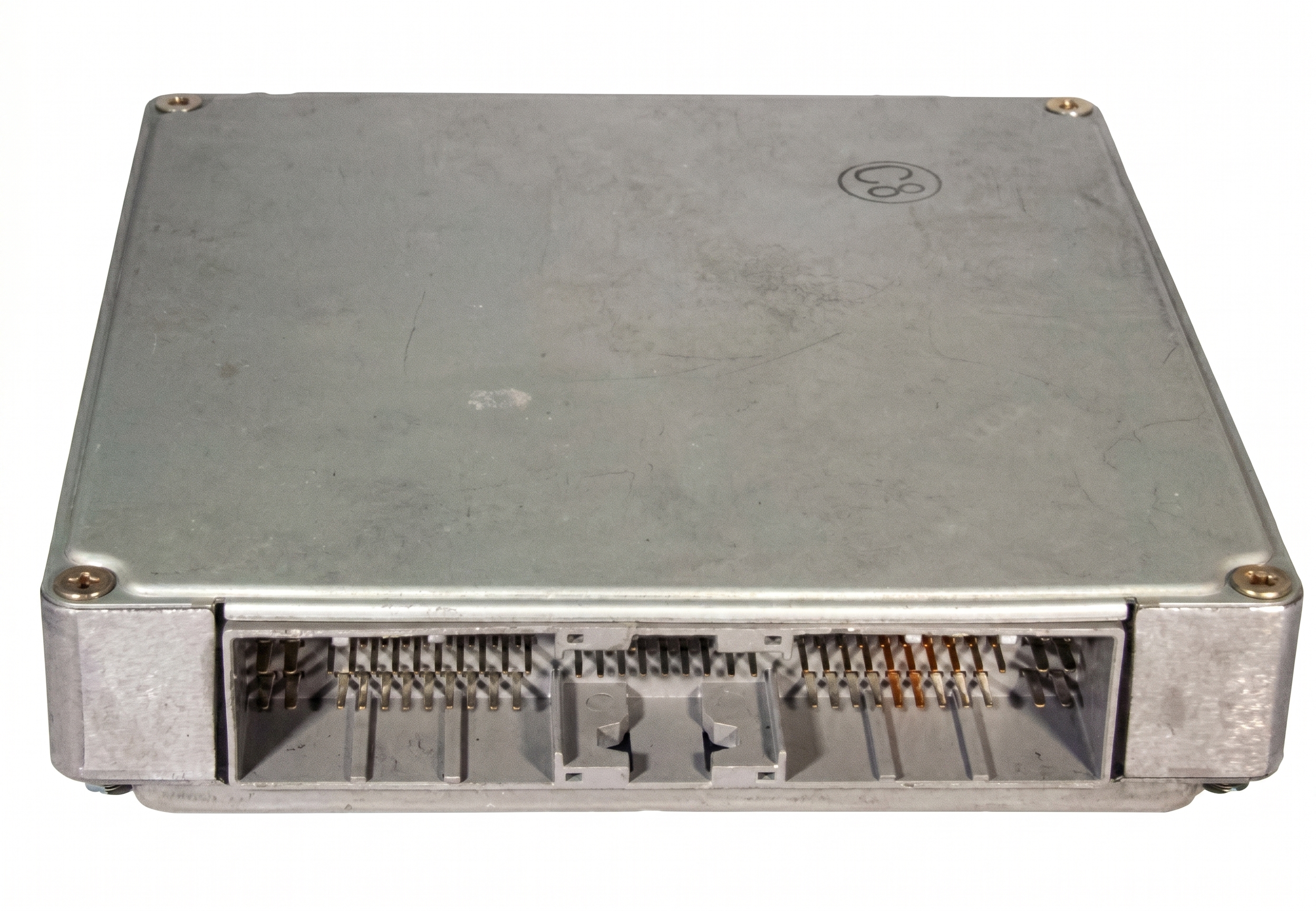
(OEM #Multiple, e.g., 31394157, 31282455. Must match original part number.)— This is the central computer for the body and network. It is a common failure point, often due to water damage. A replacement requires programming.
Trusted brands: Volvo (OEM), XeMODeX (Repair/Cloning Service), Module Repair Pro (Repair Service)
OEM price range: $1000-$1500
Aftermarket price range: $400-$800 (for repair/cloning service)
Related Codes That Often Appear With This One
- Multiple U-codes (e.g., U0100, U0101, U0121, U0140) — A generic scanner might report a loss of communication with many different modules, all stemming from the same root network failure. U0140 (Lost Communication with Body Control Module/CEM) is a particularly strong indicator.
- Various B-codes and C-codes — When modules like the Body Control Module (BCM/CEM) or ABS module lose communication, they will store their own fault codes, which are more specific and useful for diagnosis than U1000. These are the codes that VIDA will report.
Platform-Specific Known Issues
- Water Ingress into CEM: Clogged sunroof drains are the primary culprit. Water backs up, overflows the drain trough in the headliner, runs down the A-pillar, and drips directly onto the CEM behind the glovebox. A leaking windshield cowl seal can also cause this. Regular cleaning of sunroof drains with trimmer line is a critical preventative measure.
- Leaking Rear Washer Fluid Line: A connection for the rear washer fluid line is located under the passenger side A-pillar/glovebox area. This connection can separate or crack, leaking fluid directly onto a CAN bus junction connector, causing severe network faults.
- Parasitic Drain from failed modules: A failing CEM or other modules (like the audio module/amplifier) can fail to go into 'sleep' mode, causing a persistent parasitic battery drain that leads to low voltage and communication faults.
Mechanic-Grade Diagnostic Values
- CAN Bus Network Resistance — expected: Approximately 60 Ohms between CAN-High and CAN-Low pins at the OBD-II port (with battery disconnected).. Failure: A reading of 120 Ohms indicates one of the two terminating resistors (often in the CEM or ECM) is offline. A reading near 0 Ohms indicates a short between the CAN lines.
- CEM Power Supply Voltage (at module) — expected: Consistent battery voltage (~12.6V key off, >13.5V engine running) at the main power input pins.. Failure: Low or fluctuating voltage points to issues with the battery, alternator, or wiring to the CEM, not necessarily the CEM itself.
Hidden / Shadow Codes Worth Checking
- CEM-DE29: Communication with the SCL (Steering Column Lock) module - Signal missing. This is a common code stored in the CEM when there are network issues, often triggered by low voltage. (see via Volvo VIDA or equivalent high-end diagnostic tool.)
- BCM-U014000: Lost Communication With Central electronic module. This is the specific Volvo code that a generic U1000 often represents, indicating the Brake Control Module (BCM) cannot talk to the CEM. (see via Volvo VIDA or equivalent high-end diagnostic tool.)
- CEM-B10A221: Crash Input - General Electrical Failures. This can be stored during a voltage drop event and cause multiple unrelated symptoms, mimicking a larger network failure. (see via Volvo VIDA or equivalent high-end diagnostic tool.)
Scan Tool Commands That Help
- Volvo VIDA: CEM Reload — This function is required after replacing the Central Electronic Module. It downloads vehicle-specific software and configuration from Volvo's servers to the new module, binding it to the car and enabling communication with other modules.
- Volvo VIDA: Network Status Check / Graph — Under the 'Diagnostics' tab, VIDA can display a graphical representation of the CAN bus networks, showing which modules are online (green) and which are offline (red). This is the primary tool for identifying the source of a communication loss.
- Volvo VIDA: Advanced->Read out all DTCs — This command performs a full network sweep and retrieves all stored fault codes from every module, providing the specific, actionable codes instead of a generic U1000.
Wiring & Ground Locations
- Central Electronic Module (CEM) — Located in the passenger compartment, behind the glove box. Access requires removing the glove box assembly.. The CEM is the central gateway for the high-speed and low-speed CAN buses. Its failure or loss of power/ground is a primary cause of total network communication loss. It is also a termination resistor for the network.
- Main Chassis Ground — On the driver's side strut tower, where the negative battery cable connects to the chassis. Other key grounds are on the engine block and near the bulkhead.. Corrosion at this primary ground point creates high resistance, causing voltage drops across the entire vehicle's electrical system and disrupting module communication.
- CAN Bus Junction/Connector Block — Under the passenger side A-pillar trim or behind the glovebox. This is where multiple CAN bus wires branch off to different modules.. This area is vulnerable to water leaks from the sunroof drain or rear washer hose, which can corrode the connector pins and disrupt the entire network.
Documented NHTSA Reports
While U1000 is a generic network code, reports from other manufacturers provide insight into its behavior. For instance, NHTSA ODI #10681194 describes U1000 as a ground harness problem where cleaning battery terminals did not resolve the issue. In another case, NHTSA ODI #11461728 notes that U1000 can represent a lost communication with the TCM, sometimes caused by module overheating due to its physical placement. Furthermore, NHTSA ODI #11727548 describes a systemic U1000 electrical network jam resulting from an unconfigured module, which led to critical failures like disabled airbags.
Real Owner Repair Stories
- MHH Auto forum user (2014 Volvo V60) — Aftermarket key programming was performed. Immediately after, the airbag light and ESP warning came on. A scan revealed 6 faults in the CEM and no communication with the SRS (Airbag) and BCM (ABS) modules.
❌ Tried (didn't work) Checking all fuses., Visually inspecting the CEM for physical damage (none found).
✅ What actually fixed it The issue was determined to be a corrupted software configuration within the CEM caused by the aftermarket (AVDI) key programming tool. The resolution requires a CEM reload using Volvo's official VIDA software to restore the correct configuration and re-establish communication with the other modules. - NHTSA ODI #10171770 — An owner reported that when their vehicle stalled, it lost ignition input; a scan check revealed multiple codes including U1000, U1016, and U1152, eventually requiring an ignition switch replacement.
- NHTSA ODI #10970695 — A report describes a scenario where the instrument cluster had no communication despite power and ground being present, resulting in a U1000 code and a failed CAN system diagnosis.
Model Year Variations Within This Range
- 2014-2018: The 2014 model year facelift introduced new Drive-E four-cylinder engines and a new 8-speed automatic transmission. These models also feature Electrical Power Assist Steering (EPAS). These changes mean the ECM and TCM are different from earlier models, which can alter the diagnostic path for network issues.
- 2014-2018: The infotainment system was upgraded to 'Sensus Connect', which integrates differently with the MOST and CAN networks compared to the earlier Sensus system.
Diagnostic Flowchart
Other Known Issues on This Vehicle
Issues unrelated to this code that are worth knowing about as an owner of this generation:
- Excessive Oil Consumption (5-cyl & 4-cyl Engines) 🔴 High — Common on certain 2012-2016 5-cylinder (I5T) and 4-cylinder (VEP4) turbocharged engines. Can manifest after 50,000 miles. Caused by faulty piston ring design. (Ref: Volvo issued extended warranty programs and TSBs (e.g., TJ29871, P10183, P10186) to address this, involving an oil consumption test and potential piston/ring replacement.)
- Clogged Sunroof Drains Leading to Water Damage 🔴 High — Very common on all P3 platform vehicles with a sunroof, especially if parked under trees. Can happen at any time if drains are not maintained. (Ref: No recall, but it is a widely documented issue. Dealers recommend yearly drain cleaning service.)
- Automatic Transmission Hesitation/Hard Shifting 🟠 Medium — Reported on some Aisin-Warner and Ford Powershift automatic transmissions used in the V60, typically between 60,000 and 100,000 miles. Symptoms include jerky shifts at low speeds. (Ref: No specific recall, but software updates and fluid changes are common first steps. Powershift (6DCT450) models are particularly noted for potential mechatronic and clutch issues.)
- PCV System/Oil Trap Failure 🟠 Medium — The diaphragm in the PCV/oil trap can tear, leading to a loud whistling noise, high oil consumption, and potential for blown engine seals due to excessive crankcase pressure. Common after 60,000-80,000 miles.
- Electronic Parking Brake (EPB) Failure 🟡 Low — Some owners report issues with the electronic parking brake actuators failing, causing the brake to get stuck on or not engage. Occurs more frequently on higher-mileage vehicles.
Used vs. New Parts: Buying Guide for This Vehicle
When a used part is the smart pick: A used Central Electronic Module (CEM) is a viable and cost-effective option ONLY if you use a cloning/data transfer service. This service copies the immobilizer data, VIN, and vehicle configuration from your original failed CEM to the donor unit, making it plug-and-play.
Donor-vehicle mileage cap: roughly under 120000 miles for the part to have meaningful remaining life.
What to inspect on the donor part:
- Ensure the part number on the donor CEM is an exact match to the original, or a confirmed compatible superseded number.
- Inspect the donor unit for any signs of water damage, corrosion on the casing, or bent pins on the connectors.
- Source the part from a vehicle that was not in a flood or had significant electrical fire damage.
OEM-only on this vehicle (don't cheap out):
- New CEM from Dealer: If you cannot find a cloning service or your original CEM is too damaged to read data from, a new CEM must be purchased from a Volvo dealer. It is not a programmable part for independent shops without a VIDA subscription and requires a 'CEM Reload' software download from Volvo's servers.
Aftermarket brands forum-validated for this vehicle:
- XeMODeX: A well-regarded company that offers both repair services for the original CEM and cloning services to a remanufactured unit. They often upgrade components, like the heat sink, to prevent common failures.
- Volvo Diagnostic (UK): Offers CEM cloning and repair services for P3 platform vehicles.
Brands owners have reported issues with on this vehicle:
- Unbranded/generic CEMs from online marketplaces are extremely risky as they cannot be programmed to the vehicle without specialized data transfer from the original unit.
Real Owner Stories
Aggregated from forums and TSBs cited above. Mileages and costs reflect what owners reported in those sources.
2010-2018 Volvo V60
Symptoms: Christmas tree dash lights; the root cause was a leaking rear washer fluid line shorting out the CAN bus connector under the passenger dash.
What fixed it: Repaired the leaking hose connection and cleaned the affected CAN bus connector with electrical contact cleaner.
Source hint: SwedeSpeed Forums: 'Christmas Tree Dash Lights - The Full Saga'
2009 Volvo S40 (P1 platform/CEM similar to V60)
Symptoms: Vehicle went through multiple batteries; diagnosed with a parasitic drain that kills batteries repeatedly.
What fixed it: Replacement of the Central Electronic Module (CEM) and a software download.
Cost: $1300-$1300
Source hint: Volvo Forums: 'Failing CEM'
Related OBD-II Codes
Frequently Asked Questions
My V60 dashboard looks like a Christmas tree with 'Anti-skid service required' and 'ABS' lights. Is this a sensor failure?
I just replaced my V60 battery but the electrical gremlins are still there. Did I miss a step?
Can a sunroof leak really cause a U1000 code on my Volvo?
My V60 infotainment screen keeps rebooting and the gauges drop to zero. Is my instrument cluster broken?
Is there a specific wiring issue I should check for under the passenger dash?
Why does my V60 say 'Low Battery' even though it starts fine?
Helpful Videos

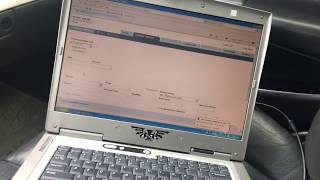
We Have This Part in Stock
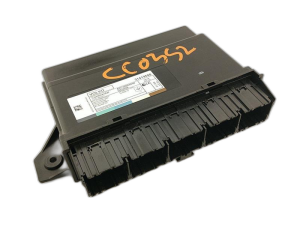

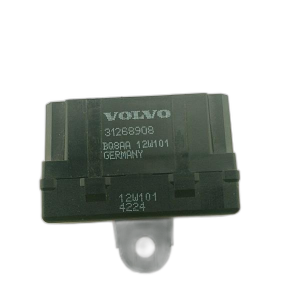
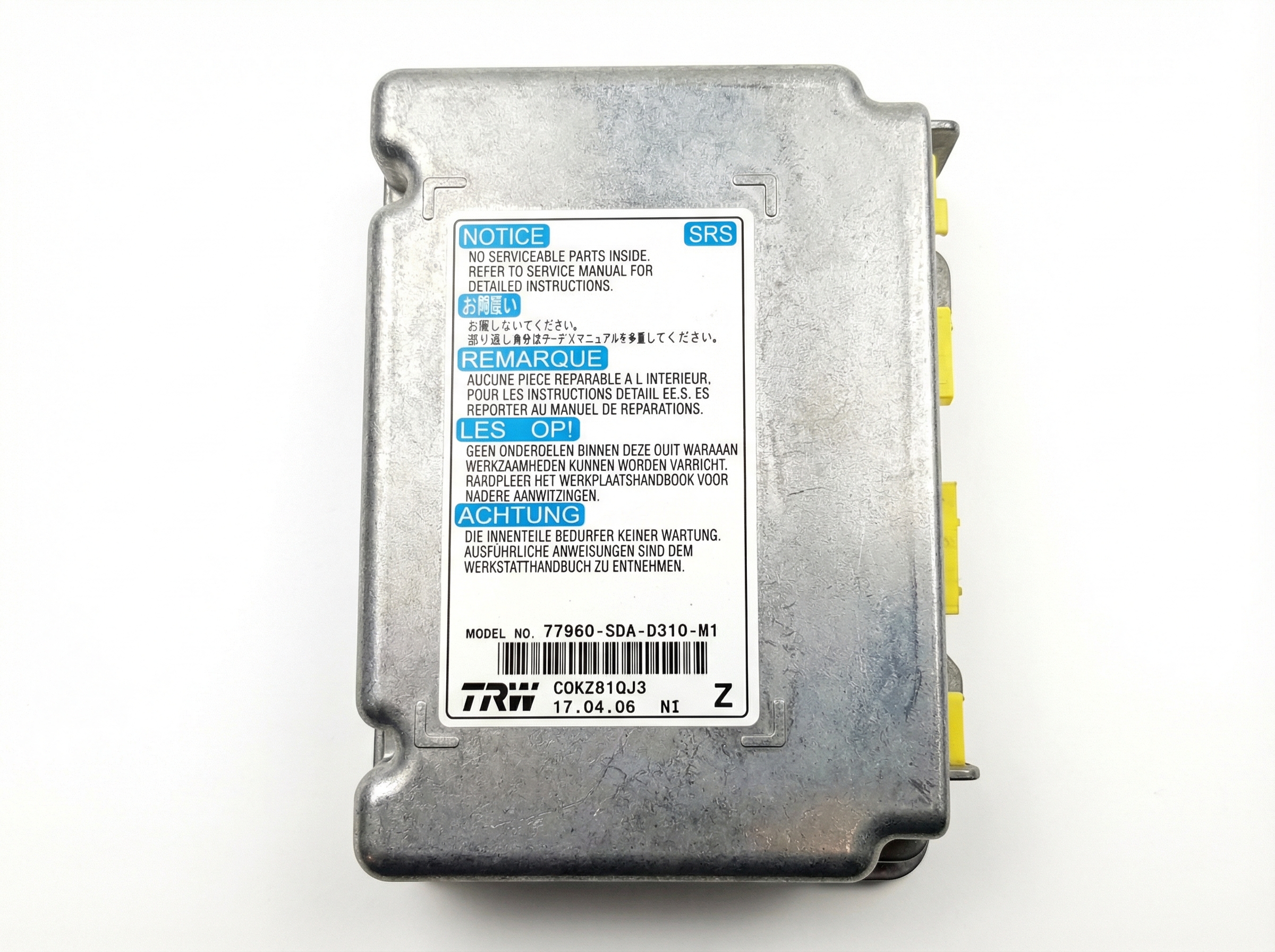

The information in this article is provided for general reference and educational purposes only. Vehicle specifications, procedures, and part compatibility can vary by production date, trim level, and region. Always consult your vehicle's factory service manual and verify part numbers before purchasing or performing repairs. Safety-critical components such as airbags, seat belts, and braking systems should be installed by a qualified professional.
- Volvo V60:
- 🎬 Helpful Videos
- 🛍️ Shop This Part
- What's Unique About the 2010-2018 Volvo V60
- Symptoms You May Notice
- Most Likely Causes
- Rare But Worth Checking
- Diagnosis Steps
- Parts You'll Likely Need
- Related Codes That Often Appear With This One
- Platform-Specific Known Issues
- Mechanic-Grade Diagnostic Values
- Hidden / Shadow Codes Worth Checking
- Scan Tool Commands That Help
- Wiring & Ground Locations
- Documented NHTSA Reports
- Real Owner Repair Stories
- Model Year Variations Within This Range
- Diagnostic Flowchart
- Other Known Issues on This Vehicle
- Used vs. New Parts: Buying Guide for This Vehicle
- Real Owner Stories
- 2010-2018 Volvo V60
- 2009 Volvo S40 (P1 platform/CEM similar to V60)
- Related OBD-II Codes
- Frequently Asked Questions
- 🎟️ Get 5% Off