

U1000 on 2006-2010 Infiniti M45: CAN Communication Failure Causes and Fixes
On a 2006-2010 Infiniti M45, a U1000 code means there's a communication breakdown on the vehicle's internal network (CAN bus). Before suspecting expensive modules, check the battery, its terminals, and key chassis ground points for looseness or corrosion, as these are the most common and cheapest fixes. Low voltage and bad grounds are notorious for causing this code on Nissan and Infiniti vehicles.
- U1000 means a module has stopped communicating on the car's network.
- Always check the battery, terminals, and ground connections first. This is the most common and cheapest fix.
- Do not replace the module that logged the code; it's usually not the one that's broken.
- Proper diagnosis requires an advanced scan tool to identify which module is actually offline.
- This code indicates a moderate issue that can potentially leave you stranded, so it should be addressed promptly.
What's Unique About the 2006-2010 Infiniti M45
For Nissans and Infinitis of this era, CAN communication codes like U1000 are frequently traced back to electrical foundation issues rather than catastrophic module failure. Poor or corroded ground connections are a well-documented weakness. A specific owner on an Infiniti forum resolved a persistent U1000 and VDC/SLIP light issue by locating the AWD control unit under the passenger-side dash, removing it, and cleaning its contact points with sandpaper. Owners often chase this code by replacing expensive modules when the root cause is a simple, high-resistance ground connection or a weak battery causing voltage drops that make modules temporarily drop off the network.
Diagnostic Flowchart
Tap your situation to follow the diagnostic path that matches what you're seeing on this vehicle.
Symptoms You May Notice
- Check Engine Light or Service Engine Soon light is on.
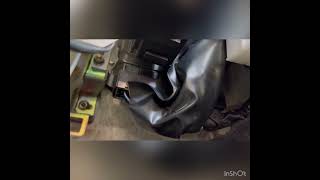
- Multiple other warning lights may appear simultaneously (e.g., ABS, VDC, SLIP, AWD). 🎬 See how to troubleshoot common VDC and slip light issues.
- Transmission may get stuck in a single gear (limp mode).
- Erratic or non-functional gauges on the instrument cluster.
- Engine hesitation, stalling, or failure to start.
- Electrical glitches, like issues with power windows or the HVAC system.
- Inability to get the key out of the ignition.
- Scan tool fails to communicate with any modules.
- Replacing the control module that stored the U1000 code. The TSB ITB10029A specifically states that the module reporting the code is typically operating normally. The fault lies with a different module that has gone silent or with the network wiring itself.
- Replacing the battery without first cleaning and testing the ground connections. A bad ground can prevent a new battery from charging or delivering power correctly, making the new battery appear faulty.
Most Likely Causes
- Weak or Failing Battery 🔴 High Probability Low system voltage (below 10V-12V) during startup or operation can cause sensitive electronic modules to temporarily drop off the CAN network. Infiniti TSBs explicitly mention low voltage as a potential cause for CAN codes.
How to confirm: Test the battery with a multimeter or a load tester. A healthy, fully charged battery should read approximately 12.6 volts. Check for voltage below 12.0V or a significant drop during cranking. Many experts recommend replacing any battery older than 5 years as a preventative measure.
Typical fix: Recharge or replace the battery. Ensure the new battery meets or exceeds OEM specifications.
Est. part cost: $150-$300 - Corroded or Loose Battery Terminals/Ground Straps 🔴 High Probability Nissan and Infiniti vehicles of this period are known for having ground points that can corrode over time, creating high resistance in the electrical system. This includes the main battery ground cable, engine-to-chassis grounds, and even smaller grounds for specific modules.
How to confirm: Visually inspect the battery terminals for corrosion (white or greenish buildup). Follow the main negative battery cable (P/N 24080-EH100) to its connection point on the chassis and engine block; check for rust, looseness, or fraying. Perform a voltage drop test across ground connections; a reading over 0.2 volts indicates a problem.
Typical fix: Disconnect the battery (negative first), thoroughly clean the terminals and cable ends with a wire brush down to bare metal, and re-tighten securely. Applying dielectric grease can prevent future corrosion. Replace the entire ground cable assembly if it is frayed or internally corroded.
Est. part cost: $5-$250 - Faulty Control Module 🟡 Medium Probability Any module on the network (ECM, TCM, BCM, ABS, AWD controller) can fail internally, causing it to stop communicating and trigger a U1000 code in other modules. One owner on Infiniti Scene traced their U1000 to a bad contact at the AWD control unit under the passenger dash.
How to confirm: This requires an advanced scan tool (like Nissan's CONSULT-III) to perform a CAN system diagnosis and identify which specific module(s) are not responding. A technician will then test power, ground, and CAN resistance at the non-communicating module's connector before condemning the part.
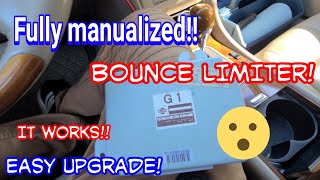
Typical fix: Replace the faulty module. This often requires programming the new module to the vehicle. 🎬 Watch this walkthrough on how to swap a control module.
Est. part cost: $200-$1500+ - Damaged CAN Bus Wiring or Connectors ⚪ Low Probability Wiring can be damaged by moisture intrusion, physical abrasion, or rodents, causing a short or open in the CAN circuit. Connectors can also become corroded or have pins back out.
How to confirm: Visually inspect harnesses for damage. A technician would use a multimeter to check for the correct resistance (approximately 60 ohms) between CAN High (Pin 6) and CAN Low (Pin 14) at the DLC connector with the battery disconnected. A reading of 120 ohms suggests an open circuit or an issue with a terminating resistor, while a reading below 60 ohms suggests a short.
Typical fix: Repair the damaged section of the wiring harness or clean/replace the corroded connector.
Est. part cost: $10-$500
Rare But Worth Checking
- Oil Contamination on Grounds/Alternator:
Diagnosis Steps
- Check Battery Health: Start with the basics. Ensure the battery is fully charged (12.6V+) and passes a load test. Low voltage is a primary cause of communication codes.
- Inspect Battery Terminals and Grounds: Clean any corrosion from the battery posts and terminals. Trace the negative cable (P/N 24080-EH100) to its chassis and engine ground points. Ensure they are clean, tight, and free of rust or oil contamination.
- Perform a Full System Scan: Use an advanced OBD-II scanner capable of CAN diagnosis (like Nissan CONSULT-III). Perform a network scan or 'CAN Diag Support Monitor' to get a list of all modules that are and are not communicating. Note which modules are showing a 'Current' vs. 'Past' error.
- Identify the Offline Module: The scan results will point to the module(s) that are not responding (often highlighted in red on a CONSULT tool). This is your primary suspect.
- Inspect the Suspect Module's Connections: Locate the non-communicating module (e.g., AWD controller under passenger dash). Visually inspect its electrical connector for corrosion, moisture, or pushed-out pins. Check for good power and ground at the module's connector using a multimeter.
- Test the CAN Circuit: If the module's power and ground are good, test the CAN wiring. With the battery disconnected, measure the resistance between the CAN High (Pin 6) and CAN Low (Pin 14) at the vehicle's OBD-II port. A reading of approximately 60 ohms indicates the main circuit and terminating resistors are intact. A reading of 120 ohms suggests an open circuit, and a reading near 0 ohms suggests a short.
Parts You'll Likely Need
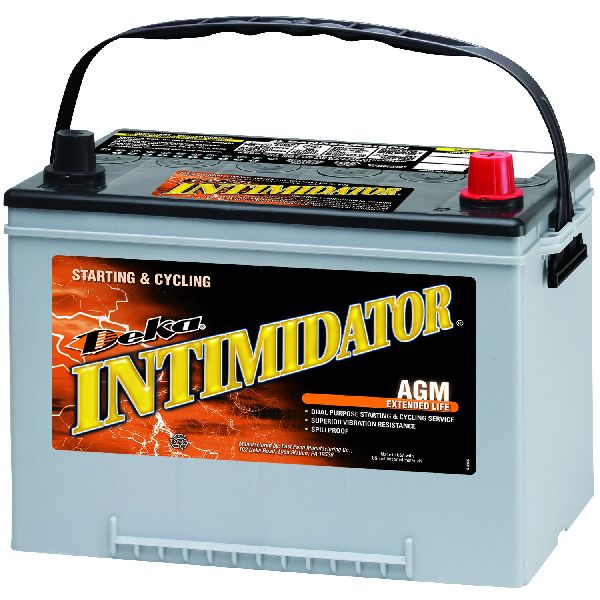
- Battery — Low system voltage from a weak battery is a very common trigger for CAN communication faults on this platform.
Trusted brands: Interstate, DieHard, Bosch
OEM price range: $200-$350
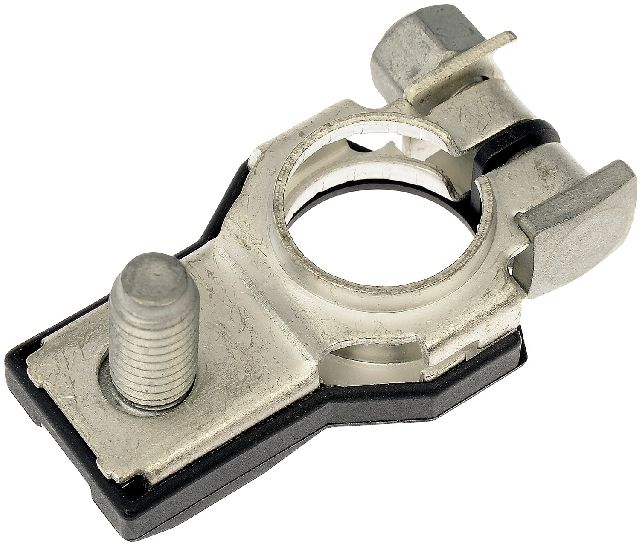
Aftermarket price range: $150-$300 - Negative Battery Cable / Ground Strap
(OEM #24080-EH100)— The factory ground strap is a known weak point. It can corrode internally or at its connection points, creating high resistance that disrupts module communication.
Trusted brands: Infiniti OE
OEM price range: $50-$100
Aftermarket price range: $25-$60
Related Codes That Often Appear With This One
- U1001 — This is another CAN communication code, often stored alongside U1000. It points to the same type of network communication failure and is often related to the ECM.
- Various P, B, or C codes — When a specific module (like the TCM or ABS controller) goes offline, the ECU will also log codes related to the functions that module controls, as it can no longer receive data from it. TSBs advise diagnosing the U1000/U1001 codes first.
Technical Service Bulletins (TSBs) & Recalls
- ITB10029A: States that when a module reports a U1000 code, it is typically operating normally and the communication error is external to that module on the CAN network. It provides a diagnostic workflow using the CONSULT-III tool.
- ITB13-006a: A broader CAN diagnostic bulletin that reinforces the rule to always diagnose communication codes like U1000 first. It also notes that low voltage (less than 10V) can cause various modules to stop communicating.
Platform-Specific Known Issues
- Per TSB ITB10029A and ITB13-006a, it is critical to diagnose communication codes (U1000, U1001) first before addressing any other DTCs. The bulletin emphasizes that the module reporting U1000 is usually not the one that has failed.
- A real-world fix reported on InfinitiScene involved an owner with persistent VDC/SLIP lights and a U1000 code. The solution was to access the AWD control unit located under the passenger side dash, disconnect it, and clean the electrical contact points with sandpaper to restore proper communication.
Mechanic-Grade Diagnostic Values
- CAN Bus Network Resistance — expected: ~60 Ω. Failure: A reading of ~120 Ω indicates an open circuit or missing terminating resistor. A reading significantly below 60 Ω indicates a short circuit. A reading of ~40 Ω may indicate an unintended third terminating resistor on the network.
- Battery Voltage (Engine Off) — expected: 12.6V or higher. Failure: A reading below 12.4V indicates a discharged battery; below 12.0V suggests a deeply discharged or faulty battery that can cause modules to drop off the network.
- Battery Voltage (Cranking) — expected: 9.6V or higher. Failure: A drop below 9.0V during cranking can cause voltage-sensitive modules to reset or fail to initialize, triggering a U1000 code.
- Charging System Voltage (Engine On) — expected: 13.2V - 14.8V. Failure: Voltage below 13.2V indicates an undercharging condition (bad alternator/regulator). Voltage above 14.8V indicates an overcharging condition. Both can cause electrical faults and communication codes.
Hidden / Shadow Codes Worth Checking
- Hidden Infotainment Diagnostic Menu: The vehicle has a non-documented diagnostic mode accessible via the center console controls. This menu can display AV system self-diagnosis results and a communication log, which can help identify intermittent breaks in CAN communication that affect the AV, NAVI, and other related units. (see via Start the engine. Turn the audio system OFF. Press and hold the 'SETTING' button while rotating the volume knob approximately 30 clicks clockwise or counter-clockwise. Use the 'BACK' button to navigate.)
Scan Tool Commands That Help
- Nissan/Infiniti CONSULT-III or newer: CAN Diagnosis Support Monitor — This is the primary and most crucial function for diagnosing a U1000 code. It performs a live 'roll call' of all control units on the CAN network and displays which ones are communicating ('OK') and which are not ('NG' - No Good). This immediately identifies the silent module that is the source of the problem.
- Nissan/Infiniti CONSULT-III or newer: Self-Diagnostic Results — After identifying the non-communicating module, this function is used to check for any specific internal fault codes stored within that module once communication is restored, which can help determine if the module itself has failed or if the issue was purely a connection/wiring problem.
- Nissan/Infiniti CONSULT-III or newer: ECU/TCM Reprogramming/Configuration — This is required after replacing a major control unit like the ECM, TCM, or BCM. The new module must be programmed with the vehicle's VIN and configured to work with the other modules on the network.
Wiring & Ground Locations
- ECM (Engine Control Module) — Behind the right side of the dashboard, accessible after removing the glove box.. The ECM is a primary CAN bus module. A bad connection or faulty ground for the ECM can disrupt the entire network.
- TCM (Transmission Control Module) — Mounted on the same bracket as the ECM, behind the right side of the dashboard.. Loss of communication with the TCM is a common cause of U1000 and will put the vehicle into limp mode.
- BCM (Body Control Module) — Located behind the glove box.. The BCM controls many body and security functions and communicates constantly on the CAN bus. A BCM failure or connection issue can cause widespread, seemingly unrelated electrical symptoms along with a U1000.
- AWD Control Unit — On the passenger side, under the dashboard, accessible by removing the cover under the glove compartment.. On AWD models, this module can lose communication due to poor pin contact, triggering a U1000 code along with VDC/SLIP lights.
- IPDM E/R (Intelligent Power Dist. Module Engine Room) — Located in the right rear of the engine compartment.. This 'smart fuse box' can fail internally, causing a loss of power to other modules and resulting in a U1000 code and potential no-start conditions.
- Under-Dash Ground Points — Multiple grounding points are located under the dashboard, with some being notoriously difficult to access without removing the dash assembly.. Corrosion or looseness at these hidden grounds is a known cause of intermittent U1000 codes that can be very difficult to diagnose.
Real Owner Repair Stories
- Infiniti Scene Forum User (Infiniti FX45 (similar platform and electronics to M45)) — VDC OFF and SLIP warning lights, U1000 and C1204 error codes.
❌ Tried (didn't work) Not specified, but the user was targeting a specific fix.
✅ What actually fixed it The owner located the AWD control unit under the passenger-side dash, disconnected it, cleaned the electrical contact pins, and reconnected it. This resolved the contact issue that was causing the communication codes. - Infiniti Scene Forum User (Infiniti M-series) — Intermittent 'Service Engine Soon' light with code U1000.
❌ Tried (didn't work) Clearing the code (it would return periodically)., Having the dealer check for the code at service intervals.
✅ What actually fixed it The root cause was diagnosed by a master tech as two corroded grounding points located up underneath the dashboard, which are almost impossible to access without removing the entire dash. The owner opted not to perform the expensive ($1000 quoted) repair, but the diagnosis confirms a known, difficult failure point.
"I Checked Everything" — The Actual Cause
- A common scenario for a U1000 code is that all standard electrical tests (power, ground, resistance at a module's connector) check out fine, leading a technician to condemn the module itself. However, the actual cause can be poor pin fitment or light corrosion on the connector pins of the module, as seen in the repair story about the AWD control unit. The connection is sufficient for a multimeter to show continuity but not robust enough for high-speed CAN data, a problem that is only solved by physically disconnecting, cleaning, and reconnecting the module.
Model Year Variations Within This Range
- 2008-2010: A significant mid-cycle refresh occurred for the 2008 model year. For the M45, the M45x AWD model was introduced, adding an AWD control module to the CAN network that can be a source of U1000 codes. These later models also feature an updated hard-drive-based navigation system and Lane Departure Prevention system, adding more modules to the network compared to the 2006-2007 models.
- 2006-2007: These pre-refresh models used a DVD-based navigation system and had slightly different interior electronics and lighting (orange vs. the later blue/violet). The M45 was available only in Rear-Wheel Drive. While the fundamental cause of U1000 (grounds, battery) is the same, the specific modules on the network vary slightly from the 2008-2010 models.
Helpful Videos
We Have This Part in Stock

The information in this article is provided for general reference and educational purposes only. Vehicle specifications, procedures, and part compatibility can vary by production date, trim level, and region. Always consult your vehicle's factory service manual and verify part numbers before purchasing or performing repairs. Safety-critical components such as airbags, seat belts, and braking systems should be installed by a qualified professional.
- Infiniti M45:
- 🎬 Helpful Videos
- 🛍️ Shop This Part
- What's Unique About the 2006-2010 Infiniti M45
- Diagnostic Flowchart
- Symptoms You May Notice
- Most Likely Causes
- Rare But Worth Checking
- Diagnosis Steps
- Parts You'll Likely Need
- Related Codes That Often Appear With This One
- Technical Service Bulletins (TSBs) & Recalls
- Platform-Specific Known Issues
- Mechanic-Grade Diagnostic Values
- Hidden / Shadow Codes Worth Checking
- Scan Tool Commands That Help
- Wiring & Ground Locations
- Real Owner Repair Stories
- "I Checked Everything" — The Actual Cause
- Model Year Variations Within This Range
- 🎟️ Get 5% Off