

U1000 on 2008-2013 Infiniti G37: Causes for CAN Communication Circuit Failure
U1000 on a G37 indicates a CAN communication network error. Before suspecting expensive modules, check for a weak battery, poor ground connections (especially battery-to-chassis and specific engine bay points), and blown fuses in the IPDM. These are the most common and cheapest fixes. Always diagnose and clear other stored trouble codes first, as U1000 is often a symptom, not the root cause.
- U1000 means there's a communication breakdown in your car's computer network; the module reporting the code is usually not the one that's broken.
- Always start with the simple fixes: test your battery, and clean and tighten your main ground connections.
- Check for water leaks. Look for a damp passenger floor (BCM issue) and standing water near the battery (IPDM issue), as these are known G37 problems.
- If other trouble codes are present, fix them first. Their resolution might clear the U1000 code automatically.
- This is not a simple code to diagnose. If the basic checks don't work, you will likely need a professional with Infiniti-specific diagnostic tools.
What's Unique About the 2008-2013 Infiniti G37

On the Infiniti G37, the U1000 code is often a frustratingly vague signal that can be triggered by something as simple as low battery voltage during startup. Unlike a specific sensor code, U1000 points to a systemic issue. Owner experiences frequently highlight problems stemming from water intrusion in the battery compartment or passenger footwell (due to clogged sunroof drains), which can corrode wiring or damage the BCM. A common failure point is the sunroof drain grommet at the firewall, which shrinks and clogs, causing water to back up and leak into the cabin, directly onto the BCM. The key takeaway from Infiniti's own service documents is to always diagnose other codes first and treat U1000 as a symptom of a network disruption.
Diagnostic Flowchart

Tap your situation to follow the diagnostic path that matches what you're seeing on this vehicle.
Symptoms You May Notice

- Check Engine Light or Service Engine Soon light is on
- VDC and SLIP warning lights are illuminated
- Transmission gets stuck in one gear or exhibits strange shifting behavior
- Instrument cluster gauges and displays (trip computer, MPG) stop working or reset on every startup
- Climate controls, heated seats, or cruise control become inoperative
- Engine cooling fans run at maximum speed constantly
- No-start or no-crank condition, sometimes with security lights flashing
- Power windows, door locks, and interior lights become inoperative (strong indicator of BCM issue) 🎬 Watch: Diagnosing a no-start caused by water in the BCM.
- Car randomly enters accessory mode after being parked
- Trunk may pop open randomly, or alarm may sound without cause
- Replacing the module that stored the U1000 code without further diagnosis. The TSB explicitly warns that this module is often not the cause.
- Replacing ABS sensors or the ABS actuator when VDC/SLIP lights are on, without first checking for network codes like U1000.
- Replacing the BCM without first fixing the water leak from the sunroof drain. The new module will quickly be damaged as well.
Most Likely Causes

- Low Battery Voltage or Weak Battery 🔴 High Probability Modern electronics are highly sensitive to voltage. A drop during engine cranking is a very common trigger for communication codes across all modern vehicles, including the G37. An Infiniti TSB notes that in low voltage situations (under 10V), different modules will stop communicating at different voltage levels, creating network chaos.
How to confirm: Test the battery with a multimeter; it should read ~12.6V when off and ~14.0-14.7V when running. Perform a load test to check its actual health, as a battery can show good voltage but fail under load.
Typical fix: Recharge or replace the battery. If the battery is over 5 years old, replacement is a strong consideration.
Est. part cost: $150-$300 - Poor Ground Connections 🔴 High Probability Nissan and Infiniti vehicles are noted for having grounding issues as they age. Corrosion on main body or ECM grounds can create electrical resistance and disrupt network signals. Specific problem areas on the G37 include the battery negative-to-chassis ground, grounds near the IPDM, engine block grounds, and even the exhaust ground strap. 🎬 See why the exhaust ground is critical for U1000 codes.
How to confirm: Visually inspect the main ground straps from the battery negative terminal to the chassis and engine block. Look for corrosion (green or white powder) or looseness. A detailed guide on NICOclub shows multiple key grounding points in the engine bay to inspect.
Typical fix: Remove ground connections, clean the contact points and terminals with a wire brush until shiny, apply dielectric grease, and re-tighten securely. Some owners install aftermarket grounding kits to improve connectivity.
Est. part cost: $0-$50 - Damaged Wiring or Corroded Connectors due to Water Intrusion 🟡 Medium Probability Clogged sunroof drains are a well-documented issue on the G37 platform. The front passenger-side drain tube has a small grommet at the firewall that clogs easily, causing water to back up and leak into the passenger footwell, directly onto the Body Control Module (BCM) and its connectors. Water can also collect in the battery compartment, damaging the IPDM (Intelligent Power Distribution Module) and nearby wiring.
How to confirm: Peel back the passenger side carpet and check for dampness or standing water. Inspect connectors on the BCM (located in the passenger footwell, behind the kick panel) for blue or green corrosion. Check the battery compartment for standing water and check connectors on the IPDM.
Typical fix: Fix the source of the leak first. This often involves removing the A-pillar trim and glove box to access the sunroof drain tube, removing the clogged grommet, and either cleaning it or rerouting the drain hose. 🎬 Watch: How to install a sunroof drain repair kit. After fixing the leak, dry out the affected area, clean corroded terminals on the BCM and connectors with contact cleaner, and repair any damaged wires. In severe cases, the BCM harness or the BCM itself may need replacement.
Est. part cost: $10-$500+ - Faulty Control Module (BCM, ECM, TCM, etc.) ⚪ Low Probability While less common than wiring or voltage issues, a module can fail internally, causing it to stop communicating or flood the network with bad data. The BCM is a frequent suspect on the G37, especially if there's a history of water leaks. The IPDM is less complex but can also fail, causing various electrical issues.
How to confirm: This requires advanced diagnostics with a tool like Nissan's CONSULT to see which module is not responding on the network. A technician may also check for proper power, ground, and CAN resistance (~60 ohms between CAN-High and CAN-Low pins) at the suspect module's connector. A DIY check involves disconnecting the battery and checking for ~60 ohms resistance between pins 6 and 14 on the OBD-II port.
Typical fix: Replace the faulty module. A new BCM or ECM will require programming by a dealer or a qualified locksmith to sync with the vehicle's keys and other modules. The IPDM is generally a plug-and-play component, but the part number must match the original.
Est. part cost: $200-$1200
Rare But Worth Checking
- Blown Fuse in IPDM or Fuse Block: A fuse that powers a critical module can cause it to drop off the network. Check all fuses, especially those labeled 'Elec B', 'Ignition', 'BCM', or 'ECM'. There are additional fuses located in the IPDM next to the battery that require removing the battery cover to access.
- Aftermarket Electronics: Improperly installed aftermarket devices (remote start, alarms, audio equipment) can interfere with the CAN bus. A common trigger is tapping into the wrong power source, like the homelink mirror wiring, which can short and disrupt the network. Even high-end integration kits like those from Metra can cause issues if not installed perfectly.
Diagnosis Steps
- Scan ALL Modules: Use a high-quality OBD-II scanner capable of reading codes from all vehicle systems (ECM, TCM, BCM, ABS, etc.). Note all present codes. A simple code reader may only show the U1000 in the ECM while missing crucial codes in other modules.
- Prioritize Codes: Following Infiniti's TSB ITB10029A, diagnose and address all other codes *before* tackling the U1000. Fixing another issue may resolve the U1000 code.
- Check Battery and Charging System: Ensure the battery voltage is above 12.4V with the engine off. Start the engine and confirm the alternator is charging between 14.0V and 14.7V. Perform a load test on the battery. A weak battery is a top cause.
- Inspect Grounds: Locate the main battery ground cable connection to the chassis and the engine-to-chassis ground strap. There are multiple critical ground points in the engine bay. Disconnect, clean all contact surfaces to bare metal, and re-tighten securely.
- Check for Water Intrusion: This is a critical step for the G37. Inspect the passenger footwell carpet for dampness, a sign of a leaking sunroof drain that can damage the BCM. Also check the battery compartment for standing water, which can affect the IPDM.
- Inspect Fuses: Visually inspect all fuses in the interior fuse box and the IPDM (next to the battery). Pay special attention to fuses powering control modules.
- Check Aftermarket Devices: If any aftermarket electronics are installed (stereo, remote start, alarm), inspect their wiring for improper connections. Tapping into CAN bus wires or critical power sources is a common cause of U1000. Disconnect the aftermarket device entirely to see if the code disappears.
- Perform CAN Resistance Test: With the battery disconnected, use a multimeter to measure the resistance between Pin 6 (CAN-H) and Pin 14 (CAN-L) on the OBD-II port. A healthy network should read approximately 60 Ohms. A reading of 120 Ohms indicates a missing terminating resistor or a break in the circuit. A reading below 60 Ohms suggests a short circuit or a faulty module.
- Isolate Modules (Advanced): If the resistance test is abnormal, a technician will disconnect modules one by one from the CAN network to see when the resistance returns to normal. The two terminating resistors (120 Ohms each) are located in the ECM and the IPDM/ER. This process helps pinpoint a faulty module or wiring harness section.
Parts You'll Likely Need
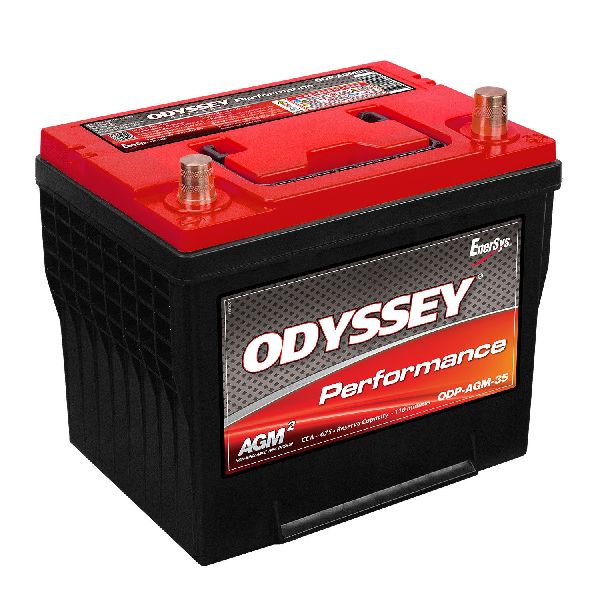
- Battery — Low voltage is a primary cause of communication faults. An aging or weak battery is often the simplest fix.
Trusted brands: Interstate, DieHard, Duralast
OEM price range: $200-$350
Aftermarket price range: $150-$300 - Body Control Module (BCM)
(OEM #284B1-1NC0A, 284B1-1VV0C, 284B1-1EA7D (Part numbers vary significantly by year, model, and features; must match original))— The BCM is a central communication hub and is highly susceptible to damage from water leaks caused by clogged sunroof drains. Its failure can cause a wide range of electrical gremlins along with the U1000 code.
Trusted brands: Genuine Infiniti (OEM)
OEM price range: $600-$1000
Aftermarket price range: $200-$400 (Used/Remanufactured)
Related Codes That Often Appear With This One
- U1001 — This code specifically points to a communication issue with the ECM. It often appears alongside U1000 and reinforces that a network fault exists.
- P0500 — Vehicle Speed Sensor Malfunction. The VSS signal is shared over the CAN network, so a communication breakdown can cause this code to appear.
- P0463 — Fuel Level Sensor Circuit High. The fuel level information is also sent over the CAN bus to the instrument cluster. A network fault can interrupt this signal.
Technical Service Bulletins (TSBs) & Recalls
- ITB10029A - General CAN diagnostic procedure, states U1000 module is usually not the fault.
- NTB13-027a - General Nissan CAN diagnostic flow chart.
Platform-Specific Known Issues
- Clogged sunroof drains are a well-documented problem that leads to water leaking into the passenger side cabin, directly onto the Body Control Module (BCM), causing corrosion and communication failures.
- Clogged cowl drains can cause the battery compartment to fill with water, damaging the IPDM, fuse block, and associated wiring harnesses located there.
Mechanic-Grade Diagnostic Values
- CAN Bus Total Resistance — expected: Approximately 60 Ω. Failure: 120 Ω indicates an open circuit or missing terminating resistor. < 60 Ω indicates a short or faulty module.
- CAN Bus Terminating Resistor Resistance — expected: Approximately 120 Ω. Failure: An open loop or significantly different reading indicates a faulty module.
- CAN Bus Voltage (Key On, Engine Off) — expected: CAN-H: ~2.6V, CAN-L: ~2.4V. Failure: Voltages that are stuck high (e.g., 7.5V), low, or equal to each other indicate a short to power, ground, or between the lines.
- Battery Voltage (System Under Load) — expected: Should not drop below 10.0V. Failure: A significant voltage drop during engine cranking can trigger communication codes.
Scan Tool Commands That Help
- Nissan CONSULT-II / CONSULT-III: Self-Diagnostic Results — This function allows a technician to poll all control units on the network simultaneously and see which ones are reporting communication errors. It is the primary tool for identifying the source module of the U1000 code.
- Nissan CONSULT-II / CONSULT-III: CAN Diagnosis Support Monitor — This provides a live status of which modules are actively communicating on the CAN bus. A technician can use this to see in real-time which module drops off the network, helping to diagnose intermittent faults.
- Nissan CONSULT-III Plus: BCM Reprogramming / Configuration — If the BCM is replaced, this function is required to program the new module to the vehicle, register keys, and configure vehicle options. Failure to do so will result in a no-start condition.
Wiring & Ground Locations

- CAN Terminating Resistors — One is located inside the Engine Control Module (ECM). The second is inside the Intelligent Power Distribution Module / Engine Room (IPDM/ER), located in the battery compartment.. The entire CAN bus relies on having exactly two 120 Ohm resistors to function. If either the ECM or IPDM/ER fails or is disconnected, the bus resistance will be wrong (120 Ohms instead of 60 Ohms), causing communication to fail.
- BCM Connectors M122, M123 — The Body Control Module (BCM) is located in the passenger side kick panel area. Connectors M122 and M123 are two of its main plugs.. These connectors are the primary interface for the BCM. They are highly susceptible to corrosion from water leaking via clogged sunroof drains. Checking pins for power, ground, and CAN signals at these connectors is a key diagnostic step.
- Main Engine/Chassis Grounds — Key ground points are located: on the timing cover, near the coolant reservoir, on both strut towers, and the main negative battery cable to chassis connection.. A corroded or loose ground at any of these points can introduce electrical noise and unstable voltages, directly causing CAN communication errors.
- Exhaust Ground Strap — Connects the exhaust piping to the vehicle chassis, often near the transmission.. The exhaust system can build up static electricity. A missing or corroded ground strap can cause electrical interference that disrupts sensitive modules and sensors (like O2 sensors) on the CAN network, leading to a U1000 code.
Real Owner Repair Stories
- MyG37 forum user (2009 G37x Coupe) — VDC and SLIP lights on, trip computer resetting on every start, U1000 and U1001 codes present.
❌ Tried (didn't work) Checking brake fluid, Replacing brake pads, Checking interior fuses, Disconnecting/reconnecting battery multiple times
✅ What actually fixed it The owner had improperly hardwired a radar detector to the homelink mirror, shorting two wires. The ultimate fix was to remove the faulty wiring, tape up the original wires, and replace a blown 10A fuse in the interior fuse box. - G35Driver forum user (Infiniti G-series sedan) — U1000 code present with drivability issues after installation of aftermarket remote starter, alarm, and radio/nav unit.
❌ Tried (didn't work) Checking and cleaning multiple ground points in the engine bay and battery compartment.
✅ What actually fixed it The issue was caused by an aftermarket transmission grounding wire that was part of a 'grounding kit'. Removing this specific wire resolved the U1000 code. - Reddit user r/G37 (2008 G37 Coupe) — No-crank, no-start condition with U1000 code, flashing security key light.
❌ Tried (didn't work) Replacing IPDM, Trying a new (unprogrammed) ECU, Checking all fuses, Checking engine bay and passenger floorboard grounds
✅ What actually fixed it After being told by multiple mechanics it could be the BCM or a neutral safety switch issue within the transmission, the final diagnosis from a dealer was a simple faulty starter. - YouTube video by 'Less Expensive Fix' (Infiniti G35 (applies to G37)) — U1000 code, radio problems, fuel pump issues after changing the exhaust.
❌ Tried (didn't work) Using a longer, non-OEM ground cable on the exhaust.
✅ What actually fixed it The owner had replaced the exhaust and either forgot to reinstall the exhaust ground strap or used an incorrect one. The fix was to install the correct OEM-style exhaust ground strap, which is necessary to ground the O2 sensors and prevent electrical interference.
When the Usual Fixes Don't Work
- While a faulty module is listed as a 'low probability' cause, there are confirmed repair stories where the ultimate fix was replacing a module, but only after extensive and correct diagnosis. In one case, a no-crank/no-start with a U1000 code was misdiagnosed as a BCM or transmission issue by multiple shops; the dealer eventually found the root cause to be a simple failed starter, which was preventing a 'start' signal from being validated on the network. This highlights the importance of not immediately blaming expensive control units without first ruling out all other possibilities, even basic mechanical ones.
OEM Part Supersession History
284B1-JK62A→N/A, but multiple compatible PNs exist based on year/trim— Part for 2008-2009 models.
Heads up: BCM part numbers are specific to model year ranges and features (e.g., Coupe vs. Sedan, MT vs. AT). For example, 284B1-1NC0A fits 2009-2012 models, while 284B1-1CA7D fits 2011-2013 models. Using the wrong part number can lead to feature loss or total incompatibility. Always match the part number exactly or use a confirmed superseded part.
Model Year Variations Within This Range
- 2008-2009: Early models used a 5-speed automatic transmission. The BCM and TCM logic and part numbers may differ from later models.
- 2010-2013: A mid-cycle refresh occurred in 2010, introducing a 7-speed automatic transmission, a new front fascia, and updated interior electronics/console design. These changes can affect diagnostic procedures for CAN issues related to the TCM and BCM.
- 2011+: Post-2011 models received further refinements, including revised wheel designs and standard Scratch Shield Paint. While mostly cosmetic, some underlying electrical components or software versions may have been updated.
Helpful Videos
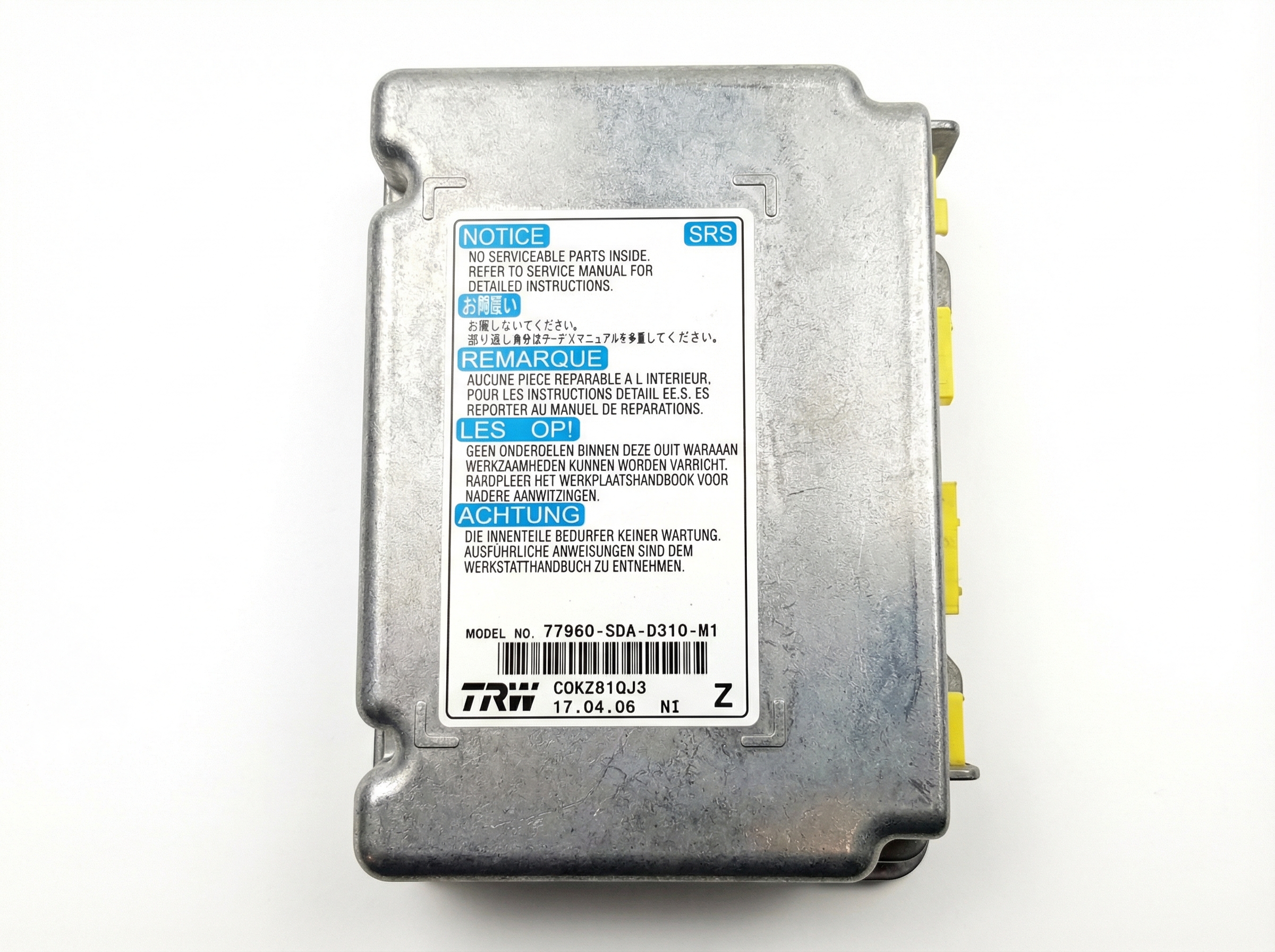
Used OEM Parts in Stock


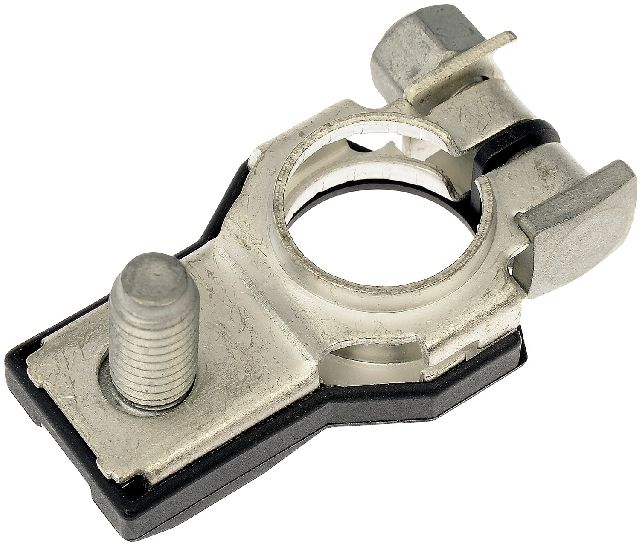
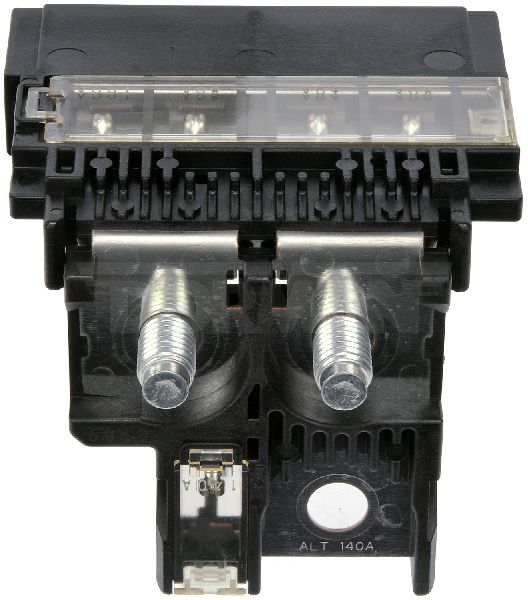
New Aftermarket Parts Available


The information in this article is provided for general reference and educational purposes only. Vehicle specifications, procedures, and part compatibility can vary by production date, trim level, and region. Always consult your vehicle's factory service manual and verify part numbers before purchasing or performing repairs. Safety-critical components such as airbags, seat belts, and braking systems should be installed by a qualified professional.
- Infiniti G37:
- 🎬 Helpful Videos
- 🛍️ Shop This Part
- What's Unique About the 2008-2013 Infiniti G37
- Diagnostic Flowchart
- Symptoms You May Notice
- Most Likely Causes
- Rare But Worth Checking
- Diagnosis Steps
- Parts You'll Likely Need
- Related Codes That Often Appear With This One
- Technical Service Bulletins (TSBs) & Recalls
- Platform-Specific Known Issues
- Mechanic-Grade Diagnostic Values
- Scan Tool Commands That Help
- Wiring & Ground Locations
- Real Owner Repair Stories
- When the Usual Fixes Don't Work
- OEM Part Supersession History
- Model Year Variations Within This Range
- 🎟️ Get 5% Off