

U0452 on 2015-2017 Cadillac Escalade: Causes for Invalid Airbag Module Data
On a 2015-2017 Escalade, code U0452 almost always points to a poor ground connection for the Body Control Module (BCM) at location G218. A dash insulator mat gets trapped under the ground point during factory assembly, causing communication errors with the airbag system. Fixing the ground is a low-cost, high-success repair that often resolves the issue and a host of other seemingly unrelated electrical problems.
- Before buying any parts for a U0452 code on a 2015-2017 Escalade, you must inspect the BCM ground at location G218.
- This code is very often accompanied by a long list of other communication codes; this is a strong indicator of the common G218 ground fault.
- The fix is often free, requiring only basic tools and time to access the ground point under the driver's dash, clean it, and re-secure it.
- Due to the involvement of the airbag system, professional service is recommended if you are not comfortable working around sensitive electrical components.
What's Unique About the 2015-2017 Cadillac ESCALADE
This generation of Cadillac Escalade and its sister GM K2XX platform trucks are known for a specific electrical issue that triggers code U0452 and many others. Manufacturer Technical Service Bulletins (TSBs) point to a poor Body Control Module (BCM) ground at location G218, often caused by a piece of the dash sound insulator getting pinched under the ground terminal during assembly. This single, simple-to-fix issue can cause a cascade of seemingly unrelated electrical problems and communication codes, especially when electrical load increases, such as turning the steering wheel at low speeds.
Diagnostic Flowchart
Tap your situation to follow the diagnostic path that matches what you're seeing on this vehicle.
Symptoms You May Notice
- Airbag warning light illuminated on the dashboard.
- "Service Airbag" or similar message on the driver information center.
- Other seemingly unrelated electrical issues may be present, such as the radio or HVAC display going blank, warnings for the StabiliTrak system, 🎬 Watch this video to see the StabiliTrak warning fix in action. or loss of power steering assist.
- Instrument panel cluster may go blank or gauges may drop to zero intermittently.
- Steering wheel may jerk or kick back when turning at low speeds.
- Engine may stall unexpectedly.
- Replacing the Restraints Control Module (RCM) without first checking the G218 ground. The ground issue is far more common and much cheaper to fix.
- Replacing the Body Control Module (BCM) without first correcting the G218 ground issue.
- Chasing individual symptoms (like replacing a power steering rack) when the root cause is the G218 ground affecting the entire network.
Most Likely Causes
- Poor Body Control Module (BCM) Ground at G218 🔴 High Probability As documented in GM Technical Service Bulletin #PIT5405C, the front dash insulator mat can get trapped between the ground eyelet and the vehicle body at the G218 ground stud, creating a poor connection. This is a well-known factory assembly issue.
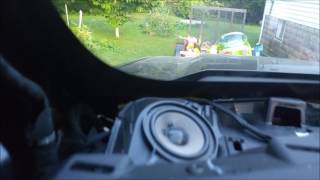
How to confirm: Visually inspect the G218 ground, located under the driver's side of the dashboard, to the left of the steering column, often near the A-pillar and dash speaker. Check if the sound-deadening mat is underneath the ground terminal's eyelet. A loose or cross-threaded 10mm nut can also be the cause. A voltage drop test across this ground point should show less than 200mV (0.2V) under load.
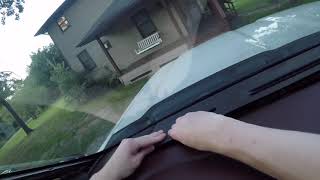
Typical fix: Disconnect the battery. Remove the 10mm nut and pull the ground terminal(s) off the stud. Trim the insulator mat away from the stud, clean the contact surfaces of the eyelet and body with a wire brush or sandpaper, and securely retighten the ground nut. 🎬 Watch: Step-by-step guide to fixing the G218 ground issue. The nut should be torqued to 7 Nm (62 lb-in).
Est. part cost: $0 - Wiring Harness or Connector Issue 🟡 Medium Probability Vibrations, moisture intrusion, or chafing can damage the communication wires (CAN bus) running between the Restraints Control Module and other modules on the network. Connectors under seats are also a common point of failure if disturbed.
How to confirm: Inspect the wiring harnesses connected to the RCM (often under the center console or seats) and BCM for any signs of physical damage, corrosion in the connectors, or loose pins. A multimeter would be needed to check for continuity and resistance in the CAN bus wires. With the battery disconnected, resistance between pins 6 and 14 on the DLC should be 60 ohms.
Typical fix: Repair the damaged section of wire or clean/replace the corroded connector. This can involve splicing in new wire with sealed connectors or simply re-seating a loose connector.
Est. part cost: $10-$50 - Failing Restraints Control Module (RCM) ⚪ Low Probability
How to confirm: This is typically a process of elimination. If all grounds (especially G218) and wiring are confirmed to be good, the module itself is suspect. A high-end scan tool may be able to communicate directly with the module to check its internal status but may fail if the module is faulty. Disconnecting the RCM may restore communication between other modules on the bus, indicating the RCM was corrupting the network.
Typical fix: Replace the Restraints Control Module. The new module must be programmed to the vehicle's VIN and specific configuration using dealer-level software (SPS2).
Est. part cost: $200-$500
Rare But Worth Checking
- Failing Body Control Module (BCM): While less common than the RCM failing for this specific code, a faulty BCM can also be the source of communication errors. If multiple, unrelated systems are malfunctioning and the G218 ground is confirmed to be perfect, the BCM becomes a suspect.
- Low Battery Voltage or Poor Battery Connections: A weak or failing battery can cause unpredictable behavior in various electronic modules, leading to a host of communication codes, including U0452. TSB #PIT5405C specifically calls out checking for a discharged/faulty battery and ensuring battery cable clamp nuts are torqued to 7 Nm (62 lb-in). Always ensure the battery is healthy and connections are clean and tight before diagnosing complex network issues.
Diagnosis Steps
- Perform a full vehicle scan to see what other trouble codes are present. The presence of multiple codes listed in TSB #PIT5405C strongly points to the G218 ground issue.
- Check battery health. Perform a load test and ensure voltage is stable (~12.6V engine off, ~14.2-14.7V running). Clean and tighten battery terminals to the specified 7 Nm (62 lb-in).
- Disconnect the battery negative terminal.
- Locate and inspect the BCM ground at G218. This requires removing the driver's side dash-end trim panel and the lower knee bolster/panel. The ground stud is located to the left of the steering column, near the A-pillar and dash speaker.
- Check for the dash insulator mat being trapped under the ground terminal eyelet, as described in the TSB.
- If the mat is trapped, remove the 10mm ground nut. Carefully trim the mat away from the stud. Use a wire brush or sandpaper to clean the terminal eyelet and the body mounting point to ensure a clean metal-to-metal contact.
- Securely tighten the ground nut. Per TSB #PIT5405C, ensure it is not loose or cross-threaded.
- Reconnect the battery, clear all codes, and perform a drive cycle, including turning the steering wheel at low speeds, to see if the code returns.
- If the code returns, proceed with inspecting the wiring and connectors for the Restraints Control Module (often under the center console) and Body Control Module for damage or corrosion.
- If wiring is confirmed good, professional diagnosis with an OEM-level scan tool is recommended to test the functionality of the individual modules.
Parts You'll Likely Need
- No Parts Needed (Ground Repair) — The most common cause is a poor ground connection that only requires labor to access, clean, and secure.
OEM price range: $0
Aftermarket price range: $0 - Restraints Control Module (Airbag Module)
(OEM #13518044 (supersedes 13512417, 13589607, 13590210, 13591877, 13592880, 13594402), 13552064)— If the module has failed internally after wiring and grounds have been ruled out, it will need to be replaced and programmed. Part number can vary by specific vehicle options.
Trusted brands: ACDelco (GM Original Equipment)
OEM price range: $350-$500
Aftermarket price range: $200-$350
Related Codes That Often Appear With This One
- U0073 — Control Module Communication Bus 'A' Off
- U0140 — Lost Communication With Body Control Module
- U0121 — Lost Communication With Anti-Lock Brake System (ABS) Control Module
- C0800 — Device Power #1 Circuit Malfunction
- U0428 — Invalid Data Received From Steering Angle Sensor Module
- P0513 — Incorrect Immobilizer Key
- C0544 — Indicates an issue with the steering system, often triggered by the network problems.
- U0100 — Lost Communication with ECM/PCM, also listed in the G218 TSB.
Technical Service Bulletins (TSBs) & Recalls
- PIT5405C: The most definitive TSB, which lists U0452 among many other codes caused by the poor BCM ground at G218. It provides the full context, list of symptoms, and repair procedure.
- PIT5405B: An earlier version of the same bulletin, also pointing to the G218 ground as a primary cause for code U0452 and other communication faults.
- 20-NA-155: A related TSB that discusses how calibration errors in the Power Steering Control Module (PSCM) can cause similar symptoms, though G218 is the more common root cause.
Platform-Specific Known Issues
- A widespread issue documented in GM TSB #PIT5405C involves the front dash insulator mat being trapped between the Body Control Module's G218 ground eyelet and the body, causing a poor ground and a multitude of communication DTCs, including U0452.
- Symptoms related to the G218 ground fault are often exacerbated by increased electrical load, such as turning the power steering at low speeds or activating multiple accessories at once.
Mechanic-Grade Diagnostic Values
- High-Speed CAN Bus Resistance — expected: 60 Ohms (± 5 Ohms). Failure: A reading of ~120 Ohms indicates an open circuit or missing terminating resistor. A reading below 55 Ohms suggests a short between CAN lines or an extra resistor on the network.
- CAN Bus Voltage (Key On, Engine Off, Bus Idle) — expected: CAN High (Pin 6) and CAN Low (Pin 14) should both be at approximately 2.5 Volts.. Failure: Significant deviation from 2.5V on either line at idle indicates a short to power or ground, or a faulty module.
- G218 Ground Voltage Drop — expected: Less than 200 mV (0.2 V). Failure: A reading higher than 200 mV while the system is under electrical load (e.g., turning the steering wheel) indicates high resistance at the ground point.
- RCM Ground Strap Resistance — expected: Under 0.1 Ohms. Failure: A reading higher than 0.1 Ohms indicates a poor ground connection for the module itself.
Hidden / Shadow Codes Worth Checking
- U0452-71: Invalid Data Received From Restraints Control Module - Invalid Serial Data Received. The '-71' is a GM-specific symptom byte indicating the data received is not what was expected. This points more specifically to a data corruption issue on the bus, often caused by a bad ground or a faulty module. (see via Requires a professional scan tool capable of reading GM-specific codes, such as the GM MDI with GDS2 software.)
Scan Tool Commands That Help
- GDS2 (GM Global Diagnostic System 2): Vehicle DTC Information > Display DTCs — This is the first step to see all codes set across all modules. A long list of 'U' codes points towards a network-wide issue like the G218 ground.
- GDS2 (GM Global Diagnostic System 2): Module Diagnostics > [Module Name] > Data Display — To view live data from a specific module (like the BCM or RCM) to see if it is online and reporting sensible values.
- GDS2 (GM Global Diagnostic System 2): Isolating a faulty module — If the CAN bus resistance checks out (60 ohms) but communication is still faulty, a module may be corrupting the bus when powered on. Use GDS2 to monitor network status while disconnecting modules one-by-one (by pulling fuses or unplugging them) until communication with the remaining modules is restored.
Wiring & Ground Locations
- G218 — Under the driver's side dashboard, to the left of the steering column, near the A-pillar and dash speaker. Requires removal of the dash side panel and lower knee bolster for access.. This is the primary ground for the Body Control Module (BCM). High resistance here due to a trapped insulator mat is the number one cause of U0452 and a host of other network codes on this platform, as documented in TSB PIT5405C.
- RCM (Restraints Control Module) — Typically located under the center console, bolted to the floor, forward of the center console storage area.. This is the module sending the data that is being flagged as invalid. While often not the root cause, its connectors and ground integrity must be checked if the G218 ground is confirmed good.
- CAN Bus Terminating Resistors — Two 120-ohm resistors are located at the physical ends of the network. On this platform, they are typically internal to the Electronic Brake Control Module (EBCM/ABS Module) and the Restraints Control Module (RCM).. The presence of both resistors is what creates the stable 60-ohm resistance of a healthy CAN bus. If one of these modules fails or is disconnected, the bus resistance will jump to 120 ohms, causing communication failures.
Real Owner Repair Stories
- YouTube user Dustin Turner, channel 'dpturner486' (2014 Chevrolet Silverado (same K2XX platform)) — Headlights and dash lights flickering/dimming, especially when turning or braking. Eventually progressed to the truck shutting off completely when turning the wheel at low speeds, with 'Park Assist Disabled' and 'Power Steering Disabled' messages.
❌ Tried (didn't work) Had the battery and alternator tested, both were confirmed to be good.
✅ What actually fixed it The problem was the G218 ground on the driver's side. The sound deadening material was trapped under the ground nut. The user pulled the material away, cleaned the connection, and tightened the nut, which completely resolved all electrical issues.
"I Checked Everything" — The Actual Cause
- A common diagnostic trap is visually inspecting the G218 ground nut and finding it tight, then assuming the ground is good. The actual failure is high resistance caused by the non-conductive dash insulator mat being sandwiched between the ground eyelet and the body. This fault won't be found with a visual check or a simple continuity test; it requires a voltage drop test under load to identify the resistance.
OEM Part Supersession History
13512417, 13589607, 13590210, 13591877, 13592880, 13594402→13518044— Standard part revision and consolidation by the manufacturer.
Heads up: This module is not plug-and-play. It requires online programming using GM's SPS2 (Service Programming System) software to load the correct calibration for the vehicle's specific VIN and options. Failure to program the module will result in a no-start condition or continued communication faults.
Model Year Variations Within This Range
- 2015: A mid-year change occurred in 2015. Early production models ('15) used a 6-speed automatic transmission (6L90E), while later models ('15.5' or '15i') were equipped with the new 8-speed automatic (8L90E). This also coincided with an update to the Cadillac crest emblem on the grille.
- 2016: For 2016, Cadillac added Lane Keep Assist to the Driver Awareness Package and made other minor trim and color option changes. The core electrical architecture related to the BCM/RCM and the G218 ground issue remained the same as the 2015 model.
Helpful Videos


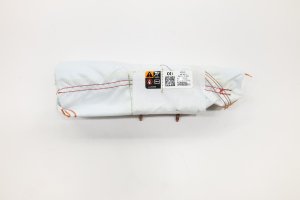
Used OEM Parts in Stock



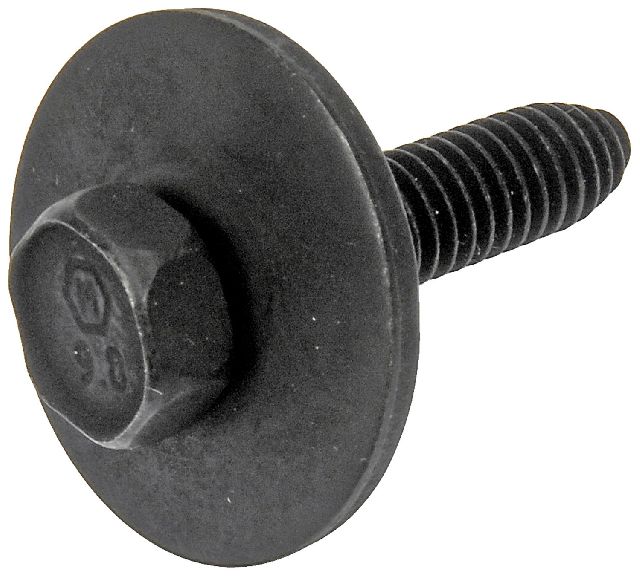
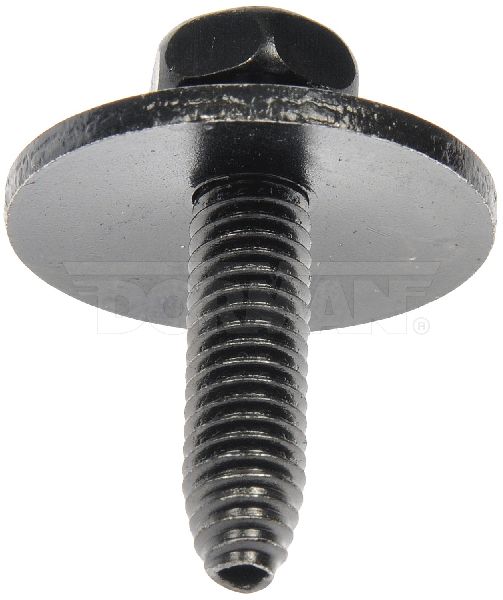
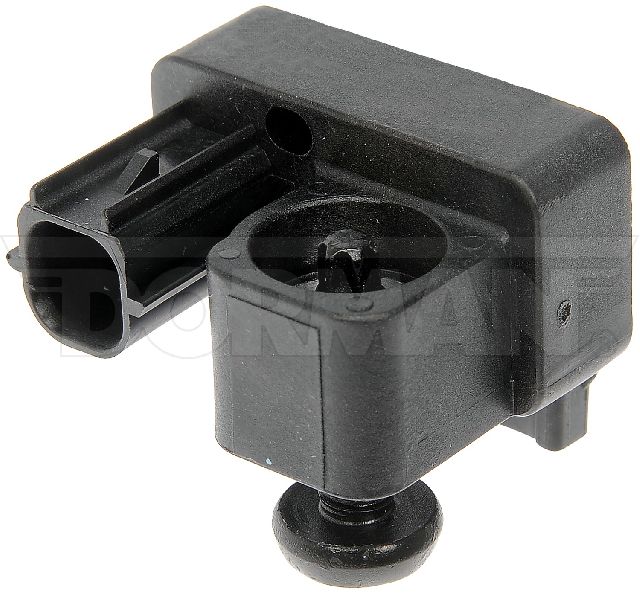
New Aftermarket Parts Available


The information in this article is provided for general reference and educational purposes only. Vehicle specifications, procedures, and part compatibility can vary by production date, trim level, and region. Always consult your vehicle's factory service manual and verify part numbers before purchasing or performing repairs. Safety-critical components such as airbags, seat belts, and braking systems should be installed by a qualified professional.
- Cadillac ESCALADE:
- 🎬 Helpful Videos
- 🛍️ Shop This Part
- What's Unique About the 2015-2017 Cadillac ESCALADE
- Diagnostic Flowchart
- Symptoms You May Notice
- Most Likely Causes
- Rare But Worth Checking
- Diagnosis Steps
- Parts You'll Likely Need
- Related Codes That Often Appear With This One
- Technical Service Bulletins (TSBs) & Recalls
- Platform-Specific Known Issues
- Mechanic-Grade Diagnostic Values
- Hidden / Shadow Codes Worth Checking
- Scan Tool Commands That Help
- Wiring & Ground Locations
- Real Owner Repair Stories
- "I Checked Everything" — The Actual Cause
- OEM Part Supersession History
- Model Year Variations Within This Range
- 🎟️ Get 5% Off