

U0418 on 2021 Dodge Charger: Invalid Brake Module Data Causes & Fixes
On a 2021 Dodge Charger, code U0418 indicates a communication problem with the brake system. The most common causes are a software glitch requiring a dealer update, a weak battery, or a wiring issue. Do not immediately replace the expensive ABS module without first checking for software updates and testing the battery, as low voltage is a documented cause.
- U0418 is a serious network communication code related to the brake system; have it diagnosed promptly.
- Before considering expensive hardware, check for software updates. A trip to the dealer for a PCM flash is a very common and relatively inexpensive fix.
- Thoroughly test the battery and charging system, as low voltage is a known cause for this code on Dodge vehicles.
- If software and battery are good, a careful inspection of the wiring harness to the ABS module is the next logical step.
What's Unique About the 2021-2021 Dodge CHARGER
On modern Dodge platforms like the 2021 Charger (LD Platform), numerous control modules are interconnected on a CAN bus network. A problem in one area can trigger a cascade of fault codes in others. The NHTSA Technical Service Bulletin (TSB) #18-012-22 lists U0418 alongside a host of other 'Implausible Data' codes, indicating that a single root cause, often software-related, can cause widespread communication faults. Another TSB for similar FCA vehicles, #18-078-22, explicitly notes that this code can be set erroneously by a low battery (below 10 volts), highlighting the platform's extreme sensitivity to voltage fluctuations.
Diagnostic Flowchart
Tap your situation to follow the diagnostic path that matches what you're seeing on this vehicle.
Symptoms You May Notice
- ABS warning light is on
- Traction control or Electronic Stability Control (ESC) light is on
- Check Engine Light (MIL) is on
- "Service ABS System" or similar message on the instrument cluster
- Cruise control may be disabled or not work
- "Service 4WD" or other system warnings may appear on the dash
- Replacing the ABS module when only a software update was needed.
- Replacing wheel speed sensors, which typically generate their own specific codes (e.g., C0031, C0034) and are not the primary cause of a U0418 communication code.
Most Likely Causes
- Software Glitch / Update Required 🔴 High Probability Multiple TSBs for FCA vehicles, including TSB #18-012-22 for the 2021 Charger, indicate that software updates are a common fix for a wide range of communication codes, including U0418. These updates correct logic errors in the modules that can lead to misinterpretation of valid data.
How to confirm: A dealer or qualified shop with a wiTECH scan tool can check the current software calibration ID of the PCM and other modules against the latest available versions listed in the TSBs.
Typical fix: Reprogram the Powertrain Control Module (PCM) or other relevant modules with the latest software, a procedure often referred to as 'flashing'.
Est. part cost: $0 - Low Battery Voltage or Charging System Issue 🟡 Medium Probability Modern vehicles are highly sensitive to voltage. TSB #18-078-22 for a related FCA vehicle explicitly states that DTC U0418 can be set erroneously due to a low battery (below 10 volts). Forum users on r/Charger have also confirmed that a dying or loose battery can cause a sudden onset of ABS and traction control warnings.
How to confirm: Test the battery with a digital multimeter and a load tester. Voltage should be ~12.6V with the engine off and 13.5V-14.5V when running. A simple voltage check is not enough; a load test is required to confirm battery health.
Typical fix: Charge or replace the vehicle's battery. Ensure battery terminals are clean and tight. In some cases, a full reset by disconnecting the battery for 30 minutes may be required after replacement.
Est. part cost: $150-$350 - Wiring or Connector Issue 🟡 Medium Probability Wiring harnesses can be subject to chafing, corrosion, or damage. Chrysler's internal service documents S2108000188 and S2108000074 describe issues with damaged or incorrectly routed wiring, and document S2008000062 points to loose CAN-Bus connectors under the dash as potential causes.
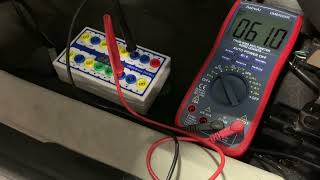
How to confirm: Visually inspect the wiring harness and connectors going to the ABS module for any signs of damage, corrosion, or looseness. Check for loose connectors under the dash. A multimeter can be used to check for continuity and resistance on the CAN bus wires (should be around 60 Ω between CAN High and CAN Low). 🎬 Watch: How to test CAN bus resistance with a multimeter.
Typical fix: Repair the damaged wire or clean and secure the affected connector. Dielectric grease can be used to protect the connection.
Est. part cost: $5-$50 - Failing ABS Control Module ⚪ Low Probability While less common than software or wiring issues, the ABS module can fail internally. These failures are often due to internal solder joint fractures or electronic component degradation over time.
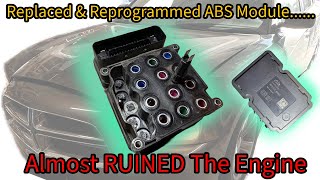
How to confirm: This is typically a diagnosis of exclusion. If software is up-to-date, the battery is good, and all wiring has been verified, the module itself is the likely suspect. A high-end scan tool may show the module is offline, failing self-tests, or reporting internal fault codes like C2200. 🎬 See this walkthrough on replacing and programming the ABS module.
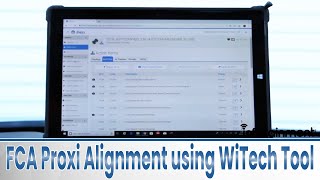
Typical fix: Replace the ABS control module. The new module must be programmed to the vehicle's VIN and a 'Proxy Alignment' procedure must be performed with a capable scan tool to integrate it with the other vehicle modules. 🎬 Watch: Step-by-step tutorial on performing a Proxi Alignment.
Est. part cost: $500-$1200
Diagnosis Steps
- Check for any applicable Technical Service Bulletins (TSBs) for your vehicle's VIN, paying close attention to TSB #18-012-22.
- Perform a full vehicle scan with a diagnostic tool capable of reading all modules (like wiTECH). Record all stored codes.
- Thoroughly test the battery's state of charge and health with a load tester. Per TSB #18-078-22, system voltage dropping below 10V can trigger this code.
- Inspect the battery terminals and main ground connections for cleanliness and tightness.
- Visually inspect the wiring harness and connectors for the ABS module, looking for any obvious damage, corrosion, or loose connections.
- If possible, use a dealer-level scan tool to verify if a software update is available for the PCM or ABS module.
- If software is current and wiring is intact, use the scan tool to monitor live data from the ABS module to look for irregularities.
- If all other steps fail to identify the issue, the ABS control module may be faulty and require replacement, programming, and a Proxy Alignment.
Parts You'll Likely Need
- ABS Control Module
(OEM #68258639AA, 68435852AF, 68258644AA, 68399772AF)— If software, battery, and wiring issues are ruled out, the module itself is the most likely hardware failure. It is the source of the data mentioned in the code definition. Note that multiple part numbers exist depending on vehicle options like adaptive cruise control.
Trusted brands: Mopar
OEM price range: $500-$1200
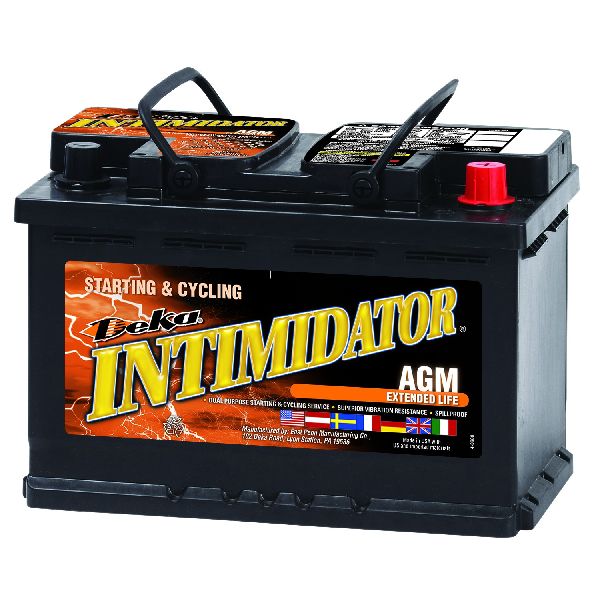
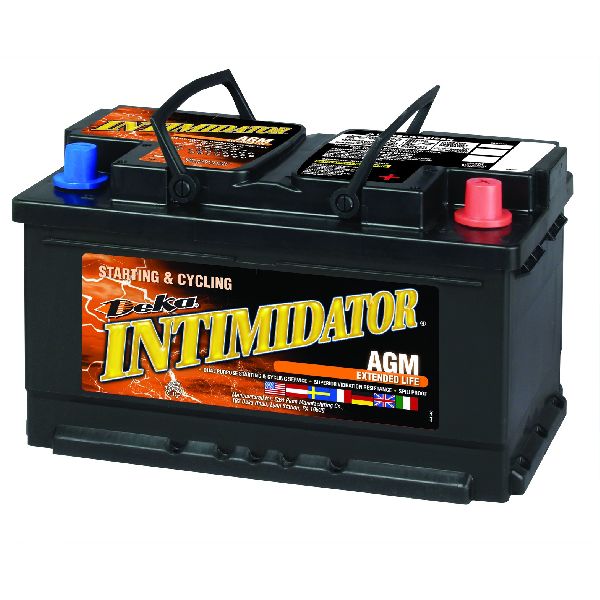
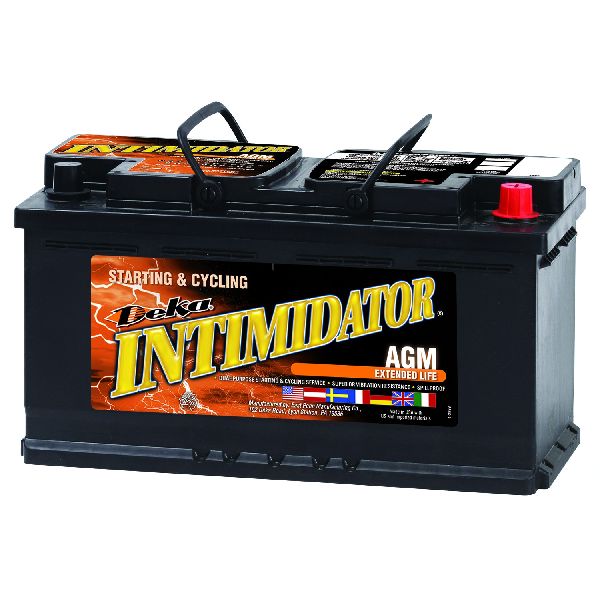
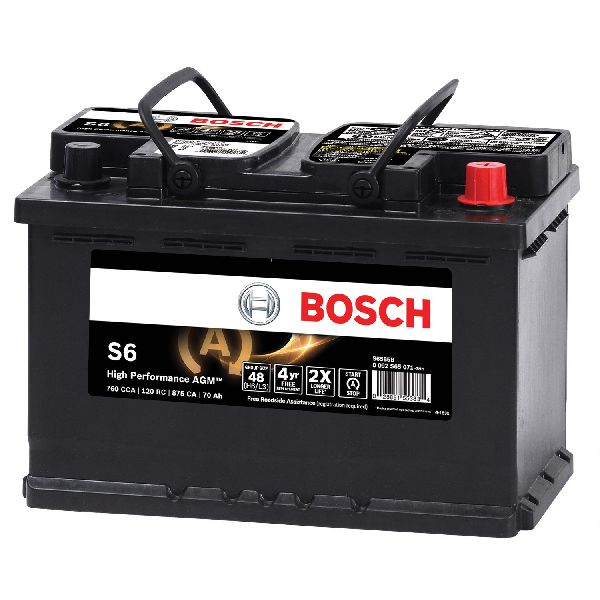
Aftermarket price range: $300-$800 - Automotive Battery — A weak or failing battery is a documented cause of erroneous U0418 codes on this platform, as noted in TSB #18-078-22.
Trusted brands: Interstate, DieHard, ACDelco
OEM price range: $200-$400
Aftermarket price range: $150-$350
Related Codes That Often Appear With This One
- U0402 — Implausible Data from TCM. Both codes are listed in TSB #18-012-22, suggesting a common software or network issue.
- U0403 — Implausible Data from Transfer Case. Both codes are listed in TSB #18-012-22, suggesting a common software or network issue.
- U0129 — Lost Communication With Brake System Control Module 1. This is a related code also listed in TSBs, indicating a more severe communication loss rather than just implausible data.
- C2200 — Anti-Lock Brake Module Internal. This code specifically points to an internal failure of the ABS module itself, making it a strong indicator that the module needs replacement, unlike the more ambiguous U0418.
Technical Service Bulletins (TSBs) & Recalls
- Bulletin #18-012-22: Specifically for the 2021 Dodge Charger (LD), this TSB addresses a long list of 'Lost Communication' and 'Implausible Data' codes, including U0418, that can be resolved by reprogramming the PCM with updated software.
- Bulletin #18-078-22: Although for the 2021 Jeep Cherokee, it is highly relevant as it establishes a manufacturer-acknowledged root cause where U0418 can be set erroneously by a low battery condition (below 10 volts) and fixed with a PCM software update.
- Internal Document #S2008000062: A Chrysler internal document that points to a loose CAN-Bus connector under the dashboard as a possible cause for communication codes like U0418.
Platform-Specific Known Issues
- TSB #18-012-22 indicates that a PCM software update may resolve a group of implausible data codes, including U0418, for 2021 Chargers equipped with the 3.6L engine.
- TSB #18-078-22, while for a Jeep, establishes a strong precedent across FCA brands that U0418 can be set by a low battery condition (below 10 volts), highlighting the platform's sensitivity to voltage.
- Owners on Reddit have reported that a loose battery terminal or a dying battery was the direct cause of ABS/Traction control lights and system malfunctions, which was resolved by tightening the connection or replacing the battery.
Mechanic-Grade Diagnostic Values
- CAN Bus Network Resistance — expected: Approximately 60 Ω when measured between CAN_H and CAN_L pins (e.g., pins 6 and 14 of the OBD-II port) with the battery disconnected and the network asleep.. Failure: A reading of ~120 Ω indicates one of the two terminating resistors (or the wiring to it) is offline. A reading significantly lower than 60 Ω (e.g., 0-45 Ω) suggests a short between the CAN lines or a faulty module.
- CAN Bus Voltage (Key On, Engine Off) — expected: CAN_H should be ~2.6V and CAN_L should be ~2.4V, with both idling around 2.5V. During data transmission, CAN_H pulses to ~3.5V and CAN_L pulses to ~1.5V.. Failure: Voltages that are stuck high (e.g., 5V or 12V), stuck low (0V), or do not mirror each other indicate a short to power, short to ground, or an open circuit.
- ABS Module Power Supply Voltage — expected: Should remain stable between 11.5V and 13.5V with the ignition on, even when the brake pedal is applied.. Failure: A significant voltage drop below 11.5V when the brake is applied indicates a poor power or ground connection to the module.
Scan Tool Commands That Help
- wiTECH: Proxy Configuration Alignment — This procedure is mandatory after replacing the ABS module or many other key network modules. It synchronizes the vehicle's configuration across all ECUs. Failure to perform a proxy alignment will result in a flashing odometer and persistent communication fault codes.
- wiTECH: Restore BCM Proxi Configuration — This is a preliminary step sometimes required before the main Proxy Alignment. It's found under the 'Vehicle Preparations' tab and helps reset the Body Control Module's configuration map.
- wiTECH or capable aftermarket scanner: ABS Initialization — After installing a new ABS module, this function programs the vehicle's VIN into the new module and calibrates sensors like the G-sensor (yaw rate sensor). This must be done before the Proxy Alignment.
Wiring & Ground Locations
- Star Connector / CAN Bus Junction — Behind the driver's side of the dashboard, often accessible after removing the light switch panel. On many Dodge vehicles, there are multiple star connectors (sometimes color-coded, e.g., brown for interior CAN) that act as a central hub for CAN bus wiring.. A loose connection or corrosion at one of these central junctions can disrupt the entire network, causing codes like U0418. Isolating a faulty module can sometimes be done by disconnecting branches from the star connector one by one.
- ABS Module Ground — While specific diagrams for the 2021 Charger are proprietary, on similar FCA platforms the ABS module ground (sometimes designated G105) is located on the chassis frame rail in the engine bay, near the module itself.. A corroded or loose ground connection for the ABS module can cause insufficient power and data corruption, directly leading to implausible data codes like U0418.
- Front Fuse Box (Power Distribution Center) — Located in the engine compartment.. This box contains multiple fuses critical for the ABS and traction control systems. Specifically, fuses F5 (40A Green), F6 (30A Pink), F36 (10A Red), and F39 (10A Red) have been identified as being related to the ABS/ESC system on this platform and should be checked.
Real Owner Repair Stories
- JLwranglerforums.com user 'Deezus' (Jeep Wrangler JL (sister FCA platform with similar electronics)) — ABS and traction control lights, Service 4WD system message, codes U0418 and U1409.
❌ Tried (didn't work) Initial diagnosis was unclear.
✅ What actually fixed it A broken wire at the left front ABS wheel speed sensor connector was found and repaired. Another user reported the same codes were caused by a wire that had become unpinned from the connector plug.
OEM Part Supersession History
68435852AA→68435852AB, 68435852AC, 68435852AD, 68435852AE, and finally 68435852AF.— Part revisions to improve reliability or address internal component changes.
Heads up: These part numbers are generally for vehicles WITHOUT adaptive cruise control. Using a module from a vehicle with different options can cause programming failures or additional fault codes. Always verify the correct part number for your specific VIN.
Helpful Videos
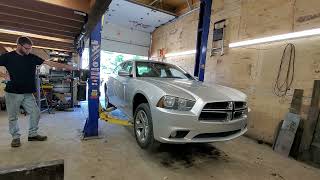
![How To Test CAN BUS With A Multimeter [CAN Bus Resistance Check] Mechanic Mindset](https://img.youtube.com/vi/JPE42HSJxAk/mqdefault.jpg)
Used OEM Parts in Stock


New Aftermarket Parts Available


The information in this article is provided for general reference and educational purposes only. Vehicle specifications, procedures, and part compatibility can vary by production date, trim level, and region. Always consult your vehicle's factory service manual and verify part numbers before purchasing or performing repairs. Safety-critical components such as airbags, seat belts, and braking systems should be installed by a qualified professional.
- Dodge CHARGER:
- 🎬 Helpful Videos
- 🛍️ Shop This Part
- What's Unique About the 2021-2021 Dodge CHARGER
- Diagnostic Flowchart
- Symptoms You May Notice
- Most Likely Causes
- Diagnosis Steps
- Parts You'll Likely Need
- Related Codes That Often Appear With This One
- Technical Service Bulletins (TSBs) & Recalls
- Platform-Specific Known Issues
- Mechanic-Grade Diagnostic Values
- Scan Tool Commands That Help
- Wiring & Ground Locations
- Real Owner Repair Stories
- OEM Part Supersession History
- 🎟️ Get 5% Off