

U0415 on 2012-2018 Volkswagen Jetta: Invalid ABS Data Causes and Fixes
On a 2012-2018 VW Jetta, code U0415 is most often caused by a failing wheel speed sensor. This sends bad data to the ABS module, which then broadcasts it to other systems. Expect to pay $20-$60 for an aftermarket sensor and replace it yourself in under an hour. Do not replace the expensive ABS module unless all sensors and wiring have been ruled out.
- U0415 means the ABS module is sending bad data, which disables your ABS and stability control.
- Before suspecting the expensive ABS module, always check for codes related to the wheel speed sensors first. A faulty sensor is the most likely culprit on a Jetta.
- A scanner that can read live data from all four wheel speed sensors is the most effective tool for diagnosing this issue.
- Do not ignore this code. The loss of ABS and stability control is a significant safety risk, especially in emergency situations.
What's Unique About the 2012-2018 Volkswagen Jetta

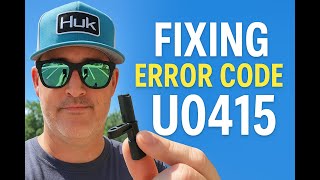
For the 2012-2018 VW Jetta (A6 generation), this code is very frequently a secondary fault triggered by a failing wheel speed sensor. While the code points to the ABS module's data, the root cause is often the sensor that provides that data. Owners often find that replacing a specific, faulty wheel speed sensor resolves the U0415 code and 🎬 Watch: Fixing the U0415 code with a budget-friendly sensor swap. extinguishes the ABS, traction control (ESC), and sometimes TPMS and EPC warning lights on the dashboard. The TPMS light illuminates because the indirect TPMS system uses wheel speed sensor data to detect a deflating tire.
Symptoms You May Notice
- ABS warning light illuminated
- Traction Control (ESC/ASR) light illuminated
- TPMS (Tire Pressure Monitoring System) light illuminated (on models with indirect TPMS)
- EPC (Electronic Power Control) light may be illuminated
- Brake warning light may be flashing
- Cruise control may be inoperative
- Loss of anti-lock braking function during hard stops (wheels may lock up)
- Speedometer may not work if the faulty ABS sensor is the one used for vehicle speed readings
- With DSG transmission, shifting may become harsh or erratic
- Replacing the ABS module first. This is the most expensive part and often not the cause. The problem is more commonly a much cheaper wheel speed sensor that is feeding the module bad information.
Most Likely Causes

- Failing Wheel Speed Sensor (ABS Sensor) 🔴 High Probability Wheel speed sensors are exposed to harsh conditions in the wheel wells, making them susceptible to damage from debris, moisture, and vibration over time. The magnetic reluctor ring on the wheel bearing, which the sensor reads, can also accumulate rust or debris, causing an erratic signal.
How to confirm: Use an OBD-II scanner capable of reading ABS codes (like VCDS or OBDeleven). Look for specific 'C' codes or VW-specific codes (like 00287 or 00290) that pinpoint a faulty wheel speed sensor circuit. You can also use the scanner's live data function to monitor the speed of each wheel while driving; the faulty sensor will show an erratic, zero, or inconsistent reading compared to the others. Note that some VW modules may stop communicating live data above 20 km/h for safety reasons.
Typical fix: Replace the faulty wheel speed sensor. It is a single bolt-on part (usually a 5mm hex) with a connected electrical harness. Ensure you get the correct part for the specific corner (e.g., front left vs. rear right).
Est. part cost: $20-$60 - Damaged Wiring or Corroded Connector 🟡 Medium Probability Wiring to the wheel speed sensors or the main ABS module can become frayed, pinched, or corroded due to its location and exposure to the elements.
How to confirm: Visually inspect the wiring harness leading to each wheel speed sensor and the main connector at the ABS control module. Check for green corrosion, chafed wires, or broken pins. Perform a continuity and resistance check on the wiring with a multimeter from the sensor to the ABS module connector.
Typical fix: Repair the damaged section of the wiring harness or clean/replace the corroded connector.
Est. part cost: $5-$50 - Failing ABS Control Module ⚪ Low Probability VW has known issues with ABS module failures across various models, often from the ATE MK100 series, due to internal component and design vulnerabilities. Failure can be from internal solder joint fractures or electronic component failure, leading to communication errors or pressure faults.
How to confirm: This is typically a diagnosis of exclusion. If all wheel speed sensors and wiring are confirmed to be good, and no other codes are present, the module itself is the likely culprit. A professional scan tool may show codes like 01130 ('ABS Operation Implausible Signal') or 16352 ('Control Module Faulty'), or fail to communicate with the module altogether.
Typical fix: Replace the ABS control module and pump assembly. The new module must be coded to the vehicle's VIN. Alternatively, send the original module to a specialist (like ModuleMaster or ECU Testing) for rebuilding, which is more cost-effective and may not require coding.
Est. part cost: $800-$1500
Rare But Worth Checking
- Low Battery Voltage or Bad Ground: Modern VWs are very sensitive to voltage. A weak or dying battery can cause a multitude of seemingly unrelated electronic communication errors, including U0415. Before diving into complex diagnostics, ensure the battery is fully charged and tests well under load, and check the main ground connections.
- Damaged Wheel Bearing Reluctor Ring: The ABS sensor reads a magnetic ring (reluctor) that is integrated into the wheel bearing/hub assembly. If this ring becomes cracked, damaged, or covered in metallic debris (like rust flakes), it will cause the sensor to send an erratic signal, triggering the U0415 code even if the sensor itself is good. Diagnosis involves removing the sensor and visually inspecting the ring inside the hub.
Diagnosis Steps

- Connect an OBD-II scanner that can read ABS/Chassis codes (VCDS, OBDeleven, or professional-grade tool recommended).
- Scan for all trouble codes. Do not focus only on U0415. Pay close attention to any 'C' codes or VW-specific codes related to wheel speed sensors.
- If a wheel speed sensor code is present, address that fault first. This is the most likely cause.
- If no other codes are present, use the scanner's live data feature to monitor all four wheel speed sensors while driving slowly. Look for a sensor that reads 0 mph or has an erratic signal compared to the others. Note that communication may drop above 20 km/h.
- If a faulty sensor is identified, visually inspect its wiring and connector for damage before replacing the sensor.
- If the sensor and wiring are good, remove the sensor and inspect the magnetic reluctor ring on the wheel bearing for rust, debris, or damage.
- If all sensors and their wiring appear to be working correctly, inspect the main connector at the ABS control module for corrosion or damage.
- Check the power and ground connections to the ABS module using a multimeter to ensure it's receiving proper voltage.
- If all sensors, wiring, and power/ground checks are good, the ABS control module itself is the most likely suspect.
Parts You'll Likely Need

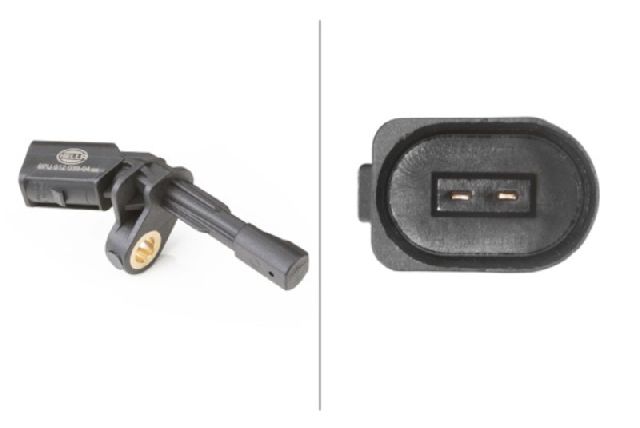
- Wheel Speed Sensor (ABS Sensor)
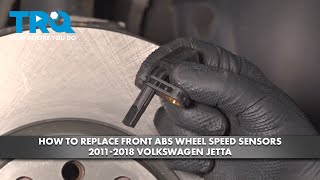
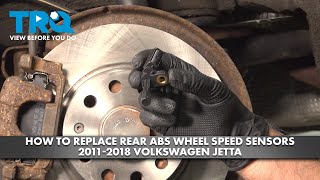
(OEM #Front Right: WHT003856A, Front Left: WHT003857A, 🎬 See this walkthrough for replacing your front wheel speed sensors. Rear Right: WHT003858A, Rear Left: WHT003859A)🎬 Watch: Step-by-step guide to replacing the rear ABS sensors. — This is the most frequent cause of U0415 on this platform, as a faulty sensor feeds invalid data to the ABS module.
Trusted brands: Bosch, ATE, Delphi, VEMO
OEM price range: $70-$120
Aftermarket price range: $20-$60 - ABS Control Module and Pump Assembly
(OEM #Varies by VIN, common units are ATE MK100 series)— This is the fix when the module itself has failed internally, which is less common but a known issue on VWs.
Trusted brands: ATE (OEM), Bosch
OEM price range: $1200-$1800
Aftermarket price range: $300-$800 (Remanufactured)
Related Codes That Often Appear With This One
- C0031 - C0050 (Generic) or 00283-00290 (VW-specific) — These are specific chassis codes for wheel speed sensor circuits (e.g., 00290 for Rear Left). A U0415 code is very often a secondary code caused by a primary fault in a wheel speed sensor circuit. Fixing the specific sensor code will usually clear the U0415.
- U0121 — This code means 'Lost Communication With Anti-Lock Braking System (ABS) Module'. U0415 means the data is bad, while U0121 means the module isn't communicating at all. Seeing U0121 points more strongly to a power, ground, or total module failure.
- 01130 — This is a VW-specific code for 'ABS Operation Implausible Signal'. It often points directly to an internal fault within the ABS module itself, commonly seen with ATE MK60 or MK100 unit failures.
- 16352 — This is a VW-specific code for 'Control Module Faulty'. It is a strong indicator of an internal electronic failure within the ABS module.
Technical Service Bulletins (TSBs) & Recalls
- While no TSBs directly address U0415, Volkswagen issued a recall for 2009-2010 Jettas (NHTSA 16V913, VW Code 45F2) for ABS module failure, showing a history of issues with these components.
Platform-Specific Known Issues
- The ATE MK100 ABS modules used in this generation of Jetta are known to be prone to failure over time, sometimes resulting in codes like U0415 or 01130. Repair services are a viable option.
- The indirect Tire Pressure Monitoring System (TPMS) relies entirely on comparing rotational speeds from the four ABS sensors. A single faulty sensor will therefore trigger both the ABS/ESC lights and the TPMS light.
Mechanic-Grade Diagnostic Values
- Passive Wheel Speed Sensor Resistance — expected: 800 - 2000 Ohms (Ω) between the two pins.. Failure: An open circuit (OL) or a reading significantly outside the expected range indicates a failed sensor.
- Passive Wheel Speed Sensor AC Voltage Output — expected: A small AC voltage that increases with wheel speed (e.g., >100mV AC when spinning by hand).. Failure: No voltage output while the wheel is spinning points to a bad sensor or a damaged reluctor ring.
- ABS Module Power Supply — expected: 12V (± 0.5V) at the power supply pins of the module connector with key on.. Failure: Low or no voltage indicates a problem with the fuse, relay, or wiring leading to the module.
- ABS Module Ground Resistance — expected: Less than 5 milliohms (mΩ) between the ground pins on the module connector and a known good chassis ground.. Failure: High resistance indicates a poor ground connection, which can cause communication errors.
Hidden / Shadow Codes Worth Checking
- 00283 - 00290: These are VW-specific codes for individual wheel speed sensor circuits (e.g., 00283 Front Left, 00290 Rear Left). Finding one of these almost always identifies the root cause of a secondary U0415 code. (see via VCDS (VAG-COM), OBDeleven, or other professional VW-capable scan tools.)
- 16352: Control Module Faulty. This code points directly to an internal, non-recoverable failure of the ABS control module itself. (see via VCDS (VAG-COM), OBDeleven, or other professional VW-capable scan tools.)
- 01130: ABS Operation - Implausible Signal. This often indicates an internal logic failure within the ABS module, common on ATE MK100 units. (see via VCDS (VAG-COM), OBDeleven, or other professional VW-capable scan tools.)
Scan Tool Commands That Help
- VCDS or OBDeleven: Steering Angle Sensor (G85) Calibration — Required after replacing the ABS module, and sometimes after replacing a wheel speed sensor or disconnecting the battery, to re-establish the steering's center position for the ESP system. Failure to do this will leave the ESP/Traction Control light on.
- VCDS or OBDeleven: ABS Pump Bleeding / Basic Setting — After replacing the ABS hydraulic unit (pump), this procedure must be run to cycle the internal valves and solenoids to properly bleed all air from the new component.
- VCDS or OBDeleven: Module Coding — When installing a new or used ABS control module, it must be 'coded' with a specific string of numbers that tells it the vehicle's configuration (e.g., engine, transmission, options). The original coding should be saved before removing the old module.
Wiring & Ground Locations

- J104 — The ABS Control Module is located in the engine compartment, typically on the driver's side, attached to the hydraulic block with multiple brake lines connected to it.. This is the source of the 'Invalid Data'. The main 47-pin connector is a primary point of failure for corrosion or loose pins.
- J104 Connector Pin 47 — On the 47-pin connector for the ABS control module.. This is a primary ground pin for the ABS module. A poor connection here can cause a host of communication issues, including U0415.
- J104 Connector Pins 13 & 14 — On the 47-pin connector for the ABS control module.. These are the CAN High and CAN Low communication lines. Damage to these wires will directly cause communication fault codes.
- Ground Point (12) — Inside the engine compartment on the left side, often below or near the battery tray.. This is a major chassis ground point for components in the engine bay, including potentially the ABS module. Corrosion here can cause intermittent electronic faults.
- Ground Point (44) — On the lower part of the left A-pillar, accessible from inside the cabin by removing the kick panel.. This is a common grounding point for various interior and dashboard-related modules. A fault here can affect multiple systems.
Real Owner Repair Stories
- Ford Edge Forum user 'CrackedDSM' (Ford Edge (different vehicle, same generic code)) — ABS, traction control, stability control lights on. Code U0415 present after replacing a wheel speed sensor.
❌ Tried (didn't work) Replacing the right rear ABS sensor based on a previous code.
✅ What actually fixed it Found and repaired a broken wire in the ABS sensor harness where it ran underneath the back seat, inside the car. A continuity check of the harness revealed the hidden break. - YouTube user 'Fixing on a Budget' (2018 VW Jetta) — Multiple dashboard error lights, including ABS and traction control, with code U0415.
✅ What actually fixed it Replacing the front left wheel speed sensor. The lights went out after clearing the codes and driving the vehicle a short distance. The fix was confirmed stable after two days of driving. - Reddit user in r/jetta (2012 VW Jetta 2.5SE, 130,000 miles) — ABS light and related issues. Dealer quoted $4,200 for ABS module replacement.
❌ Tried (didn't work) Attempting to have the original module repaired by an independent shop.
✅ What actually fixed it The module was unrepairable because the internal computer chip was dead. The final fix was a full replacement of the ABS module by an independent shop (at a lower cost than the dealer).
"I Checked Everything" — The Actual Cause
- In a well-documented case for this code (on a different vehicle), a visual inspection of the wiring harness revealed no issues. The root cause was only found after performing a point-to-point continuity test with a multimeter, which discovered a wire that was broken inside its insulation, hidden under the rear seat carpet. This highlights that a simple visual check is not enough; a full electrical test of the harness may be required.
OEM Part Supersession History
1K0927807A, WHT003859A, WHT003859B→WHT003859D— Part revision and improvement by the manufacturer.
Heads up: While the parts may look similar, using the wrong revision could lead to incorrect readings. Always verify the correct, most current part number for your vehicle's VIN.
Model Year Variations Within This Range
- 2012-2014 vs 2015-2018: The Jetta A6 received a facelift for the 2015 model year. While the fundamental ABS system (ATE MK100) remained, wiring, connector pinouts, and specific module part numbers may have changed. RepairPal data shows significantly different dealer replacement costs between a 2014 and 2015 model, suggesting a hardware change. Always use a wiring diagram specific to your vehicle's year.
Diagnostic Flowchart
Other Known Issues on This Vehicle
Issues unrelated to this code that are worth knowing about as an owner of this generation:
- Timing Chain Tensioner Failure (1.8T/2.0T TSI) 🔴 High — Common on early EA888 engines, often before 100,000 miles. Failure can cause catastrophic engine damage. (Ref: No recall, but updated tensioner parts were released by VW. A class-action lawsuit addressed the issue for some owners.)
- Clogged Heater Core 🟠 Medium — Very common across the Jetta A6 generation, leading to a complete loss of cabin heat. Often caused by sediment buildup.
- Failing Door Lock Actuators 🟡 Low — Extremely common failure. Doors may fail to lock or unlock, or the alarm may sound randomly. Often multiple actuators fail over the life of the vehicle. (Ref: TSB V571404 and 2079919 address related symptoms, but no recall was issued.)
- Turbocharger Underboost (P0299) 🟠 Medium — Common on TSI engines, often caused by a failing wastegate actuator, diverter valve, or boost leaks from hoses.
- Water Pump Failure (Plastic Housing) 🟠 Medium — The plastic water pump housing is prone to cracking and leaking coolant, typically between 60,000 and 90,000 miles. (Ref: Subject of a class-action lawsuit, but no general recall.)
Used vs. New Parts: Buying Guide for This Vehicle
When a used part is the smart pick: A used ABS control module from a reputable salvage yard can be a significant cost-saver ($200-$500 used vs. $1500+ new). This is a reasonable option if the new part is prohibitively expensive, but it carries risks.
Donor-vehicle mileage cap: roughly under 80000 miles for the part to have meaningful remaining life.
What to inspect on the donor part:
- Verify the part number on the used module EXACTLY matches the original.
- Choose a donor vehicle with the lowest possible mileage.
- Select a donor from a dry climate to minimize the risk of corrosion.
- Ensure the donor vehicle was not in a major front-end collision that could have damaged the module.
- Get a warranty or return policy from the salvage yard.
OEM-only on this vehicle (don't cheap out):
- ABS Control Module (if buying new). There are no reputable 'new' aftermarket ABS modules; the only non-OEM options are remanufactured or used.
Aftermarket brands forum-validated for this vehicle:
- For Wheel Speed Sensors: Bosch, ATE, Delphi, VEMO.
- For ABS Module Repair: Specialized rebuilders like ModuleMaster, ECU Testing, or UpFix.
Brands owners have reported issues with on this vehicle:
- Unnamed, no-brand 'white box' wheel speed sensors from online marketplaces can have high failure rates and poor fitment.
Real Owner Stories
Aggregated from forums and TSBs cited above. Mileages and costs reflect what owners reported in those sources.
2018 VW Jetta
Symptoms: ABS and other related warning lights were illuminated, with code U0415 present.
What fixed it: The problem was resolved by replacing a faulty front left wheel speed sensor. The lights cleared after driving a short distance.
Source hint: YouTube: 2018 VW Jetta Error Code U0415 – Fixing ABS Speed Sensor on a Budget!
2011 Jetta Sportwagen
Symptoms: The ABS, Traction Control, TPMS, and Airbag lights were all on. The DSG transmission was also experiencing shifting problems.
What fixed it: The root cause was a bad wheel speed sensor which was replaced.
Source hint: YouTube: VW ABS Wheel Speed Sensor Issues
2011 Volkswagen Jetta
Symptoms: An intermittent ABS light was on, with a fault code for the left rear speed sensor circuit.
What fixed it: The issue was not the sensor itself, but a piece of rust stuck to the magnetic reluctor wheel on the bearing, which was causing signal dropouts. Cleaning the rust off the reluctor wheel fixed the problem.
Source hint: YouTube: 2011 Volkswagen Jetta- ABS Light-LR Speed Sensor Circuit Fault
Related OBD-II Codes
Frequently Asked Questions
My ABS, traction control (ESC), and TPMS lights all came on at once on my Jetta. Is this one problem or three separate issues?
With a U0415 code, is it more likely I need an expensive ABS module or just a cheap sensor?
I replaced the bad wheel speed sensor on my Jetta, but the warning lights are still on. What's wrong?
My Jetta has a DSG transmission and it's shifting harshly ever since the ABS light came on. Are these problems related?
Is there a recall for the ABS module on my 2015 Jetta?
My mechanic says the ABS control module is bad. Can it be repaired, or do I have to buy a new one?
My scanner only shows U0415 and no other codes. How do I know which wheel speed sensor is bad?
Helpful Videos
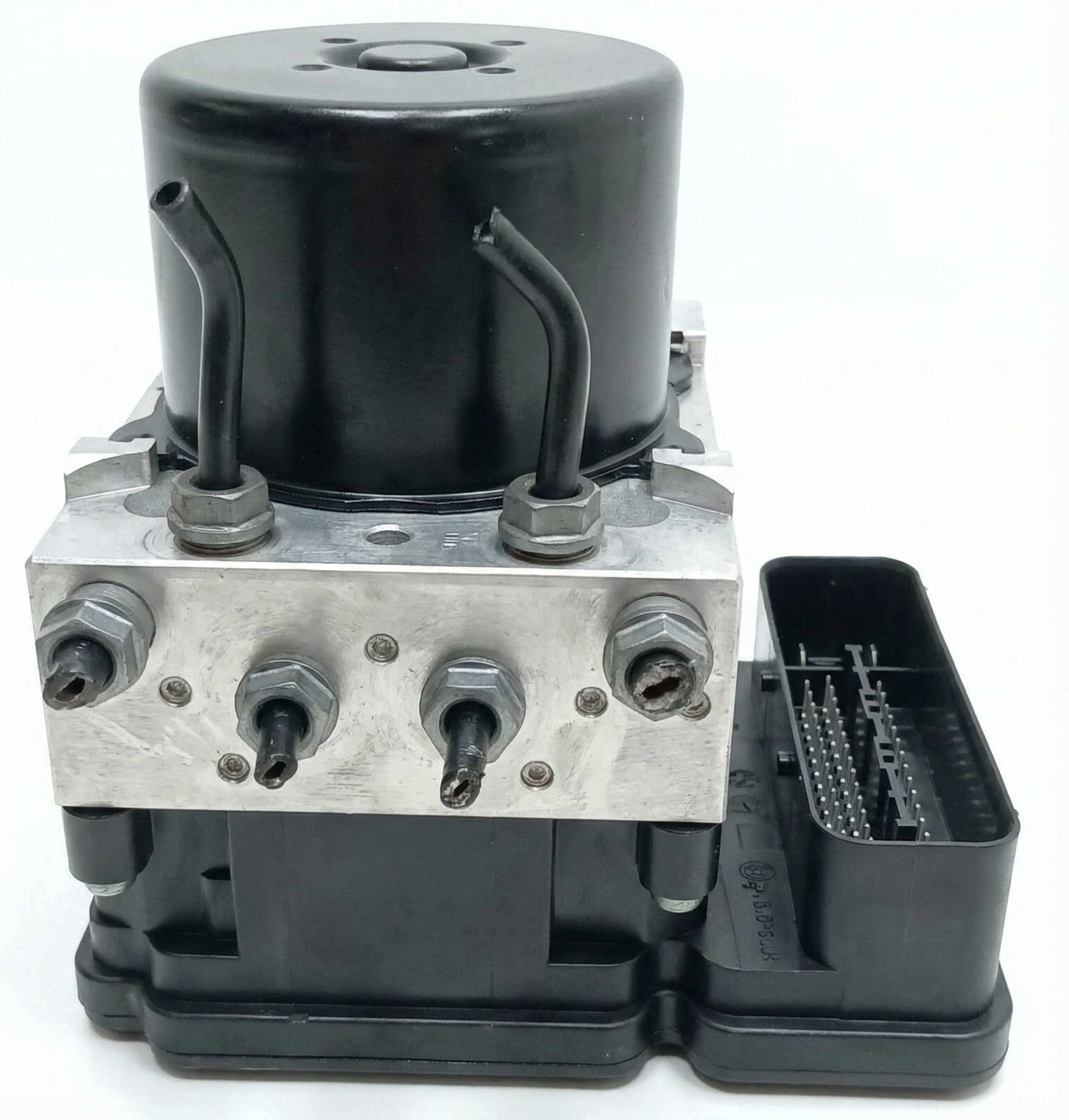
Used OEM Parts in Stock




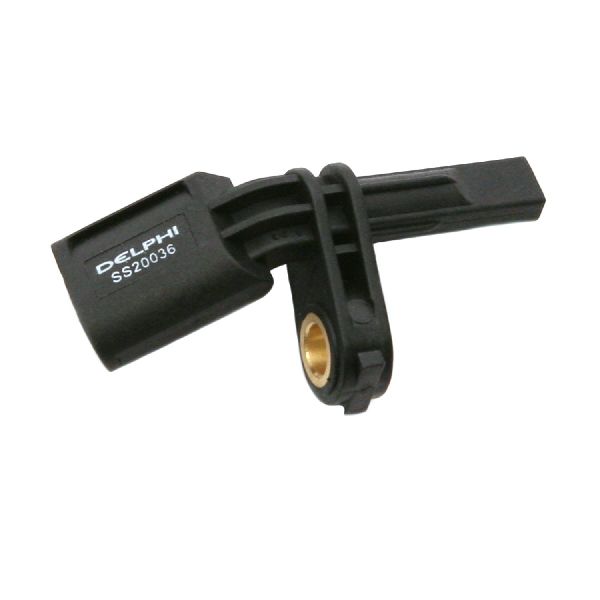
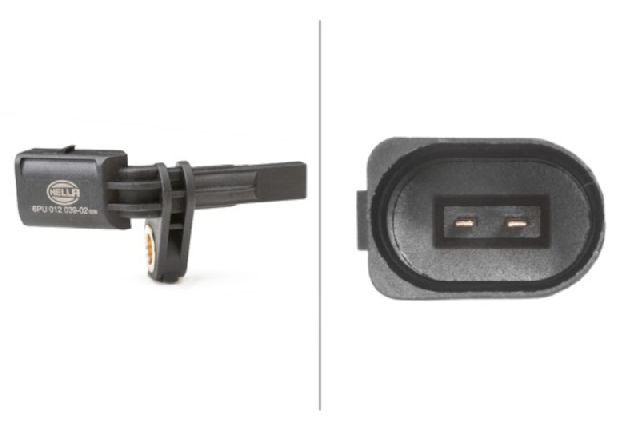
New Aftermarket Parts Available


The information in this article is provided for general reference and educational purposes only. Vehicle specifications, procedures, and part compatibility can vary by production date, trim level, and region. Always consult your vehicle's factory service manual and verify part numbers before purchasing or performing repairs. Safety-critical components such as airbags, seat belts, and braking systems should be installed by a qualified professional.
- Volkswagen Jetta:
- 🎬 Helpful Videos
- 🛍️ Shop This Part
- What's Unique About the 2012-2018 Volkswagen Jetta
- Symptoms You May Notice
- Most Likely Causes
- Rare But Worth Checking
- Diagnosis Steps
- Parts You'll Likely Need
- Related Codes That Often Appear With This One
- Technical Service Bulletins (TSBs) & Recalls
- Platform-Specific Known Issues
- Mechanic-Grade Diagnostic Values
- Hidden / Shadow Codes Worth Checking
- Scan Tool Commands That Help
- Wiring & Ground Locations
- Real Owner Repair Stories
- "I Checked Everything" — The Actual Cause
- OEM Part Supersession History
- Model Year Variations Within This Range
- Diagnostic Flowchart
- Other Known Issues on This Vehicle
- Used vs. New Parts: Buying Guide for This Vehicle
- Real Owner Stories
- 2018 VW Jetta
- 2011 Jetta Sportwagen
- 2011 Volkswagen Jetta
- Related OBD-II Codes
- Frequently Asked Questions
- 🎟️ Get 5% Off